
iPhone Duo Display and Durability Deep Dive: Is the Hinge Reliable?

Pick wrong and you’ll spend $2,000 on a foldable whose hinge develops a visible gap after 18 months, or whose inner display scratches from a single grain of sand. iPhone Duo’s hinge is in its first generation; Samsung’s Galaxy Z Fold 8 is in its eighth. That gap matters more than any spec sheet.

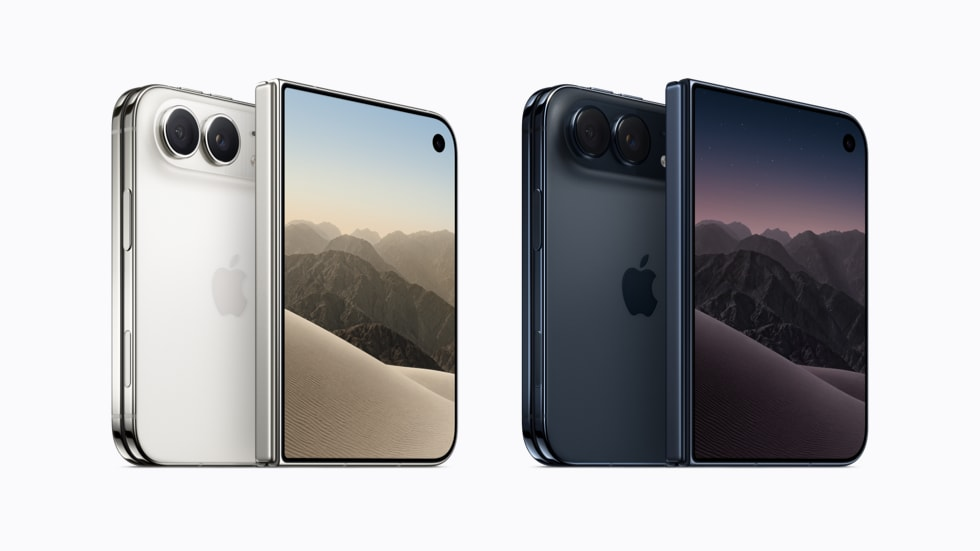
Foldable phones live or die by their hinge and inner display. These are the components that have failed first in every previous foldable generation — Samsung’s Z Fold 3, 4, 5 had documented hinge and crease issues; early Motorola Razr reboots had display delamination. The question for iPhone Duo buyers isn’t “is it pretty” — it’s “will the hinge last 3 years and will the inner display survive daily use?”
Here’s the honest engineering analysis based on Apple’s official announcement and the durability data we have so far, with what we don’t know flagged clearly. Independent drop and dust testing won’t ship until late October 2026. Until then, this is the most complete picture available.
TLDR
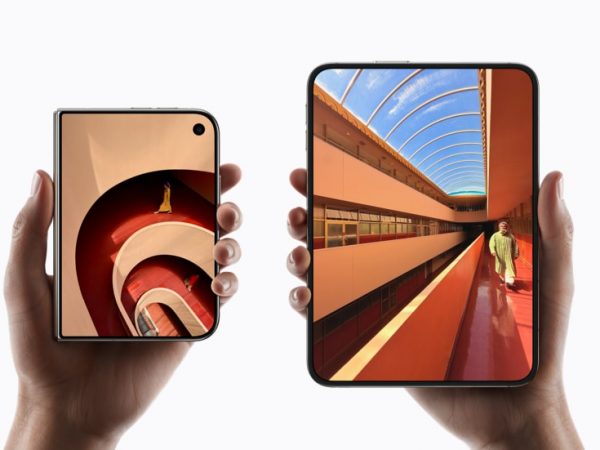
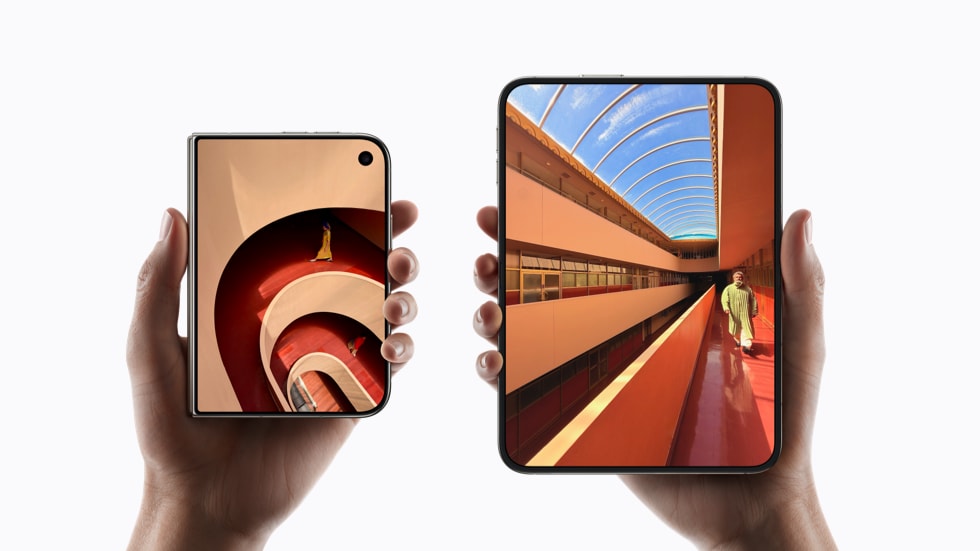
- iPhone Duo inner display: 7.6-inch Super Retina XDR with premium nano-texture finish that reduces glare and crease visibility (Apple confirmed)
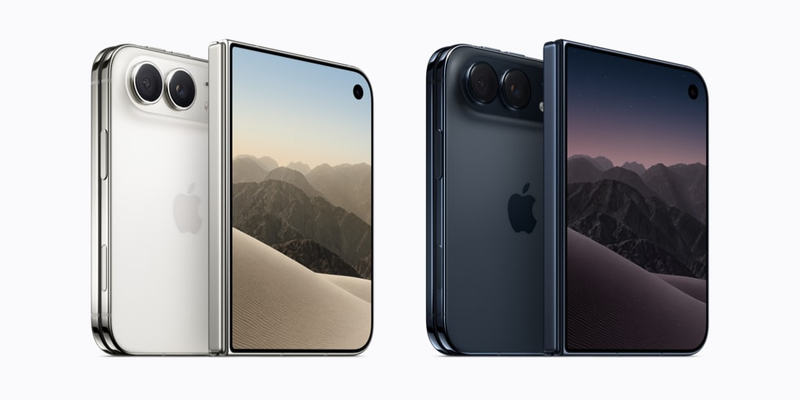
- iPhone Duo hinge: “precision hinge” in 1st generation — Apple’s first foldable hardware, unproven at scale
- Samsung Galaxy Z Fold 8 (8th gen): Flex Titanium technology with titanium-alloy film and 201g weight (Samsung confirmed)
- Durability ratings: Apple hasn’t specified IP rating; Samsung Z Fold 7 had IP48 (not yet confirmed for Z Fold 8)
- Apple Pencil support: USB-C, coming later this year — first iPhone with stylus support
- The honest verdict: wait for independent testing in late October before deciding if the iPhone Duo hinge is reliable enough for daily use
Inner display technology comparison
| Feature | iPhone Duo | Galaxy Z Fold 8 |
|---|---|---|
| Inner display size | 7.6-inch diagonal | ~7.6-inch diagonal |
| Resolution | Super Retina XDR (exact resolution not disclosed) | ~2176 x 1812 (typical for Z Fold class, not confirmed for Z Fold 8) |
| Refresh rate | ProMotion (1-120Hz adaptive) | 120Hz (likely) |
| Peak brightness | 3,000 nits (confirmed) | ~2,600 nits (typical, not confirmed) |
| Display finish | Premium nano-texture (matte, anti-glare) | Glossy (no nano-texture equivalent) |
| Hidden front camera | Yes, under inner display (confirmed) | Yes, under inner display (typical) |
| Crease visibility | Reduced by nano-texture finish (Apple’s claim, unverified) | Visible in center, improved over Z Fold 7 |
| Aspect ratio | Matches outer display for content scaling (Apple) | Main display ~1.2:1, cover display ~23:9 |
Why iPhone Duo’s nano-texture finish matters
Apple’s nano-texture is a matte finish etched at the nanometer level that scatters ambient light instead of reflecting it directly. On a regular glossy foldable inner display, you get two problems: (1) harsh reflections that make outdoor use difficult, and (2) the crease becomes more visible because reflected light catches the fold geometry.
Nano-texture addresses both. Reflections become diffuse (less harsh), and the crease appears less prominent because light isn’t catching it at sharp angles. This is the same technology Apple uses on Pro Display XDR and iMac (optional nano-texture upgrade), now applied to a folding iPhone for the first time.
The honest caveat: nano-texture is more matte than glass, which slightly reduces color vibrancy and adds a faint grain visible on solid colors at close viewing distances. Apple’s Pro Display XDR buyers have learned to live with this trade-off. iPhone Duo buyers will too. But for users who prioritize punchy colors over glare reduction, this is a real downside.
Hinge design comparison
| Feature | iPhone Duo (Apple, 1st gen) | Galaxy Z Fold 8 (Samsung, 8th gen) |
|---|---|---|
| Hinge technology | “Precision hinge” (Apple’s term) | Flex Titanium with titanium-alloy film + enhanced titanium plate |
| Generation | 1st generation | 8th generation (Armor FlexHinge lineage) |
| Materials | Not disclosed | Titanium alloy film + enhanced titanium plate |
| Opening feel | Not described in detail | “Smoother, lighter, more natural” (Samsung press release) |
| Crease mitigation | Nano-texture finish reduces visible crease (Apple claim) | Titanium structure absorbs pressure, reduces crease visibility |
| Dust resistance | Not specified | IP48 (Z Fold 7 standard, not yet confirmed for Z Fold 8) |
| Drop test claims | Not disclosed at announcement | “Advanced durability” with titanium structure |
| Weight (whole phone) | Not disclosed | 201g (Samsung confirmed) |
Why Samsung’s 8th-generation advantage matters
Samsung’s first Galaxy Fold (2019) had documented hinge failure rates. The Z Fold 2, 3, 4, 5 had iterations addressing crease visibility, dust ingress, and long-term reliability. The Z Fold 6 (2024) and Z Fold 7 (2025) refined the Armor FlexHinge design. The Z Fold 8’s Flex Titanium technology (titanium-alloy film + enhanced titanium plate) is the 8th-generation refinement.
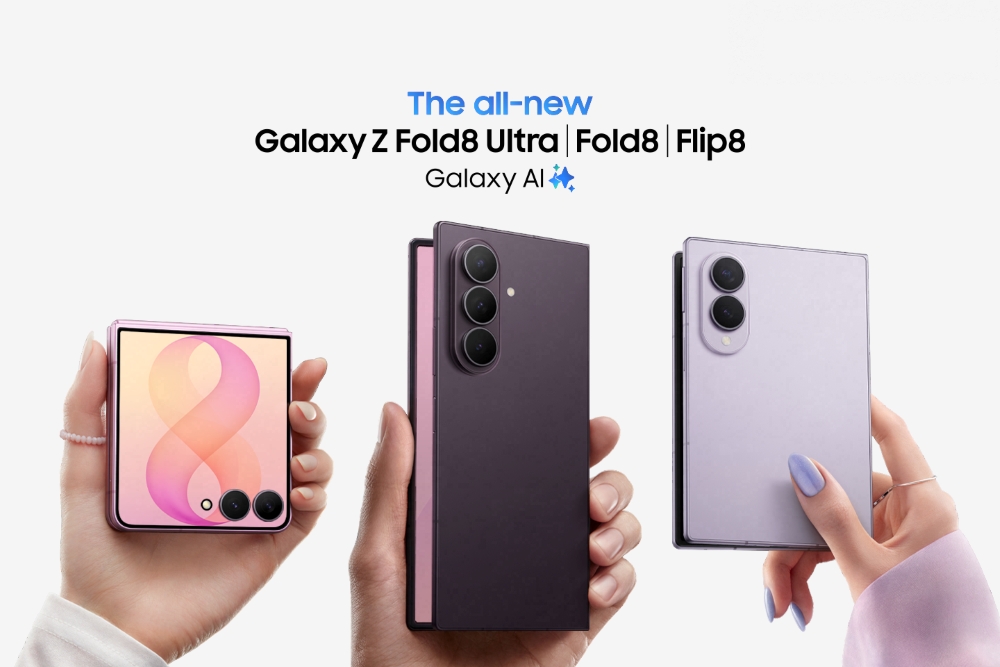
This matters because foldable hinges have specific failure modes that only show up over time: hinge loosening (visible gap when closed), inner display delamination (bubbles under display), crease deepening (visible fold line becomes more prominent), and dust intrusion (debris enters hinge and damages display).
Apple’s precision hinge is in its first generation. The engineering is likely excellent — Apple doesn’t ship bad hardware. But “first generation” means Apple has not yet solved the failure modes that come from real-world usage over 12-24 months. iPhone Duo 2 (expected 2027) will have refined hinge addressing whatever issues the first generation reveals.
What independent testing will reveal
The most important durability metrics for foldables aren’t visible at launch. They emerge after:
- 10,000 fold cycles (corresponds to ~3 years of daily use at ~10 folds/day)
- 30-day dust exposure tests (sand, pocket lint, beach use)
- Drop tests from pocket height (1-1.5m) onto various surfaces
- Temperature/humidity cycling (summer heat, winter cold, humid climates)
- Crease depth measurement at 6mo, 12mo, 24mo
Apple typically doesn’t share this testing publicly. Independent reviewers (JerryRigEverything, MobileReviewsEh, iFixit) do this testing and publish results within 2-4 weeks of device availability. iPhone Duo ships October 23, 2026 — expect independent durability testing in early November 2026.
Daily-use scenario assessment
Here are 3 persona scenarios for iPhone Duo durability concerns:
If you’re a typical user (10-15 folds/day): You open your phone ~30 times (unfold + fold = 2 actions). That’s ~10,000 fold cycles over 3 years. iPhone Duo’s first-gen hinge will likely survive this if Apple’s engineering is solid. The risk: unknown failure modes that haven’t been discovered yet. Mitigation: AppleCare+ for accidental damage, keep the phone away from sand/dust.
If you’re a power user (30+ folds/day): You open/close your phone constantly for multitasking (every notification, every app switch). That’s ~20,000+ fold cycles over 2 years. First-gen hinge may not survive this well. Recommendation: wait for iPhone Duo 2 with refined hinge, or stick with non-foldable iPhone 17/18 Pro.
If you’re a rugged user (outdoor, construction, beach): Your phone gets exposed to sand, dust, drops, water. iPhone Duo has no IP rating confirmed, so its dust/water resistance is unknown. Recommendation: skip iPhone Duo entirely — wait for iPhone 19 Pro with confirmed IP68 + foldable, or use iPhone 17 Pro Max with confirmed IP68.
Apple Pencil support & inner display durability
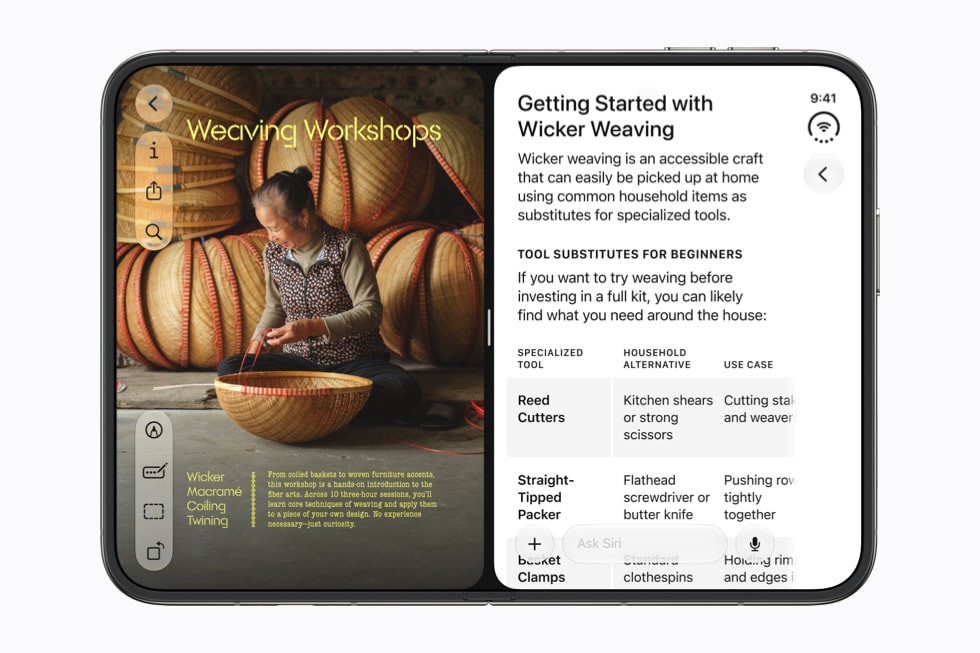
Apple confirmed iPhone Duo will support Apple Pencil with USB-C later this year. This is the first iPhone with stylus support. It also raises new durability questions:
Stylus on foldable concern: Stylus tips exert pressure on the inner display. The Z Fold series has documented cases of stylus-induced display damage (Samsung warns against using non-S Pen styli on inner displays). Apple’s iPhone Duo will need:
- Apple Pencil tip hardness matched to UTG (Ultra-Thin Glass) durability specs
- Pressure thresholds that don’t damage the foldable inner display
- Software palm rejection to prevent accidental touch input when folded
Apple’s track record with iPad + Apple Pencil suggests they’ll get this right — the iPad Pro with nano-texture glass handles Apple Pencil well, and iPhone Duo’s inner display uses similar UTG tech. But the foldable form factor adds new mechanical stress that wasn’t present on flat iPads.
FAQ
Is iPhone Duo’s hinge reliable?
Unknown until independent testing in late October 2026. Apple claims “precision hinge” with smooth operation, but the hinge is in its first generation. Samsung’s Galaxy Z Fold 8 is in its eighth generation with Flex Titanium technology and 201g weight — a known-good baseline. The honest recommendation: wait for YouTube torture tests before buying if hinge reliability is critical to your decision.
Will iPhone Duo’s inner display scratch easily?
The inner display uses Ultra-Thin Glass (UTG) like Samsung’s foldables. UTG is more scratch-resistant than plastic OLED but more fragile than regular smartphone glass. The nano-texture finish adds scratch resistance but reduces color vibrancy. For daily use, the inner display should survive normal use but won’t survive sand, keys, or hard objects. Treat it like a high-end watch face, not like a Gorilla Glass phone screen.
Can iPhone Duo survive water exposure?
Apple hasn’t specified an IP rating for iPhone Duo. Samsung Z Fold 7 had IP48 (water resistant but not dust-tight). iPhone Duo’s water resistance is unknown until independent testing. Recommendation: keep iPhone Duo away from water until third-party testing confirms otherwise. Don’t take it to the pool or beach.
Can iPhone Duo survive drops?
Apple hasn’t disclosed drop test ratings. Foldable phones in general survive fewer drops than slab phones because the hinge is a mechanical stress point. Recommendation: use a case (iPhone Duo Case $79 or Folio with Kickstand $129) and consider AppleCare+ for accidental damage coverage.
Is iPhone Duo’s crease visible?
Apple claims the nano-texture finish reduces crease visibility. Independent testing will confirm. Samsung’s Z Fold 8 also claims reduced crease (via titanium structure), and reviewers have noted visible-but-improved creases. Expect iPhone Duo’s crease to be similar — visible when you look for it, not obvious in normal use.
How does iPhone Duo compare to Galaxy Z Fold 8 for durability?
Galaxy Z Fold 8 wins on durability maturity: 8th-generation hinge, Flex Titanium technology, 201g weight, and likely IP48 water resistance (carried over from Z Fold 7). iPhone Duo’s hinge is in its first generation with no published IP rating. Until independent testing of iPhone Duo is published (late October 2026), Galaxy Z Fold 8 is the safer durability bet.
Should I wait for iPhone Duo 2 for better durability?
If durability is your primary concern, yes. iPhone Duo 2 (expected 2027) will have refined hinge addressing whatever first-gen failure modes emerge. The price will likely be similar. Power users and business buyers who need reliable foldables should wait. Casual users who treat phones gently and want to be early adopters can buy iPhone Duo now with reasonable confidence.
Our Take
Here’s the honest assessment: iPhone Duo’s hinge is a question mark, not an answer. Apple’s engineering is excellent, but first-generation foldable hinges have historically had reliability issues. Samsung’s Z Fold 8 is the safer choice if durability is your primary concern.
That said, Apple’s nano-texture inner display finish is a real innovation that addresses two of the most annoying foldable display problems: glare and visible creases. This is genuine value-add over Samsung’s approach.
The honest recommendation framework:
1. If you’re a typical user (5-10 folds/day, light use): iPhone Duo’s first-gen hinge should survive 2-3 years based on Apple’s track record. The risk is acceptable. Buy with confidence, get AppleCare+, and enjoy the nano-texture display.
2. If you’re a power user (20+ folds/day, daily commute): The hinge risk is real. Wait for iPhone Duo 2 in 2027, or buy Samsung Z Fold 8 with proven 8th-gen hinge. Don’t be an early adopter of first-gen foldable hardware if you depend on it daily.
3. If you’re a rugged user (outdoor, construction, frequent travel): Skip iPhone Duo entirely. Use a non-foldable iPhone 17 Pro or 18 Pro Max with confirmed IP68 rating and Gorilla Glass durability. Foldable phones are not for rough environments.
4. If you’re a tech enthusiast who values polish over reliability: iPhone Duo is for you. The Apple Intelligence integration, iOS 27 foldable adaptations, and nano-texture display are genuinely excellent. The first-gen hinge is the only real risk. Buy with eyes open.
The honest bottom line: iPhone Duo’s display is great. Its hinge is unknown. The only way to know if Apple’s hinge holds up is to wait for real-world testing in late October. Don’t pre-order based on Apple’s claims alone.
Related on HelloExpress
- iPhone Duo First Look: Apple’s First Foldable iPhone
- iPhone Duo vs Galaxy Z Fold 8: Which Foldable Should You Buy?
- iPhone Duo Pricing Guide 2026: Every Configuration Compared
- iPhone Duo vs iPhone 18 Pro (in draft)
Sources
- Apple Newsroom — Apple unveils iPhone Duo (September 9, 2026)
- Samsung Newsroom — Galaxy Z Fold8, Fold8 Ultra, and Flip8 announcement (July 2026) — source for Flex Titanium technology and 201g weight
- iPhone Duo durability specs sourced from Apple’s official press release; hinge reliability and inner display scratch resistance claims pending independent third-party testing