

AI 101 Machine Learning: Unpacking Machine Learning – Beyond the Magic

Table of Contents
Forget what you think you know about computers magically “learning.” At its heart, Machine Learning is a highly structured process where we train computers to perform repetitive tasks, meticulously sifting through vast amounts of data. This tireless repetition allows them to identify subtle differences, recognize intricate patterns, and ultimately, comprehend the underlying nature of the data.


It’s crucial to understand that computers don’t “think” or possess genuine intelligence; instead, they simulate thought processes based on precise, detailed questions we pose to them. The quality of the answers we receive directly correlates with the clarity and specificity of our inquiries. There’s no magical information flowing out of these machines; their “intelligence” is a reflection of the human intelligence that designs and guides them.
Two Schools of Thought: Terminator vs. Star Trek
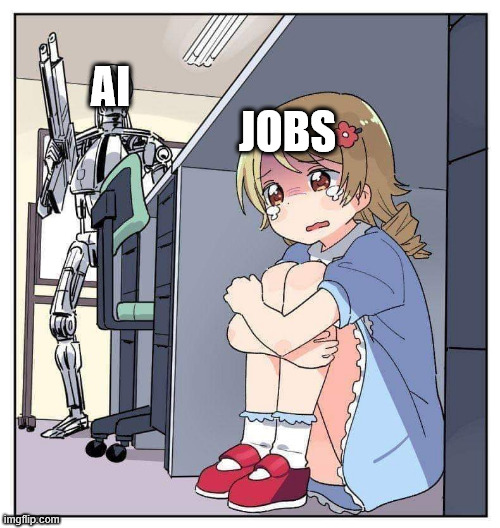
When it comes to Artificial Intelligence, two dominant schools of thought often emerge, though many nuances exist. On one side, we have the “Terminator” perspective, fueled by anxieties about AI surpassing human control, leading to job displacement, pervasive surveillance, and even existential threats. While compelling for cinematic narratives, this fear-driven view often sensationalizes the reality of AI’s current capabilities.
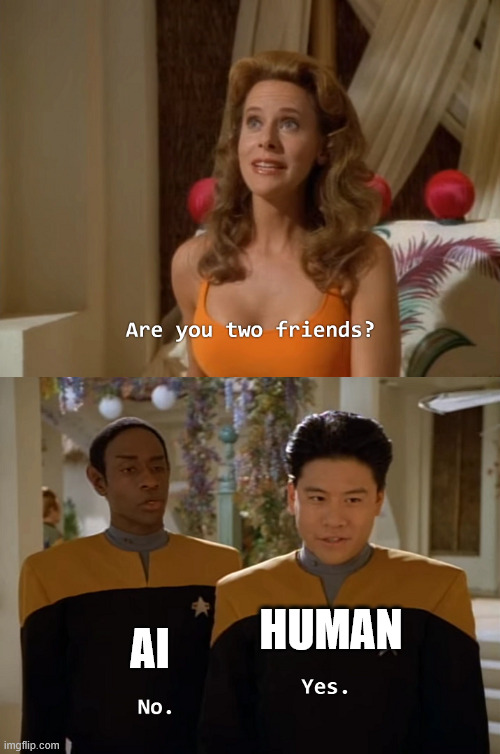
The opposing view, akin to the “Star Trek” vision, embraces AI as a ubiquitous and benevolent companion. This perspective envisions a future where AI acts as a friend and invaluable assistant, catering to our needs and seamlessly integrating into our lives. Movies like “Her,” where individuals form deep connections with AI, beautifully illustrate this idealized future, showcasing AI’s potential to be a perfect conversational partner and an indispensable tool.
In reality, we find ourselves somewhere in the middle. While unfortunate instances of malicious AI use exist, the overwhelming application of machine learning aims to simplify and enhance our daily lives. Consider the latest generation of smartphones: automated photo adjustments that perfect your selfies or ensure impeccable background focus are prime examples of sophisticated machine learning and deep learning at work. We may not always explicitly recognize it, but AI is already deeply embedded in our technological landscape, subtly improving user experiences.
Beyond Fear and Preference: AI as a Tool for Human Creativity
The societal and psychological implications of AI are undeniably intriguing. We encounter individuals who either fear AI’s rise or, conversely, prefer interacting with computers over humans. However, a balanced perspective is essential. We must recognize that AI and machine learning are fundamentally tools, designed to augment human capabilities and foster greater creativity.

The “Terminator” fear of job loss, while valid in some contexts, needs to be reframed by the “Star Trek” optimism. If AI can automate unhealthy, repetitive, and boring jobs—tasks that humans traditionally performed out of necessity rather than fulfillment—then it presents an incredible opportunity for human liberation. My parents, for instance, worked tirelessly in factories and coal mines, enduring arduous and often dangerous labor because no robotic alternative existed.
As these types of jobs increasingly become automated, driven by greater cost-effectiveness for machines, humanity gains the freedom to pursue more creative, meaningful, and innovative endeavors. We can envision entirely new job categories that don’t even exist today, shifting our understanding of “work” from mere survival to a pursuit of passion and creativity. The challenge then becomes how we ethically distribute wealth, intelligence, and education in a world where machines handle the laborious.
How AI and Machine Learning Empower Humans

AI and machine learning offer several transformative benefits for humanity:
- Automation: This is perhaps the most significant current application. AI streamlines repetitive tasks, freeing up human resources for more complex problem-solving and creative pursuits.
- Error Prevention: AI can meticulously analyze data and processes to identify potential errors or inconsistencies, proactively preventing mistakes before they occur.
- Data Reduction and Noise Muffling: In an age of information overload, AI excels at sifting through massive datasets, identifying critical patterns and filtering out irrelevant “noise” to deliver precise, actionable insights.
- Prediction based on Historical Data: From predictive text on your smartphone keyboard, which anticipates your next word based on your usage history, to complex market forecasting, AI leverages historical data to make highly accurate predictions.
- Human-Centric Interfaces: AI facilitates more intuitive and natural interactions with technology. Imagine conversing with a computer as you would with another person, receiving information tailored for human understanding rather than raw data.
Ultimately, the core takeaway is this: Artificial Intelligence is not magic. Computers cannot genuinely think, be creative in the human sense, or fill in knowledge gaps on their own. You are responsible for what you tell the machine, and you are responsible for what you get out of it.
Intelligent machines are only as intelligent as the questions we ask them. While we can benefit immensely from the patterns and insights AI derives from recorded information, remember that a computer’s “thinking” is merely an illusion. It is not another human being, and it will not replace human beings. Instead, by understanding AI’s capabilities, we have the unprecedented opportunity to offload boring, repetitive tasks to computers, freeing ourselves to embrace our inherent creativity.