

Samsung Foundry Targets Doubling 2nm Design Wins in 2026 as Broadcom Talks Advance

TLDR
- Samsung Foundry plans to double its 2nm design wins this year, anchored by active talks with Broadcom on advanced-node production.
- The Korean chipmaker told analysts a foundry profit turnaround is ‘possible in the near term’ after quarters of red ink.
- Samsung’s Q2 memory sales surged 471% YoY on HBM3E/HBM4 demand, giving it cash flow to subsidise the foundry comeback push.
- Foundry orders are expected to more than double in 2026, with at least one unnamed hyperscaler already locked in for 2nm capacity.
- The move puts Samsung on a direct collision course with TSMC for AI accelerator and custom-silicon foundry share globally.
- For Malaysia, the ripple effect matters: Penang and Kulim host a deep OSAT and back-end packaging ecosystem that feeds both Samsung’s and TSMC’s supply chains.
Samsung’s 2nm Push Reshapes the Foundry Race
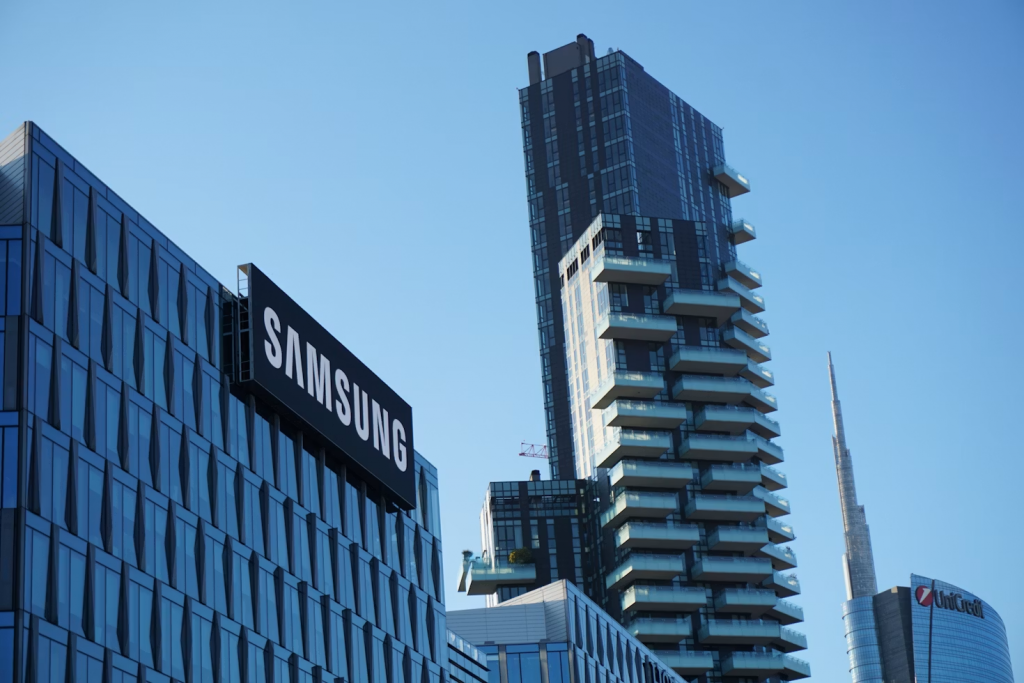
Samsung Electronics is moving aggressively to claw back ground in the contract chipmaking business, telling industry analysts this week that it expects to double its 2-nanometre design wins over the course of 2026. The headline number is being driven in large part by ongoing negotiations with Broadcom, which is evaluating Samsung’s most advanced node for next-generation AI accelerator and custom-silicon programmes that previously defaulted to TSMC.
The shift is more than a headline. Foundry orders across Samsung’s 2nm, 3nm and 4nm nodes are projected to more than double in 2026 according to supplier checks, with at least one major hyperscaler already committed to Samsung’s 2nm capacity for upcoming AI training and inference silicon. For an outfit that has bled red ink in its foundry division for years, the trajectory matters: Samsung is now publicly telling investors that a profit turnaround is ‘possible in the near term’.
Memory Cash Flow Is Funding the Foundry Bet
What makes the 2nm push credible is the cash machine running next door. Samsung’s memory division posted a 471% year-on-year jump in Q2 2026 sales, fuelled by insatiable demand for HBM3E and HBM4 stacks bound for Nvidia, AMD and the hyperscaler buildout. That windfall gives the company room to keep pricing foundry wafers aggressively while it fights for yield parity with TSMC’s N2 and A16 nodes.
The Broadcom relationship is the proof point. Industry reports suggest Broadcom is exploring Samsung for custom AI ASICs and advanced-packaging work — the same high-value programmes that have made TSMC the foundry of choice for the AI era. A 2nm win with Broadcom would not just be a single customer; it would reset market expectations about who can credibly supply the next wave of AI silicon at scale.
Why the Asia Industrial Map Should Care
The fight between Samsung and TSMC is not happening in a vacuum. It cascades directly through the back-end packaging and OSAT clusters across Southeast Asia, and Malaysia sits right in the middle. Penang and Kulim host a dense network of outsourced semiconductor assembly and test providers — including ASE, Inari, Unisem, ViTrox and Samilabs — that feed both Korean and Taiwanese foundry customers.
If Samsung successfully doubles its 2nm book this year, demand for advanced packaging, bumping, and final test will rise in lockstep, and Malaysian OSAT players are well positioned to capture that work. Conversely, any continued yield or capacity wobble in Samsung’s foundry unit could see more of those orders shift to TSMC’s mature and advanced nodes — which still routes through the same Malaysian back-end ecosystem, just under a different supply chain owner. Either way, the strategic stake for Malaysia’s chip sector is real.
Our Take
Samsung’s 2nm doubling story is real, but it is also a hostage to yield. The Korean giant has talked a big foundry game before, and only delivered consistently on memory. If 2nm defect density stays materially behind TSMC’s N2, the Broadcom conversation stalls and the ‘profit turnaround’ line stays aspirational. Watch Samsung’s Q3 and Q4 wafer-shipment commentary closely — that is where the credibility of this story will be settled.
For Helloexpress readers tracking industrial tech with a Malaysian lens, the practical takeaway is this: the next 12 to 18 months will decide whether Samsung is a credible second source for AI-grade silicon, or whether TSMC retains effective monopoly status at the leading edge. That decision will be made in Hwaseong, Austin and Taylor — but the spillover economics will land on shop floors in Bayan Lepas and Kulim.
Keyword: Samsung foundry 2nm




[…] 📖 Baca versi English: Samsung Foundry Targets Doubling 2nm Design Wins in 2026 as Broadcom Talks Advance […]