

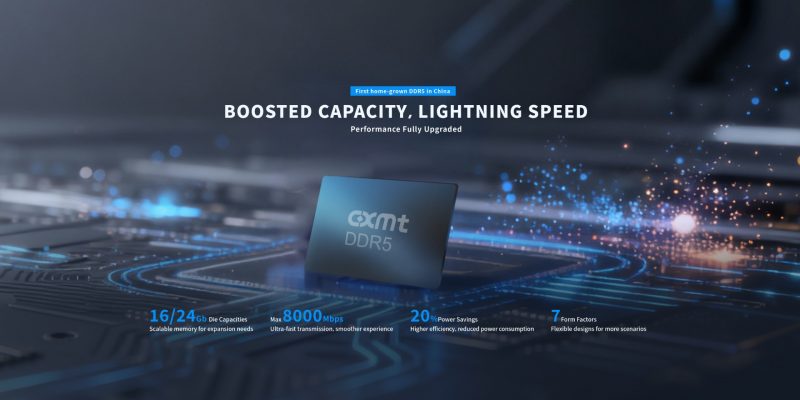
CXMT Eyes Second Beijing DRAM Fab as HP, Asus, and Acer Quietly Tap Chinese Memory

TLDR
- CXMT is weighing a second 12-inch DRAM fab in Beijing’s Yizhuang hub, with early-stage talks for state funding
- Three operating fabs (two Hefei, one Beijing) currently deliver ~300,000 wafers/month; planned Shanghai and Hefei additions could push capacity past 600,000 WPM
- HP, Asus, and Acer begin limited CXMT DRAM use in notebooks as an AI-driven memory shortage tightens global supply
- CXMT pricing sits on par with Samsung rather than at a discount, signalling that Chinese memory now competes on quality, not cost
- TrendForce ranks CXMT fourth in DRAM with 7.6% Q1 2026 share, behind Samsung, SK hynix, and Micron (89.7% combined)
- Volumes remain modest globally as CXMT still prioritises Chinese customers such as Huawei
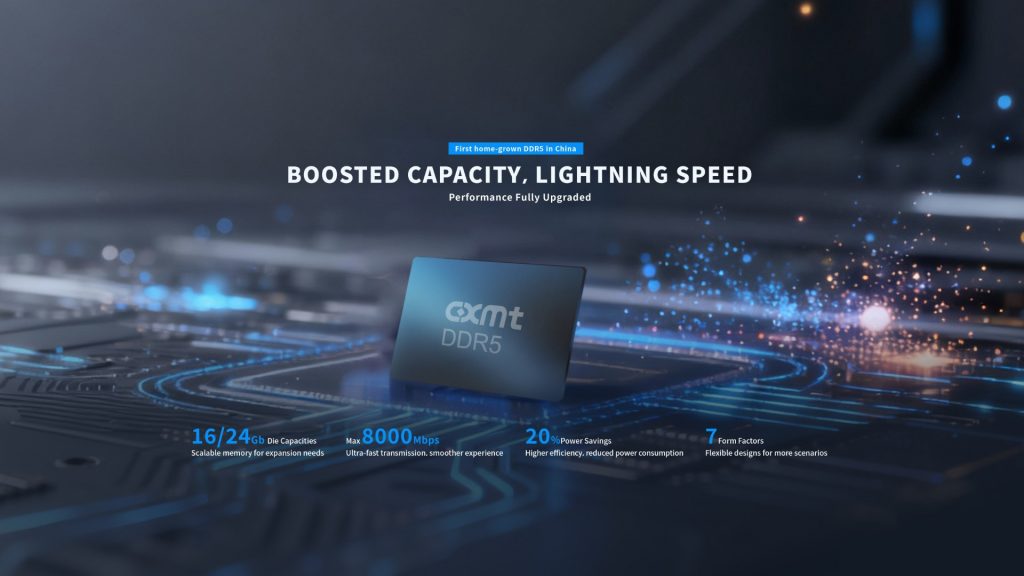
China’s top homegrown DRAM maker is laying the groundwork for another major capacity expansion. According to Reuters, CXMT is weighing plans to build a second 12-inch DRAM fab in the Yizhuang district of southeast Beijing and is in early-stage talks for at least RMB 60 million (US$8.9 million) in funding from the Beijing Economic-Technological Development Area, alongside support from other state-owned technology groups. The package size and structure remain fluid.
CXMT currently runs three 12-inch DRAM fabs — two in Hefei and one in Beijing — at a combined ~300,000 wafers per month. New fabs already underway in Shanghai and Hefei could push total output past 600,000 WPM, more than doubling current levels. The proposed Yizhuang site sits inside a semiconductor corridor that already houses SMIC, Naura, and Xiaomi, giving CXMT tighter access to equipment supply chains and engineering talent.
Discussions began before CXMT’s blockbuster STAR Market debut, which generated fresh capital for the expansion. Building a leading-edge DRAM fab typically costs more than US$10 billion, so even the early-stage talks point toward a multi-year, multi-billion-dollar build that would reshape global DRAM capacity by the end of the decade.
HP, Asus, And Acer Quietly Tap Chinese Memory
Meanwhile, Nikkei Asia reports that HP, Asus, and Acer have begun using limited volumes of CXMT DRAM in notebooks, completing qualification of the Chinese supplier around mid-2026. The trigger is an “unprecedented” memory shortage driven by AI infrastructure demand pulling DRAM away from traditional PC channels.
Shipment volumes and the number of notebook models running CXMT memory remain modest, and the chips are reportedly going into non-US SKUs first. CXMT is prioritising a meaningful slice of its production for Chinese customers such as Huawei, leaving international buyers to compete for whatever remains.
Pricing, Market Share, And The AI Memory Crunch
Crucially, CXMT’s DRAM is priced on par with Samsung rather than at a discount — a quiet vote of confidence from PC OEMs that Chinese memory now competes on quality, not cost. TrendForce ranks CXMT fourth globally with a 7.6% revenue share in Q1 2026, behind Samsung, SK hynix, and Micron (89.7% combined). CXMT expects to close 2026 at around 350,000 WPM, just behind Micron’s projected 375,000 WPM, while it ramps its latest G4 process node for both server and PC DRAM.
Our Take
CXMT’s quiet invasion of the global PC supply chain is one of the more consequential supply-chain stories of 2026. The fact that major OEMs are willing to qualify Chinese DRAM — and pay Samsung-tier prices for it — suggests the memory market is no longer a three-player oligopoly in practice. For Malaysia’s Penang semiconductor cluster, which sits as the world’s second-largest OSAT hub and already hosts Micron, ASE, Inari, and MKS, this is a development to watch closely: the same AI-driven DRAM crunch reshaping CXMT’s order book is also fuelling fresh investment into Malaysian back-end packaging and test capacity next door.
The strategic question for global OEMs is no longer whether Chinese DRAM is good enough, but how much exposure they can take without upsetting their incumbent memory partners or inviting regulatory scrutiny. HP, Asus, and Acer have drawn a clear first line — non-US notebooks, limited SKUs — and the rest of the industry will be watching whether that line holds.






[…] 📖 Baca versi English: CXMT Eyes Second Beijing DRAM Fab as HP, Asus, and Acer Quietly Tap Chinese Memory […]