8 Things You Should Always Buy Secondhand for Your Baby (and 1 You Should Buy New)

TL;DR
- Clothes, toys, cloth diapers, books, high chairs, baby carriers, swaddles, nursery decor — all safe to buy secondhand
- These eight categories can save a Malaysian family RM 2,500–5,000 in year one without compromising safety
- Skip the crib, car seat, mattress, breast pump, and pacifier used (Article 2 covers why)
- The secondhand market for baby gear in Malaysia is large and growing — Carousell, and Facebook Marketplace are the main channels
The Money Trap
New parents spend an average of RM 8,000–15,000 in year one on baby gear they don’t need new. A significant chunk of that spend — clothing, toys, books, swaddles — depreciates within months whether you buy it new or used. The retail market charges you the full price for that depreciation.
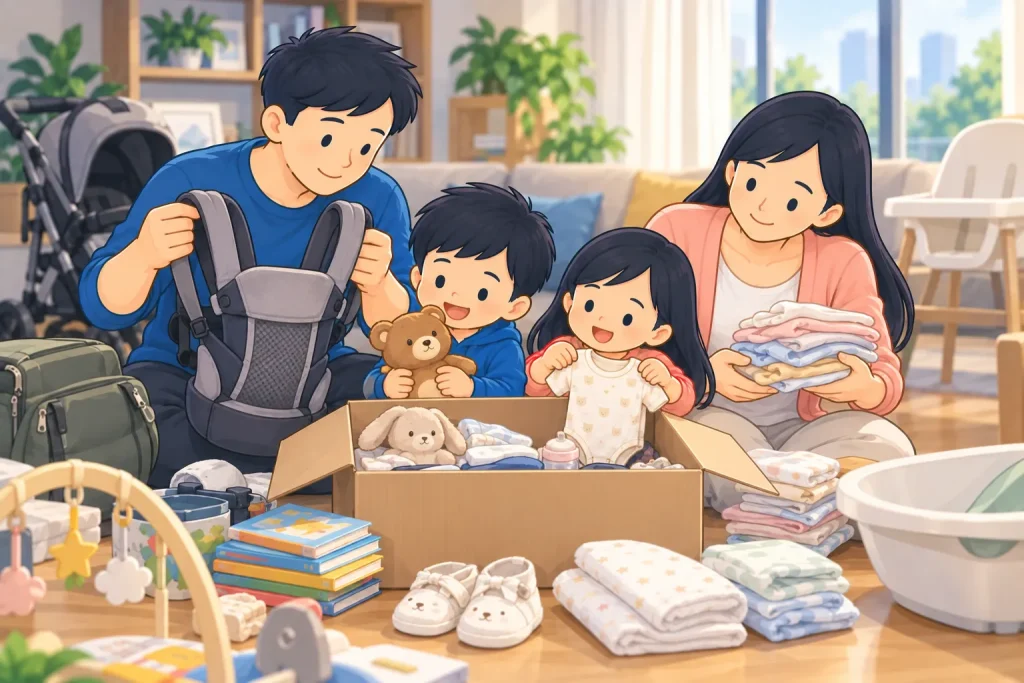
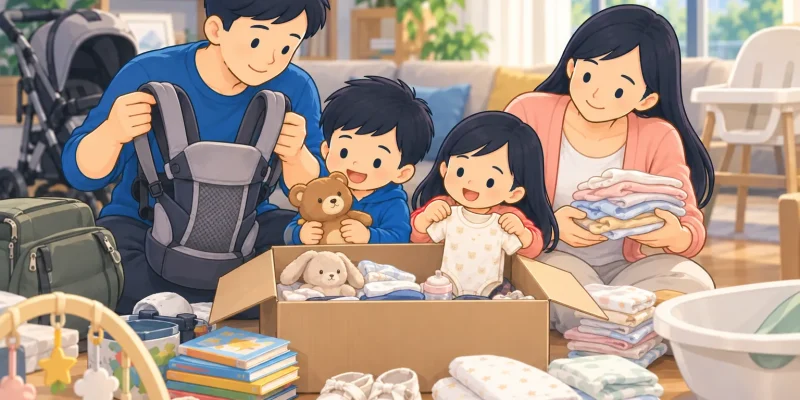
The secondhand market in Malaysia is mature. Carousell and Facebook Marketplace have dedicated baby-gear sections with thousands of listings. Most major baby brands hold their quality through multiple children. The result: parents can save 40–70% on gear that’s functionally identical to new.
This article covers eight categories you should always buy secondhand, plus one that deserves careful inspection if used. Article 2 covers the categories you should never buy secondhand. Article 3 breaks down the financial savings in detail.
1. Baby Clothes (Save RM 800–1,500/year)
Babies outgrow clothing every 2–3 months in the first year. Even premium brands show wear after one child. Cotton holds up well through multiple washes; colours fade slightly but integrity is fine.
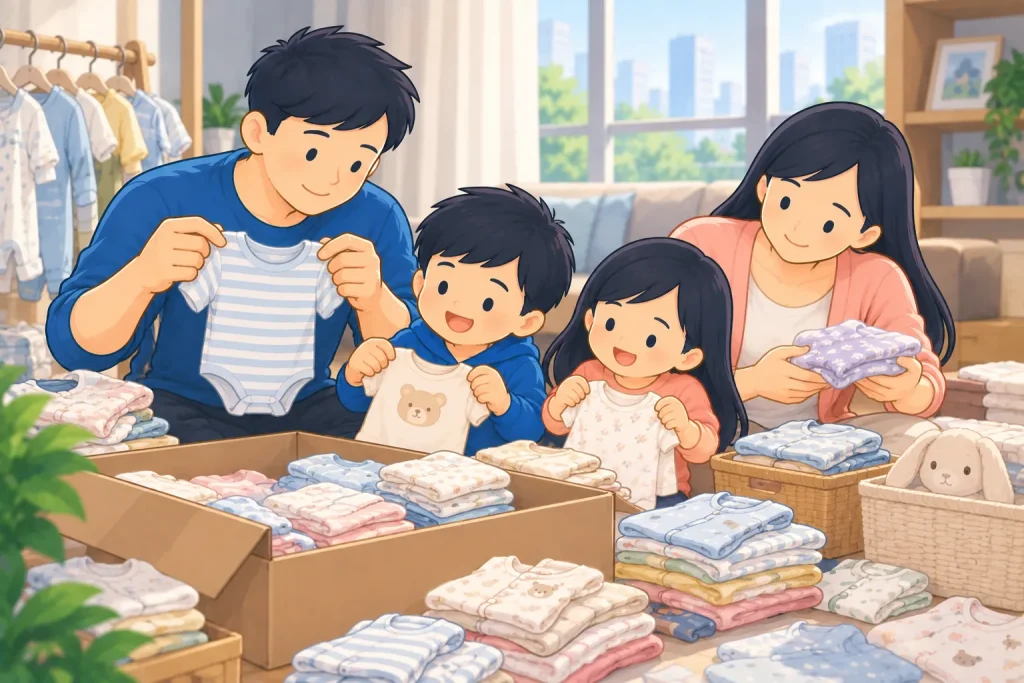
What to check: Stains (set-in stains may not wash out), elastic degradation at necklines and cuffs, missing buttons or snaps, broken zippers.
What to skip: Underwear and socks (hygiene concerns even after washing), heavily stained items.
Where to find: Carousell baby clothing bundles, Facebook Marketplace, community baby-wearing groups.
2. Toys — Non-Electric (Save RM 500–2,000)
Wooden toys, plush toys, puzzles, blocks, shape sorters, stacking cups, bath toys — all safe to buy secondhand. Plastic toys that have been kept out of direct sunlight don’t degrade meaningfully.
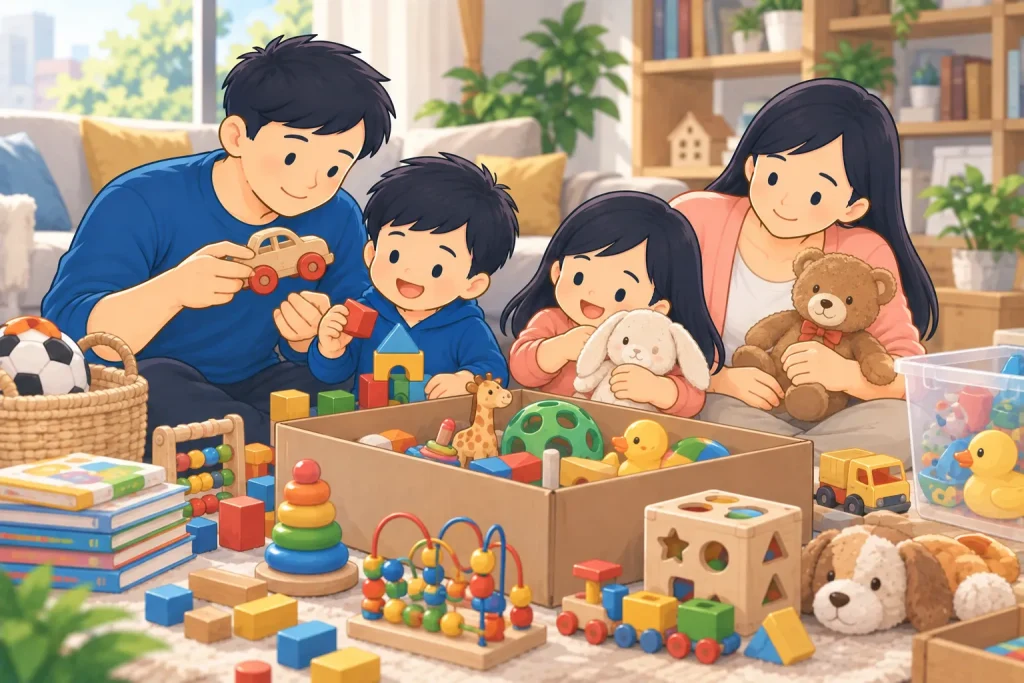
What to check: Cracks or sharp edges on plastic (choking hazard), missing parts, recalls (check the Consumer Product Safety Commission recall database — link in Article 2).
What to skip: Electric or battery-operated toys with non-replaceable batteries (corrosion risk), toys with fabric that’s been exposed to pets (allergies), anything that can’t be fully cleaned.
3. Cloth Diapers and Reusables (Save RM 1,500–3,000 over 2 years)
Cloth diapers are designed to survive hundreds of washes. The PUL (polyurethane laminate) outer is the most fragile component; even used diapers with intact elastic and PUL are functionally equivalent to new. Cloth diaper communities in Malaysia (e.g., Cloth Diaper Malaysia on Facebook) sell and trade actively.
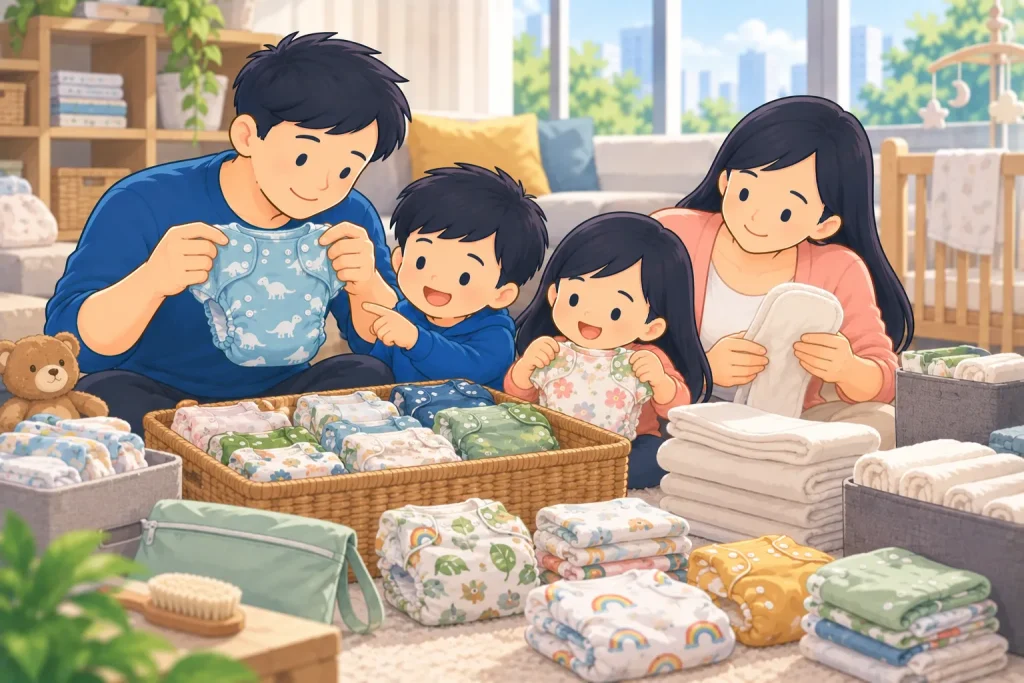
What to check: PUL integrity (hold up to light — any pinholes mean leakage), elastic stretch, staining (cosmetic only), snaps in working order.
What to skip: Diapers with cracked or peeling PUL — the waterproofing is compromised and the diaper is past its useful life.
4. Books (Save RM 200–800)
Board books, picture books, and even early chapter books are excellent secondhand purchases. These are designed to take abuse from children. The pages don’t degrade meaningfully with reading.
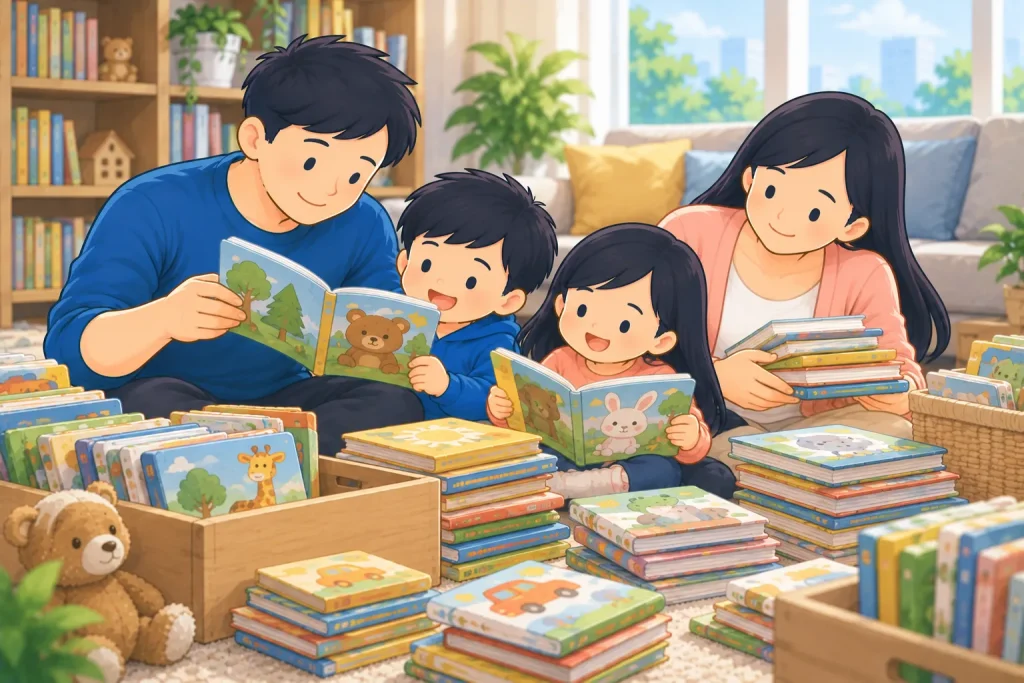
What to check: Missing pages (common with used board books torn by toddlers), writing in margins, mould (check for musty smell — Malaysia’s humidity makes this common).
Bonus: Many Malaysian libraries run children’s book exchanges. Some have free or token-price book swap events.
5. High Chairs, Bouncers, and Rockers (Save RM 300–1,500)
What to check: Recall status (always search the manufacturer’s name + “recall” on CPSC database), harness integrity, all parts present and functioning, no cracks in plastic.
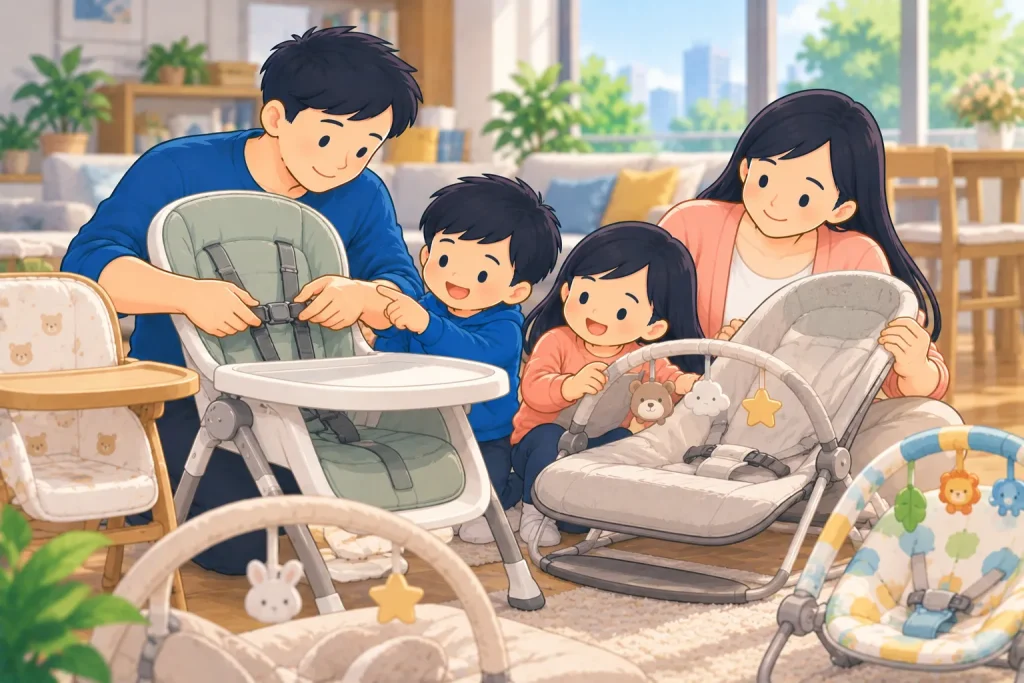
What to skip: Anything with frayed straps, cracked plastic near stress points, missing parts. Replacement parts for older models may be unavailable.
High chairs and bouncers from major brands (Chicco, Graco, Peg Perego, Fisher-Price) are typically engineered to last multiple children. Plastic and metal frames don’t degrade meaningfully.
6. Baby Carriers and Wraps (Save RM 200–800)
Ergonomic baby carriers (Ergobaby, Tula, Lillebaby, BabyBjorn) hold their value well and function identically whether new or used. The fabric softens with use, which most parents prefer.
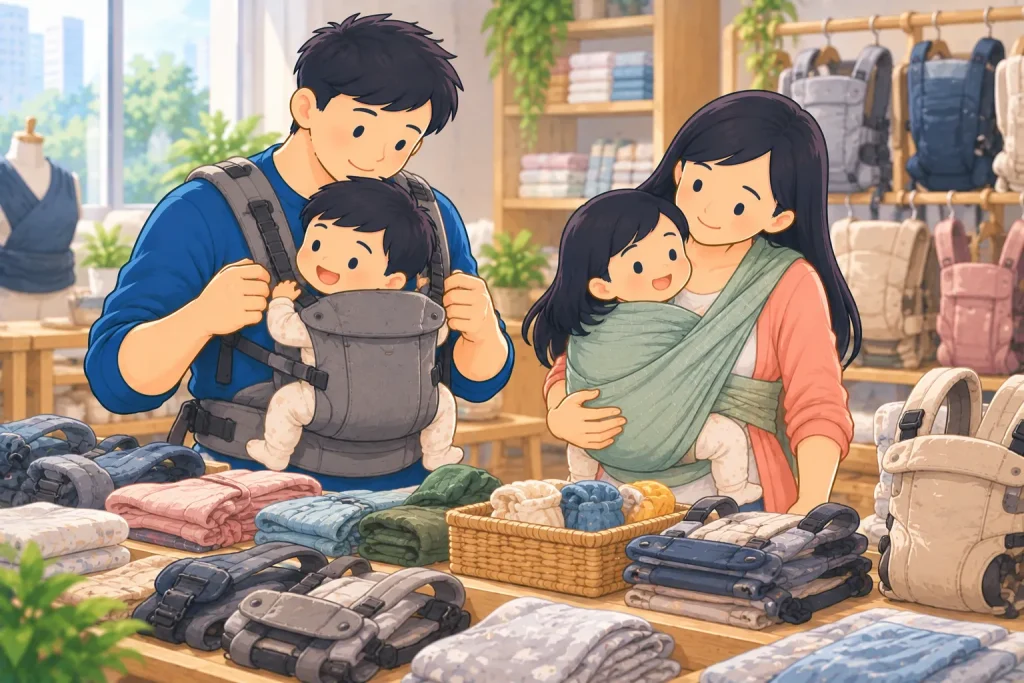
What to check: Buckle integrity (test all clips), fabric wear at stress points, no missing parts. For wraps: no fraying, all tags present.
What to skip: Carriers from unknown brands (ergonomic safety concerns), anything with visible structural damage.
7. Swaddles, Blankets, and Burp Cloths (Save RM 200–600)
Cotton swaddles and muslin blankets are designed for repeated washing. Most have a useful life of 2–3 children before visible wear.
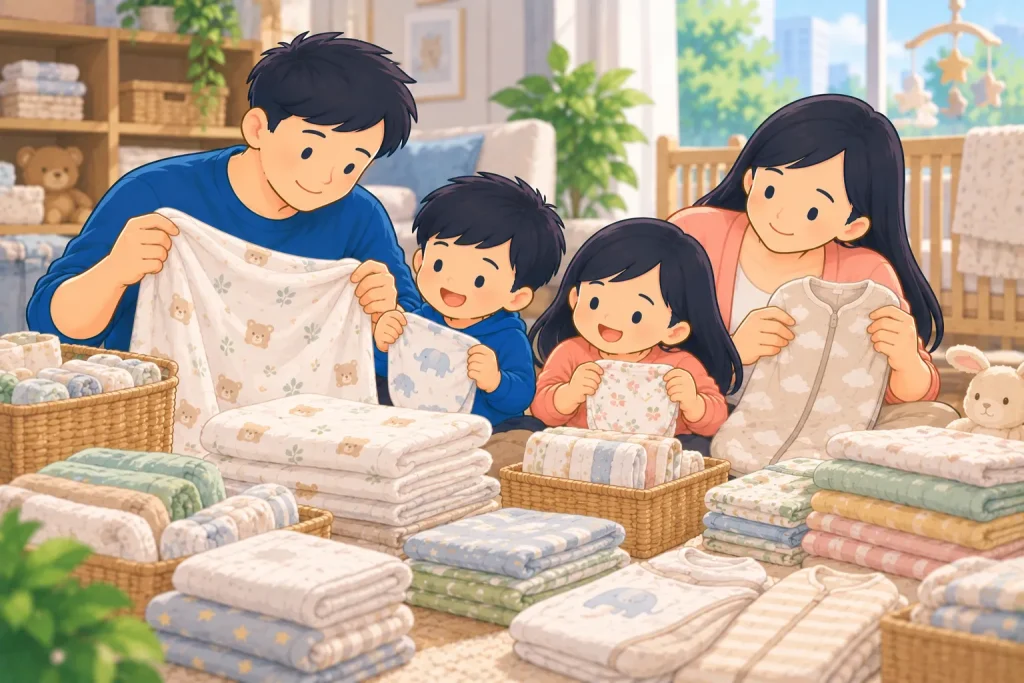
What to check: Staining, elastic degradation in zip-up swaddles, missing snaps or velcro.
What to skip: Heavily stained items (set-in baby stains may not wash out).
8. Nursery Decor and Storage (Save RM 300–1,000)
Rugs, curtains, storage baskets, bookshelves, toy boxes — all functional secondhand purchases. These items don’t touch the baby’s mouth and don’t degrade meaningfully through use.
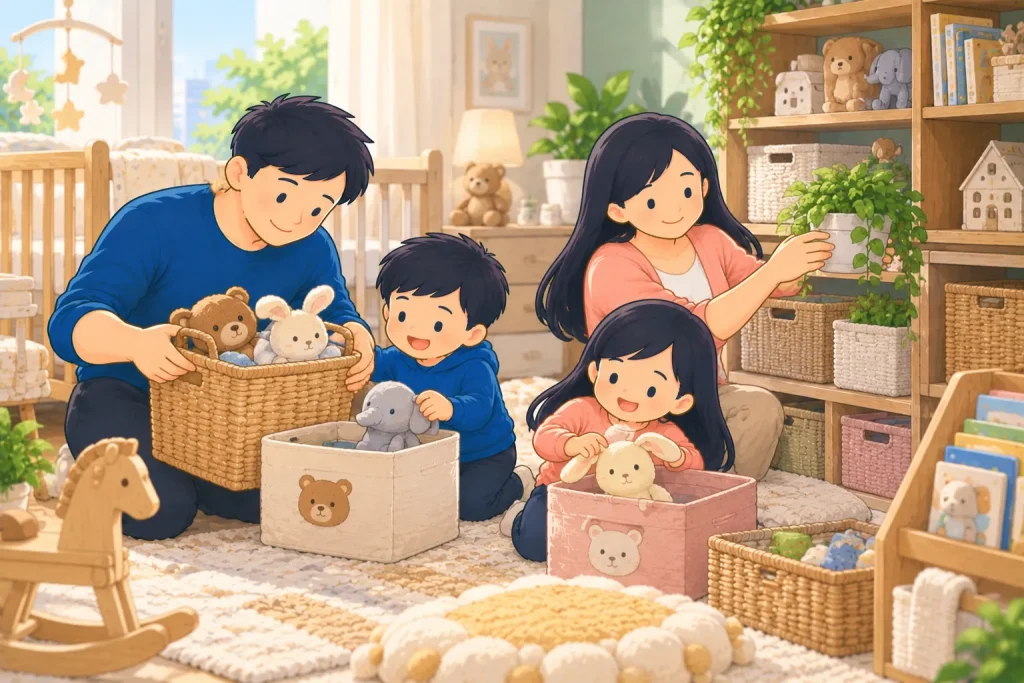
What to check: Stability (especially bookshelves — anchor to wall if tall), clean fabric without mould or pet dander, no peeling paint (lead paint concern in older items — most Malaysian stock from the last 10 years is safe, but imported vintage items may not be).
What to skip: Anything with strong chemical smell (mould remediation, fire-retardant chemicals from older furniture).
What About Maternity Items?
Maternity clothes, nursing pillows, and bumpers are generally safe to buy secondhand for the same reasons as baby clothes and decor. They don’t touch the baby’s mouth, don’t have safety-critical mechanical components, and the depreciation from “new” is steep. Buy new only if you need specific features (e.g., a hands-free pumping bra) and want the newest version.
What You Can Do This Week
1. Join one Malaysian secondhand baby-gear community — Carousell, Facebook Marketplace, or a local Cloth Diaper Malaysia group
2. List your own outgrown gear — most parents have boxes of outgrown clothes and toys accumulating; list before you forget you have them
3. Set up a simple inventory — note what gear you already have new (crib, car seat, mattress), what you need to source, what you’ll buy used
4. Read Article 2 before buying car seats, cribs, or breast pumps secondhand
5. Read Article 3 for the full cost breakdown
Frequently Asked Questions
Q: Is it safe to buy used breast pumps?
Generally no. Open-system pumps can harbour pathogens in the motor. Closed-system pumps (Spectra, Medela hospital-grade) are technically safe with fresh personal accessories but most consumer-grade pumps should be bought new. See our Series 3 breast pump guide for details.
Q: How do I check if a used car seat has been in an accident?
Every car seat that has been in a moderate or severe crash must be replaced. Ask the seller directly. Even minor fender-benders can compromise structural integrity. The NHTSA recommends replacement after any crash.
Q: What’s the resale value of baby gear?
Typically 30–60% of original retail if sold within 1–2 years of purchase. Premium brands (Stokke, Bugaboo, Uppababy) hold value better than mid-range. Seasonality matters — sell winter clothes before March, summer clothes before July.
Q: Are Malaysian secondhand platforms safe?
Generally yes for clothing, toys, books, and decor. For safety-critical items (car seats, cribs, breast pumps), inspect in person if possible or buy from reputable resellers.
Our Take
Eight of the ten major baby gear categories are safe to buy secondhand. The exceptions — car seats, cribs, mattresses, breast pumps, pacifiers — have safety or hygiene reasons that make them unsuitable. Knowing which is which can save a Malaysian family RM 2,500–5,000 in year one.
The environmental and community benefits are real too: reusing gear means less landfill, and local buy-and-sell groups build connections between parents at similar life stages. The Malaysian secondhand baby-gear market is mature and growing. Use it.
Article 2 covers the five categories you should never buy used, with specific safety standards. Article 3 breaks down the full financial picture.
The Rest of This Series
This article is part of HelloExpress’s Baby & Family secondhand gear and savings coverage:
- 5 Things You Should NEVER Buy Secondhand for Your Baby (Safety Standards Every Parent Should Know)
- How Much You’ll Actually Save Buying Secondhand Baby Gear (Malaysia + US Benchmarks)
- Series 3 — Breastfeeding & Pumping: Pump Decision Framework · Top 5 Pumps 2025 · Health Risks
- Series 2 — Tax & Wealth Planning: Federal Tax Reliefs · State Grants · Capital Allocation
- Series 1 — Insurance Planning: Newborn Insurance Gap · Company Medical Card Trap · Payor Waiver Clause
Sources
- Consumer Product Safety Commission (CPSC)
- National Highway Traffic Safety Administration (NHTSA)
- MINISTRY OF TRANSPORT MALAYSIA
- Carousell Malaysia buyer guides
- Malaysian Cloth Diaper community
About the author: Hoo is the founder of HelloExpress.net. He was a BNM-registered takaful agent earlier in his career; that license is no longer active. His coverage of Malaysian family financial planning draws on this background. This article is educational content based on general consumer safety standards. For specific product safety questions, consult the manufacturer or relevant safety authority.