
POCO X8 Pro Max Review: A Gaming Phone That Does Considerably More Than Game

Table of Contents
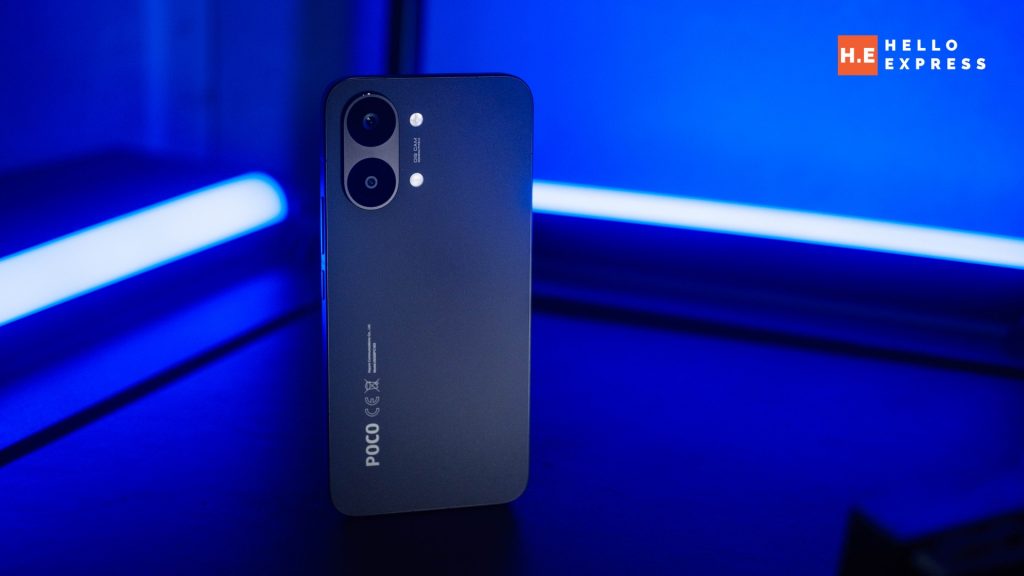
Most gaming phone reviews follow the same path: benchmark scores, frame rate graphs, thermal performance under sustained load. The POCO X8 Pro Max deserves that coverage and gets it here. But the phone we spent time with turned out to be more interesting than its spec sheet positioning suggests, and a review that only covers the gaming side would be leaving the better story untold.

What We Like About the POCO X8 Pro Max
512GB at RM2,099: The Specification That Changes the Conversation
At RM2,299, the POCO X8 Pro Max is almost certainly the most affordable Android phone in Malaysia shipping with 512GB of UFS 4.1 storage. Most phones at this price bracket offer 256GB. The jump to 512GB is not a marginal upgrade — it is the difference between managing storage and not thinking about it.
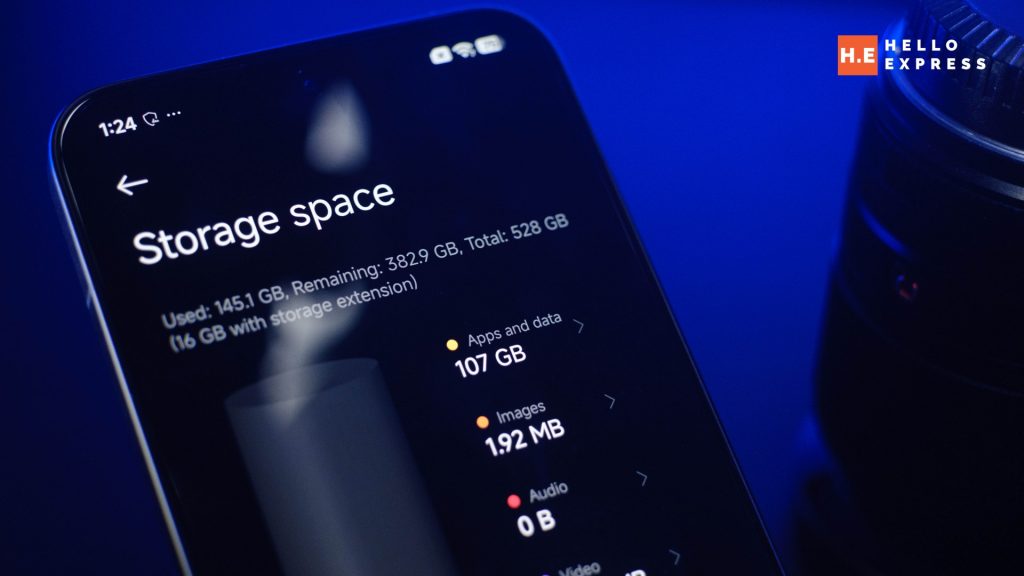
In practical terms this means your full music library, offline maps, downloaded shows for long flights, game installations, and accumulated app data coexist without the quarterly ritual of deciding what gets deleted. For the use cases explored later in this review — a local LLM model, a code server with project files, a media archive for Plex or Kodi — 512GB is the enabling specification. Without it, those use cases involve uncomfortable trade-offs. With it, they are straightforward.
Gaming Performance: Two Out of Three at Maximum, Honestly
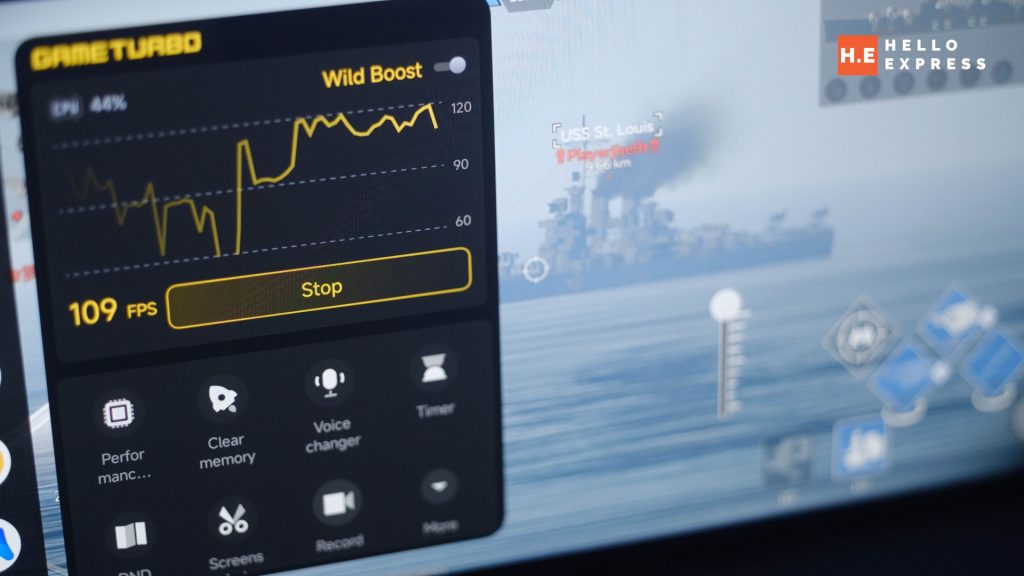
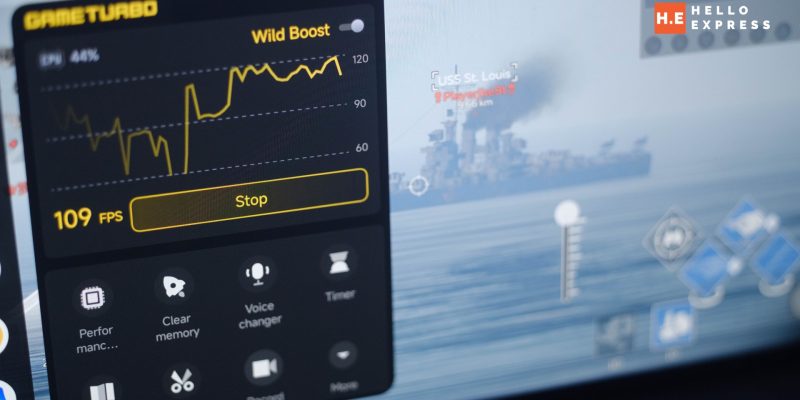
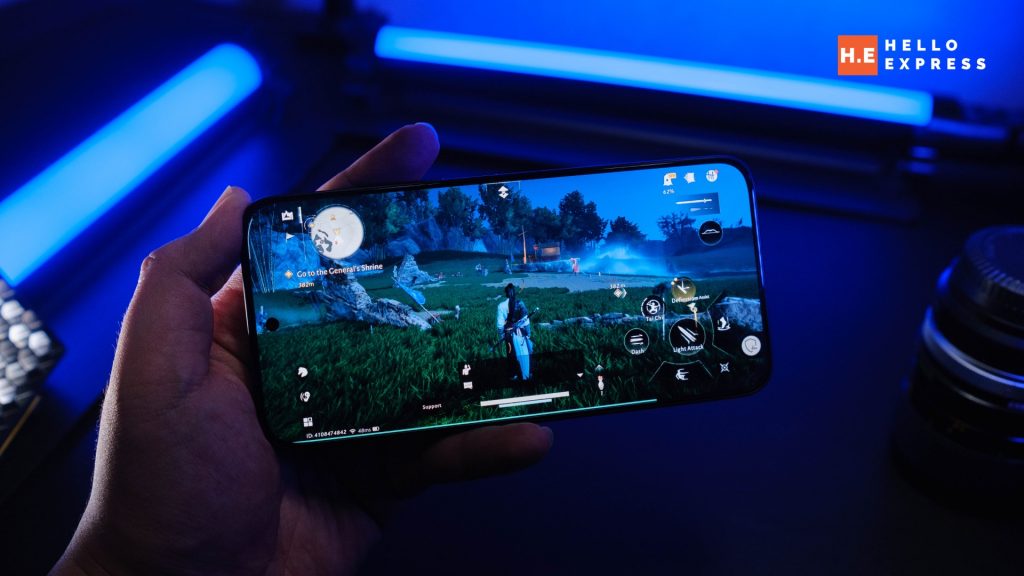
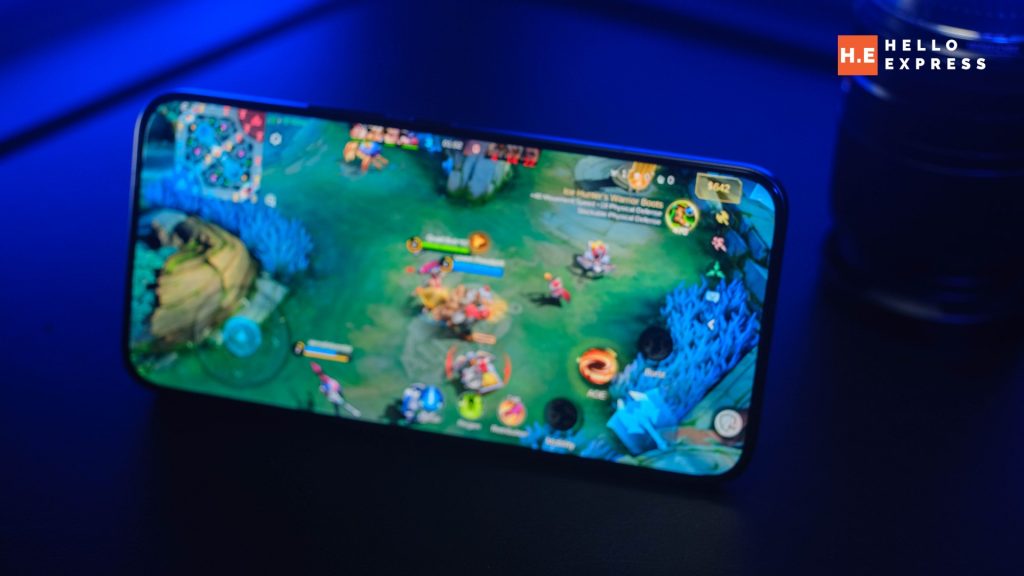
Mobile Legends: Bang Bang and War Thunder both ran at maximum settings without perceptible frame drops or thermal throttling during test sessions. Both titles felt stable and smooth throughout — competitive play is fully supported and the display’s responsiveness under gaming conditions is genuinely strong.

Where Winds Meet is the exception. At 60fps there is a consistent jitter amounting to roughly two missing frames per second — noticeable with a frame rate counter, perceptible in motion without one. The game remains playable and visually impressive. But this is the 9500S prime core ceiling under the most GPU-demanding title we tested, and it is worth knowing before purchase if Where Winds Meet is your primary game. The full Dimensity 9500 would likely close that gap.
Battery Life: 15 Hours 25 Minutes, Full Brightness, Standardised Test
UL Benchmark Work 3.0 runs a continuous productivity loop — document editing, web browsing, video playback — at maximum screen brightness until zero. It is the harshest standardised battery test available and the most useful for cross-device comparisons because the conditions are identical regardless of who runs it.
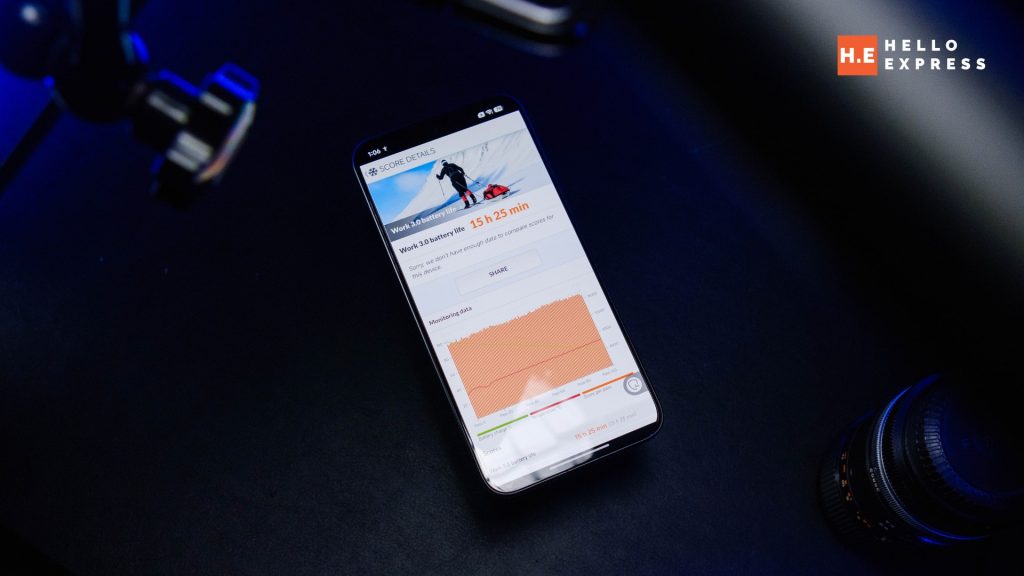
15 hours and 25 minutes. Most current flagships in the RM2,000–3,000 bracket score between 10 and 14 hours on this test. The X8 Pro Max clears the top of that range. For a typical Malaysian day — morning commute, full work day, evening use — this phone does not require a midday charge.
For the direct comparison: the iQOO 15R scored 17h 13min on the same test with a smaller 7,600mAh cell. The Snapdragon 8 Gen 5’s 3nm efficiency advantage over the Dimensity 9500S is real and the battery test confirms it. The X8 Pro Max lasts a long time. The 15R lasts longer. Both last a full day. That context belongs in the review.
Display: Ultra-Bright, Fast, and an Optician’s Read on the One Caveat
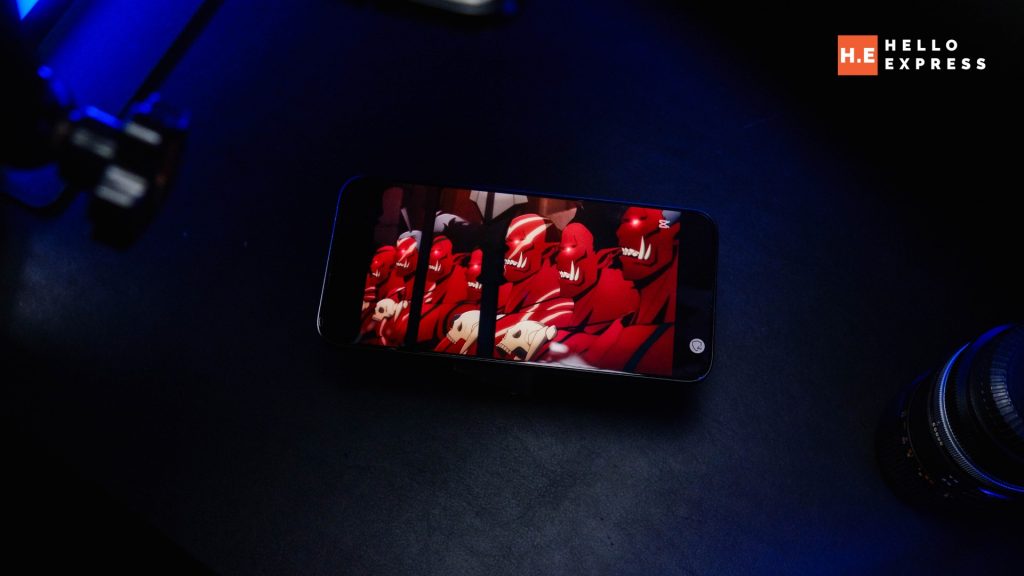
The 6.83-inch 1.5K AMOLED earns its ultra-bright billing in daily Malaysian use. Outdoor visibility in direct sunlight is excellent — the kind of brightness that makes reading messages at a mamak table comfortable rather than squint-inducing. In gaming, touch responsiveness is immediate and the display keeps up with fast-paced content across all three test titles without any perceptible smearing.
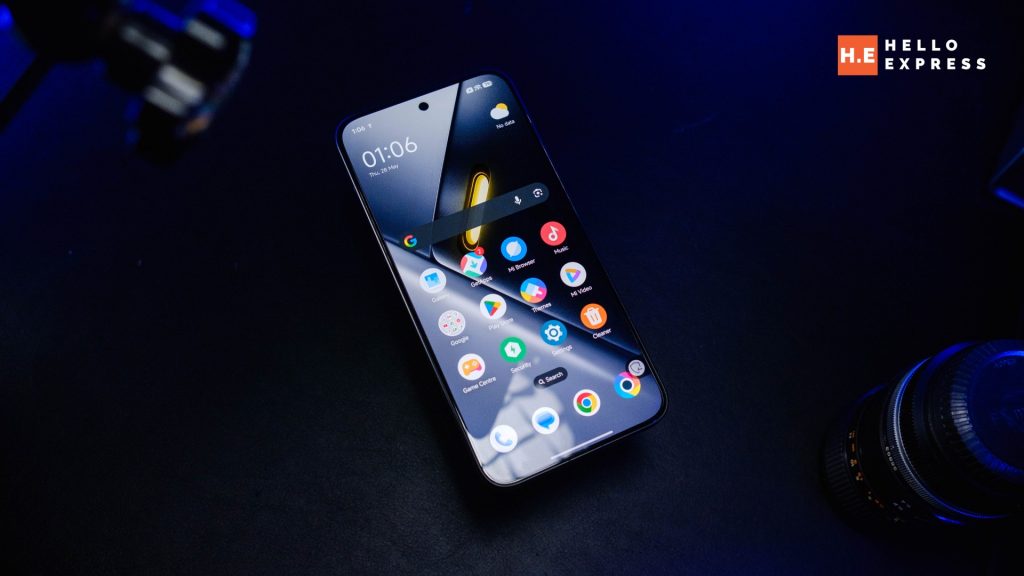
One honest observation from an optician’s perspective: there is a slight colour washout visible during home screen and app navigation. It is not present during in-game content, where the display’s colour rendering is strong. The most likely explanation is the default colour profile applying different processing to UI rendering versus full-screen content. It is minor, it does not affect the core gaming use case, and switching to a more accurate colour mode in display settings is worth trying if it bothers you.
12GB RAM LPDDR5X Clears the 9B On-Device AI Ceiling
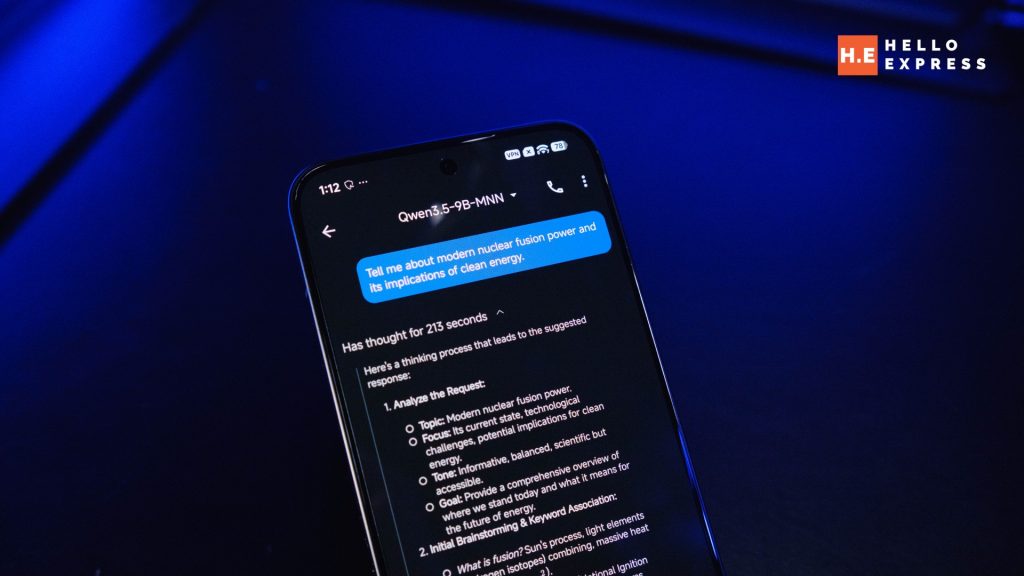
This finding comes with direct context from our LLM series. The Xiaomi Pad 8 Pro, running 8GB of RAM, failed to load Qwen 3.5-9B via MNN Chat entirely — out of memory, no response, model unusable. The X8 Pro Max, running 12GB, loads the identical model and generates responses.
| Device | Chip | RAM | 9B Model | Prefill | Decode |
| SD 7 Gen 4 | 12GB LPDDR5X | ✅ | 12.72 t/s | 4.74 t/s | |
| POCO X8 Pro Max | D9500S | 12GB LPDDR5X | ✅ | 27.42 t/s | 6.42 t/s |
Decode speed of 6.42 tokens per second means a conversational reply of around 200 tokens arrives in roughly 31 seconds. A 500-token detailed explanation takes about 78 seconds. These are not instant responses. They are functional responses, generated entirely on-device, with no internet connection, no API subscription, and no data leaving the phone. For sensitive queries — legal questions, medical questions, confidential business context — that distinction matters.
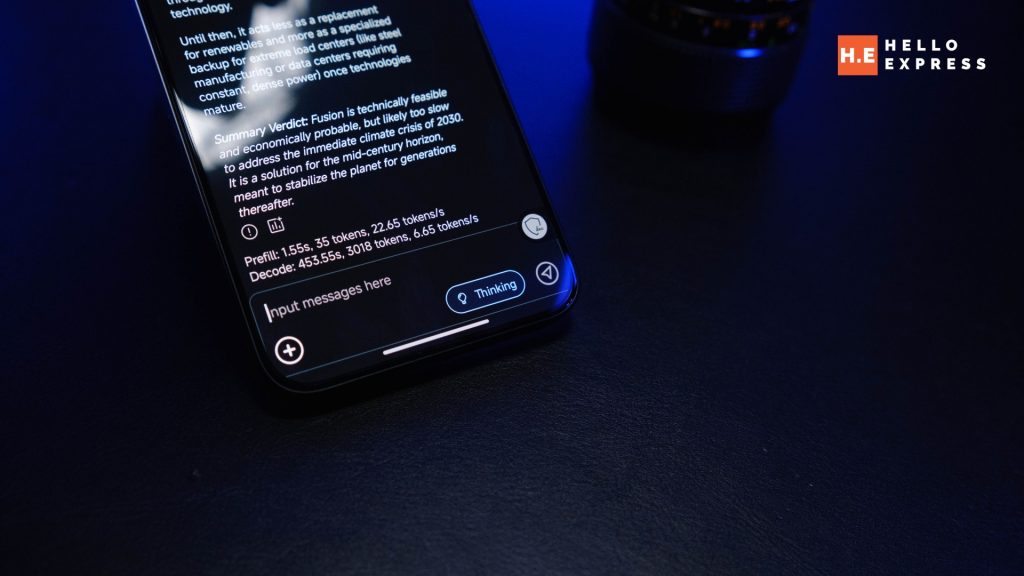
The chip class advantage is also visible here. The Dimensity 9500S prefills at 27.42 t/s versus the vivo V70’s 12.72 t/s on the same model — a 2.15× difference driven by raw compute. RAM gets you into the conversation. Chip class determines how fast it goes.
What We Don’t Like About the POCO X8 Pro Max
It Runs Warm — and the Bundled Case Makes It Worse
Under sustained gaming or LLM inference sessions, the X8 Pro Max runs warm. Noticeable heat along the upper half of the chassis after 30 minutes of Where Winds Meet is consistent. The 3D IceLoop cooling system keeps performance stable throughout — we did not observe thermal throttling in any of the three test titles — but the heat is present and you will feel it in your hand.
The bundled black silicone case compounds this problem meaningfully. It traps heat against the chassis in a way that turns warm into noticeably hot during extended sessions. Remove it for any performance workload. Test with and without it and the difference is immediately apparent. POCO includes it as a reasonable everyday carry accessory. As a gaming case it is counterproductive. If you game seriously, budget for a thinner alternative or go caseless.
USB-C 2.0: The Specification That Costs You Across Every Use Case
USB-C 2.0 is the single hardware decision on the X8 Pro Max that has the most consistent negative impact across daily use. The theoretical ceiling of 480 Mbps translates to roughly 150 to 160 Mbps in real-world Android tethering — we measured 156 Mbps in testing. On a home fibre connection capable of 600 Mbps, that is a meaningful gap.
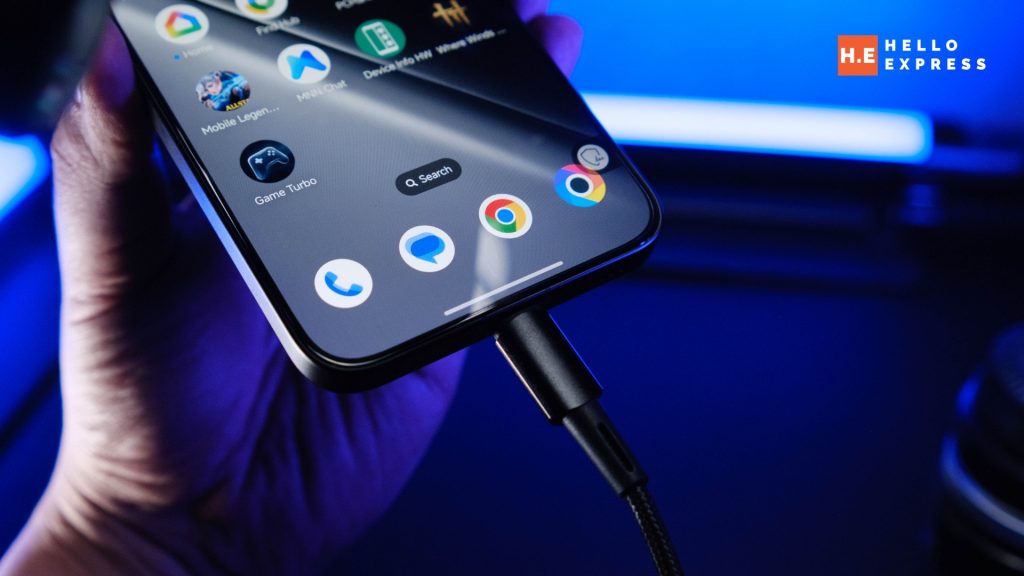
For the privacy router use case, it caps the tethered laptop’s throughput regardless of the WiFi available. For file transfers between phone and PC, large media or project folders take longer than they need to. For peripheral connectivity via a USB-C dock, the bandwidth ceiling limits what you can run simultaneously. At RM2,099, USB-C 3.2 is not an unreasonable expectation. Its absence is felt.
Where Winds Meet Jitter: The 9500S Variant Honesty
This is covered in the gaming section above but warrants its own entry in this list because it is the finding that matters most if Where Winds Meet is your primary title. The jitter is consistent, and it is a function of the underclocked prime core in the 9500S variant rather than thermal throttling or software optimisation.
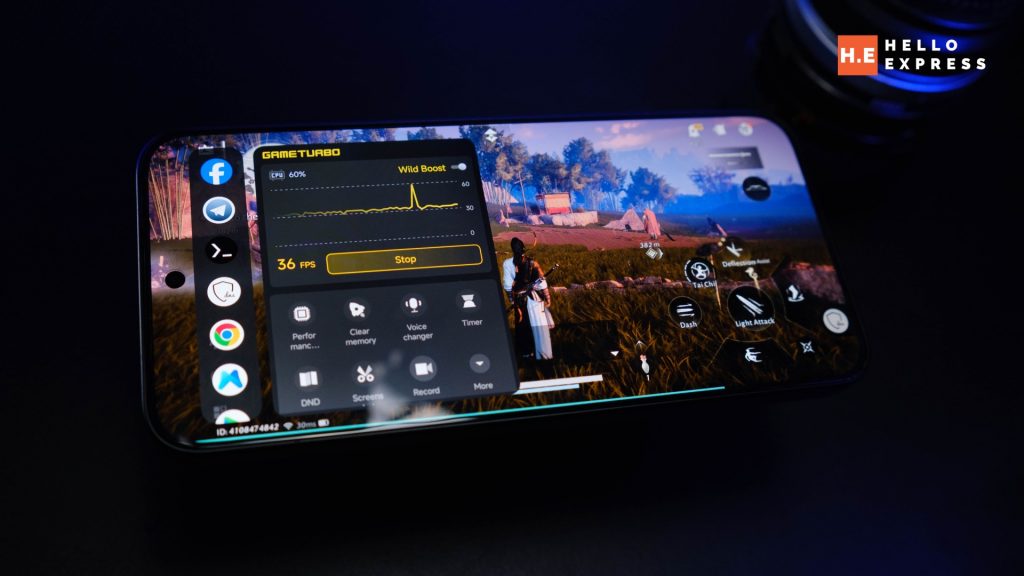
Mobile Legends and War Thunder users will not encounter it. For those two titles the X8 Pro Max is an excellent gaming phone at this price. For Where Winds Meet players specifically, the full Dimensity 9500 would be the appropriate chip. Confirm the variant on the shelf before purchasing.
Home Screen Slight Colour Washout: Minor, but Present
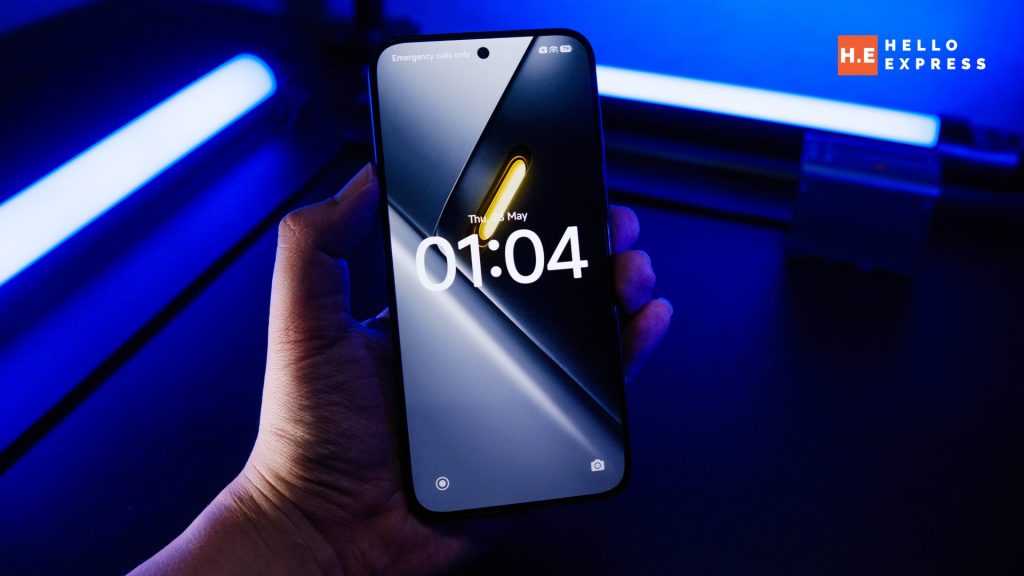
The slight colour washout visible during home screen navigation has already been addressed in the display section. It earns a mention here because it is a consistent observation rather than an isolated incident, and buyers who care about colour accuracy outside of gaming should be aware of it. It does not affect in-game performance. Adjusting the display colour profile in settings is the recommended first step.
Verdict
The POCO X8 Pro Max is a gaming phone with a clearly defined ceiling and a surprisingly wide floor. The ceiling is the 9500S variant under maximum GPU load in the most demanding titles, and the heat that sustained performance generates without adequate case management. Both are real and worth knowing.
The floor is broader than any gaming phone review typically maps. 512GB at RM2,299. 12GB RAM that crosses the on-device 9B AI threshold. A tested privacy router setup that scores 96/100. A pocket VS Code server that pulled the Linux kernel. A battery that runs for over 15 hours at full brightness.

Not every buyer needs all of those capabilities. But the phone has them, they work, and no competing device at this price delivers the same combination of storage and RAM that enables them. For the buyer who knows what to do with 512GB and 12GB of RAM beyond running games, this is the most interesting phone in its bracket.
Help support us!
If you are interested in the POCO X8 Pro Max we would really appreciate if you purchase it via the links below. These affiliate links won’t cost you any extra, but it will be a great help to keep our lights on here at HelloExpress.
- POCO X8 Pro Max (Shopee): https://s.shopee.com.my/2g8J1MaMz2?share_channel_code=1
- POCO X8 Pro Max (Lazada): https://s.lazada.com.my/s.ZYFyOc?c=b&t=p-iGCH4cN-s2FAW5er
Other use we figure out with the POCO X8 Pro Max
Privacy Router: Your Phone as a Filtering Gateway on Hotel WiFi
Public WiFi in Malaysia carries risks that most users underestimate. Hotels, mamak stalls, and shopping malls frequently commission their WiFi infrastructure to third-party providers with full traffic visibility. Some have historically injected advertising scripts into HTTP sessions.
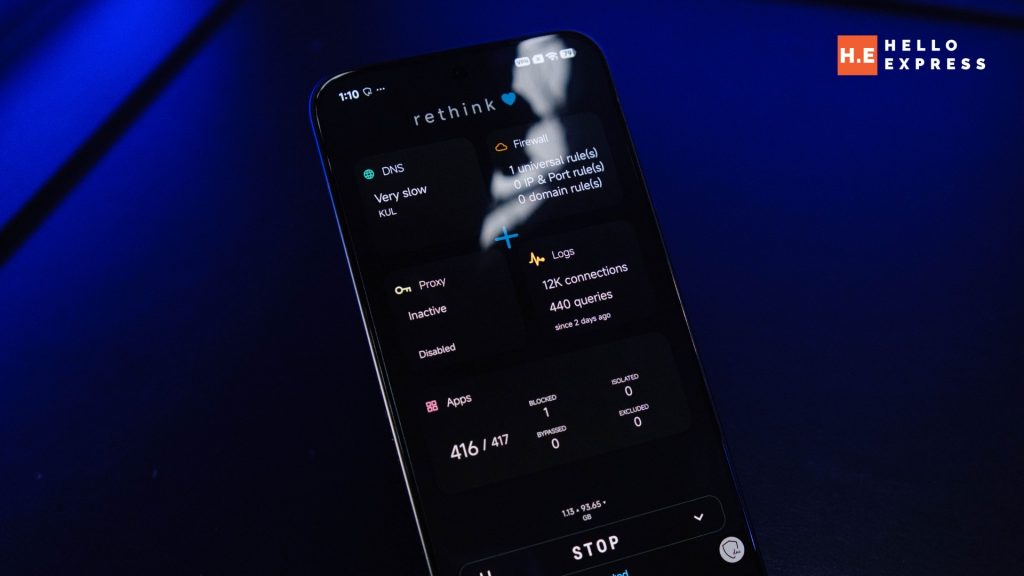
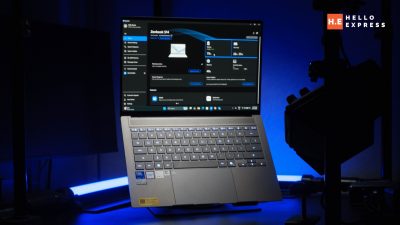
With RethinkDNS installed on the phone and a laptop connected via USB tether rather than directly to the WiFi, the security picture changes significantly. The laptop is no longer a directly addressable node on the hostile network. Wireless sniffing of the laptop’s traffic is not possible because the laptop is not on the wireless network at all. We tested this on a real network: adblock score improved from 75/100 unfiltered to 96/100 through the phone. Hotjar, Yandex Metrica, Sentry, and BugSnag — all blocked.
Pocket Code Server: Full VS Code from a Browser, Served from a Phone
code-server is VS Code repackaged to run as a web server. Install it on the phone via Termux, configure it to listen on the local network, and any browser on any nearby device opens a fully functional VS Code instance. The phone is the compute. The laptop is just a screen.
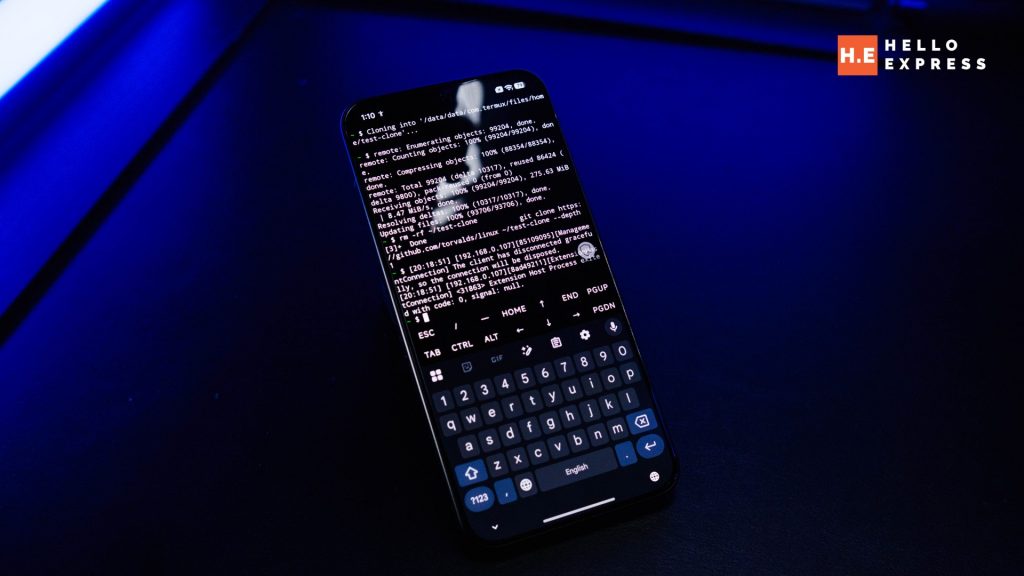
Test results: Node.js v26.2.0, Python 3.13.13, Git 2.54.0 — all current stable releases. Extensions install near-instantly. HyperOS did not kill the background server process through two minutes of screen-off. From inside the VS Code terminal running on the phone, we cloned the Linux kernel repository: 99,204 objects, pulled cleanly.
The 512GB storage is what makes this practical rather than a curiosity. Your project files, cloned repositories, and dependencies live on the device. For a developer travelling with a secondary machine, or working somewhere they cannot carry their primary setup, this is a complete and tested fallback. Full guide: HelloExpress Pocket Code Server article.
POCO X8 Pro Max
The POCO X8 Pro Max is a gaming phone with a clearly defined ceiling and a surprisingly wide floor.
Positives
- 512GB UFS 4.1 at RM2,299 — most affordable 512GB Android in Malaysia
Negatives
- Runs warm under load — bundled silicone case traps heat noticeably