

OPPO Find X9S Review: The Best Video Phone You’ll Never See Advertised Right

Table of Contents
The OPPO Find X9S has an identity problem that has nothing to do with the phone itself. OPPO is marketing it against performance flagships — pitting it in a spec comparison against phones where raw benchmark numbers define the conversation. That is the wrong fight, and the Find X9S loses it before the first frame is rendered.

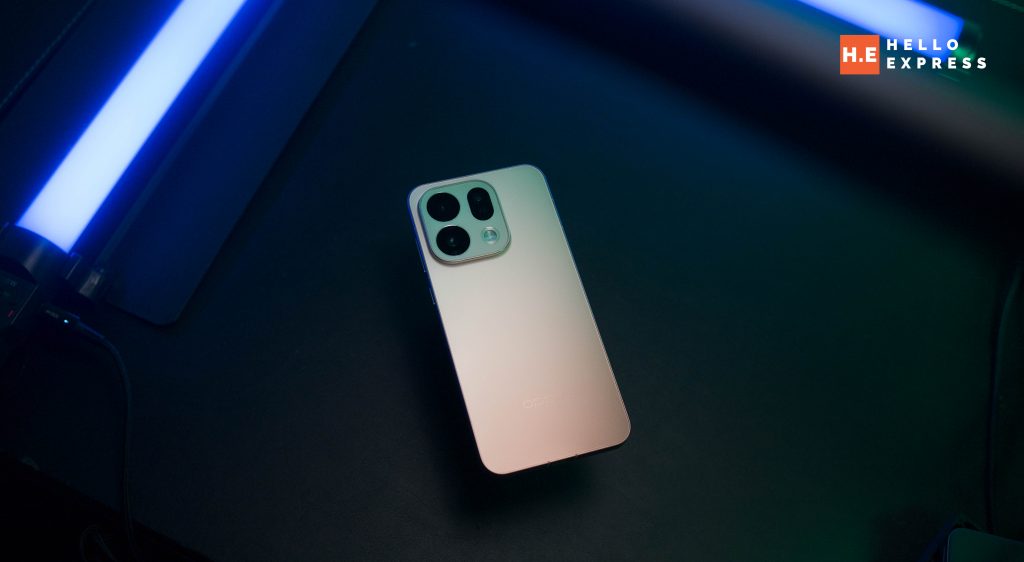
The right conversation is this: for RM3,699, the Find X9S is the most capable mobile video grading pipeline available in Malaysia. If you shoot footage and open DaVinci Resolve to grade it, this phone earns its asking price. If you never will, buy something else. That clarity is what the marketing refuses to provide — so we will.
What We Like About the OPPO Find X9S
ProXDR + Dolby Vision 4K 60fps — A Grading Pipeline That Actually Delivers
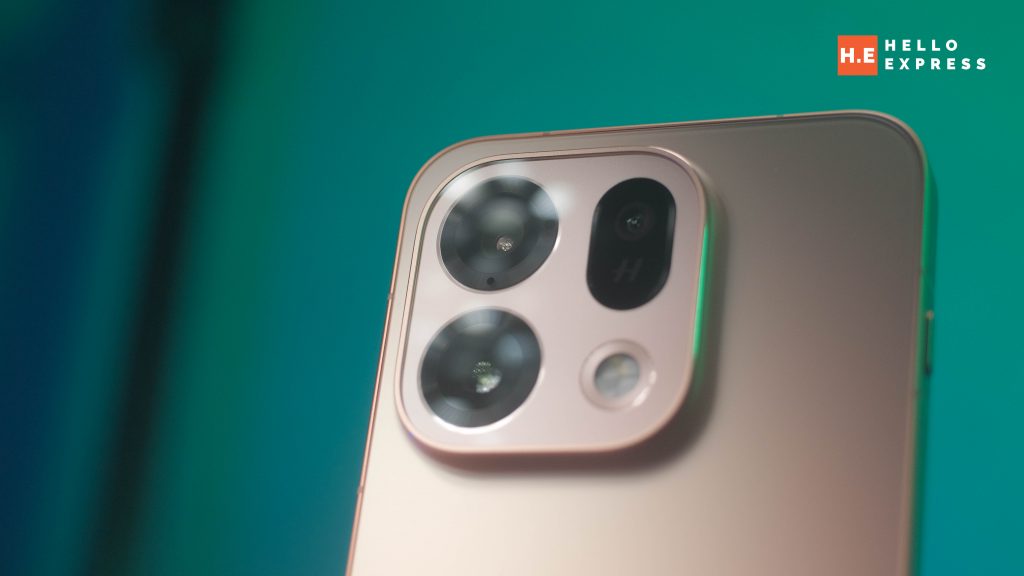
ProXDR is OPPO’s proprietary HDR video format, and it is the reason this phone exists. Shooting in ProXDR records in a wide dynamic range format that retains dramatic headroom in both highlights and shadows — the kind of latitude that, until recently, required a dedicated cinema camera to capture.
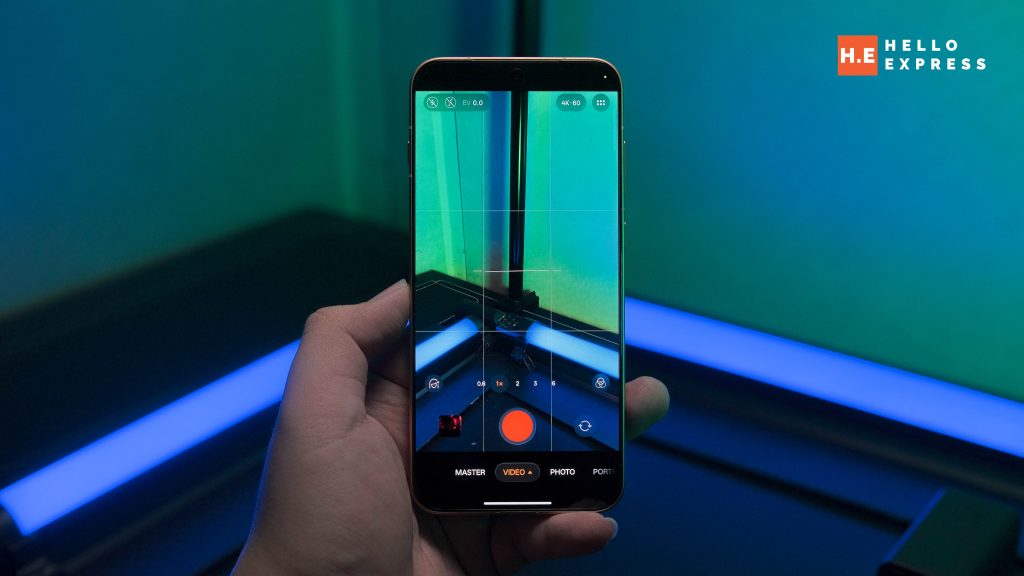
The DaVinci Resolve workflow is straightforward for anyone already familiar with the software. Set input colour space to DaVinci Wide Gamut, input gamma to Rec. 2100 HLG, output colour space and gamma to Rec. 709, and you are grading. The format’s highlight recovery is the standout capability: footage that looks blown out in a washed sky or overexposed interior recovers to workable — sometimes beautiful — light when pulled down in the grade. That is not a filter. That is retained data.
The Dolby Vision certification means the footage is calibrated to a verified standard, not just a manufacturer’s in-house claim. Combined with 4K at 60fps, the output is genuinely professional-tier for social, documentary, and editorial work. The TikTok embed in this article shows graded footage from our test session. The before/after speaks louder than any spec sheet.
One honest limitation: ProXDR is OPPO-proprietary. The grading payoff requires knowing DaVinci Resolve. Casual shooters who hand this phone to a family member on holiday will not extract the value. This phone rewards the operator who knows what they’re doing with it.
Hasselblad Colour Science — Stills That Are Genuinely Excellent
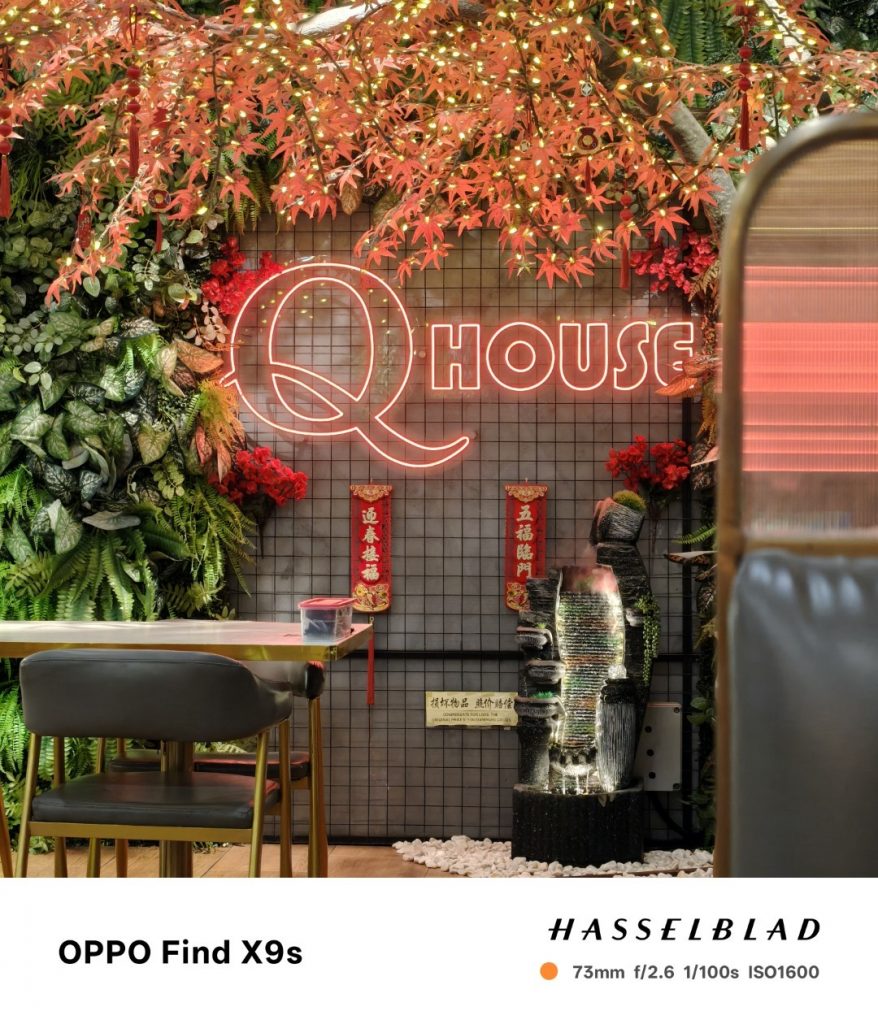
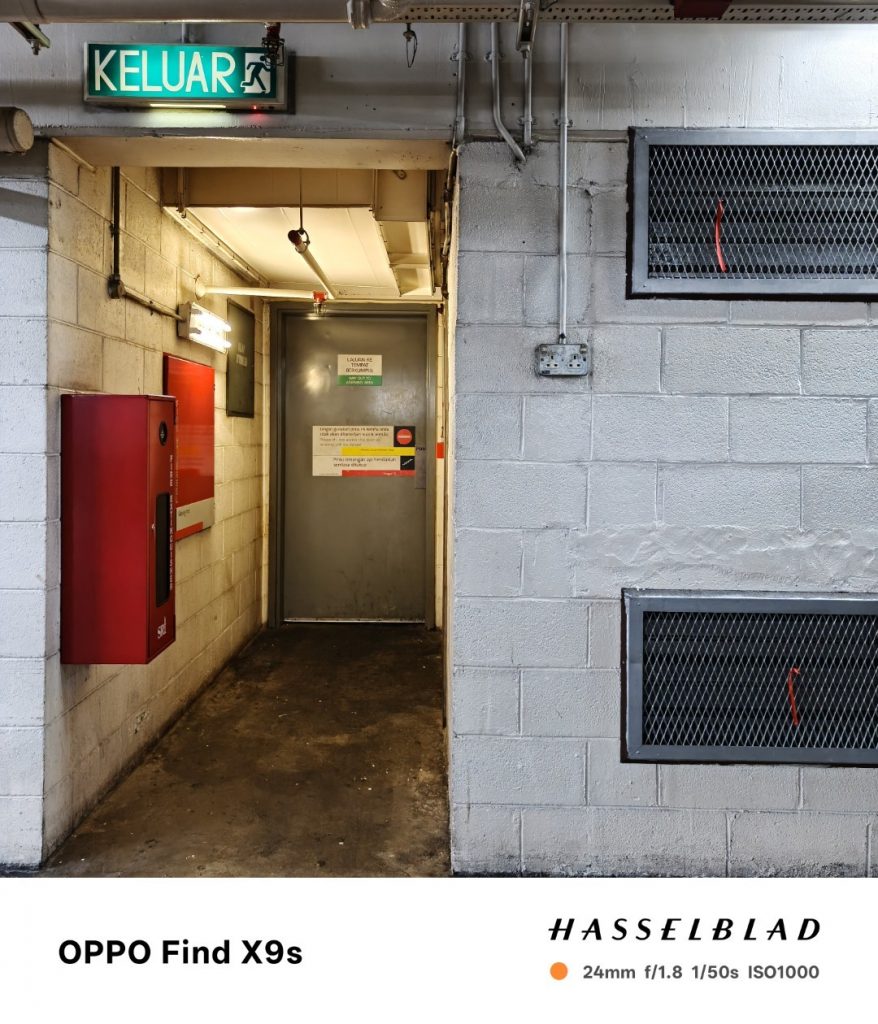
The still camera performance is where personal preference enters the picture — and we’ll be upfront about it. The Hasselblad colour tuning on the Find X9S produces images with a natural, film-adjacent rendering that this reviewer favours over Zeiss’s more clinical output. Colour science is subjective. This is our read, stated as such.
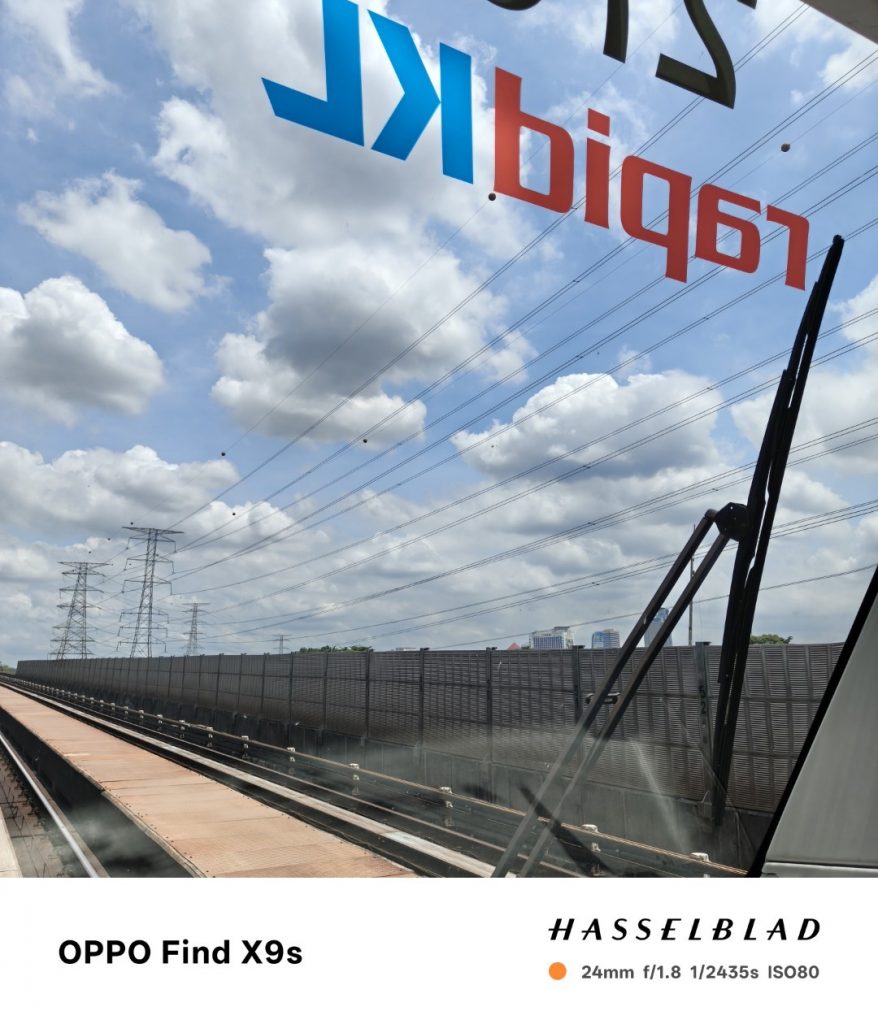
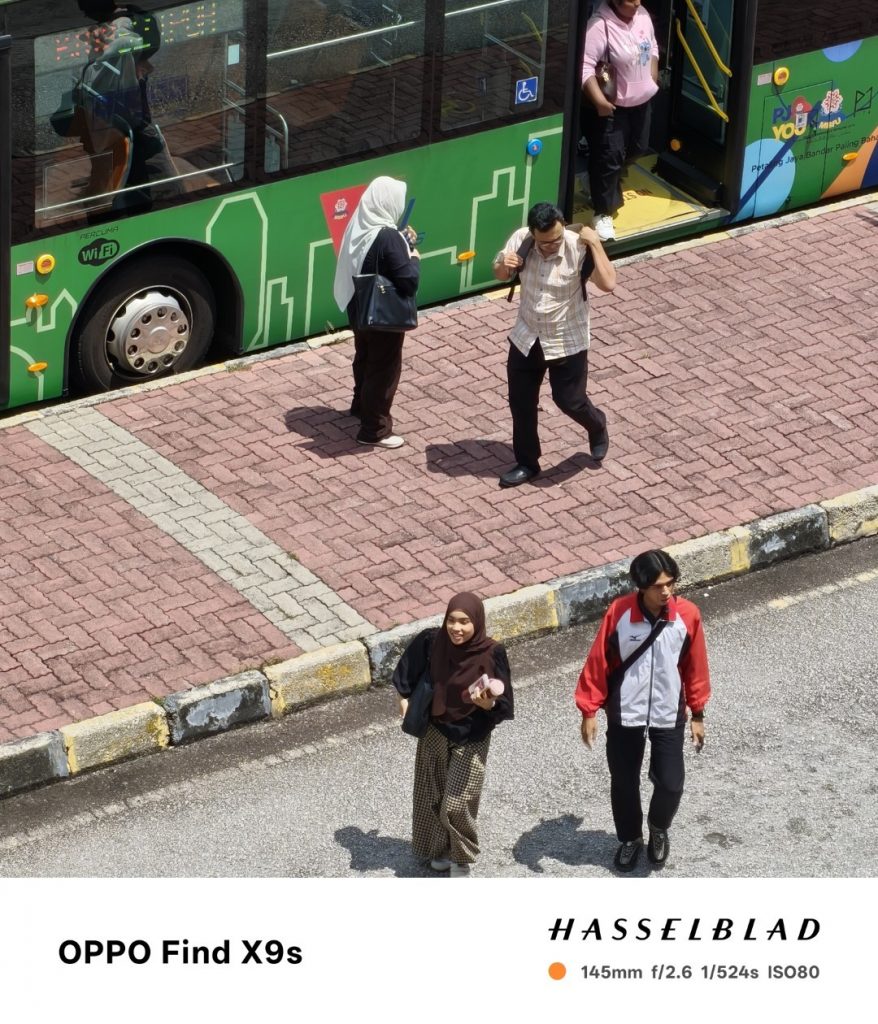
What is not subjective: the 50MP Sony LYT-700V sensor with OIS produces images with real sharpness and colour accuracy. Hasselblad’s calibration keeps skin tones grounded and avoids the oversaturation that cheaper processing introduces. For editorial photography, product shots, and portrait work, the results are among the strongest in this bracket.
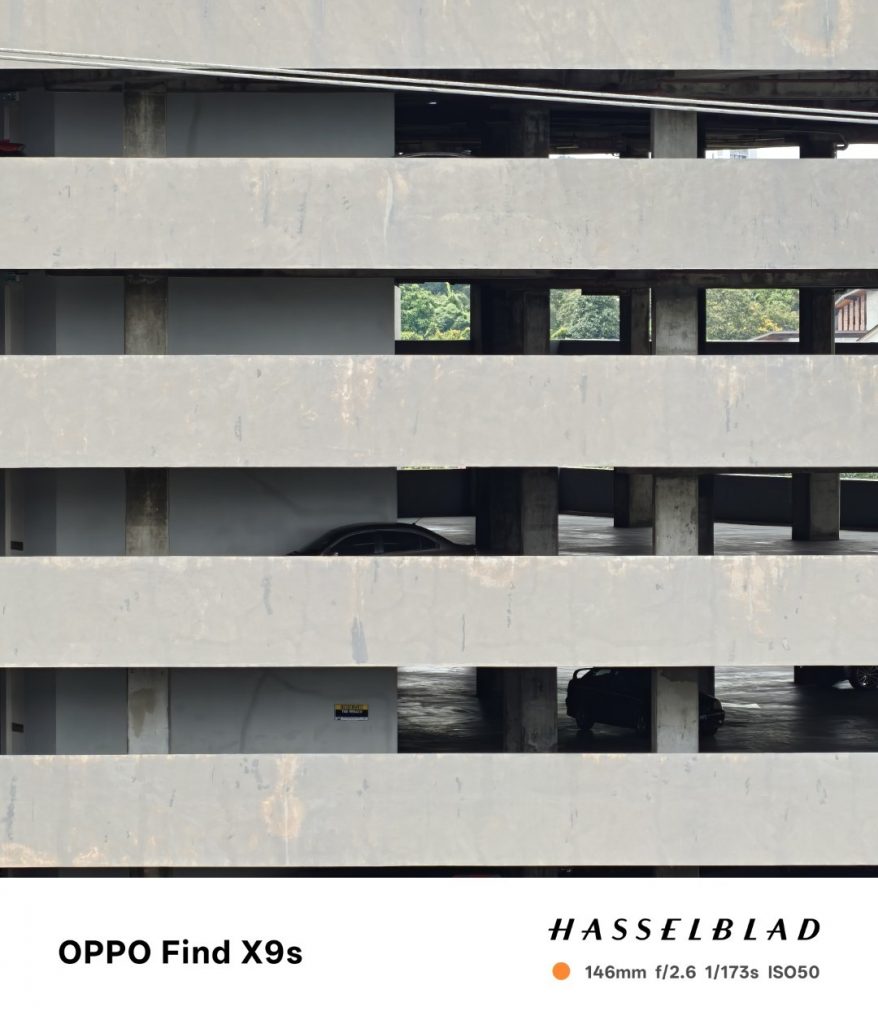
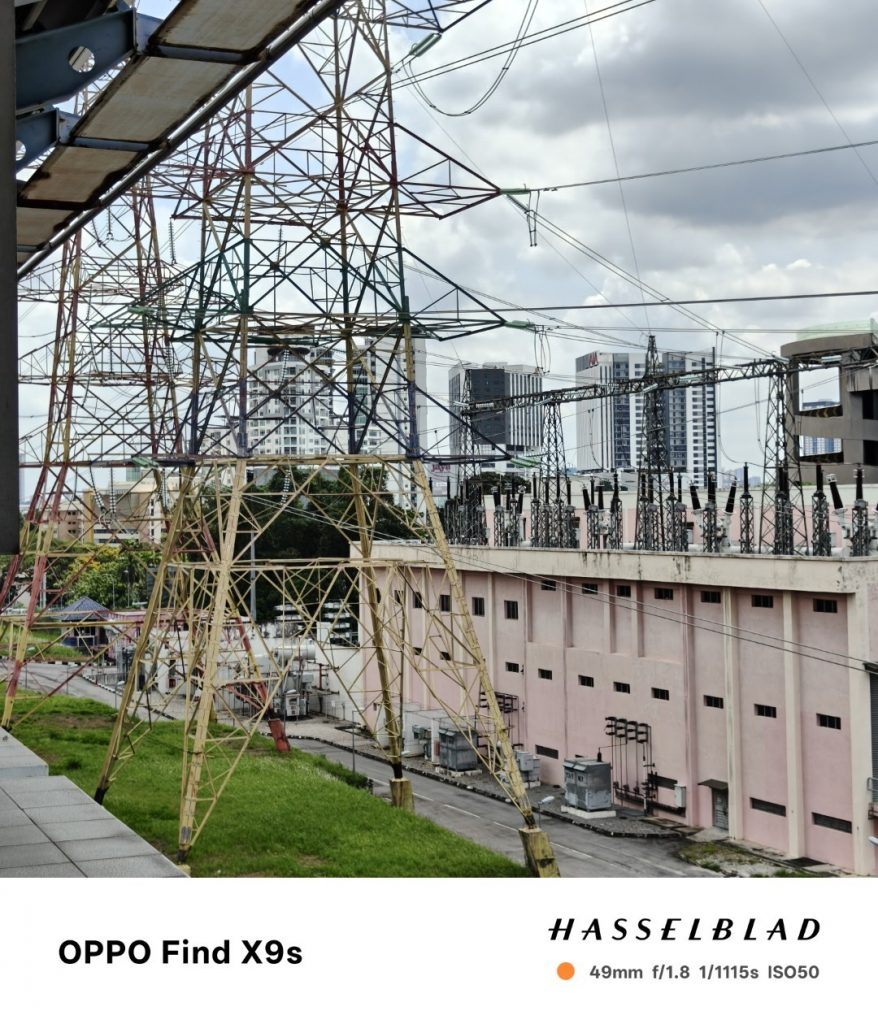
The limitation worth noting clearly: there is no dedicated telephoto lens. The 2x lossless zoom is achieved through sensor cropping, not optical hardware. At RM3,699, that is a real gap — both the Xiaomi 17 and vivo X300 offer optical telephoto. If versatile zoom range is a priority, this is a genuine reason to look elsewhere.
Battery Life: 18 Hours 12 Minutes at Full Brightness
PCMark Work 3.0 battery life test at full screen brightness: 18 hours and 12 minutes. That number is not typical for a phone in this bracket. It is not close to typical.
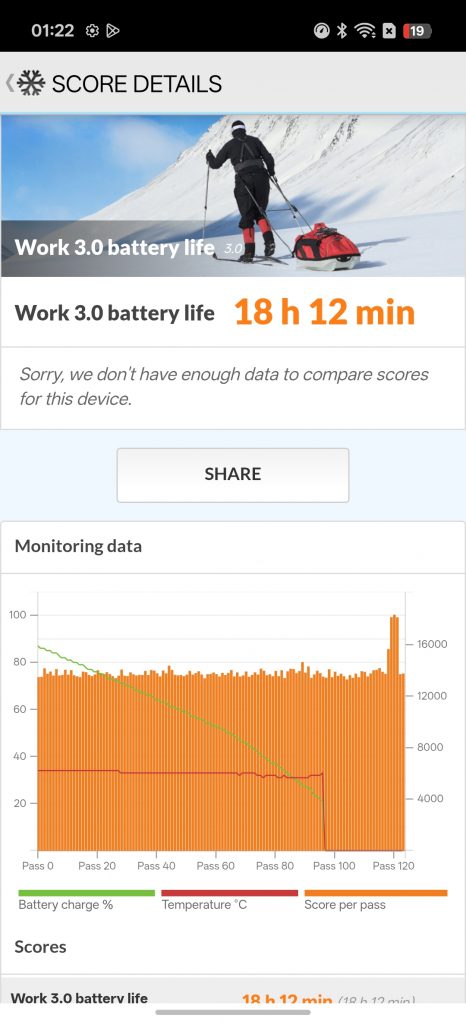
In daily Malaysian use — a full commute, a working day of media consumption, an evening of gaming, navigation, and social media — the Find X9S does not reach critical battery territory. For journalists and creators on assignment, the inability to run out of power before wrapping a shoot is a practical professional advantage. The phone that keeps going when you can’t find a power point is worth something.
Gaming: Max Settings, Smooth, With Ray Tracing
Three games tested at maximum graphical settings: Mobile Legends, War Thunder, and Where Winds Meet. All three ran smoothly without frame rate instability or thermal throttling under sustained play.
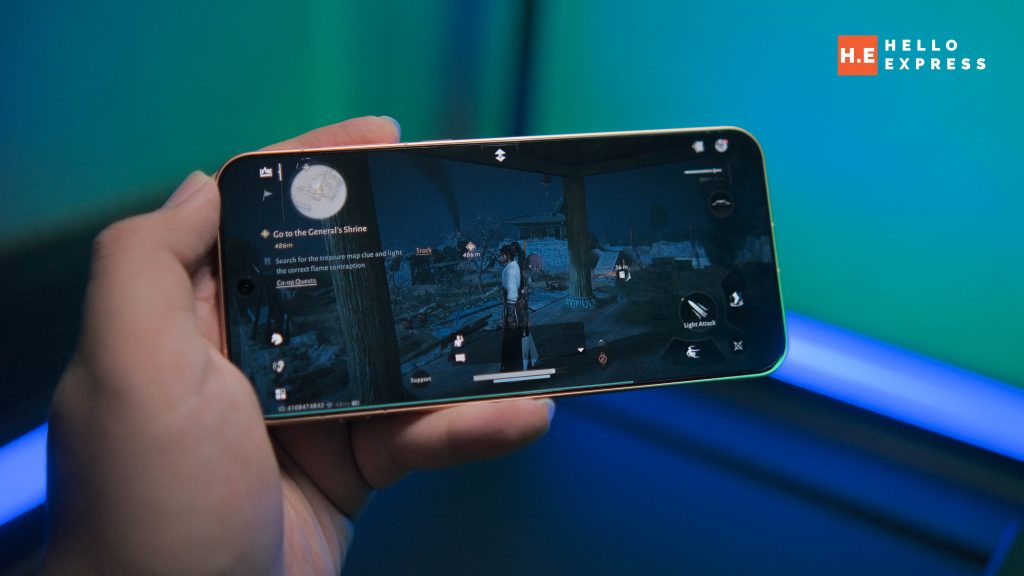
War Thunder with ray tracing enabled is the notable finding. Ray tracing at any frame rate on a mobile device is not standard, and at RM3,699 it is a genuine differentiator over most competing phones in this price range. The effect is visible in reflective surfaces and lighting transitions in the game’s environments. For players who have made War Thunder a serious hobby, this matters.
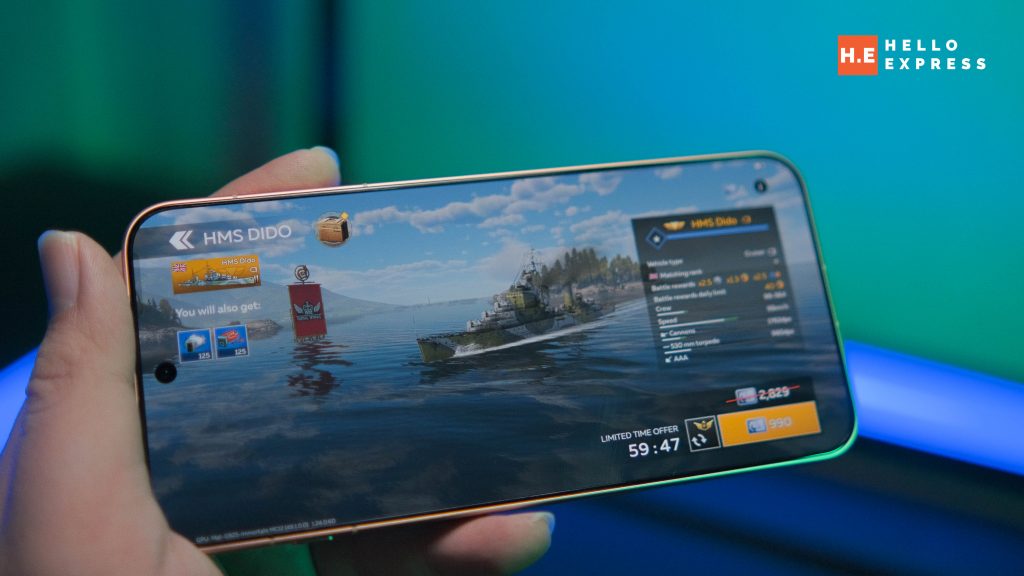
Where Winds Meet and Mobile Legends confirmed the phone’s sustained performance headroom. Neither game is as GPU-demanding as War Thunder, but both serve as confirmation that the platform handles the full spectrum of current Malaysian mobile gaming without compromise.

What We Don’t Like About the OPPO Find X9S
The Pricing is confusing
RM3,699 positions the Find X9S in direct comparison with two phones that expose the value proposition clearly. The Xiaomi 17 at RM3,399 is RM300 cheaper, also offers Dolby Vision Log recording, and carries Leica’s colour certification. The vivo X300 at RM4,099 costs RM400 more but adds 4K 120fps, a Zeiss-certified module lens system, and genuine optical zoom versatility.
The Find X9S beats the Xiaomi 17 on grading headroom — ProXDR’s dynamic range recovery is superior to Dolby Vision Log in our testing — and beats it on colour science if you align with Hasselblad’s rendering philosophy. But RM300 is a meaningful premium to ask on those grounds alone. Against the vivo X300, the Find X9S offers better colour science and Hasselblad prestige but loses on frame rate, optical zoom, and the module lens ecosystem.
It sits in the middle because it is in the middle. That is not a dealbreaker, but it requires the buyer to be clear-eyed about what they are paying for.
Low Light Video Has a Sensor Ceiling
Low light video is functional but unremarkable. Noise becomes visible as ISO climbs in dim conditions, and fine detail softens in proportion. This is not a failing of ProXDR — it is the hard ceiling of sensor size. The technology is sound; the hardware it sits on has physical limits that no software pipeline fully compensates for.
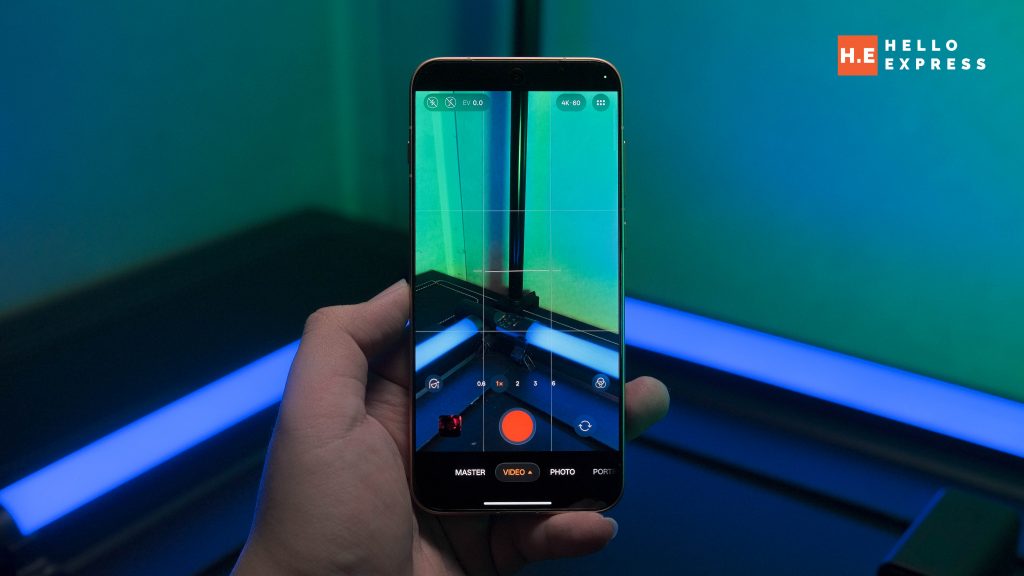
Manage your lighting, and the grading pipeline rewards you. Expect the low light performance of a dedicated mirrorless camera, and you will be disappointed. For run-and-gun shooting in controlled or well-lit environments, the limitation rarely surfaces. For available-light journalism in genuinely dark settings, it is a real constraint.
ProXDR Value Is Contingent on Color Grading Proficiency
The headline capability of this phone requires a skill investment that OPPO’s marketing does not surface. ProXDR footage shot and shared directly to social media without grading looks flat — that is by design, as the format retains latitude for post-processing rather than applying in-camera contrast and saturation. A user who does not grade will find the raw ProXDR output underwhelming compared to a phone that applies aggressive in-camera processing.
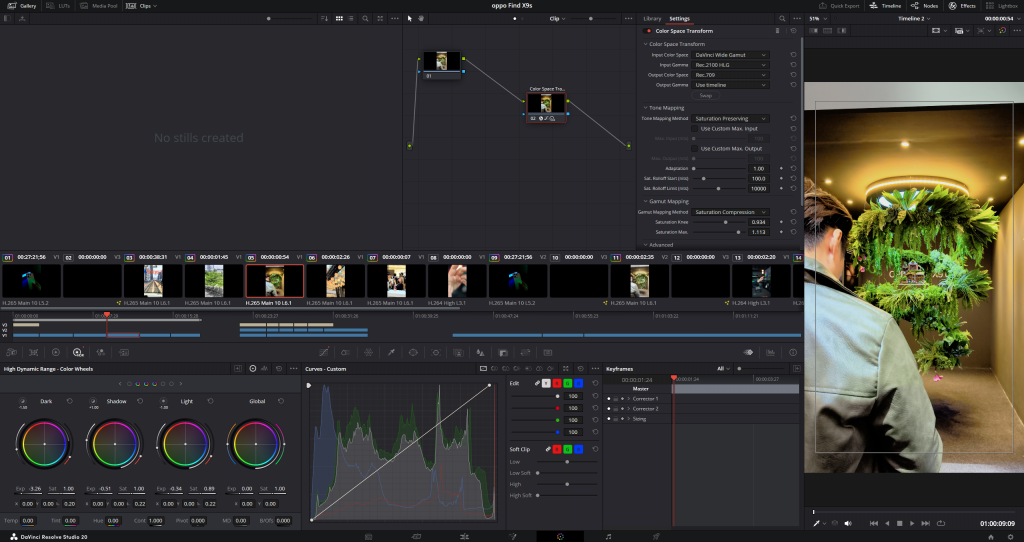
This is an honest architectural tradeoff, not a defect. But it means the phone’s primary differentiator is inaccessible to buyers who do not know what a colour space is. If OPPO marketed this phone correctly, that buyer would self-select out. Since they do not, we are flagging it here.
Verdict
The OPPO Find X9S is not the phone OPPO is marketing. It is better than that phone — and narrower.
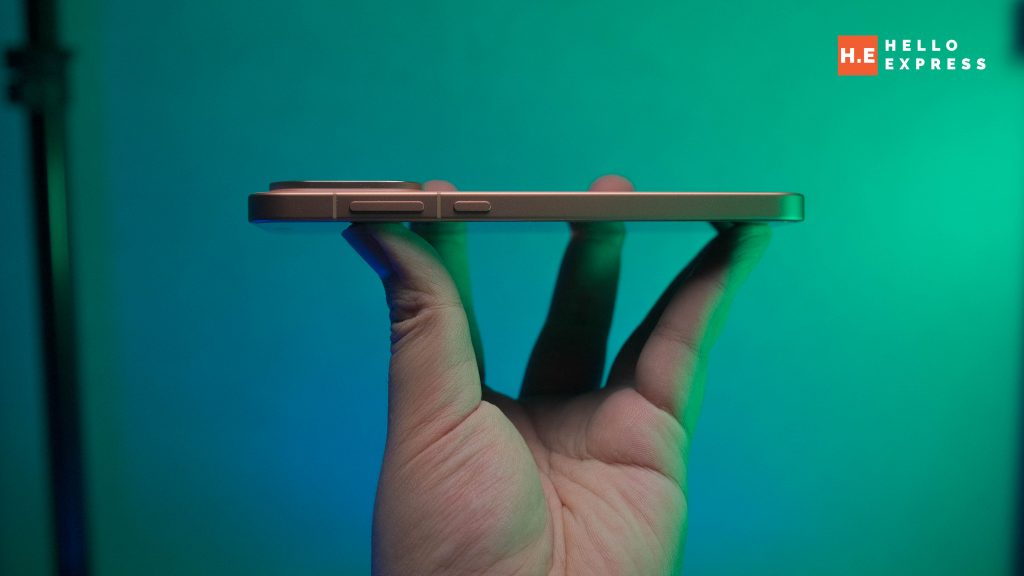
At RM3,699 it sits RM300 above a capable Leica-certified competitor and RM400 below a phone with higher frame rates and a module lens system. Neither comparison is flattering on paper. What those comparisons miss is the ProXDR grading pipeline: the ability to shoot footage with genuine dynamic range headroom and recover it in DaVinci Resolve the way a professional cinematographer would. At this price point, no other Android phone in Malaysia offers that specific capability in a package this coherent.
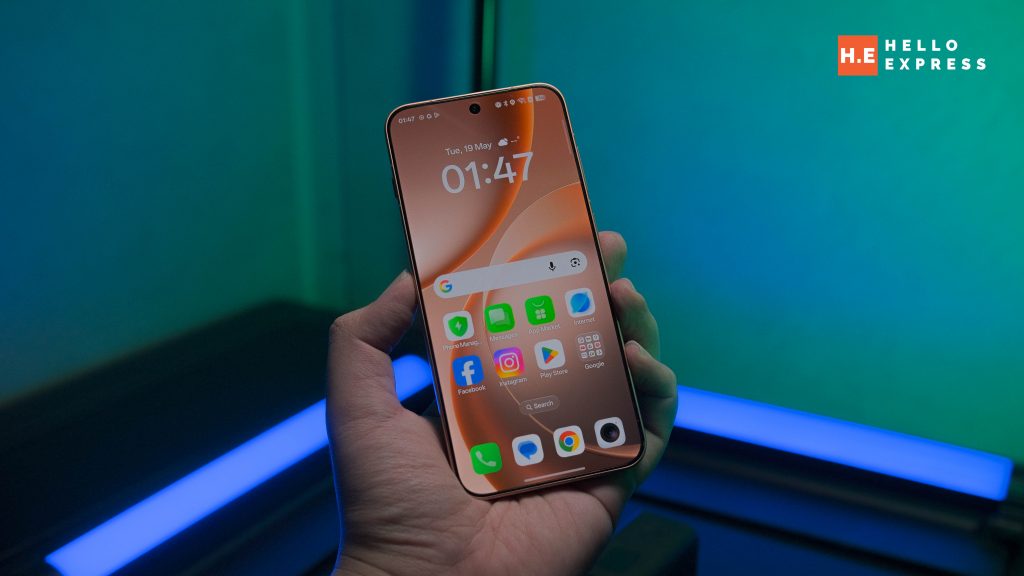
The battery is class-leading. The stills are excellent. The gaming holds up, with ray tracing on War Thunder as proof of the platform’s ceiling. The low light video has honest limits that sensor physics determine, not the software.

The buyer this phone is built for already knows what a colour space is and has color grading knowledge. If that is you, this is your phone under RM4,000. If it is not — if ProXDR footage will sit ungraded in your camera roll. Being a person that appreciate good footage, I cannot recommend this phone enough there fore the Find X9s are awarded with our HelloExpress Gold award.
Help support us!
If you are interested in the Oppo Find X9s we would really appreciate if you purchase it via the links below. These affiliate links won’t cost you any extra, but it will be a great help to keep our lights on here at HelloExpress.
- Oppo Find X9s (Shopee): https://s.shopee.com.my/4ft9af3rtZ
- Oppo Find X9s (Lazada): https://s.lazada.com.my/s.ZY7s0n?c=a&t=p-iGG6J6L-s2FxdzAt