

5G-A Experience Monetization Forum Debuts Milestone Results at MWC Shanghai 2026 — Huawei, China Mobile and GSMA Unveil Railway Upgrade, Agentic Core, and Connection Agent

TLDR
- 5G-A Experience Monetization Forum at MWC Shanghai 2026 announced milestone results across three flagship initiatives: 5G-A High-Speed Railway Network Acceleration Service, UE Logo 2.0 White Paper, and Agentic Core White Paper
- China Mobile, GSMA, and Huawei’s 5G-A railway service is scheduled for commercial launch in China in August 2026 with a “1+3+5” framework covering live streaming, gaming, video conferencing, AI calling, and AI office
- The Agentic Core White Paper outlines an AI-native intelligent core network architecture with four key monetization capabilities, and the “Connection Agent” gateway enables AI agent interoperability with dedicated network services
- Industry initiative launched to align terminal, network, and ecosystem partners on standards, high-value scenarios, and cross-vertical collaboration
Milestone Forum at MWC Shanghai 2026 Sets Stage for 5G-A Commercialisation
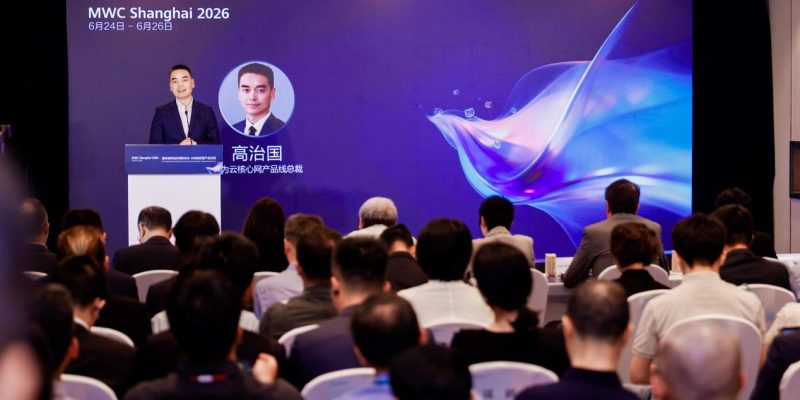
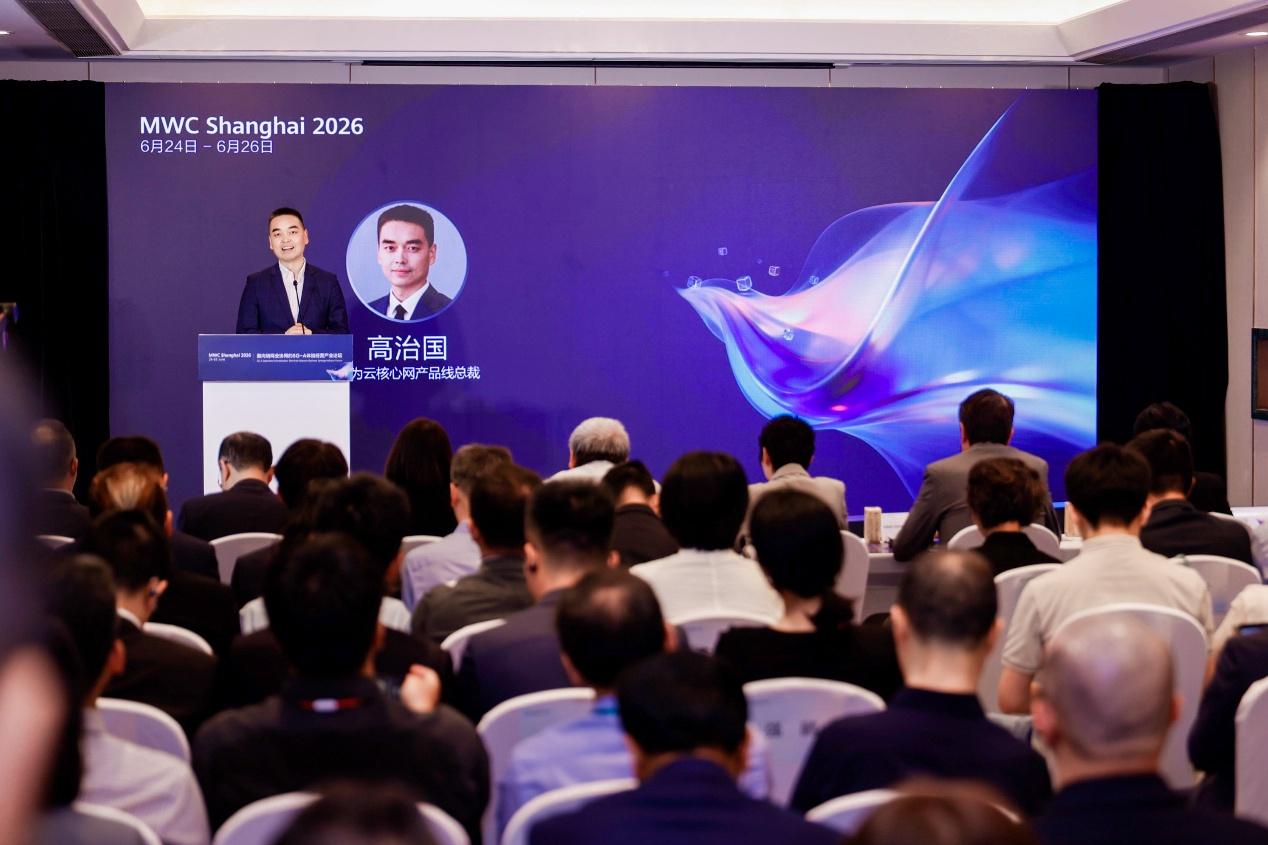
The 5G-A Experience Monetization Forum at MWC Shanghai 2026 brought together industry leaders from CAICT, GSMA, China Mobile, Huawei, 3GPP, and GSMA Intelligence to push forward 5G-A commercialisation, technology evolution, and ecosystem collaboration. The forum unveiled a series of milestone results across three flagship initiatives that point to a maturing 5G-A ecosystem moving from technology trials to commercial deployment. For the broader telecom industry, the announcements matter because they define the operational frameworks that will determine how carriers monetise 5G-A investments over the next 24 months.
The first flagship announcement is the 5G-A High-Speed Railway Network Acceleration Service, jointly unveiled by GSMA, China Mobile, and Huawei. Scheduled for commercial launch in China in August 2026, the service is built on a “1+3+5” framework. The “1” is one exclusive identity: a dynamic high-speed rail VIP logo displayed on passenger smartphone screens through the UE Logo solution. The “3” covers three cutting-edge technologies — 5G-A high bandwidth and high-speed rail private network, AI-native core network, and wireless universal intelligent service processing units. The “5” maps to five key service scenarios: seamless support for live streaming, video conferencing, online gaming, AI calling, and AI office. For the millions of Malaysian and regional rail commuters who already expect full mobile productivity on trains, this is the kind of service definition that signals 5G-A is moving beyond generic speed upgrades.
Experience-Centric Operations Get Two New Industry Frameworks
The forum also saw the release of two industry white papers that formalise the shift toward experience-centric network operations. The UE Logo 2.0 White Paper, co-published by China Mobile Research Institute and Huawei, focuses on terminal-network-business synergy, intelligent analytics, scenario-based engagement, and precision marketing. It proposes an end-to-end service framework that connects user engagement with closed-loop marketing, creating a new paradigm of network awareness, service accessibility, and experience-centric operations. For carriers evaluating how to extract more value from 5G-A beyond raw data throughput, the framework offers a structured way to align service delivery with customer outcomes.
The second paper, the Agentic Core White Paper released by GSMA Intelligence, outlines an AI-native intelligent core network architecture with four key monetization capabilities: superior user experiences, advanced services, network capability openness, and agent service assurance. The framework supports the development of new agent-centric communications services and expands the innovation opportunity for carriers. As AI agents become more central to consumer and enterprise workflows, the Agentic Core architecture gives telecom operators a way to position themselves as the connectivity and orchestration layer for agent-to-agent communication, not just traditional user-to-network traffic.
“Connection Agent” Bridges AI Agents and Carrier Networks
China Mobile Research Institute, Huawei, and GSMA Intelligence also jointly introduced the Connection Agent and a “China Mobile Bixing Agent Platform” Intent Openness Gateway. Built on a scalable modular architecture, the gateway enables seamless interoperability among AI agents while providing dedicated network services for each connected agent. The launch marks a transition from traditional rule-based service delivery to agentic service orchestration, paving the way for next-generation intelligent connectivity. The solution has already been deployed in selected regions across China to support the incubation of innovative services, and the early deployment suggests this is moving faster than typical telecom industry standards processes.
The technical significance is that carriers can now offer per-agent network services — not just per-user or per-device services. For enterprise customers running fleets of AI agents, that distinction is meaningful, and it opens a new wholesale monetisation lane for telecom operators that goes beyond consumer data plans. The Connection Agent is positioned as a benchmark for intelligent connectivity, and the early Chinese deployments give the industry a working reference architecture to evaluate.
Cross-Industry Collaboration Initiative Launched
Beyond the flagship announcements, the forum officially launched the Terminal-Network-Industry Collaboration Initiative, promoting coordinated development across technology, business, and ecosystem dimensions. The technology track focuses on accelerating terminal ecosystem adaptation and standards certification for broad interoperability. The business track targets high-value application scenarios and explores diversified monetisation models. The ecosystem track brings together partners across vertical industries to build a collaborative community based on pooled resources, co-developed capabilities, and shared risks and rewards.
For the broader ICT industry, this initiative is a signal that the 5G-A monetisation problem is now being tackled at the cross-industry level, not just within the telecom sector. The reference to “token monetisation” in Huawei’s framing — where the industry is moving toward monetising AI tokens and agent interactions rather than pure data consumption — points to a meaningful strategic shift. MWC Shanghai 2026 ran from 24 to 26 June at the Shanghai New International Expo Center, where Huawei showcased its latest products and solutions in Hall N1.
Our Take
The 5G-A Experience Monetization Forum is less about consumer-facing announcements and more about the operating frameworks that will shape 5G-A commercial deployment over the next 12 to 18 months. The 1+3+5 high-speed rail service is the most concrete deliverable, with a real August 2026 launch date in China, and it is a useful template for what Malaysian rail operators like KTMB and the upcoming East Coast Rail Link could evaluate. The shift from “data monetisation” to “token monetisation” in Huawei’s framing is a strategic signal worth watching — it suggests carriers are repositioning around AI-agent traffic as the next monetisation wave after mobile data and IoT connectivity.
The Agentic Core framework is the most interesting structural announcement. If carriers can move from selling data plans to selling agent-connectivity services, the average revenue per user economics shift significantly upward, and that has implications for the Malaysian telecom market where Maxis, CelcomDigi, and U Mobile are already exploring enterprise AI-agent use cases. Our recommendation: Malaysian telecom operators should track the August 2026 high-speed rail service launch in China as a reference deployment, and the GSMA Intelligence Agentic Core White Paper is a worthwhile read for carrier strategy teams. For broader context, the Huawei Champions 5G-A and AI-Driven Growth at MWC Shanghai 2025 coverage from last year shows the strategic thread, while the AI-Centric Network Solutions unveiled at MWC Barcelona 2026 and Huawei’s deterministic paths to business success in the agentic era provide the wider context for how Huawei is framing the 5G-A + AI transition.



[…] services, and it aligns with the broader industry shift toward agentic AI workflows that the 5G-A Experience Monetization Forum at MWC Shanghai 2026 covered earlier in the same week. The two announcements are complementary — the forum produced […]