

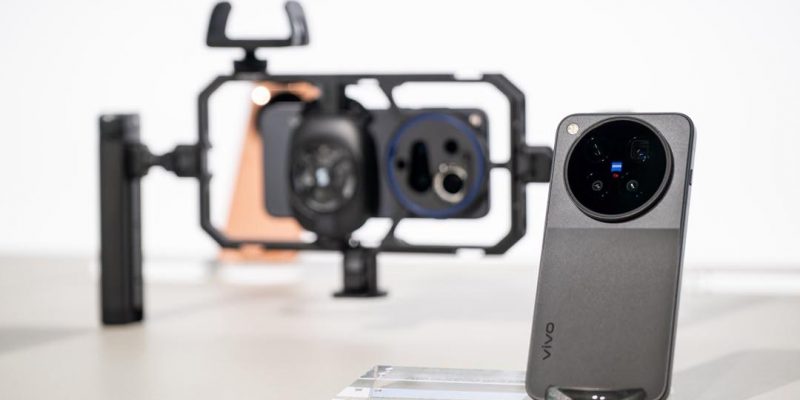
vivo X500 Series Imaging Flagship Lands In Shanghai With 17 EV Dynamic Range, 200 MP ZEISS Telephoto, Malaysia Launch In October

TLDR
- vivo has launched the X500 Series imaging flagship in Shanghai, opening the company’s new dynamic imaging strategy with three models: X500, X500 Pro, and X500 Pro Max
- The X500 Pro Max debuts the vivo x Sony LYTIA L910 sensor with 17 EV true dynamic range output, paired with a 200 MP ZEISS APO Telephoto Camera
- Headline video capabilities include 4K 240 fps Cinematic Slow-Mo, 17 EV Log Video with ACES colour support, and 8K Native Live direct output
- Both Pro models run on the MediaTek Dimensity 9600 Pro with vivo’s Imaging Chip V3+ and Pro Imaging Chip VS1+
- The X500 Series is rumoured to arrive in Malaysia in October 2026
vivo Opens Its Dynamic Imaging Era With The X500 Series
vivo has launched the X500 Series imaging flagship in Shanghai, marking the opening of a company-level strategy shift from static to dynamic imaging. The launch positions the X500, X500 Pro and X500 Pro Max as a single product family aimed at what vivo calls “dual excellence in photo and video experience” — the idea that smartphone cameras should be equally capable across still photography and motion video, not tilted toward one or the other.

The strategic context is that video and live content have become the default ways people record and share experiences, and vivo’s argument is that mobile imaging hardware has now caught up with that shift. The X500 Series is the company’s bet that the next round of differentiation in smartphone imaging will be about motion rather than pure still-image quality.
The Pro Max: 17 EV Dynamic Range And 200 MP Telephoto
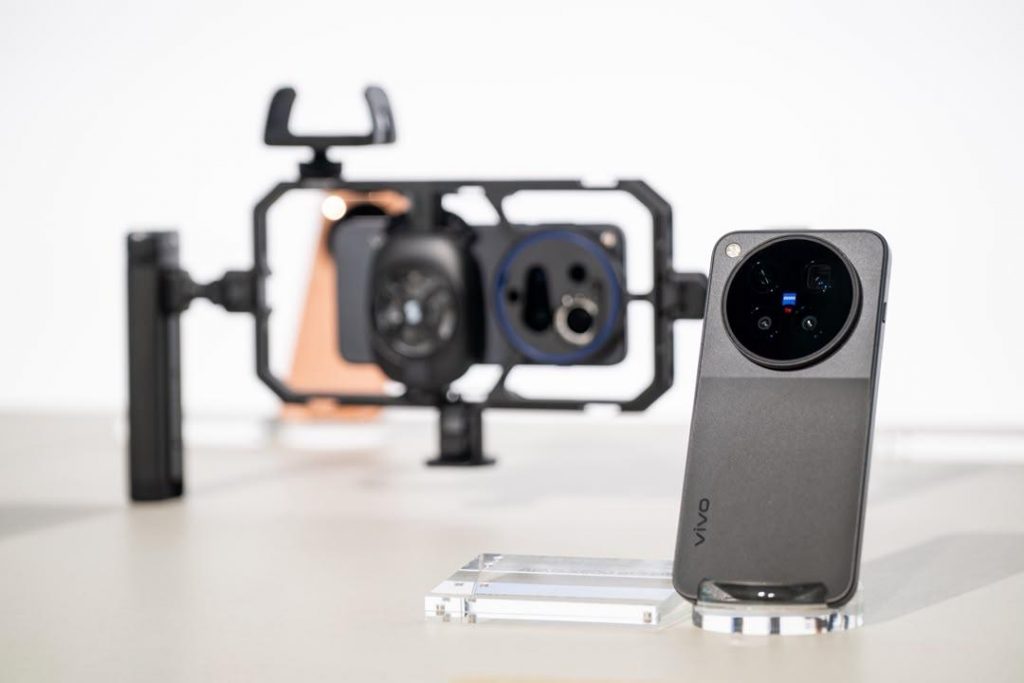
The vivo X500 Pro Max is the technical headline of the lineup. It debuts the vivo x Sony LYTIA L910 sensor, jointly defined with Sony and rated for 17 EV true dynamic range output. The 200 MP ZEISS APO Telephoto Camera supports CIPA 7.0 Professional Stabilization and pairs with the 400 mm equivalent vivo ZEISS Telephoto Extender Gen 2 Ultra for ultra-telephoto shooting.
Video capabilities are the differentiator. The Pro Max supports 4K 240 fps Cinematic Slow-Mo, 17 EV TrueDynamic Log Video with 10-bit 4:2:2 encoding and ACES colour support, and 8K Native Live direct output with consistent cover-frame and video-stream colour. The Log workflow has been co-developed with DaVinci for professional colour grading.
The Pro Series Stack
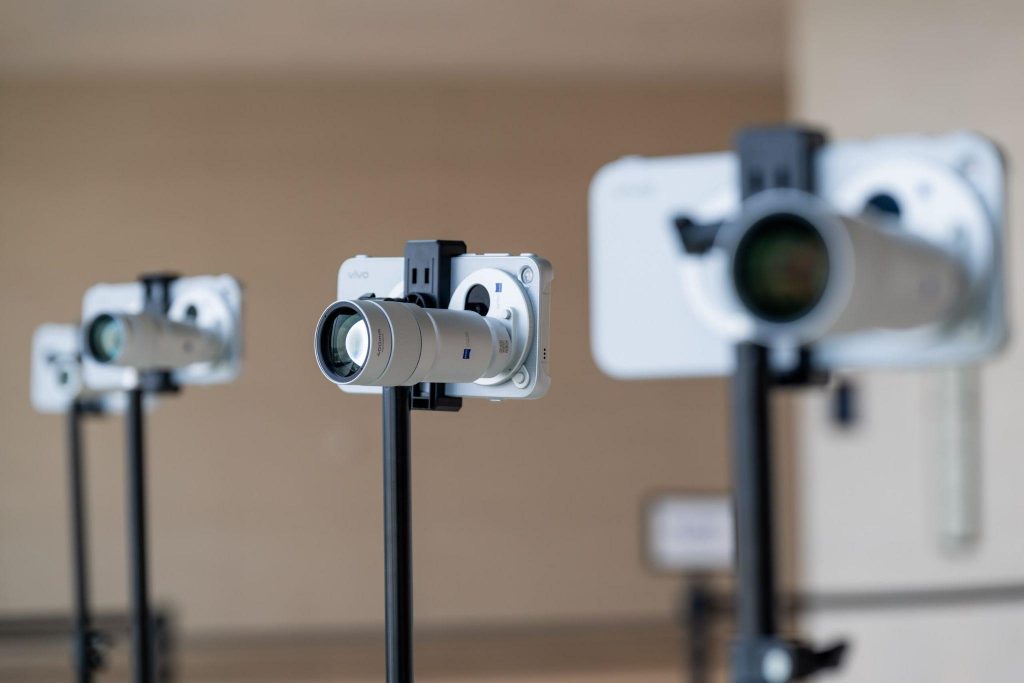
Both Pro models share the ZEISS TrueDynamic Main Camera with a 1/1.28-inch sensor and ZEISS T* Coating, plus the 200 MP ZEISS APO Telephoto Camera with CIPA 7.0 Professional Stabilization. The Pro Max adds the 1536-point multi-zone laser focus system and 30x Long Range Motion Snapshot.
Performance hardware is consistent across both Pro models: the MediaTek Dimensity 9600 Pro flagship platform on the second-generation 2nm N2P process, paired with vivo’s Imaging Chip V3+ and Pro Imaging Chip VS1+ for imaging compute. The Pro Max carries a 6.85-inch BOE Q11 2K ZEISS Master Color Display and a 7,800 mAh BlueVolt Battery; the Pro carries a 6.36-inch display and a 6,510 mAh BlueVolt Battery. Both run OriginOS 7.
Colour, Stabilisation And Software
vivo has introduced six new cinematic video colour styles for the X500 Series: Golden, Platinum, Sunny Day, Paris Afterglow, Noir and Amber. Each is built on a self-developed colour-tone pipeline with independent tuning for people and scenery, giving creators more graded looks out of camera. The Pro Series’s stabilisation is rated at CIPA 7.0 across both main and telephoto, which vivo says delivers stable shots even in motion.
On the system side, OriginOS 7 introduces Origin Workbench for multi-app foreground workflows and Seamless Interaction. vivo Lab’s 72-month anti-ageing test certifies that the system maintains performance over a typical six-year usage window. The Pro Series ships in four nature-inspired colours: Sunny White, Starry Gray, Moonlit Black and Sunset Orange.
The Standard X500: Pro-Level Imaging At Lower Tiers
The base X500 carries the same vivo x Sony LYTIA 828 sensor as the X300 Pro, with ZEISS Gimbal-Grade OIS for the main camera. The telephoto uses the vivo x Sony LYTIA 610 sensor with 64 MP and 4K 120 fps slow-motion support, and also achieves CIPA 5.5 Professional Stabilization. The sensor uses an innovative Green 1×1 RB 2×2 OCL pixel structure that combines the resolving power of 1×1 with the focusing speed of 2×2.
Video features are not stripped down: the X500 supports 4K 120 fps slow motion, the same six cinematic colour styles as the Pro models, 4K 60 fps Cinematic Portrait Video, and 4K 120 fps 10-bit Log. The series is also the first in the industry to offer 8K Native Live across the entire lineup. Performance is handled by the MediaTek Dimensity 9600M, a 7,500 mAh BlueVolt Battery, and a 6.59-inch ZEISS Master Color Display with 90W FlashCharge and 40W Wireless FlashCharge.
Why It Matters
The X500 Series is the first vivo product family built around the dynamic-imaging strategy, and the engineering choices reflect it: the new LYTIA L910 sensor, the dual-co-imaging-chip setup, the CIPA 7.0 stabilisation, and the ACES-compatible Log workflow all point toward a phone designed to handle motion-grade workloads rather than just higher-resolution stills. For mobile creators and prosumer videographers, that is the meaningful shift, not the marketing-friendly headline of “dynamic imaging.”
Outside the imaging layer, vivo is leaning on media partnerships — CCTV Spring Festival Gala, Xinhua News Agency, People’s Daily — to position the X500 as a professional-grade production tool. Whether that positioning lands with consumers is a separate question, but the technical ambition is clearer than usual for a mid-cycle imaging refresh.
Malaysia Availability
vivo Malaysia has not announced local pricing or a specific launch date, but the series is rumoured to arrive in Malaysia in October 2026. Updates are expected via vivo Malaysia’s official website and social media channels once the local launch date is confirmed.
Our Take
The X500 Series is vivo’s clearest statement yet that the company sees smartphone imaging as a motion-first medium, not a still-first one. The hardware choices — especially the LYTIA L910 sensor and the dual imaging chips — are aimed at video creators rather than photography enthusiasts, which is a notable positioning for a brand that has historically been stronger in mid-range photography than pro-grade video. The Malaysian launch in October will be the real test of whether the local market values the dynamic-imaging pitch the way vivo hopes.