
Malaysia’s EV Policy Under Review — BYD CKD Operations Put Under the Microscope

TLDR
- MITI reviewing EV policy framework amid industry backlash
- BYD’s CKD operations in Tanjung Malim flagged as key test case
- New requirements: 80% export condition, minimum RM100,000 pricing threshold
- Government balancing local content rules with investment attraction
- BYD plant represents one of Malaysia’s largest foreign EV manufacturing commitments
What’s Behind the EV Policy Debate
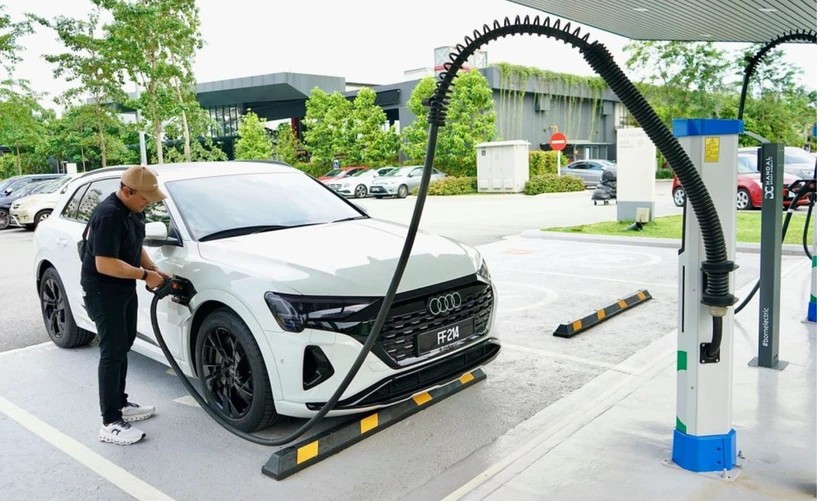
Malaysia’s electric vehicle policy landscape is undergoing significant scrutiny, as debate intensifies over the conditions surrounding BYD’s local assembly plans in Tanjung Malim — operations that are supposed to kick off production this year. While the headlines may point to a single Chinese brand, the issue extends far beyond one automaker and cuts to the heart of how Malaysia wants to position itself as an EV production hub while balancing local industry development with consumer accessibility.

80% Export Condition and RM100K Pricing Threshold
Much of the recent controversy stems from reports highlighting new requirements for local EV completely knocked down (CKD) production. These requirements include an 80% export condition and a minimum pricing threshold of RM100,000 (previously reported at RM200,000). The conditions quickly triggered strong backlash from industry stakeholders, raising concerns that such measures could severely limit access to more affordable EVs for Malaysian consumers who are just beginning to warm up to electric mobility.
The Ministry of Investment, Trade and Industry (MITI) has since moved to clarify that these conditions are not exclusive to BYD, but rather apply to any new CKD entrant from September 2025 onwards — except for those using existing local assembly facilities.
Why This Matters for Malaysia’s EV Ambitions
Local assembly has long been championed as a key pathway to lower costs and wider EV adoption. BYD’s CKD plant in Tanjung Malim represents one of the most significant foreign EV manufacturing commitments in Malaysia to date, and the debate around its operations raises critical questions about whether government policy is striking the right balance between supporting local industry development and accelerating EV adoption for consumers.
Our Take
The EV policy debate isn’t really about BYD — it’s about whether Malaysia can attract meaningful EV investment while imposing local content requirements. The 80% export condition makes sense from a “build for export” industrial strategy standpoint, but it risks making the local market an afterthought.
For Malaysian consumers, the key risk is that policies designed to attract manufacturing could end up limiting EV choice and keeping prices elevated — the opposite of what should happen as EV adoption accelerates. The government needs to thread a difficult needle: attract investment without selling out the domestic consumer.
The outcome of this policy review will set the tone for Malaysia’s EV sector through 2026 and beyond. Other manufacturers will be watching closely to see what kind of deal BYD gets.
Source: