
Huawei Outlines 7-Step AI Adoption Approach And DIMAK Engineering System At HUAWEI CONNECT 2026

TLDR
- Huawei has laid out a seven-step AI adoption approach and the DIMAK engineering system at HUAWEI CONNECT 2026 in Shanghai
- The framework rests on three pillars: new methods (the seven-step approach), new organisations (66 sub-business units across 10 industries), and new tools (the DIMAK engineering system)
- The DIMAK system covers Data, Infrastructure, Model, Agent and Knowledge layers, designed to convert complex AI capabilities into plug-and-play services for enterprises
- Huawei also released the openJiuwen AI Agent Platform last year for multi-agent collaboration and enterprise-grade governance
- The launch included an Agentic Enterprise white paper and 157 practical case studies of digital and intelligent transformation across industries
Huawei Pushes A Framework For Enterprise AI Adoption
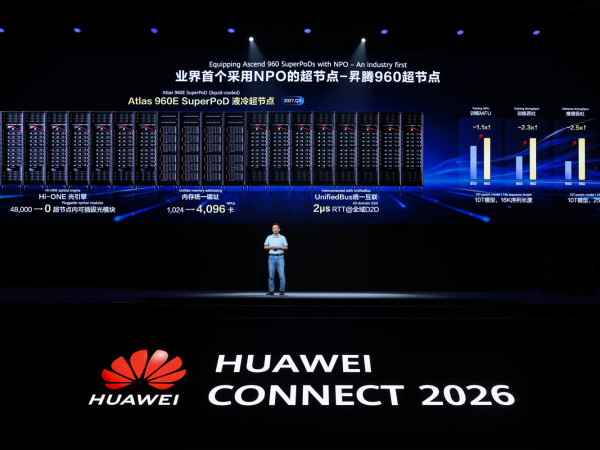
At HUAWEI CONNECT 2026 in Shanghai, Huawei set out a coordinated framework for how enterprises should approach AI adoption. The pitch is straightforward: the industry has spent the last two years proving that AI works in demos, but production-grade deployment is still hard because enterprises lack a repeatable path from a single high-value scenario to system-wide rollout.
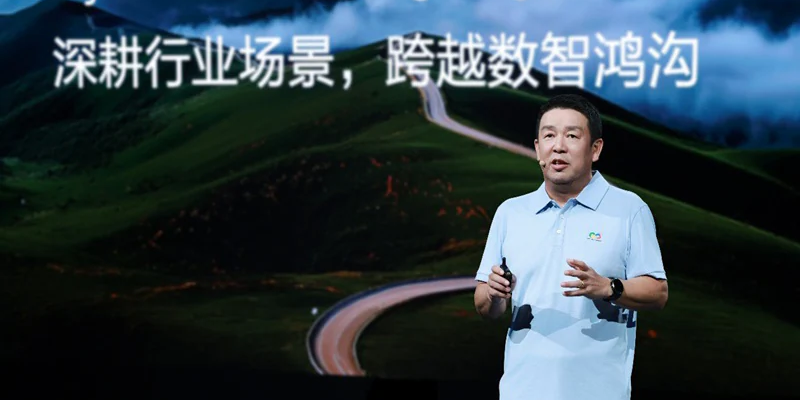
The keynote, delivered by Tao Jingwen (Deputy Chairman of the Supervisory Board and Chair of Global Industry Business Operations), framed the problem as one of adaptation speed. AI is advancing faster than organisations can absorb it, and the right response is not just better models but a structured adoption methodology backed by industry-specific organisations and engineering tooling.
The Seven-Step Approach
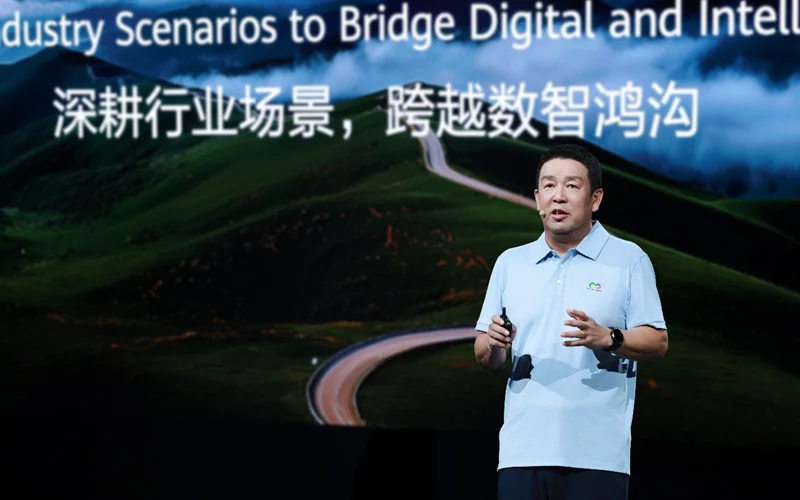
The seven steps Huawei is recommending are: understanding the industry’s business logic, selecting core scenarios, overcoming the technical and engineering challenges, deploying AI in production scenarios, expanding along the value stream, collaborating with the ecosystem, and continually elevating industry intelligence. Two design choices stand out. First, the framework insists on starting with a minimum viable product in one scenario before any cross-functional rollout — this avoids the common trap of building a flagship AI system that never makes it past pilot. Second, it treats expansion along the value stream as the success criterion rather than the model itself, which keeps the engineering team focused on business outcomes rather than benchmark scores.
66 Sub-Business Units, 10 Industries
The organisational side of the framework is what Huawei calls short-chain operations. The company has restructured around 66 sub-business units and account departments, each dedicated to a specific vertical across 10 industries. The point is to put engineering experts close enough to customer operations that they understand the actual workflow before proposing a solution, rather than throwing generic AI capabilities at every problem. That organisational model is backed by a centralised computing platform team and industry-specific slim & agile teams that build the toolchains and engineering methods needed to turn technology into deployable services.
The DIMAK Engineering System
On the tools side, Huawei is formalising what it has learned across its industry deployments into the DIMAK engineering system — Data, Infrastructure, Model, Agent and Knowledge. The Data and Knowledge layers handle the conversion of enterprise-specific information into assets that AI can use. The Infrastructure and Model layers cover the compute foundation and how major models are deployed against it. The Agent layer is where Huawei argues its openJiuwen AI Agent Platform lives — the open-source platform it released last year that handles multi-agent collaboration, end-to-end agent self-evolution and the governance pieces that make agentic AI enterprise-safe.
Why It Matters
For enterprises outside Huawei’s direct customer base, the takeaway is less about the framework itself and more about what it reveals about the current state of enterprise AI adoption: the constraint is no longer model capability but organisational and engineering plumbing. The seven-step approach is a vendor’s answer to that constraint, but the underlying problem — how to move AI from a few isolated pilots into production systems that actually change how a business runs — is the one every enterprise AI programme is hitting right now.
Our Take
Huawei is positioning this framework as the difference between AI that demos well and AI that runs in production. That framing has merit, but the real test is whether the seven-step approach translates to other vendors’ enterprises without Huawei-specific consulting overhead. For organisations evaluating Huawei’s enterprise stack, the framework gives them a vocabulary for scoping their own adoption programmes. For everyone else, the broader lesson is that AI deployment is now an organisational engineering problem, not a model problem — and the vendors that win will be the ones that treat it that way.
Versi Bahasa Malaysia: Huawei Bentangkan Pendekatan Penggunaan AI 7-Langkah Dan Sistem Kejuruteraan DIMAK Di HUAWEI CONNECT 2026