
Enterprise Asia Names 69 ESG Champions at AREA 2026 — But Is It Real Impact or Corporate Theatre?

TLDR
- Enterprise Asia, a Kuala Lumpur-based regional NGO, crowned 69 “ESG Champions” at the Asia Responsible Enterprise Awards 2026
- This year’s ceremony ran under the theme “Shaping a Regenerative and Inclusive Tomorrow”
- Malaysian outlets like Malaysiakini and Utusan Malaysia carried the winners list alongside Yahoo Finance
- Past winners have spanned Thai beverage giants, Indonesian banks, Singapore telcos and Malaysian conglomerates
- Critics argue the awards can reward glossy ESG reports over measurable sustainability outcomes
Enterprise Asia, the Kuala Lumpur-headquartered non-profit that runs the Asia Responsible Enterprise Awards (AREA), announced its 2026 cohort of honourees on 2 July 2026, recognising 69 companies across the region for “responsible enterprise” work. The theme this year — “Shaping a Regenerative and Inclusive Tomorrow” — leans heavily into language that has become standard fare in boardroom ESG decks for the past three years.

For Malaysian readers, the awards matter beyond corporate branding. Enterprise Asia runs the programme out of KL and Malaysian outlets including Malaysiakini (8 July) and Utusan Malaysia carried the announcement alongside international wires such as Yahoo Finance and Nation Thailand. That level of local pickup is unusual for a regional sustainability award, and it tells you the Malaysian business community still treats these trophies as something worth flagging.
Who’s On The List — And What They Did
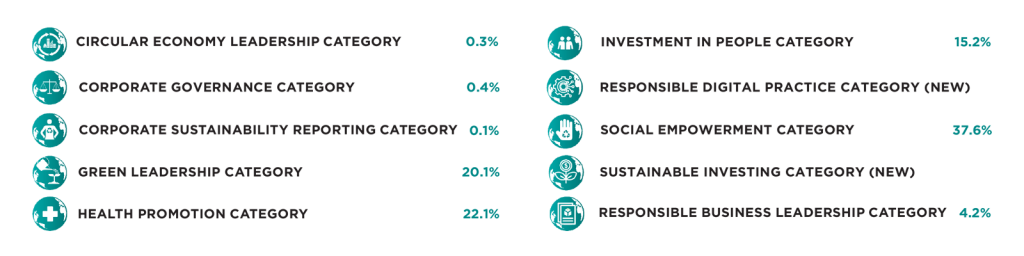
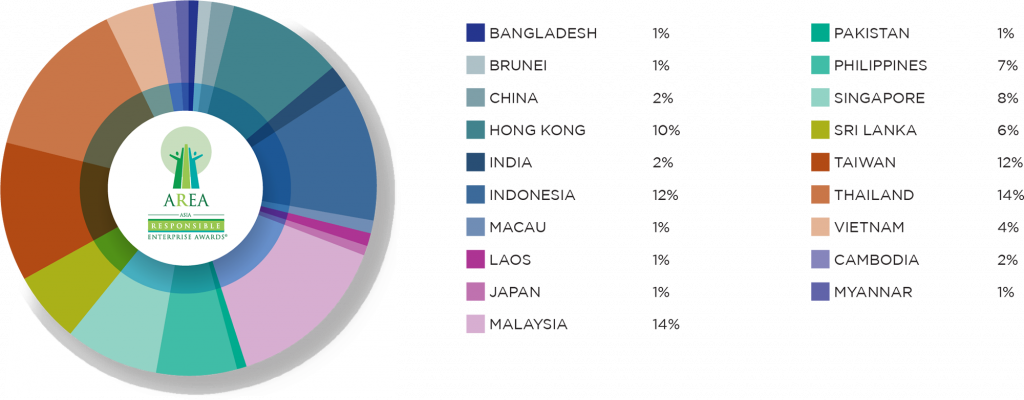
The 69 winners are drawn from across Asia — publicly listed companies, family-owned conglomerates, telcos and consumer brands. Notable examples include Suntory Beverage and Food Thailand, which separately announced two AREA 2026 wins for sustainability work, including water stewardship across its manufacturing footprint. Singapore-listed and Indonesian names round out the cohort, with multiple categories covering social investment, green leadership, corporate governance, health promotion and sustainability reporting.
The full list spans companies that publish credible Scope 1, 2 and 3 emissions data, run long-running community programmes, or have invested in supply chain traceability. Suntory Thailand’s case — restoring water at a 1:1 ratio in stress-prone catchments — is the kind of thing the awards are designed to recognise. On paper, AREA 2026 looks like a useful thermometer for Asian corporate sustainability.
Why The Awards Invite Skepticism
Here is where the corporate-skeptic in me kicks in. The Asia Responsible Enterprise Awards are, at heart, a self-nomination and jury-led programme. Companies submit their sustainability case, pay an entry fee structure common in the regional awards industry, and wait for a panel verdict. That format is open to the usual critique: glossy PDF sustainability reports, well-shot community photos and partnerships with NGOs can score just as well as audited, year-on-year emissions cuts.
There is also the “trophy inflation” problem. With 69 champions in a single year, the exclusivity that made early AREA cohorts valuable has thinned. Multiple awards now run across Asia — SEAL Business Sustainability Awards, Asia Sustainability Awards, S&P Global Sustainability Yearbook — each with hundreds of winners. For Malaysian tech firms in particular, a wall of ESG trophies risks signalling marketing budget rather than material climate action.
Our Take
For Helloexpress readers, AREA 2026 is worth knowing about but not worth taking at face value. If your favourite Malaysian tech company — be it a telco, cloud provider, or e-wallet — lands on this list, treat it as one data point, not proof of impact. Cross-check whether they publish Scope 3 emissions, whether their diversity numbers have moved year-on-year, and whether their community programmes reach the people they claim to reach.
The awards are a useful forcing function — companies spend real time and money putting the submission together — and Enterprise Asia’s Malaysian roots give the ceremony a regional pulse that pure Western ESG awards lack. But in 2026, with global ESG sentiment cooling and “greenhushing” back in vogue, the difference between genuine sustainability leaders and well-funded corporate communications shops is sharper than ever. The 69 AREA champions deserve congratulations. The real work — measurably cutting emissions, lifting supply chain wages, building genuinely inclusive workplaces — still has to happen outside the awards dinner.
Keyword: Asia Responsible Enterprise Awards