
BEST Express Malaysia Empowers Local Entrepreneur Saifu to Drive Business and Community Growth in Puncak Alam

TLDR
- Saifu’s Puncak Alam station posts an 89% parcel completion rate, putting it among the top-performing stations in the BEST Express Malaysia network
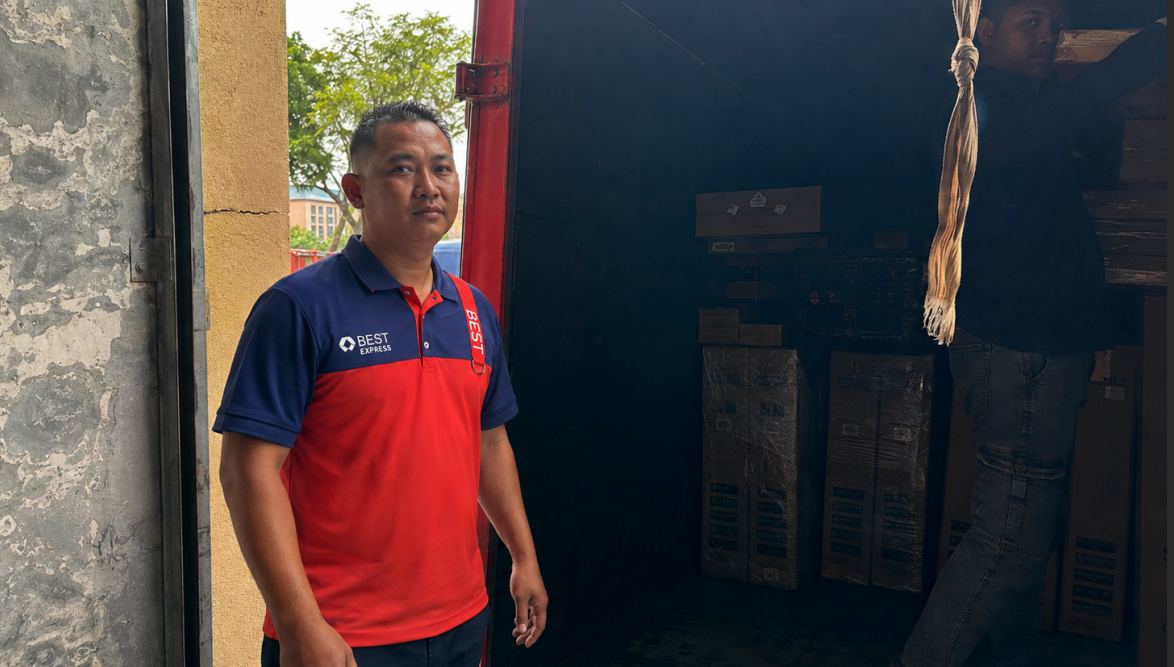
- The former forwarding industry professional joined the network in 2023 and now anchors the company’s presence in Puncak Alam, Selangor
- During peak seasons, Saifu hires local part-time drivers — turning parcel surges into community income opportunities rather than outsourced labour
- Local trust is the secret weapon: Saifu says customer satisfaction is what motivates his team to keep improving service standards
- The story fits a wider pattern at BEST Express Malaysia — courier stations are increasingly being positioned as small business platforms, not just parcel drop-offs
From Forwarding Background to Station Owner
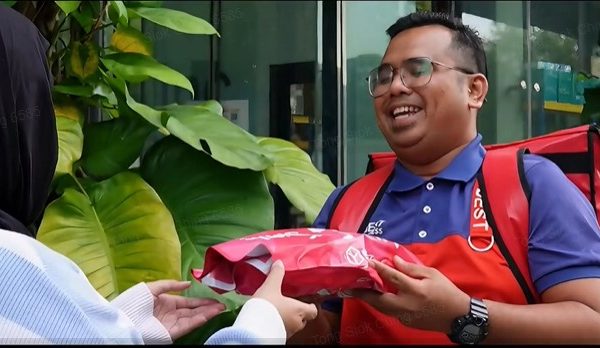
When Saifu joined BEST Express Malaysia in 2023, he arrived with the kind of insider knowledge most new station owners do not have. Before taking the leap into station operations, he had already spent years working in the forwarding industry — a sector that sits one tier above last-mile delivery and gives operators a clearer view of how parcels, customers, and corporate accounts fit together.

That background matters. In a logistics network where reliability and trust decide whether a station scales or stagnates, the people running the front counters are the face of the brand. BEST Express Malaysia has been steadily growing its station partner base across the country, including a high-performing Kepong station that recently hit a 90% parcel completion rate. Puncak Alam is now joining that conversation, with Saifu’s station establishing itself as one of the network’s top performers in the central Selangor corridor.
89% Parcel Completion Rate Built on Local Trust
The headline number from Saifu’s operation is an 89% parcel completion rate — a figure that puts the station in the upper band of the BEST Express Malaysia network and reflects consistent on-time deliveries across the area. For Saifu, however, the metric is less about chasing numbers and more about the relationships behind them.
“We believe that understanding the needs of the local community is very important. When customers trust us and are satisfied with our service, it motivates us to continue improving and serving them better,” Saifu said. That philosophy — service quality as a function of community embeddedness — has helped the station build the kind of repeat business and word-of-mouth momentum that is hard to manufacture through discounts or promotions alone.
Community Hiring as a Peak-Season Strategy
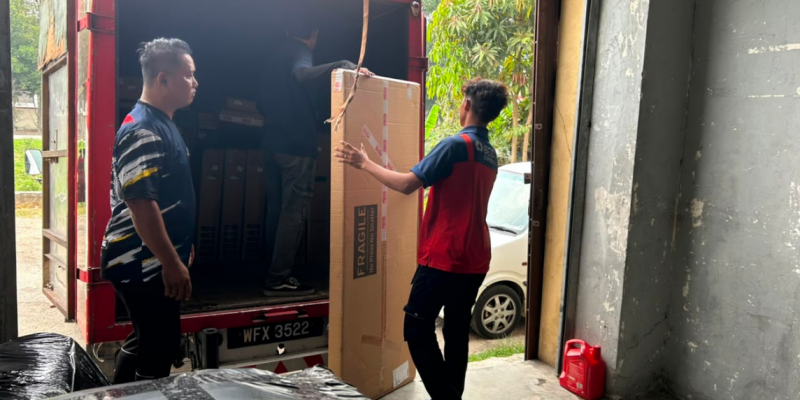
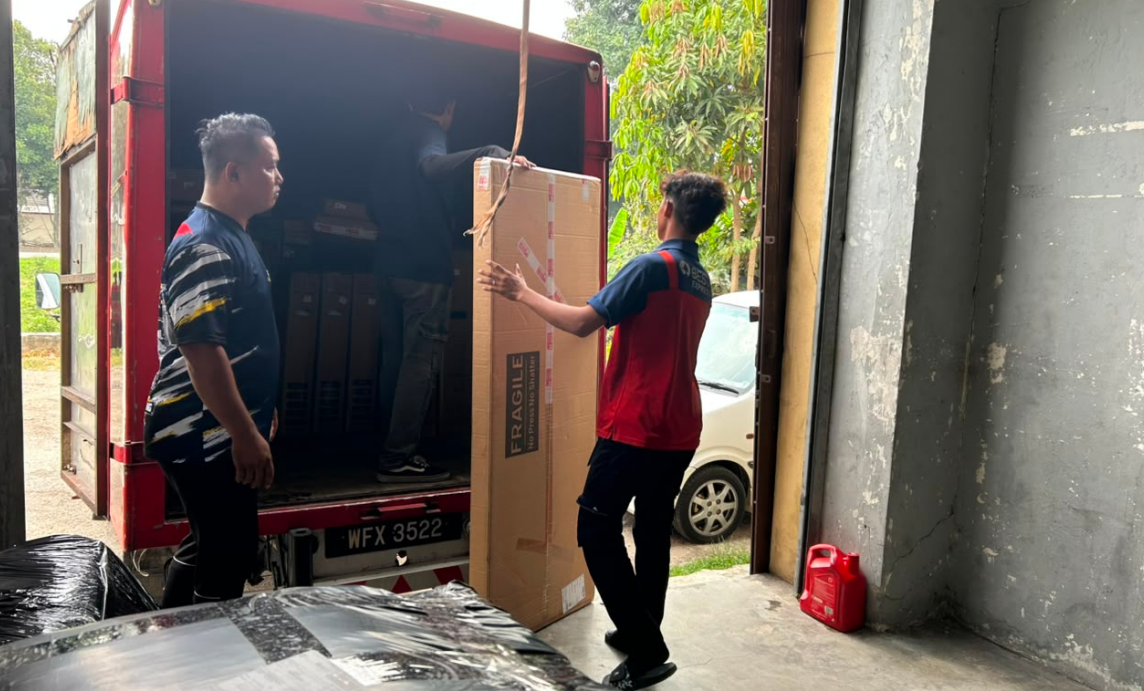
The Puncak Alam station’s most distinctive operational choice sits in how it handles the seasonal surges that hit every Malaysian courier operator. Rather than relying on third-party labour or outsourced fleets during peak periods, Saifu opens the doors to part-time drivers from the local community itself.
The model works on both sides. Customers continue to receive the same delivery support during busy periods, while residents who want flexible income get access to short-term work without leaving the neighbourhood. For a station handling the daily parcel needs of Puncak Alam — a township that has grown rapidly alongside its university and small-business community — that local-first hiring approach helps keep service levels consistent even when volumes spike.
“During peak seasons, we need additional manpower to ensure that our service level remains consistent. At the same time, there are many people in the community looking for part-time work. By hiring locally, we can support our delivery operations while also providing opportunities for people in our community,” Saifu said.
A Station as a Local Business Platform
BEST Express Malaysia’s broader pitch is that a courier station can be more than a place where parcels change hands. With e-commerce and last-mile delivery now woven into how local businesses reach customers, stations are increasingly serving as a kind of small business infrastructure — pickup points, returns hubs, and micro-warehousing rolled into one. By supporting station owners like Saifu, the company argues it is helping businesses and communities connect with more customers and expand their opportunities.
For Saifu, the journey from forwarding professional to top-performing station owner is a small case study in how that model can work. His next goal is to keep growing the Puncak Alam operation and the residents and small businesses around it.
Our Take
This kind of “small business of logistics” story is one of the few positive angles on the franchise-style courier model that dominates Malaysian e-commerce. Most coverage of last-mile delivery focuses on the squeeze — low margins, fragmented routes, gig-worker churn. Saifu’s Puncak Alam story flips that frame: a former forwarding insider uses local knowledge to lift his station to an 89% completion rate, then turns peak-season surges into community income by hiring residents rather than outsourcing.
It also slots neatly into a broader BEST Express Malaysia narrative we have tracked before — the network’s expansion across the country, including its Kepong station hitting a 90% parcel completion rate and its academic partnership programme building industry-ready logistics talent. The throughline is the same: BEST Express is positioning itself as a network of community-rooted micro-enterprises, not a faceless national brand.
Whether that holds up at scale is a different question — but at the individual station level, the Puncak Alam case is a clean example of how it can work when the owner brings industry experience, invests in local relationships, and treats peak-season stress as a community problem rather than a labour cost.