
MBSB Bank Brings Samsung Wallet and Google Pay to Visa Debit Card-i

TLDR
- MBSB Bank now supports Samsung Wallet and Google Pay for Visa Debit Card-i holders across eligible Android devices
- Tap-to-pay works at any participating Visa merchant in Malaysia and overseas, with tokenisation replacing actual card details
- Apple Pay is on the roadmap for rollout in the coming months for the same Islamic banking card
- Malaysia’s cashless payment volume hit 18.4 billion in 2025, up 25% year-on-year at 538 taps per person
- Samsung Wallet promo runs until 31 August 2026 with an RM5 ZUS Coffee voucher and a chance to win a Samsung Galaxy Tab
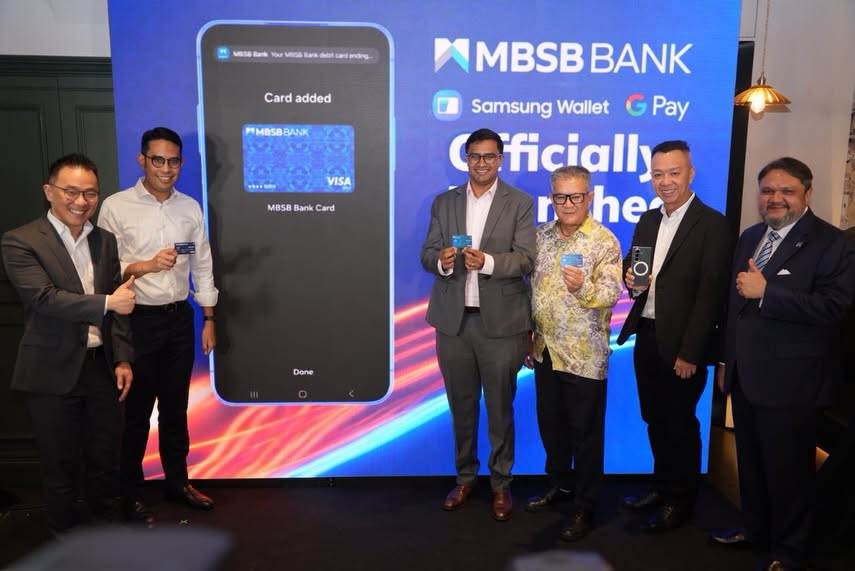
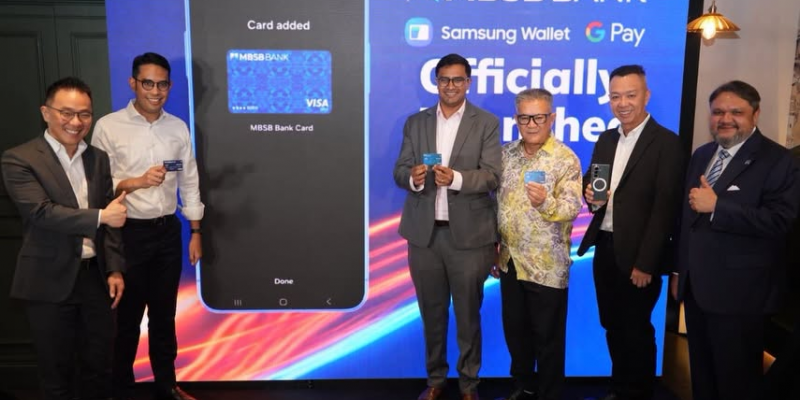
MBSB Bank has rolled out Samsung Wallet and Google Pay support for customers carrying its Visa Debit Card-i, letting holders tap to pay at any participating Visa merchant in Malaysia and overseas using an eligible Android device. The launch is timed with Malaysia’s accelerating shift away from cash, and signals the Islamic bank’s continued push to modernise its consumer payments stack.
Cardholders can add their Visa Debit Card-i to either wallet within minutes and start making contactless payments straight away. Transactions are authenticated through the device’s native security layer, and tokenisation replaces actual card details with a unique digital identifier so the card number never sits on the merchant terminal. For customers, that means a faster checkout experience at retail counters, F&B outlets, and transport hubs that already accept Visa contactless.
Apple Pay Is Next, As Cashless Usage Climbs
Apple Pay is also due in the coming months for the same Visa Debit Card-i, completing a three-wallet rollout for the bank’s flagship debit product. The move matters because Malaysia’s cashless transaction volume keeps climbing. Electronic payment transactions reached 18.4 billion in 2025, up 25% from the previous year, with an average of 538 cashless payments made per person, according to Bank Negara Malaysia data.
MBSB Bank operates GET, or Global Easy Transfer, an international remittance service powered by Wise through its M Journey platform. A separate product, PrimeGold-i, lets customers buy digital gold backed by physical gold from as little as RM10. Together, the wallet integrations and these digital services point to a broader strategy of meeting customers inside the apps they already use.
Promo Push To Drive First-Use Behaviour
To get cardholders past the first-tap friction, a Samsung Wallet campaign will run until 31 August 2026. Customers who add their Visa Debit Card-i and complete their first eligible tap receive an RM5 ZUS Coffee voucher, while those who spend at least RM30 in a single eligible transaction also enter a draw to win a Samsung Galaxy Tab.
The promo is structured to nudge behaviour in two stages: a universal instant reward for any first tap, and a higher-value lottery entry for a slightly bigger spend. It is a practical fit for the daily-commuter crowd given how ZUS Coffee outlets are clustered around transit hubs and business districts.
Why This Matters for Malaysia’s Wallet Race
The launch matters less because of MBSB’s market share and more because of the signal it sends. Malaysian banks are no longer treating wallet integration as a premium differentiator. It is fast becoming table stakes for any retail banking product that wants to remain relevant to younger customers who already expect to pay with their phone by default. Each new wallet launch chips away at any friction that still pushes consumers toward physical cards or cash.
For competitors, the question is no longer whether to support the major wallets, but how quickly they can ship all three without leaving any customer segment behind. MBSB’s plan to deliver Apple Pay in the coming months puts the bank on track to offer full three-wallet coverage for its Visa Debit Card-i by end of 2026.
Our Take
MBSB Bank is not the largest Islamic bank in Malaysia, but it is making a smart move by front-loading wallet support across its retail debit product. The Visa Debit Card-i is positioned to plug into all three major mobile wallets within months, which is the kind of parity that matters when younger customers are choosing between banks. The promo window until 31 August 2026 is a useful nudge, but the longer-term play is the day-to-day convenience. If the bank can keep its digital stack running smoothly alongside the wallets, it has a decent shot at winning the next generation of Islamic banking customers.
The bigger industry signal is that mobile wallet support is no longer optional in Malaysian retail banking. Expect more Islamic banks and smaller conventional players to follow suit before end of 2026, especially ahead of any festive spending season where contactless tap volume typically spikes.