
Smarter Routes, Steadier Speeds: Four Habits Malaysian E-Hailing Drivers Use to Make Every Litre Count

TLDR
- inDrive Malaysia drivers share four practical fuel-saving habits that any motorist can adopt
- Smooth driving and avoiding prolonged idling remain the simplest gains per litre
- Planning the route — and reviewing pickup/destination details before accepting — cuts empty mileage and idle waiting
- Long-distance trips where drivers can secure a return booking beat driving back empty on fuel economics alone
- Tracking every expense per shift — not just fuel — gives drivers a clearer picture of what each hour actually earns
For e-hailing drivers in Malaysia, fuel is rarely the biggest line item in a vehicle’s annual cost — registration, insurance, financing and tyres usually claim that title. But fuel is the only cost line that a driver can meaningfully move during a single shift. How smoothly they accelerate, which routes they take, and whether they finish a trip with a passenger heading back towards their next booking all affect how many kilometres they get from a full tank and how much they actually take home at the end of the day.

That daily, on-the-road perspective is what makes driver habits worth paying attention to. inDrive — the global ride-hailing platform that has been quietly expanding its Malaysian driver-partner base — put together a set of fuel-saving practices from its own drivers across the country. Most of them are simple enough that any motorist, not just full-time drivers, can fold them into their routine without buying anything new.
Drive Smoothly and Skip the Idling
The cheapest fuel saving is also the most boring: just drive more smoothly. Hard acceleration, late braking and stop-start city riding all waste fuel that a steadier right foot would have saved. For inDrive driver partner Hamnah Sulaiman, the habit is the cornerstone of her daily approach.

“I maintain a steady speed and avoid sudden acceleration because it saves petrol,” she said. The other half of her routine is the small things drivers tend to forget — keeping tyre pressure in spec, and not leaving the engine idling for long stretches while waiting for the next booking. A warm engine running at idle for ten minutes burns roughly the same fuel as a minute or two of actual driving, which adds up across a ten-hour shift.
Plan Before You Accept the Trip
Fuel management starts before the engine turns over. Reviewing the pickup location, the destination, the traffic along the route, and the toll cost on the way there gives a driver enough information to decide whether the trip makes economic sense for them at all. inDrive’s app shows the relevant trip details before a driver accepts a request, and the drivers who actually look at those details tend to do better on fuel economics than the ones who accept reflexively.
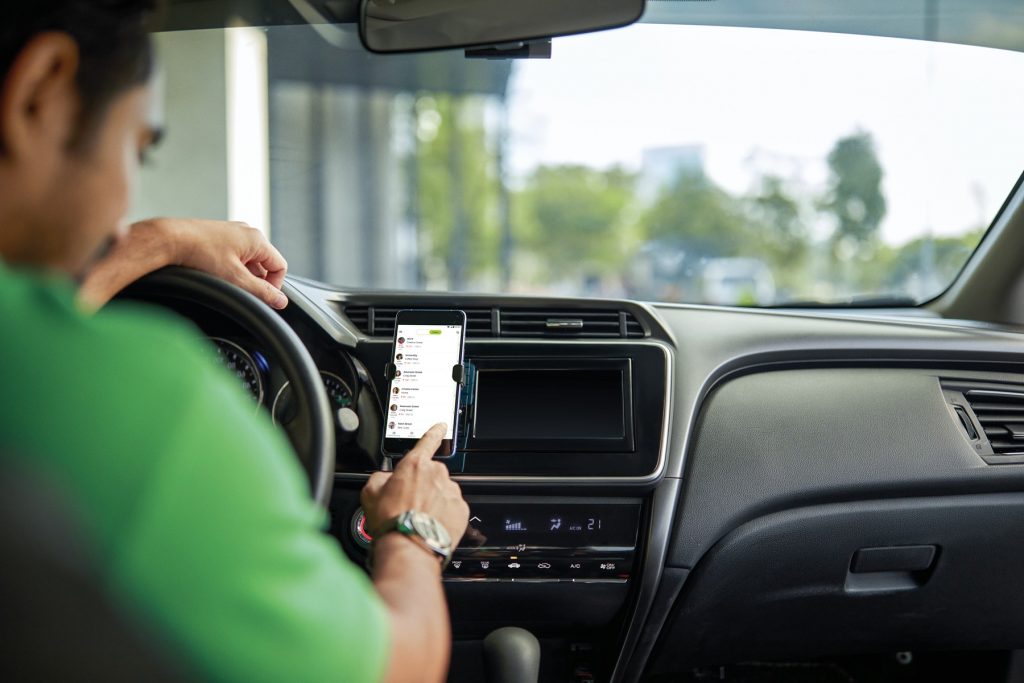
Driver partner Mohd Sahrizan Sajali treats the pre-acceptance review as non-negotiable. “I always pay attention to the pickup and destination locations before accepting an order. By calculating the travel distance, I can better manage my fuel costs and extend my driving hours.” Hamnah pairs the same habit with live traffic awareness: “I use navigation apps to monitor traffic updates and avoid heavily congested highways. Sometimes alternative routes can save both fuel and toll costs.”
Reduce Empty Mileage
For longer-distance trips, the fuel calculation does not end when the passenger reaches the destination. The empty drive back to the city, or to the next busy area, is paid out of the driver’s pocket with no fare attached. Drivers who actively try to find a return booking before committing to a long-distance pickup consistently do better on cost per kilometre.
Driver partner Abdul Ghani Abdullah frames it as a single decision. “It depends on the offer and whether I can secure another booking for the return journey instead of driving back empty, while also considering toll charges.” That short calculation — accepting the long trip only if a return fare is likely, or only if the toll cost can be recouped — is one of the more powerful fuel-economy levers a driver has, because it operates on kilometres rather than driving style. Cutting a single 40-kilometre empty return saves more fuel than a week of smoother acceleration ever will.
Track the True Cost of the Shift
Fuel is one line on a driver’s operating-cost sheet. Servicing, tyres, insurance, financing and depreciation are the rest, and treating fuel as the only variable tends to understate how thin margins actually are. Drivers who keep a simple daily log of expenses and earnings tend to have a much more honest picture of what each shift is really paying them.
Hamnah’s approach is the textbook version: she records her daily expenses and earnings, then works backward to figure out how fuel costs, traffic conditions and ride demand are affecting her overall income. Her colleague Kassim Sulaiman takes a slightly different angle — he physically separates his petrol budget from the money he sets aside for vehicle servicing. Either method works; the point is that the discipline of writing the numbers down tends to reveal patterns that drivers who just rely on memory routinely miss.
Why It Matters Beyond E-Hailing
The habits above come from full-time drivers who run their vehicles as businesses, but they translate directly to anyone who logs meaningful kilometres. A parent doing school runs in a Stop-Start city commute, a salesperson driving between client meetings across the Klang Valley, or a weekend road-tripper heading up to Cameron Highlands — all of them can borrow from the same playbook. Smooth acceleration, route planning before committing to a trip, avoiding empty backhauls and tracking per-shift costs are universal habits. The only thing specific to e-hailing drivers is the intensity: a full-time driver might save RM15 a day on fuel where a casual motorist saves RM2, but the percentage of total fuel spend is similar.
The Malaysian fuel-price backdrop makes those small percentages matter more than they used to. With RON95 having moved away from its long-subsidised level and diesel pricing continuing to float, a 5% per-litre saving on a 40-litre weekly fill is a more meaningful number now than it was two years ago. None of the habits here require new equipment or expensive modifications — they require attention, which is free.
Our Take
This inDrive feature is fundamentally a marketing piece wrapped around genuine driver wisdom. inDrive benefits when its driver partners are more profitable, because higher driver retention means better supply on the platform, which means faster pickups and happier riders. There is nothing sinister about that alignment, but it is worth naming: when a ride-hailing company publishes driver fuel-saving tips, the tips are real and useful, but they are also brand-aligned content. Treat the habits as practical advice from drivers, not as a comprehensive fuel-efficiency manual.
The honest value of the piece for Malaysian readers is the specificity. inDrive named actual driver partners, quoted them directly, and grounded each tip in a real practice rather than a generic “drive efficiently” platitude. That makes the advice easier to act on than the usual car-magazine fuel-efficiency listicle. It also makes the article easier to remember — readers will associate “plan before accepting” with Mohd Sahrizan Sajali’s name in a way that a generic tip wouldn’t stick.
The Malaysian angle matters too. Fuel-saving advice written for, say, German autobahn drivers translates poorly to our clogged urban arterials and federal-highway speed limits. The inDrive piece is grounded in Klang Valley and Malaysian-route specifics, which makes the recommendations land properly for local readers — particularly the toll-cost calculations and the route-planning bits, which only really make sense if you’re thinking about Malaysian highways and Malaysian ride patterns.