
TSMC to Lift Chipmaking Prices by Up to 10% in 2027 — What Malaysia’s OSAT Players Should Watch

TLDR
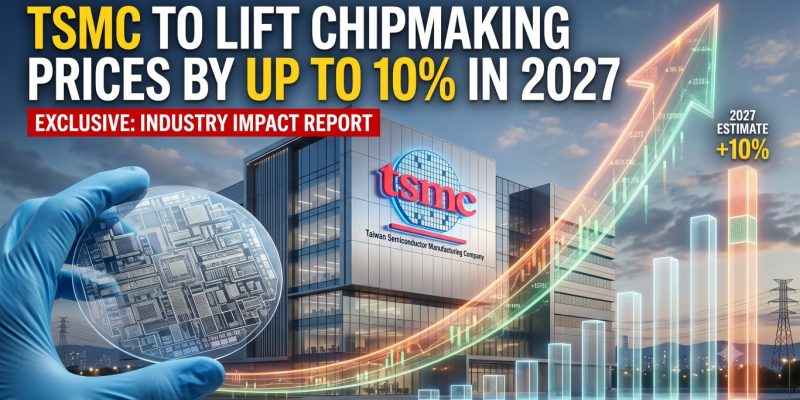
- TSMC is preparing chipmaking price hikes of up to 10% starting in 2027, according to Reuters sources
- Apple, NVIDIA, AMD, and other high-performance computing (HPC) customers face the sharpest impact
- TrendForce reports extra HPC premiums stacked on top of the baseline 10% increase
- AI demand surge and the rising cost of 3nm and 2nm process nodes are the cited cost drivers
- Penang and Kulim OSAT players won’t pay the hike directly, but downstream order book pressure is worth watching
TSMC’s Pricing Reset: Up to 10% From 2027
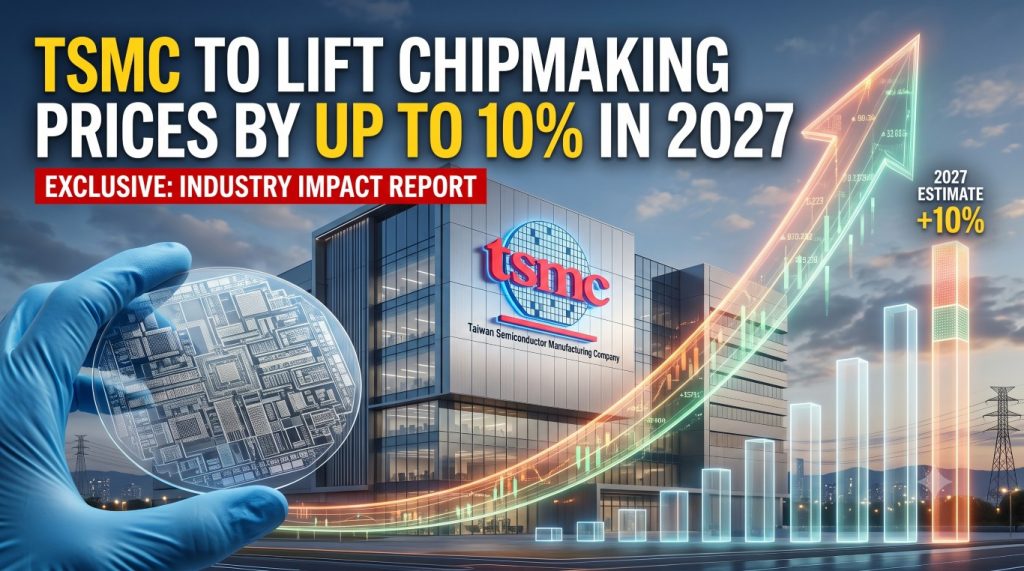
Taiwan Semiconductor Manufacturing Company is preparing to raise chipmaking prices by up to 10% beginning in 2027, according to sources cited by Reuters on 21 July. The move would be one of the company’s broadest chip-price hikes in years, affecting the advanced-node work that powers everything from iPhones to the AI accelerators inside hyperscale data centres.

Nikkei Asia, TrendForce, and CRN Asia have all corroborated the report, with TrendForce adding that high-performance computing customers — the segment that includes NVIDIA, AMD, and Apple’s M-series chips — face additional premiums stacked on top of the baseline 10%. The reset is set to land just as 2nm volume production ramps and demand for AI training silicon continues to outstrip supply.
Why TSMC Is Raising Now
Industry watchers point to two converging cost pressures. First, TSMC’s leading-edge fabs in Hsinchu and Tainan are pushing into more capital-intensive territory with 2nm Gate-All-Around transistors and High-NA EUV lithography machines that cost nearly US$400 million each. Second, customer demand — particularly from AI hyperscalers — has effectively outgrown TSMC’s ability to add capacity as fast as orders arrive. Reuters’ sources say Apple was already informed of the increase and has begun negotiations on how to absorb or pass through the change.
The upshot is that TSMC is converting a tight supply environment into firmer pricing power. Given that TSMC holds roughly 60% of the world’s contract chipmaking market and effectively monopolises leading-edge production, customers have limited alternatives. Samsung Foundry and Intel Foundry Services remain credible second-source options — but at maturity levels that do not yet match TSMC’s 3nm and 2nm output.
What It Means for Malaysia’s Semiconductor Corridor
Malaysia does not host any front-end foundry at TSMC’s scale, but the country punches well above its weight in OSAT — outsourced semiconductor assembly and test. Penang alone accounts for roughly 5% of global back-end semiconductor capacity, with major operations from ASE Technology, Inari Amertron, Unisem, Globetronics, and a growing list of new entrants including Germany’s AIXTRON and US-based MKS Instruments.
A TSMC price hike does not directly raise costs for these players — they do not buy wafers from TSMC. But it does signal that front-end chip prices are rising, which typically gets passed downstream as customers try to protect their own margins. If Apple, NVIDIA, or AMD renegotiates orders or trims volumes in response, Malaysian OSATs can see order book volatility a quarter or two later. On the flip side, higher chip values often translate into more rigorous test requirements — good news for the high-mix, high-value test work that Penang is increasingly known for.
Our Take
This is essentially a confirmation of something the industry has been quietly bracing for: in a tight AI-driven silicon cycle, the world’s most important foundry is signalling that the era of cheap-density gains is over, at least at the leading edge. For most consumers this will be invisible — the increase will not show up in a phone’s retail tag, but it will show up in Apple’s gross margin commentary in late 2027. For Malaysia, the more interesting thread is whether higher front-end pricing accelerates the China+1 OSAT expansion already visible across Penang and Kulim, or freezes customer budgets before that expansion completes. Watch the next few quarterly results from Inari Amertron and Globetronics for early signals.
Source
- Reuters — Contract chipmaker TSMC to raise prices by up to 10% in 2027, sources say
- Nikkei Asia — Exclusive: TSMC to raise chipmaking prices by up to 10% from 2027
- TrendForce — TSMC Reportedly Plans Up to 10% Price Hikes in 2027, with Extra HPC Premiums
- CRN Asia — TSMC’s 2027 price rise could drive up costs for everything