
ASUS TUF Gaming T500 (2025) Mini Tower Gaming PC Review

ASUS TUF Gaming T500
The ASUS TUF Gaming T500 delivers solid gaming performance and a unique design. A strong contender, balancing power and footprint for enthusiasts.
Positives
- Striking "mecha anime" inspired design with RGB lighting.
- Robust Intel Core i7-13620H processor with good performance
- Effective hybrid cooling solution with custom heatsinks and fan.
- Compact footprint and comprehensive warranty.
Negatives
- 8GB VRAM on the GPU can be a bottleneck at higher resolutions and maxed-out settings (e.g., Monster Hunter Wild at 4K).
- Intel mobile CPU solution, though powerful, might be perceived differently by some users compared to desktop-specific CPUs.
- The RAM's aluminum plate might somewhat obstruct airflow, though its impact is likely minimal.
- At RM 6,999, custom-built PCs might offer higher-end GPUs.
Table of Contents
ASUS TUF Gaming T500 Overview
Build
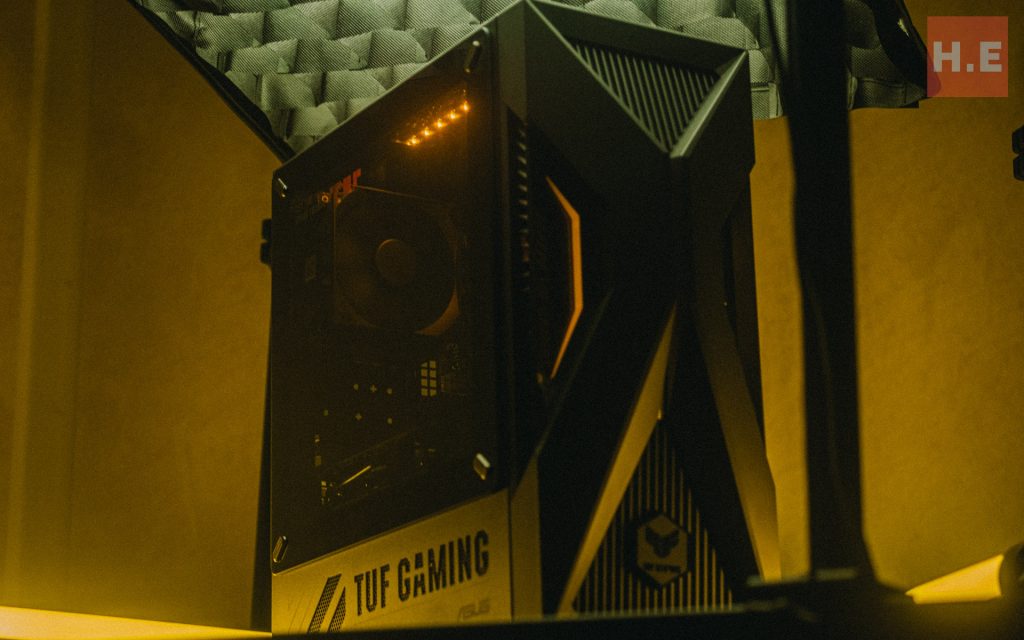
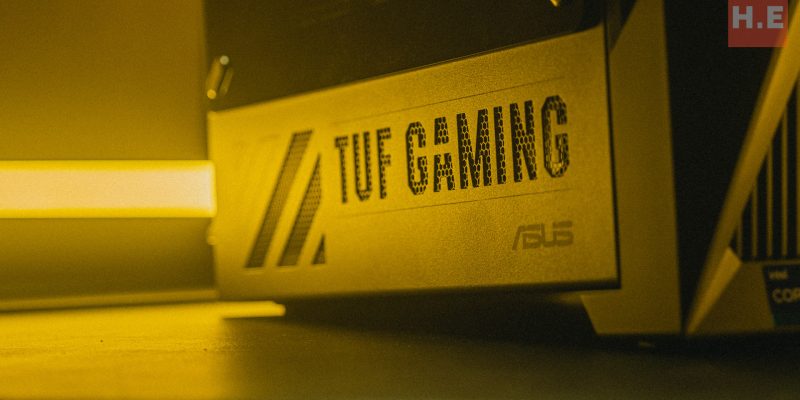
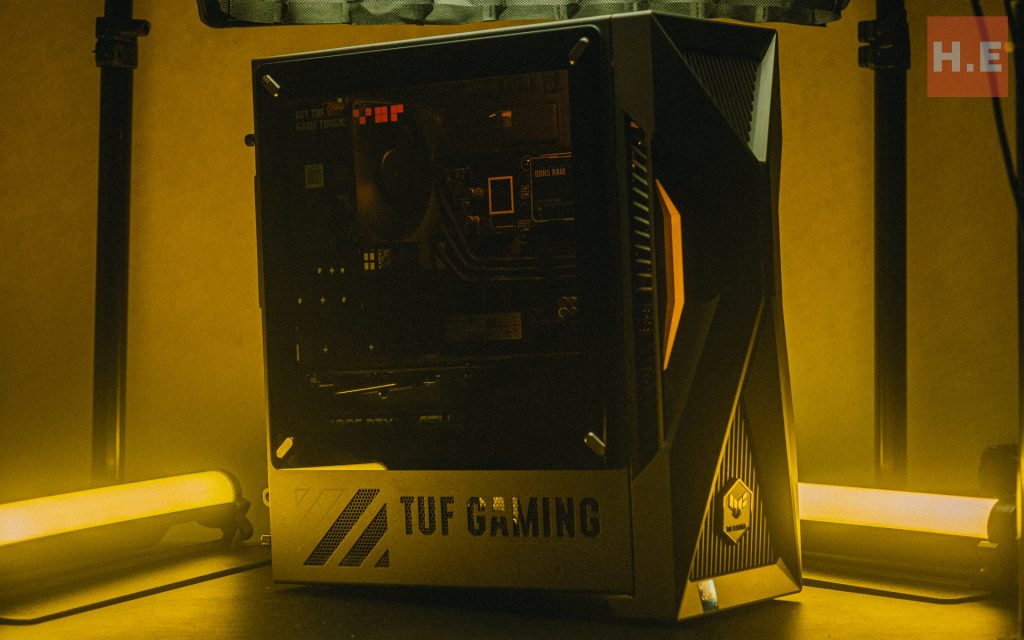
The ASUS TUF Gaming T500 (2025) presents a striking aesthetic, drawing inspiration from “mecha anime” with its bold lines and futuristic elements. The front of the tower particularly evokes the appearance of a spaceship, and if offered in a white color option, it would seamlessly integrate into the sleek, high-tech interior designs reminiscent of Alien Romulus’s spaceship, as envisioned by Naaman Marshall.
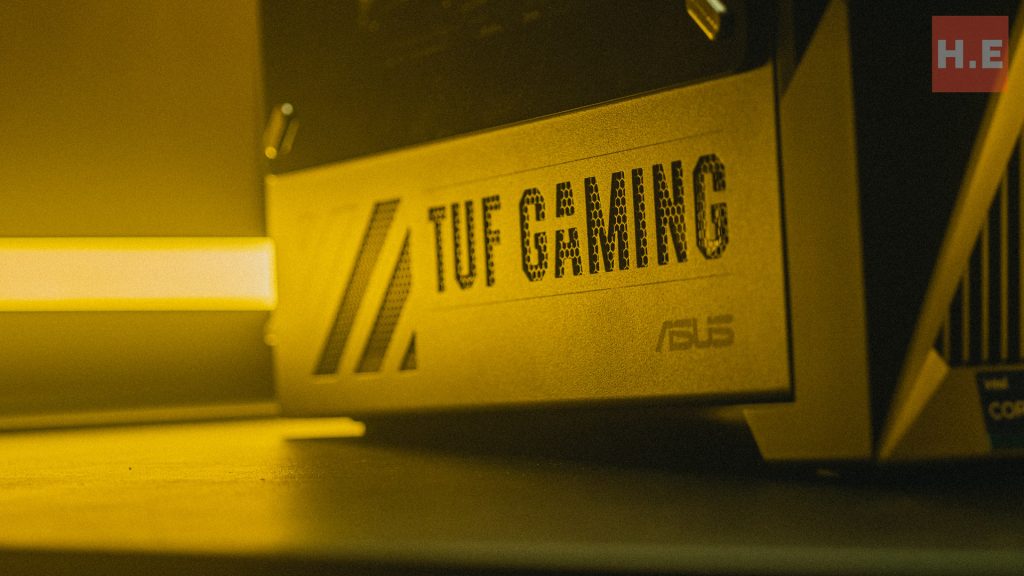
Users have a choice between two distinct side panels: a transparent tempered glass panel that offers an enticing view of the internal components, or a meshed metal plate designed for enhanced airflow and durability.
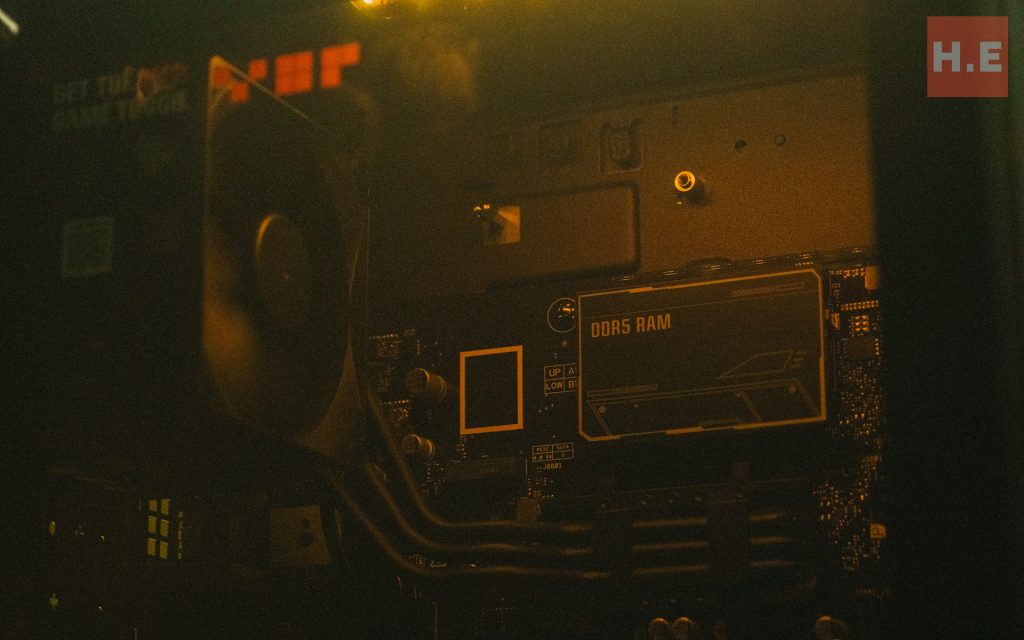
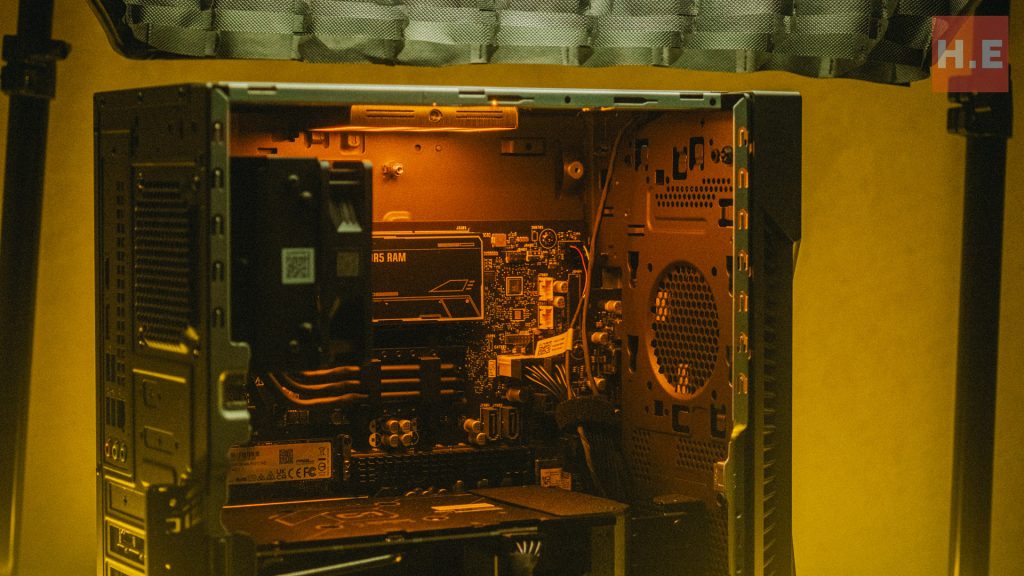
With the tempered glass panel, the internal hardware is softly illuminated by TUF-themed yellow lighting, which cleverly takes its cue from the “optical sensors on mecha robots.”
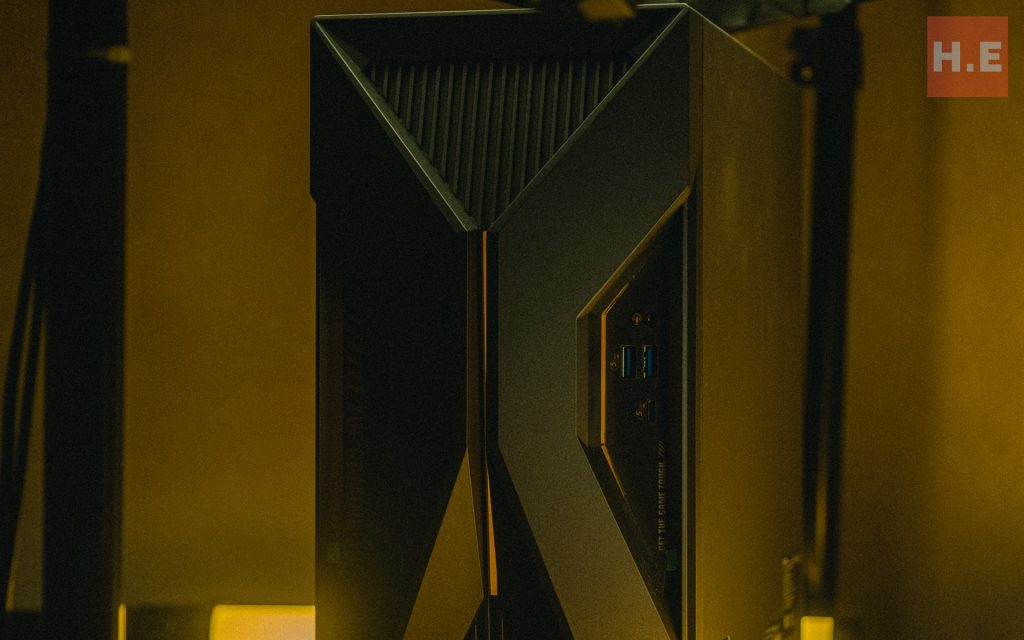
This integrated lighting is, in fact, RGB, allowing users the flexibility to customize the color to suit their personal preferences. The same dynamic lighting is also present on the front panel, providing practical assistance in low-light conditions.
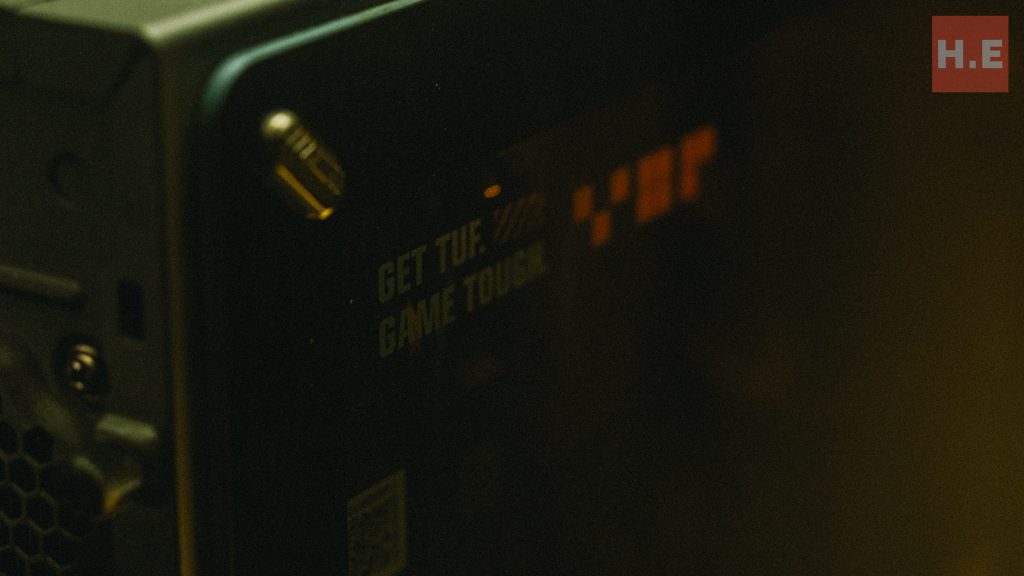
Overall, the T500’s design embodies a strong, cohesive futuristic mecha look that is both visually impressive and highly functional.
I/Os
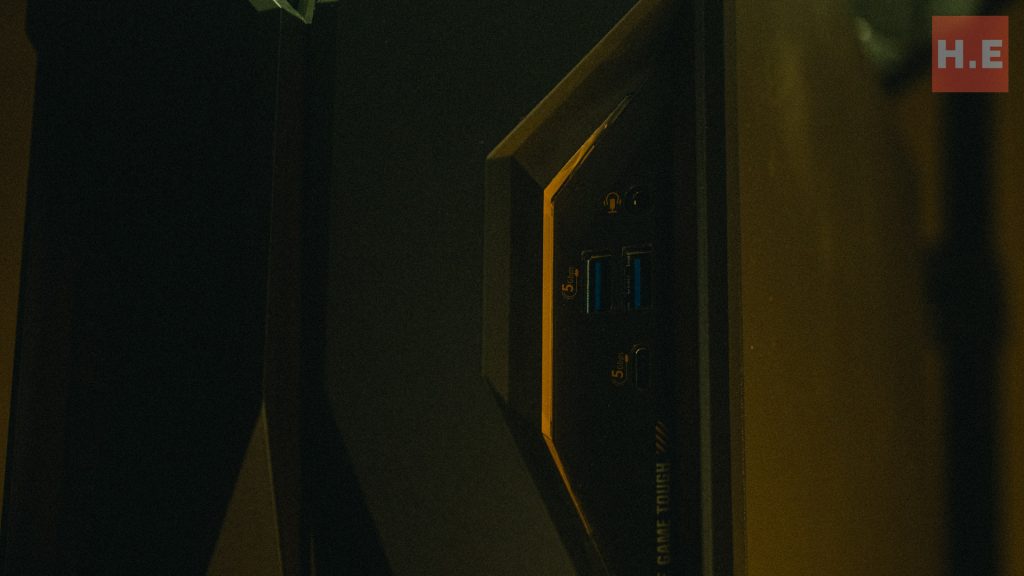
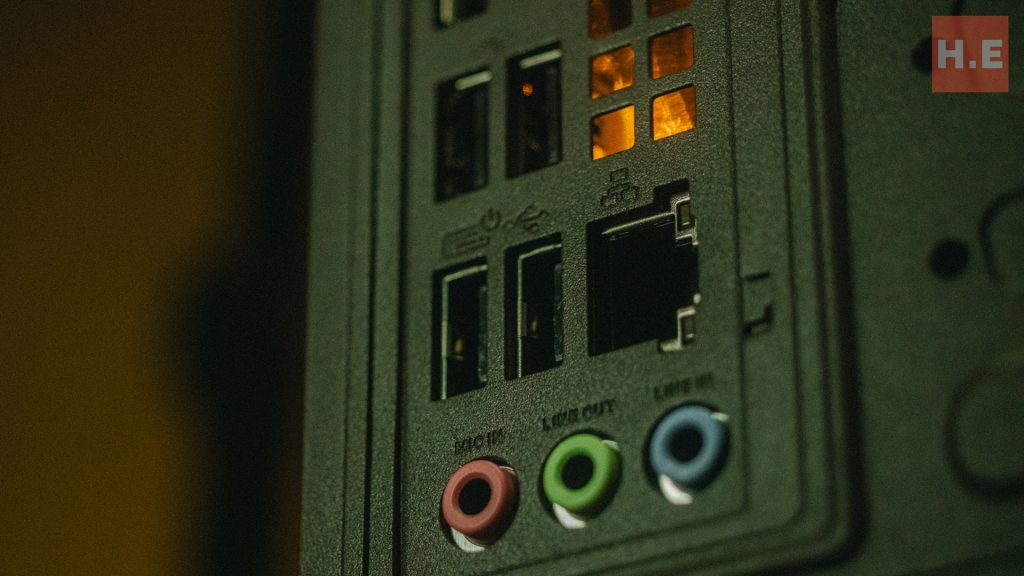
The desktop is equipped with a comprehensive selection of input/output ports, strategically placed for user convenience. On the front panel, easily accessible for peripherals and quick connections, you will find a single audio combo jack, two USB 3.2 Gen 2 Type-A ports, and one USB 3.2 Gen 1 Type-C port. Complementing these, a subtle light indicator on the front panel aids visibility and usability, particularly in dimly lit environments.
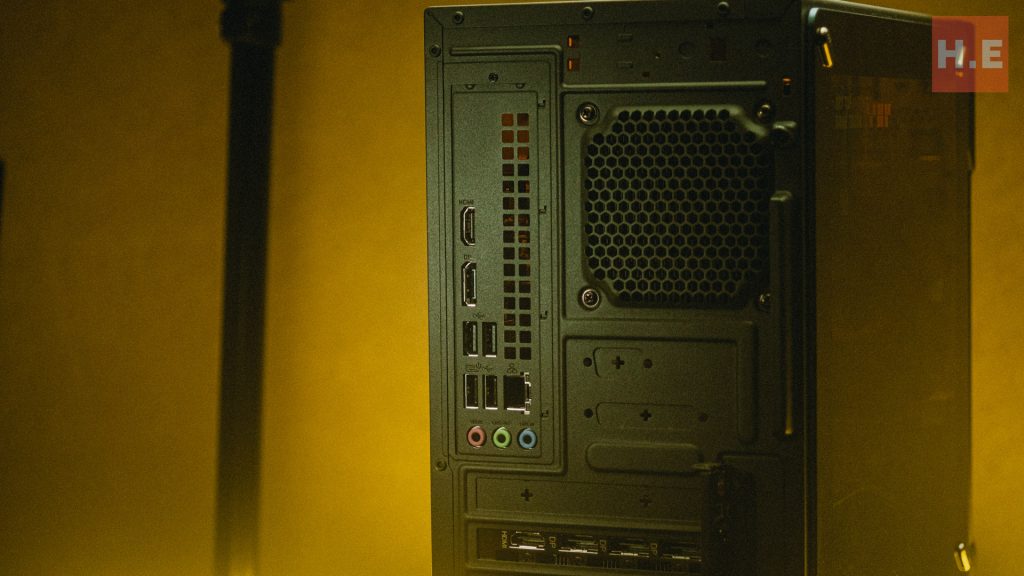
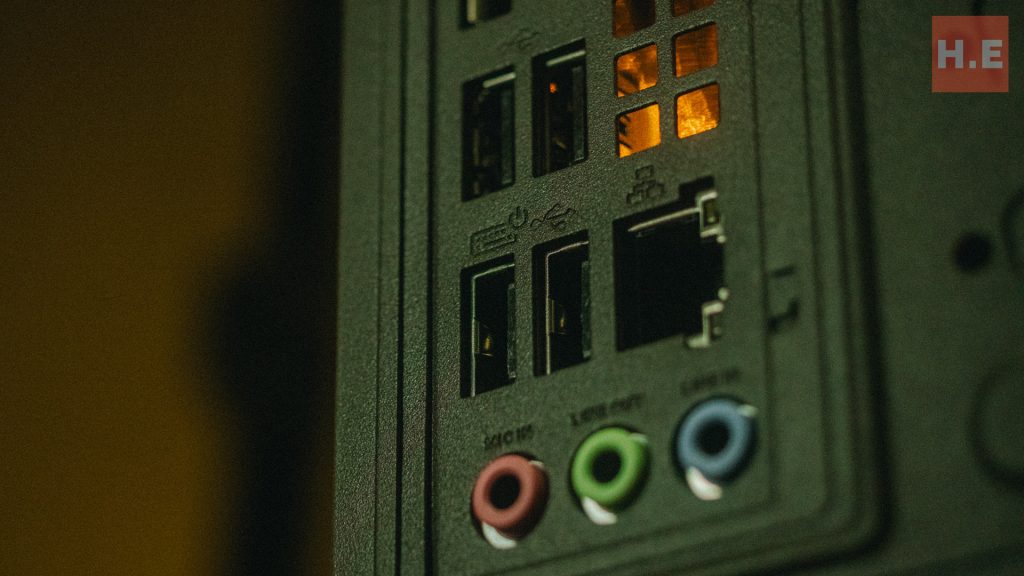
The rear panel offers a more extensive array of connectivity options, including an HDMI port and a DisplayPort for versatile display outputs. Additionally, there are four USB 2.0 Type-A ports for various peripherals, a Realtek 1Gb Ethernet port for stable wired network connections, and a full 7.1 audio jack setup to support immersive sound experiences.
ASUS TUF Gaming T500 Internal
CPU
The ASUS TUF Gaming T500 (2025) is powered by the Intel Core i7-13620H Processor, a robust 13th-generation CPU from Intel’s Raptor Lake family. This processor features a sophisticated hybrid architecture, combining six high-performance cores with four efficient cores, totaling 10 cores and 16 threads, designed to handle a wide range of computing tasks.
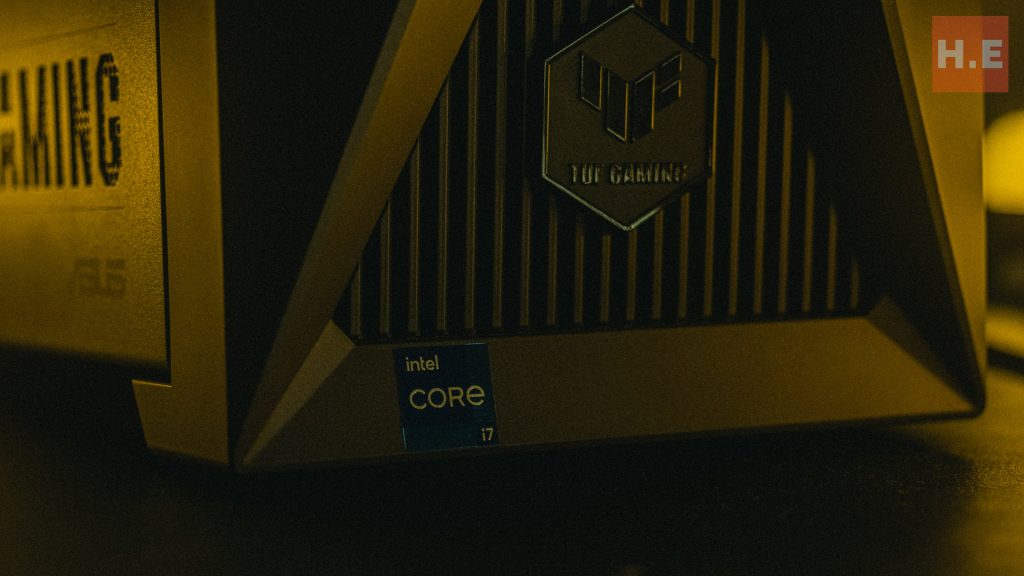
Its performance cores operate at a base clock speed of 2.4 GHz, while the efficient cores run at 1.8 GHz, with the capability to reach a maximum turbo boost frequency of up to 4.9 GHz. The processor’s thermal design power (TDP) is configurable between 35-45 W, and it can achieve a maximum turbo power of 115 W.
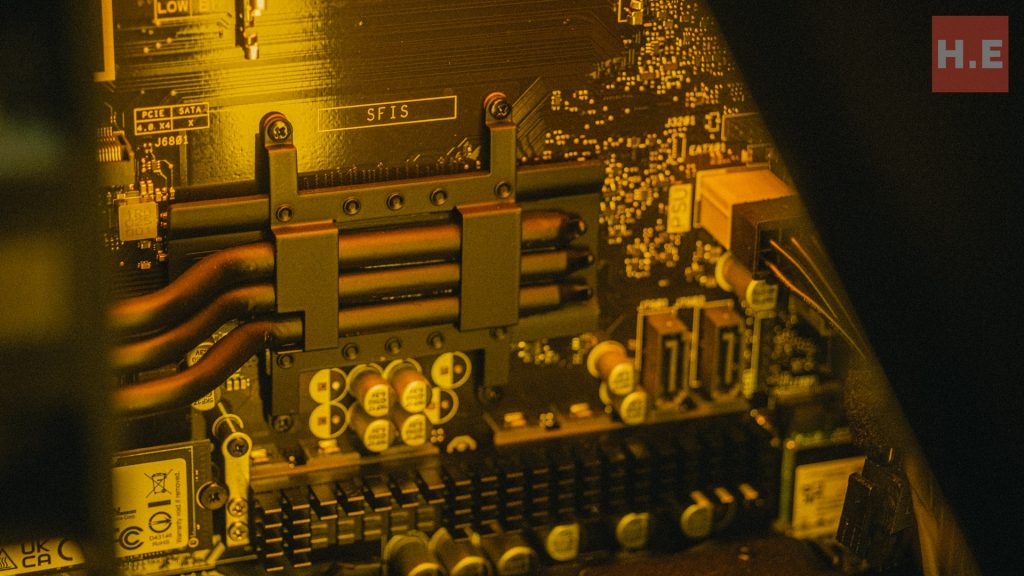
Notably, this is an Intel mobile solution, similar to those found in high-end laptops like the ASUS Expert Center V500, indicating that while primarily designed for mobile platforms, it is more than powerful enough to effectively drive the desktop system, delivering excellent performance for gaming and demanding applications. An integrated Intel UHD Graphics GPU is also present, handling basic graphical tasks.
RAM
The TUF Gaming T500 is equipped with single plate of Neo Forza 16GB DDR5 5600 Sodimm ram. The ram is operating at a voltage of 1.1V, and runs at a speed of 5600 MHz, CLS 46, with latency of 46-46-46.
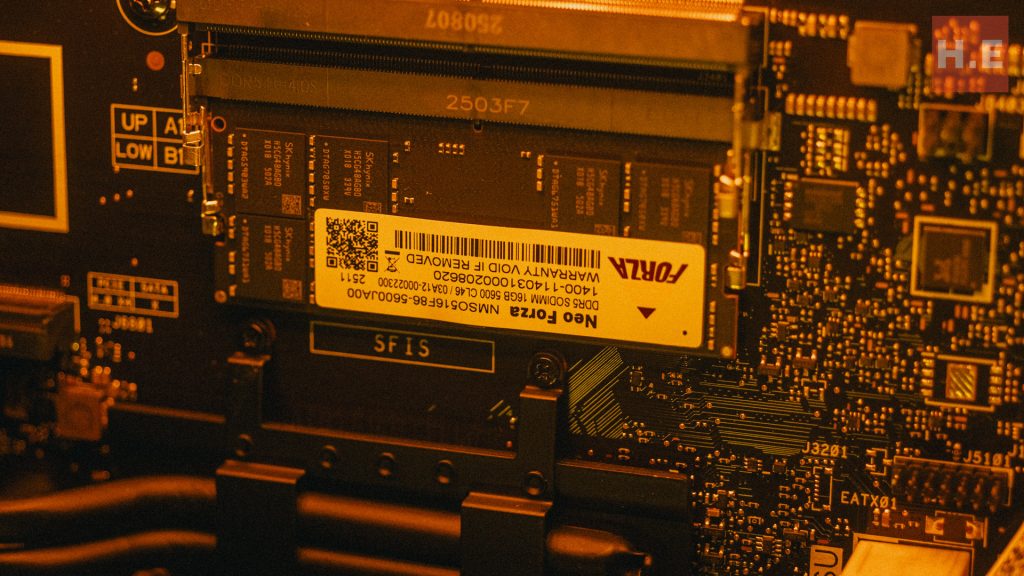
While CL46 isn’t the absolute lowest latency available in DDR5, the high transfer speed of 5600 MHz helps to compensate, ensuring that the system can process data quickly. This combination offers a balance of performance and efficiency, making it well-suited for a modern gaming desktop like the TUF Gaming T500.

Visually, the RAM is neatly tucked away behind a large aluminum plate, a design choice that while presents a clean, would distrab heat dissipation due to the blocking off moving air. however, this is may have little impact for the performance due to the little amount of heat generated.
GPU
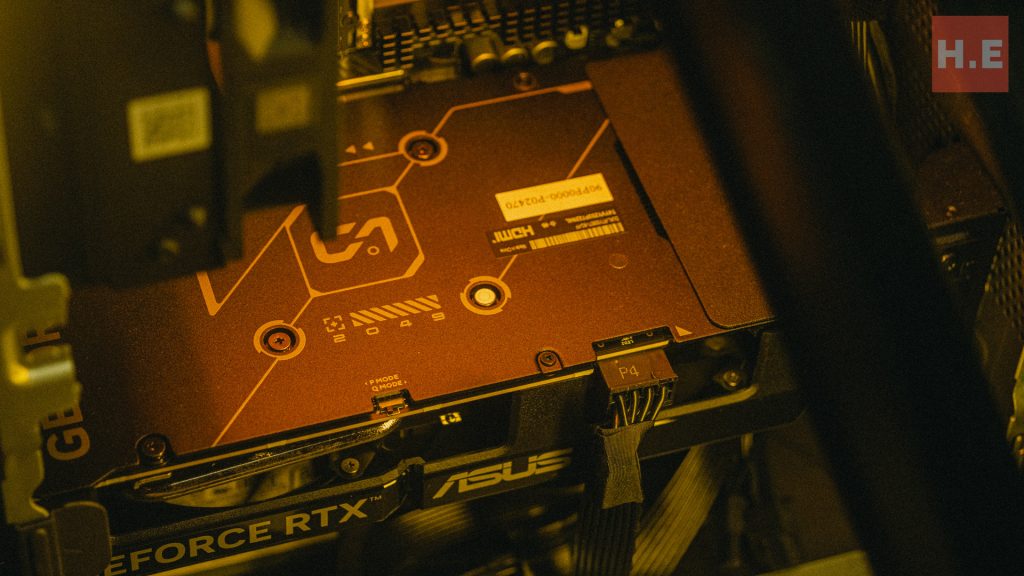
The graphics processing power in this configuration comes from the NVIDIA GeForce RTX 5060TI DUAL 8GB GDDR7 GPU. This performance-segment graphics card is built upon NVIDIA’s latest Blackwell architecture, boasting 4608 CUDA cores to handle intensive graphical workloads.
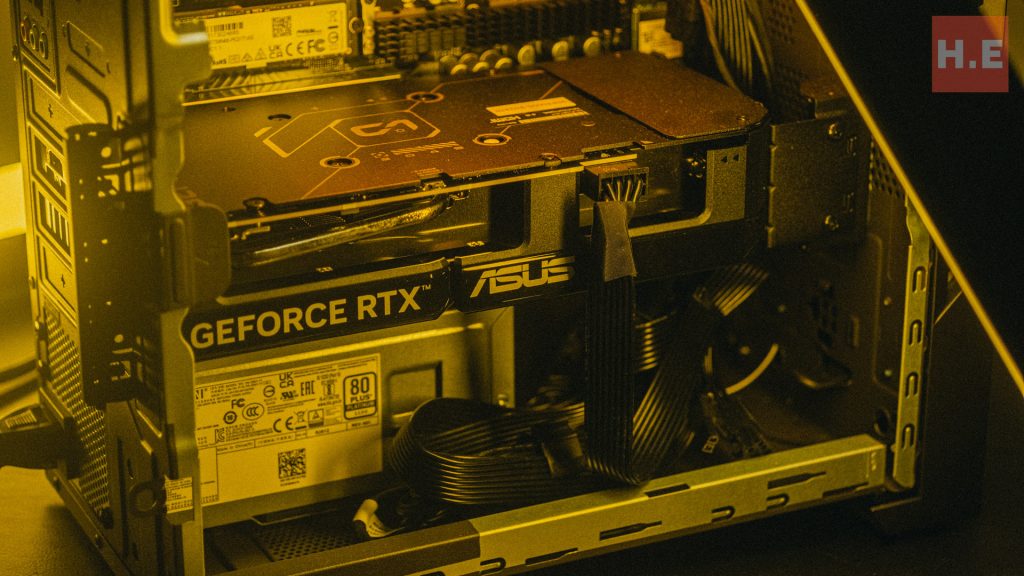
The GPU operates with a robust boost clock speed of up to 2572 MHz and is paired with 8 GB of GDDR7 memory, which runs at an effective speed of 28 Gbps through a 128-bit memory bus. This powerful combination ensures smooth and high-fidelity gaming experiences.
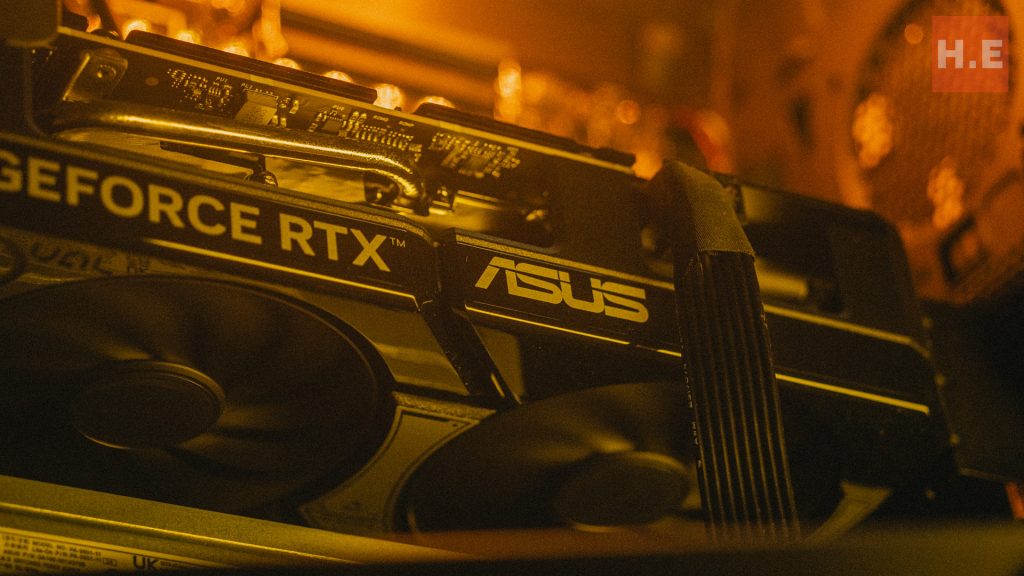
The card draws a maximum of 180W of power and seamlessly integrates into the system via a PCI-Express 5.0 x8 interface. Furthermore, it leverages NVIDIA’s cutting-edge features, including DLSS 4 with Multi Frame Generation for AI-enhanced graphics, fourth-generation Ray Tracing Cores for realistic lighting and reflections, and fifth-generation Tensor Cores dedicated to accelerating AI performance in various applications and games.
Benchmark
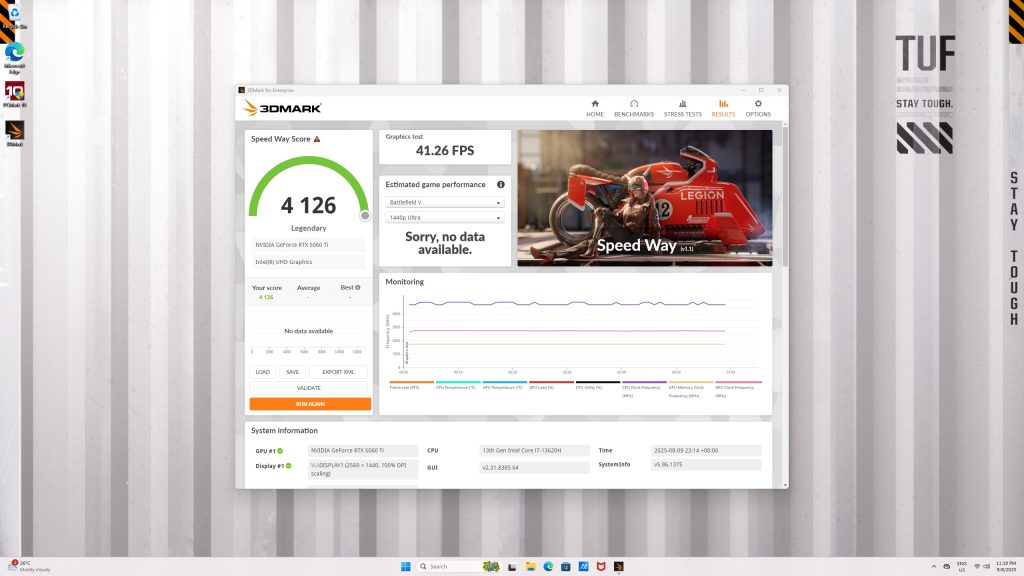
In synthetic benchmark tests, the ASUS TUF Gaming T500 (2025) demonstrates strong performance. In 3DMark Speed Way, a demanding DirectX 12 Ultimate benchmark, it achieved a score of 4126, indicating its capability with modern graphics technologies.
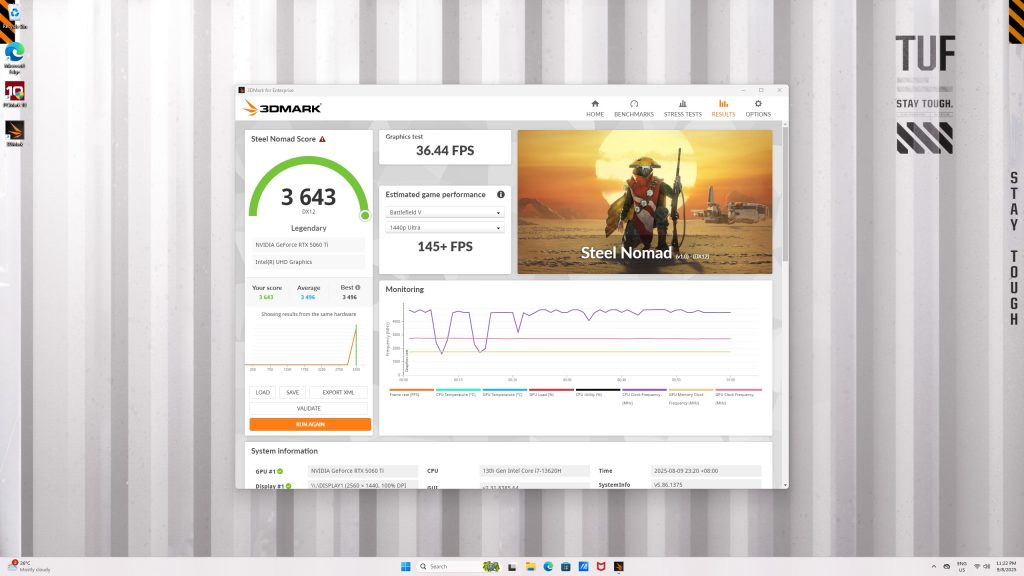
For 3DMark Steel Nomad, which evaluates performance in heavy gaming workloads, it scored 3643. The 3DMark Port Royal test, specifically designed for real-time ray tracing performance, yielded an impressive score of 14083. Furthermore, in the NVIDIA DLSS feature test, the system showed a remarkable improvement in frame rates; with DLSS turned off, it managed 30.97 frames per second, which dramatically increased to 123.72 frames per second when DLSS was enabled.
This significant jump highlights the effectiveness of NVIDIA’s AI-powered upscaling technology in boosting performance without a substantial loss in visual quality.
Cooling
The cooling solution implemented in the ASUS TUF Gaming T500 (2025) is meticulously designed for robust thermal management, ensuring optimal performance even under heavy loads.
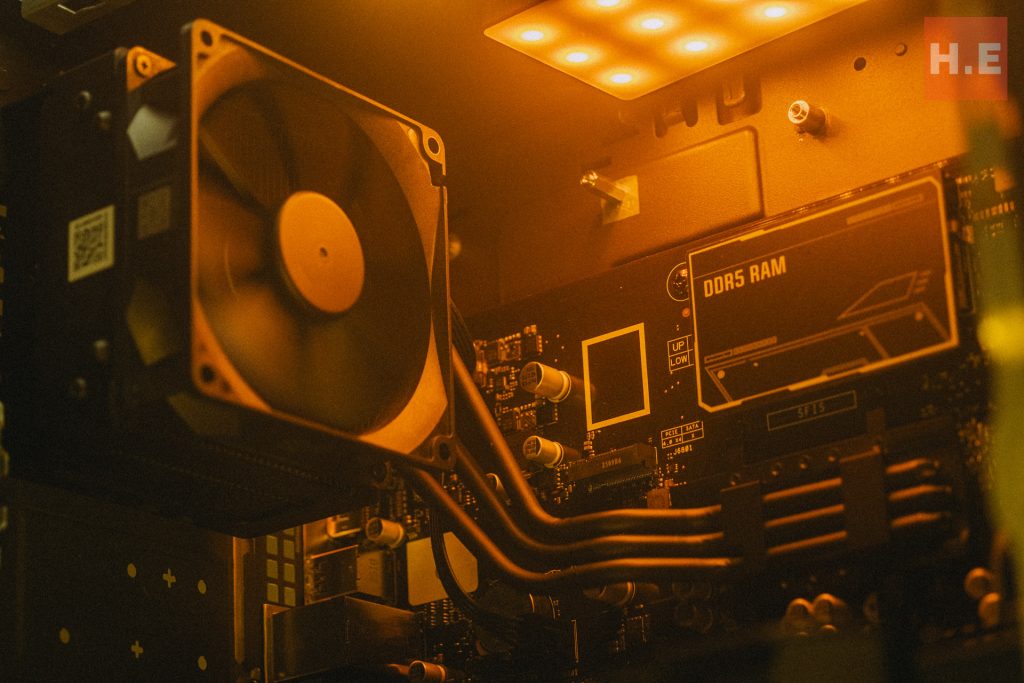
It incorporates custom heatsinks paired with efficient copper heatpipes, which are crucial for drawing heat away from critical components. A dedicated 90mm cooling fan further aids in dissipating this heat.
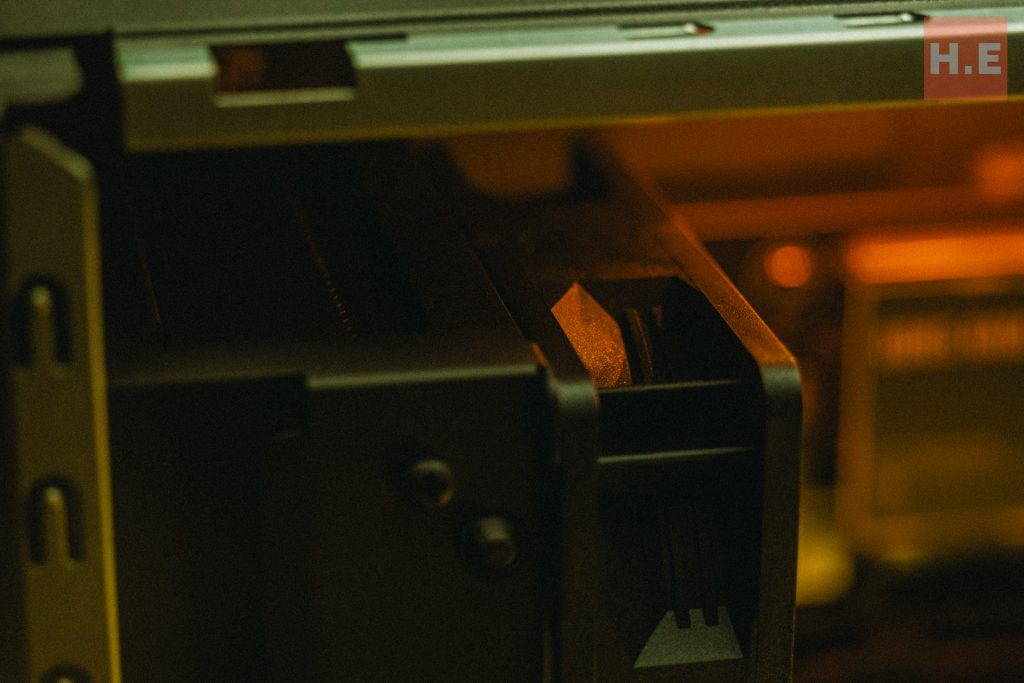
This entire setup benefits from a hybrid cooling approach, mirroring the effective design seen in the Expert Station V500. What makes this design particularly unique is its dual functionality: it not only actively pulls out hot air generated within the system, but the strategic placement and efficiency of the heat pipes also contribute significantly to maintaining lower operating temperatures.
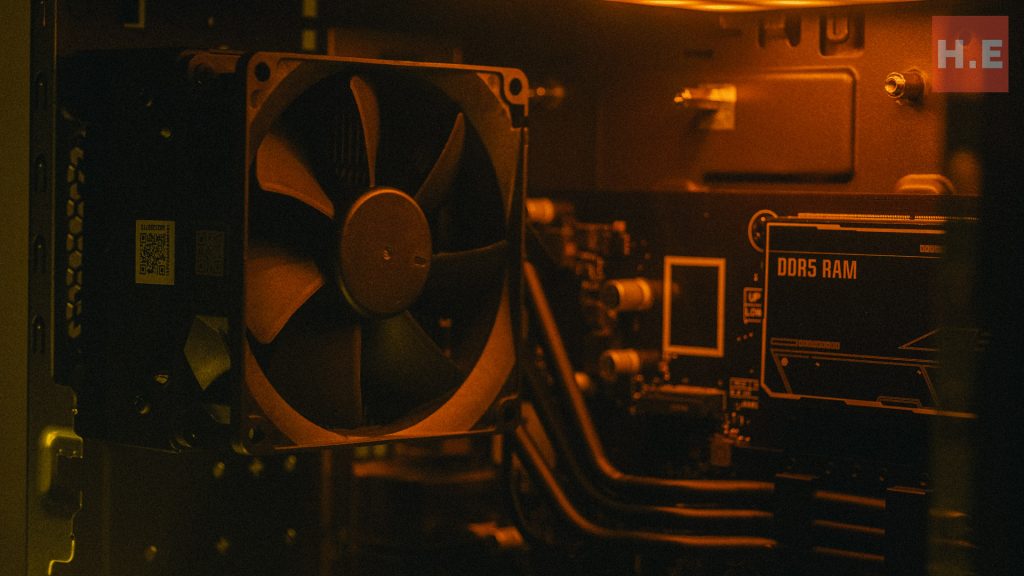
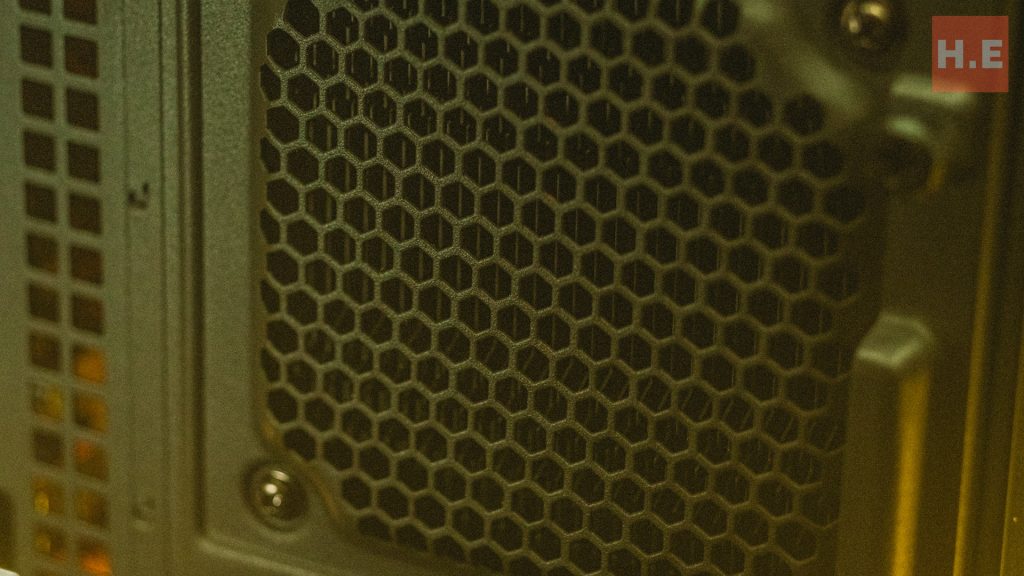
Beyond the active cooling components, the chassis itself is engineered with ample internal space, promoting excellent natural airflow throughout the system to keep all components running at their optimal thermal levels.
Storage and Expansion
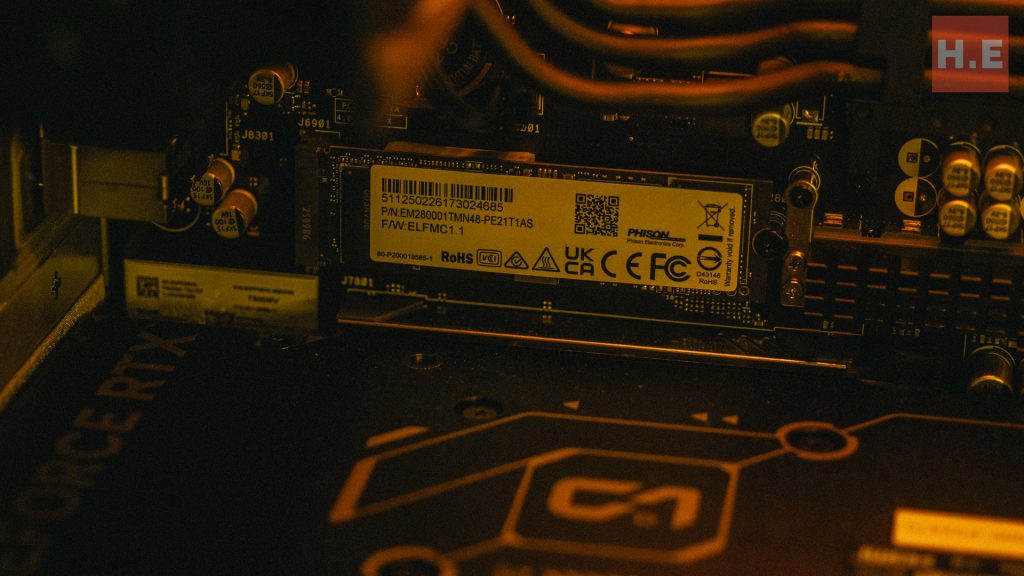
For storage, the ASUS TUF Gaming T500 includes a 1TB M.2 2280 NVMe PCIe 4.0 SSD. With modern AAA titles easily taking up 50GB per title, a high amount of storage is necessary. We will not delve too much into the expansion capabilities here, as they are similar to those of the ASUS ExpertCenter P500; please refer to our review of the P500 for more details on expansion.
Networks
For seamless connectivity, the ASUS TUF Gaming T500 (2025) offers a comprehensive suite of networking options. For a stable and high-speed wired connection, it is equipped with a Realtek 1Gb Ethernet port, ideal for competitive online gaming and large file transfers where low latency is critical.
In terms of wireless capabilities, the desktop features a dual-band Wi-Fi 6 (802.11ax) card with a 2×2 configuration. This advanced Wi-Fi standard ensures a stable, fast, and efficient wireless connection, even in congested network environments, making it perfect for online gaming and streaming.
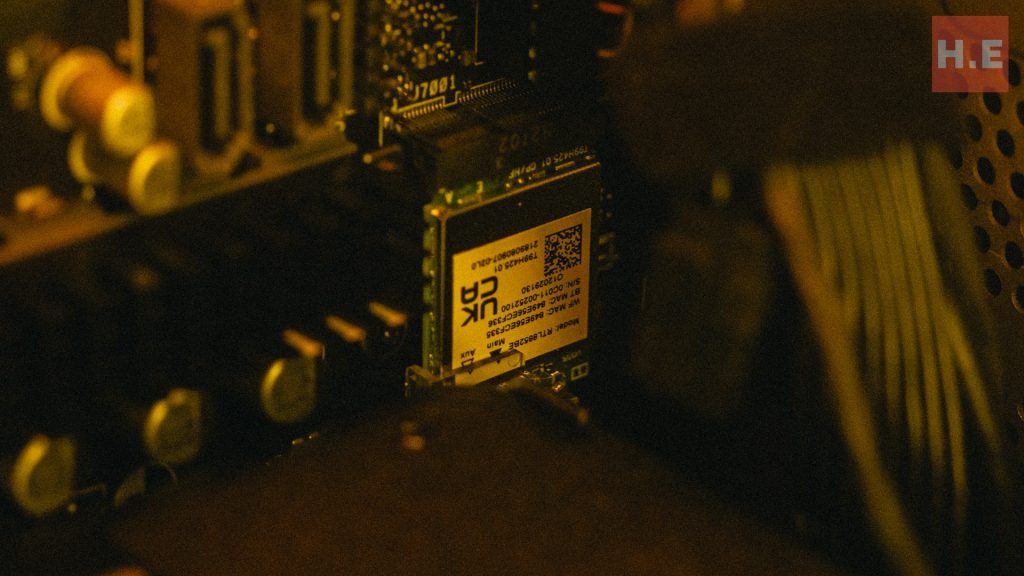
Additionally, the system includes Bluetooth 5.4, providing reliable and efficient wireless connectivity for a wide range of peripherals, such as headsets, mice, and keyboards.
ASUS TUF Gaming T500 Software
The ASUS TUF Gaming T500 (2025) enhances the user experience through its integrated software ecosystem, primarily centered around ARMOURY CRATE.
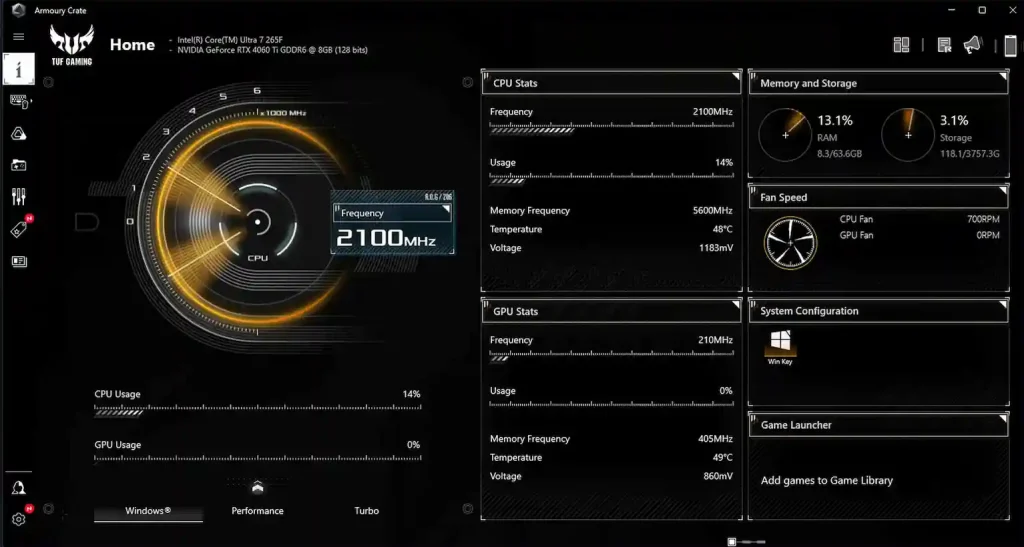
This comprehensive application serves as a central command hub, empowering users with granular control over their system’s performance and aesthetics. Within ARMOURY CRATE, users can monitor vital system parameters such as CPU, GPU, and memory temperatures in real-time, providing crucial insights into hardware health.
It also allows for dynamic adjustment of RGB lighting through Aura Sync, enabling personalized visual themes that can even synchronize with in-game events. Furthermore, users can effortlessly switch between various fan and power profiles on the fly, optimizing the system for either maximum performance during intense gaming sessions or quieter operation during less demanding tasks.
Beyond system control, the desktop is deeply integrated with NVIDIA’s advanced AI features, leveraging technologies like DLSS 4 with Multi Frame Generation for groundbreaking AI-enhanced graphics and performance, NVIDIA ACE for the development of digital humans and AI assistants, and NVIDIA Broadcast to elevate video quality with AI-powered enhancements.
ASUS TUF Gaming T500 Gaming Experience
Black Myth Wukong
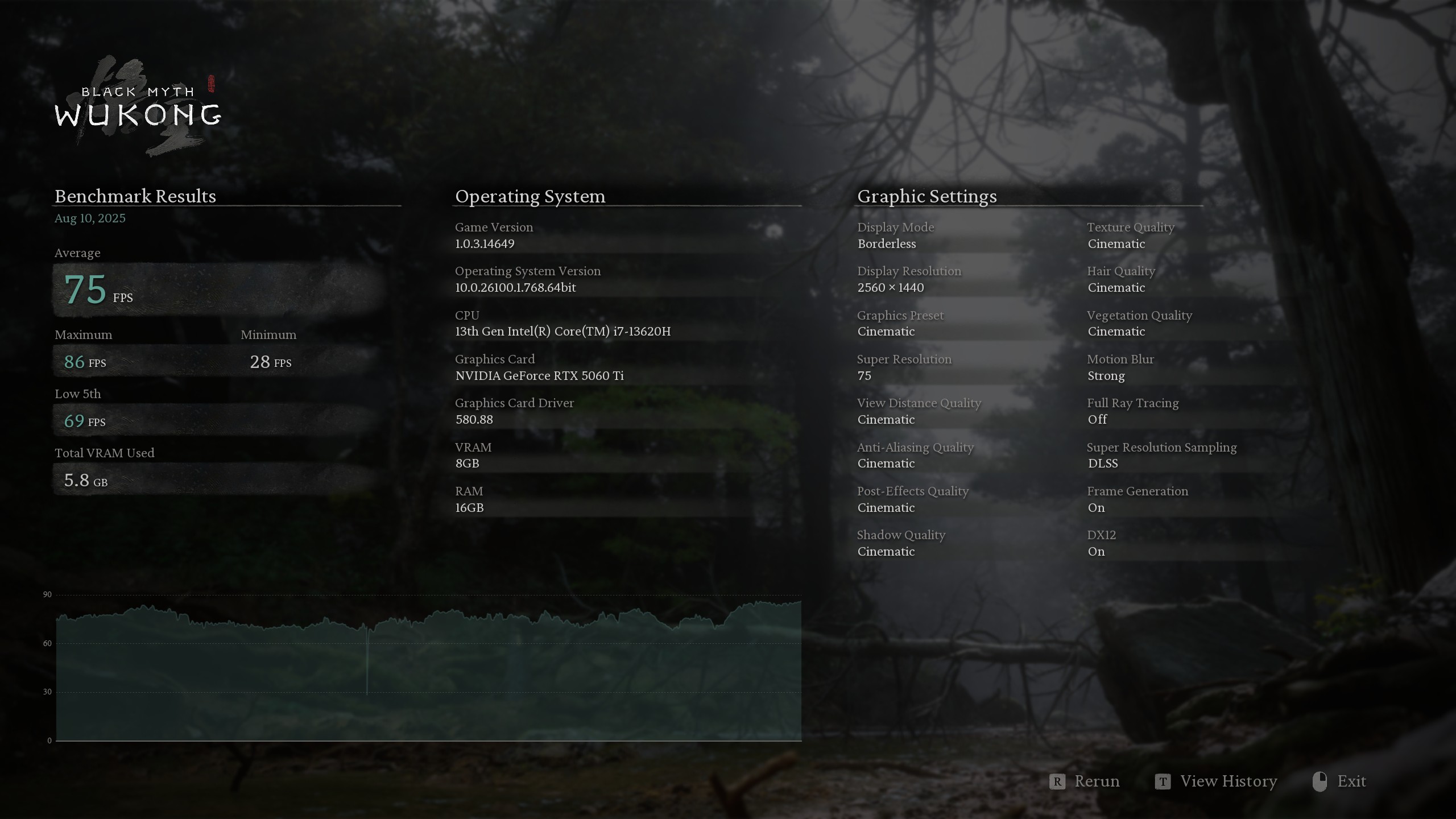
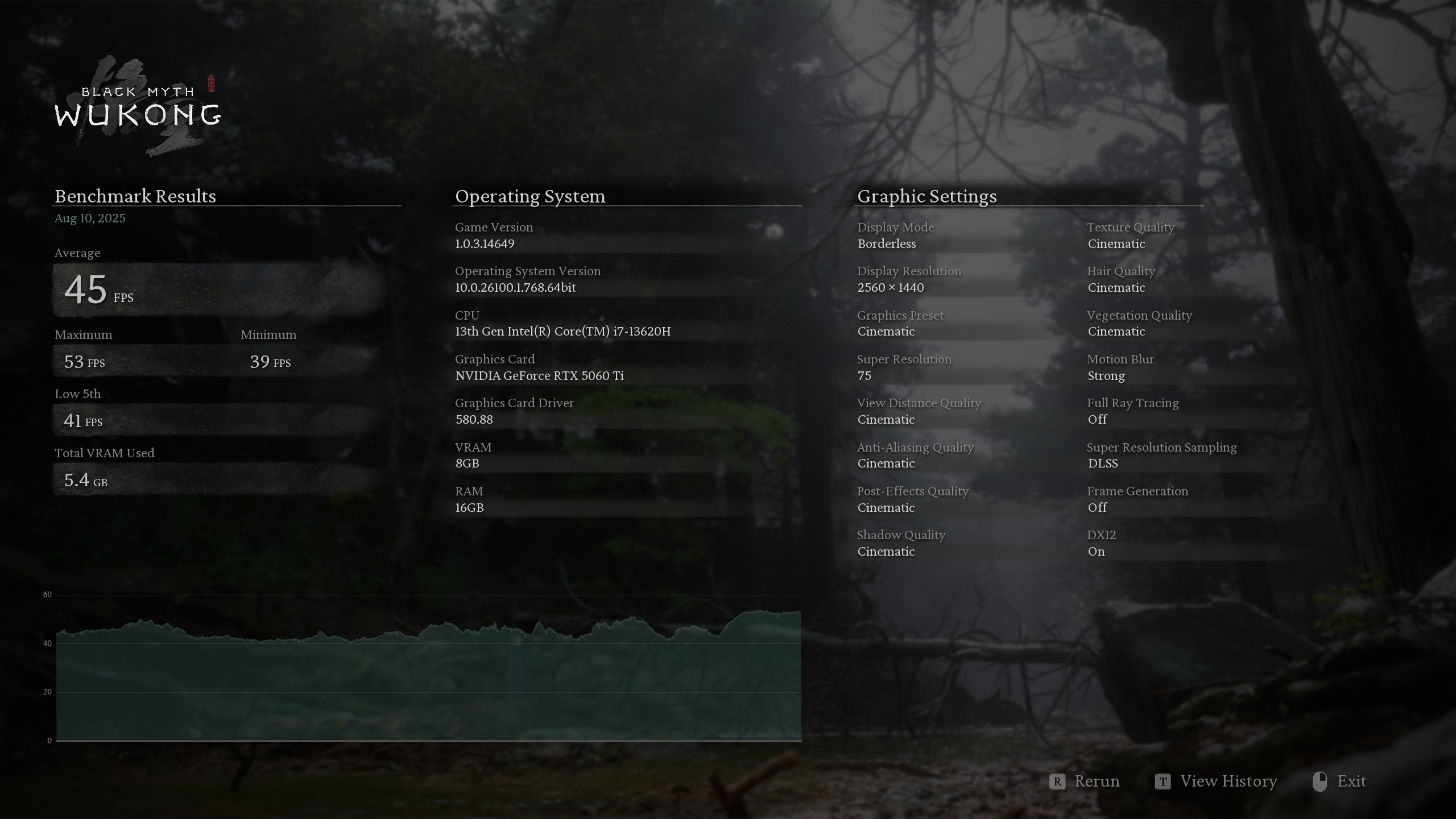
When evaluating the ASUS TUF Gaming T500‘s performance in real-world gaming scenarios, we put it through its paces with several demanding titles. In Black Myth Wukong, a generally highly demanding game, the system was able to achieve a smooth 75 frames per second (FPS) with Frame Generation enabled at 4K resolution with maxed-out settings and Ray Tracing on. Without Frame Generation, it still managed a respectable 45 FPS, ensuring a good enough and playable experience.
Monster Hunter Wilds
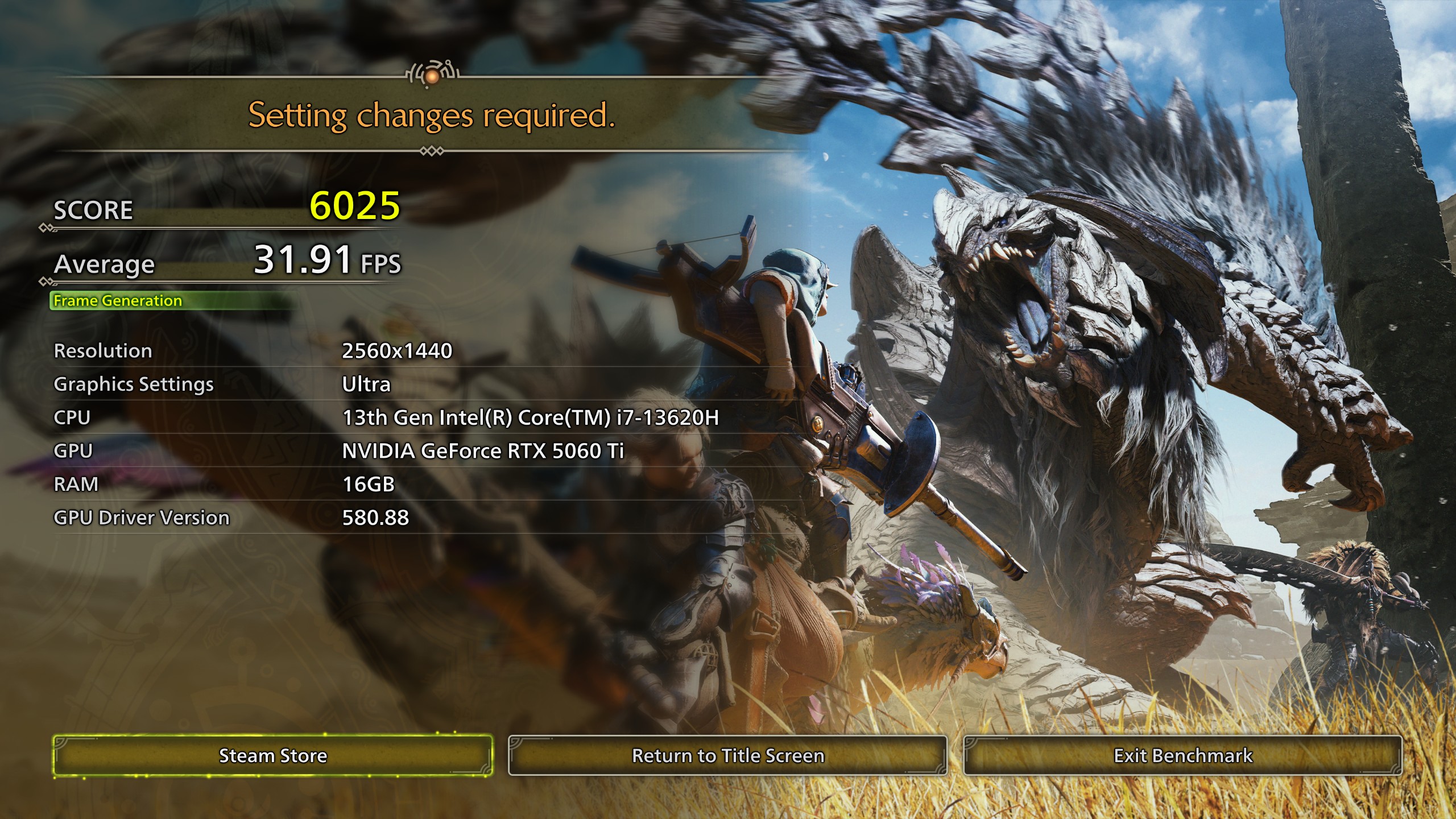
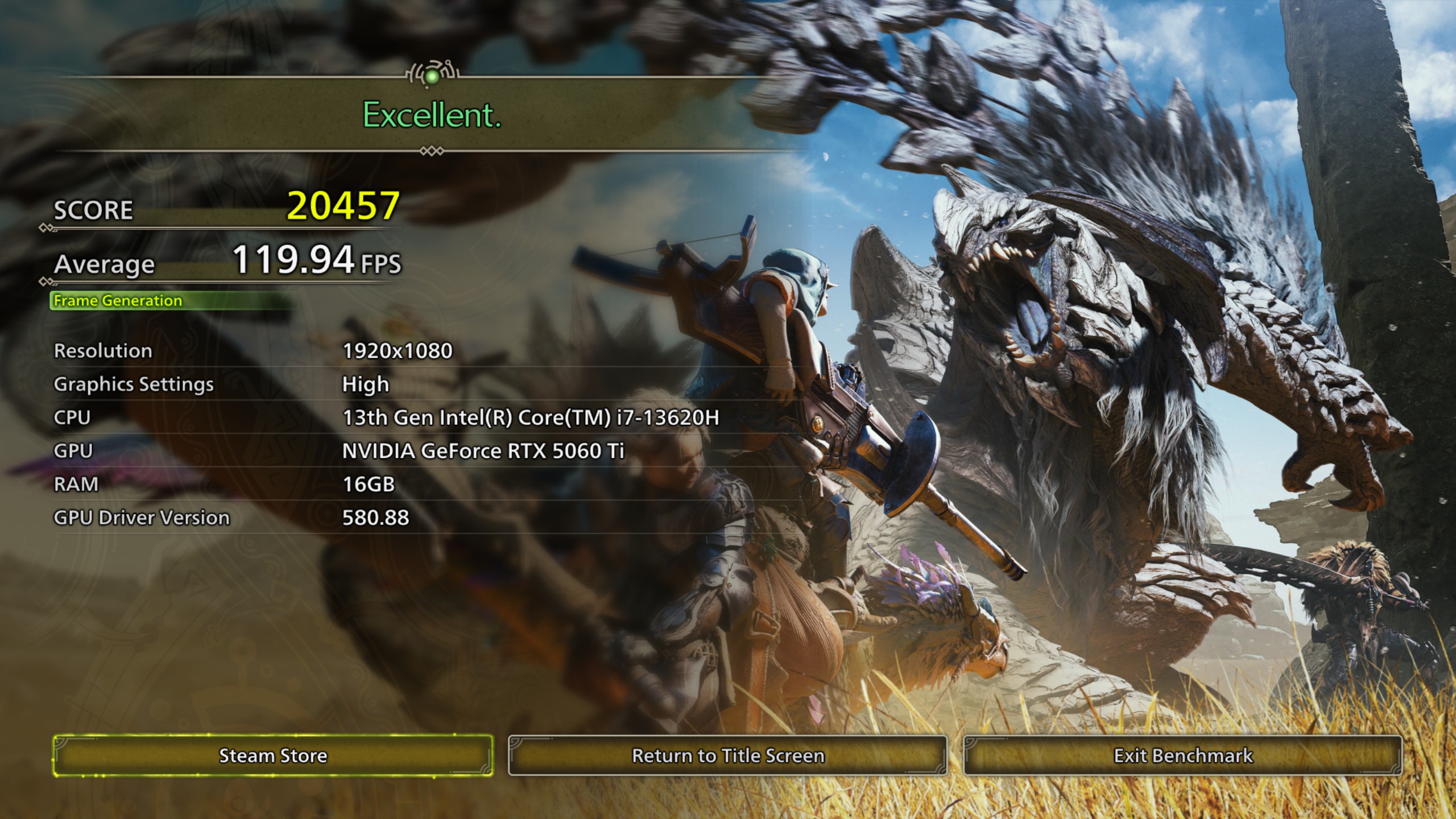
However, in Monster Hunter Wild, also at 4K resolution with maxed-out settings and Ray Tracing on, the system only managed about 31.91 FPS with Frame Generation. This lower frame rate is likely attributed to the 8GB of VRAM on the GPU, which can become a bottleneck when pushing such high resolutions and graphical fidelity, as these settings often demand more video memory than is available. When the resolution was reduced to Full HD (FHD), the game became very playable, reaching an impressive 119.94 FPS with Frame Generation and a solid 73 FPS without, demonstrating the GPU’s capabilities at lower resolutions.
Stellar Blade

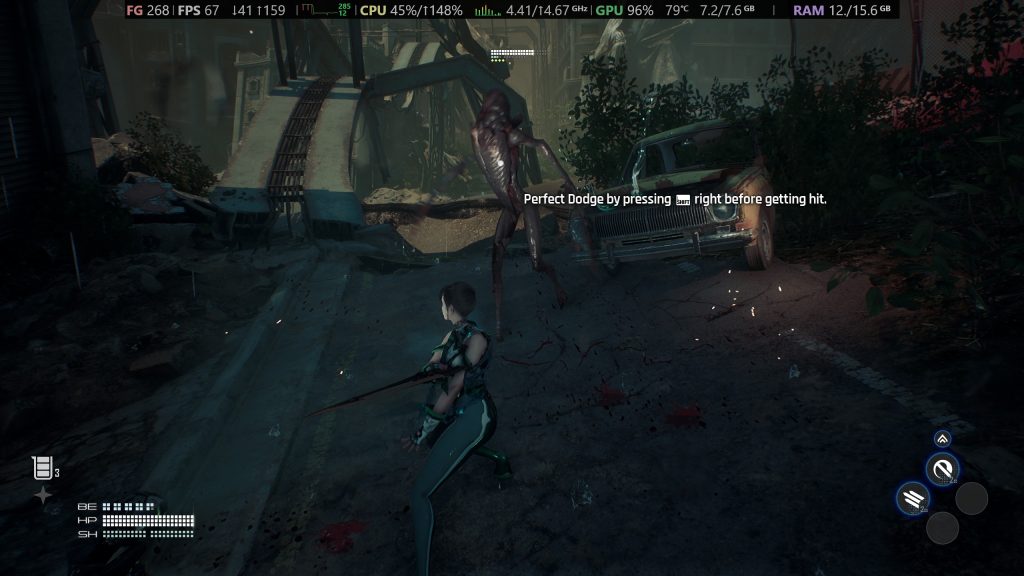
For Stellar Blade, tested at 4K resolution with maxed-out settings, and without the benefit of built-in benchmark tools, we observed the average frame rate during actual gameplay. The system consistently achieved approximately 60 FPS on average, and with Frame Generation enabled, the frame rate soared to over 260 FPS. This performance indicates that the game is exceptionally playable, ensuring a very smooth and immersive experience.
Battlefield 6
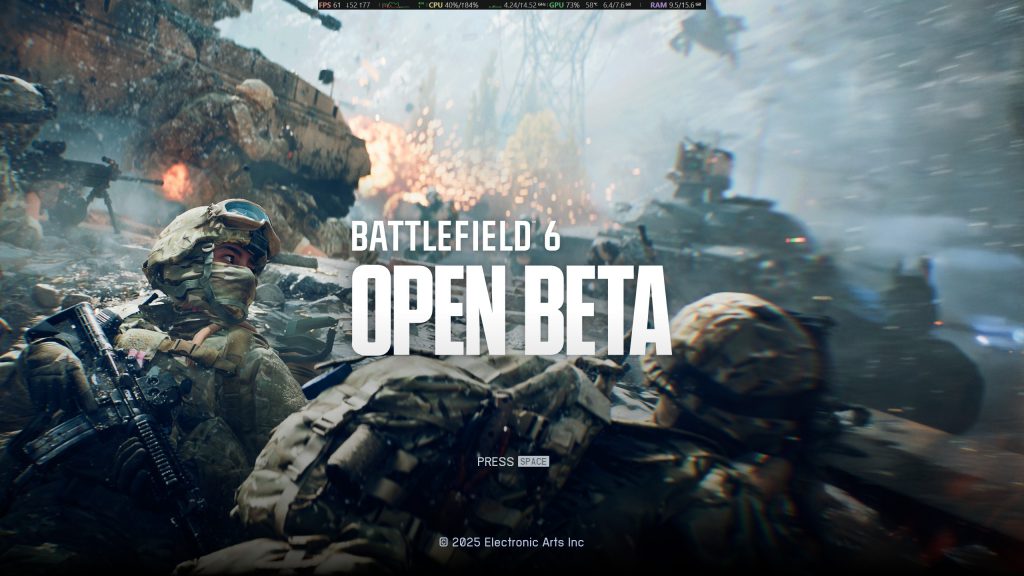
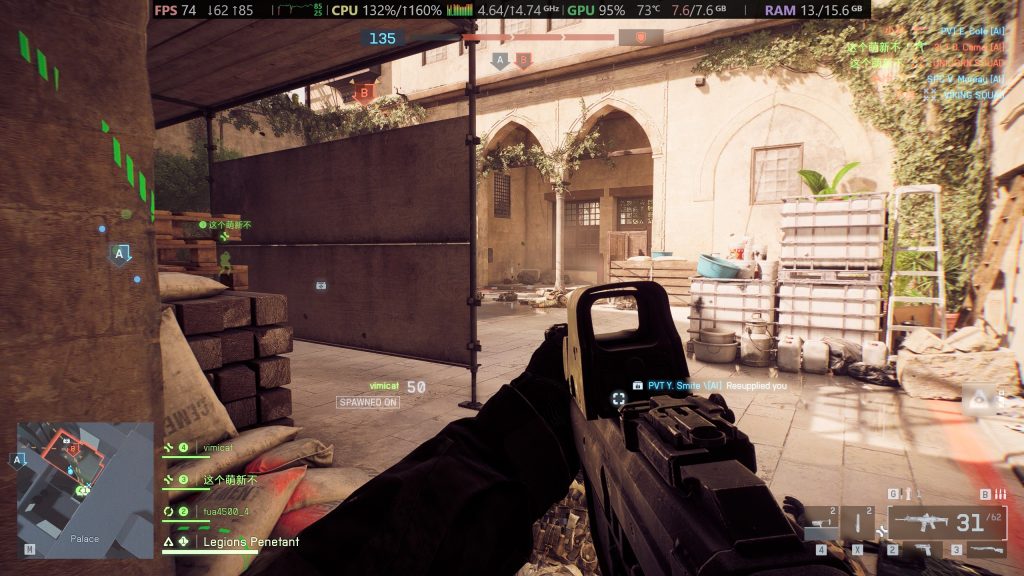
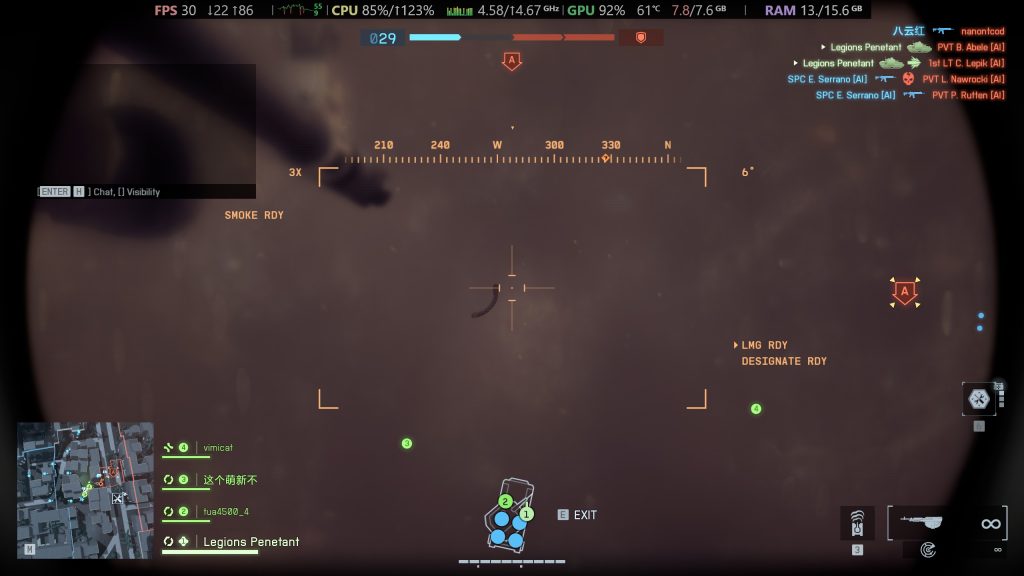
During our review, we also had the opportunity to test the system with the open-beta period for EA’s Battlefield 6. It’s important to note that this game was in beta, and these performance figures should not be considered reflective of the final game or the system’s absolute performance. Playing at 4K resolution with maxed-out settings, we experienced a volatile frame rate, averaging over 50 FPS, with peaks reaching 86 FPS and dips to 22 FPS. While occasional stutters were observed, they did not significantly detract from the fast-paced gaming experience.



ASUS TUF Gaming T500 Conclusion
The ASUS TUF Gaming T500 offers relatively good performance for modern gaming, and it’s likely capable of handling most upcoming AAA titles comfortably at Full HD resolutions. However, it may struggle at higher resolutions due to the 8GB VRAM limitation, as observed in games like Monster Hunter Wilds.
Priced at RM6,999, it’s a significant investment for a system featuring the NVIDIA GeForce RTX 5060TI DUAL 8GB GDDR7, especially when considering that custom-built PCs in a similar price range might offer higher-end graphics cards. Nevertheless, the compact footprint of the system and the assurance of a comprehensive warranty could justify its price for many users.