

What the Leica Summilux Lens Actually Means on a Smartphone Camera

Table of Contents
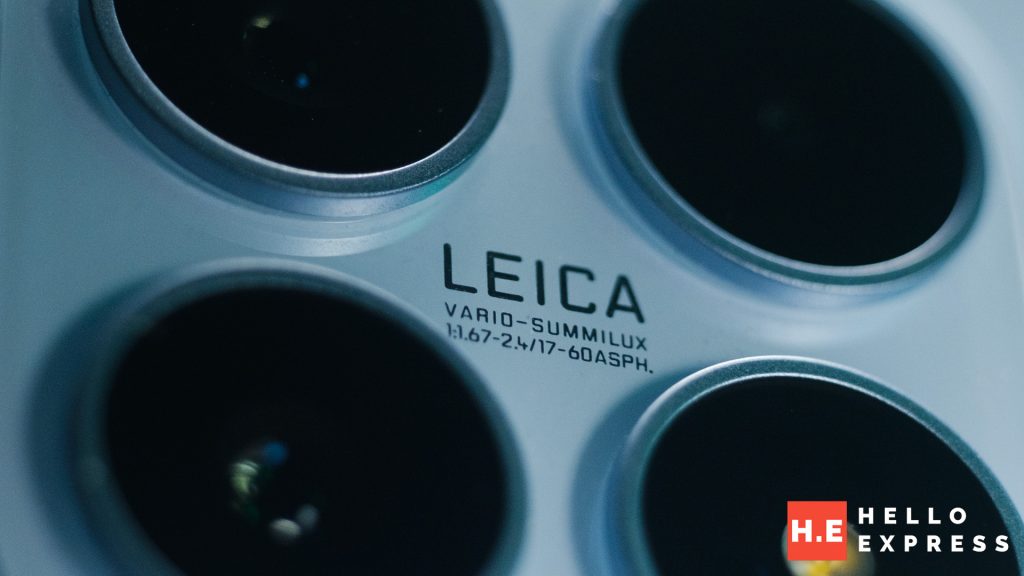
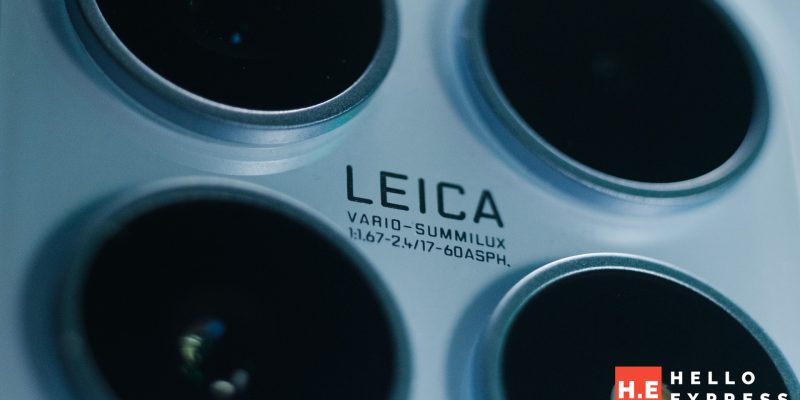
Leica Summilux has become a marketing term that means everything and nothing. Walk into a phone store and see “Leica Summilux lens” printed on a spec sheet, and most buyers translate it as “very good camera.” The reality is more specific and more interesting than that. Summilux is not a marketing badge Xiaomi slapped on a lens to charge more money. It is a statement about optical engineering philosophy that dates back to the 1950s, and understanding what it actually does — and what it does not do — is the difference between buying a camera phone for the right reasons and buying one because the branding sounded premium.



What Summilux Actually Is
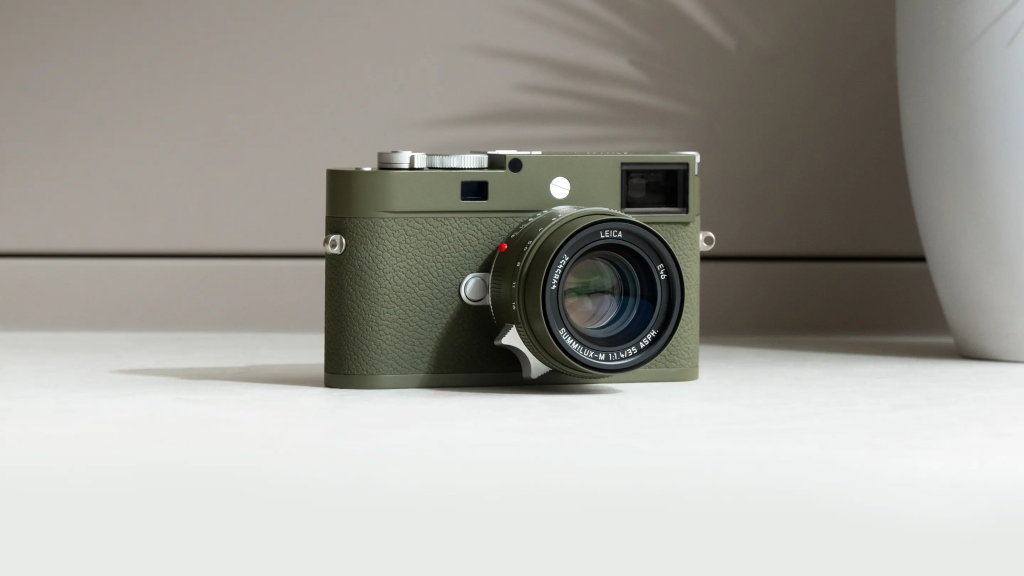
Leica’s Summilux line exists in the company’s physical camera world as a designation for fast prime lenses — lenses that open to f/1.4 or wider, capable of gathering more light than standard lenses. The name comes from “Summar” (Leica’s original standard lens) and “Lux” (light). Summilux means the lens was designed from the ground up to capture more light. It is not an optical afterthought. It is the entire design philosophy.
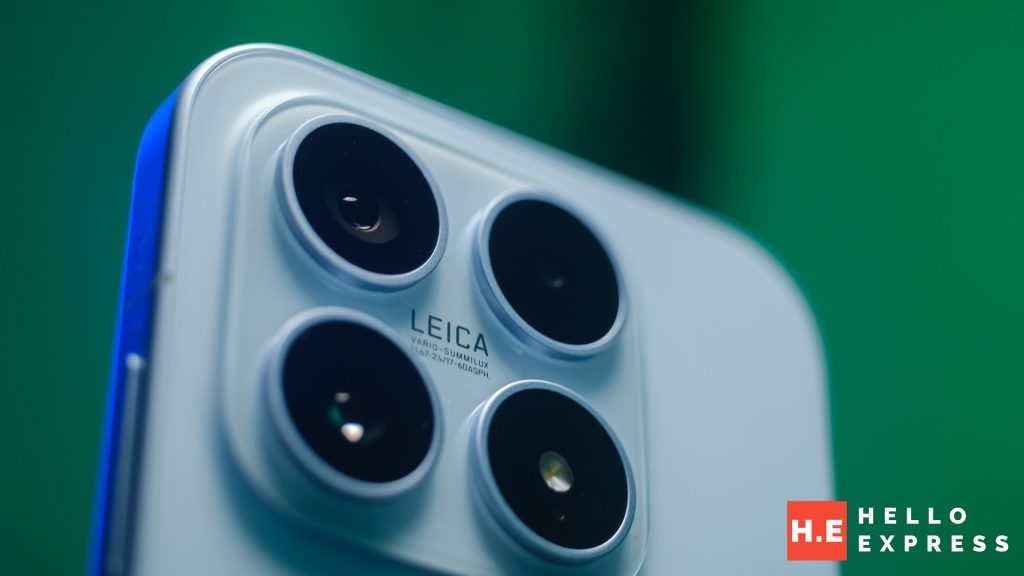
When Xiaomi says the Xiaomi 17 has a “Leica Summilux optical lens,” they are not claiming the smartphone has a physical lens from Leica. What they are claiming is that Leica engineers consulted on the optical design, and the resulting lens meets Leica’s standards for what a Summilux-grade lens should be: fast aperture, optical quality prioritized over image processing tricks, and a specific colour rendering aesthetic that Leica has maintained across its product line for seventy years.
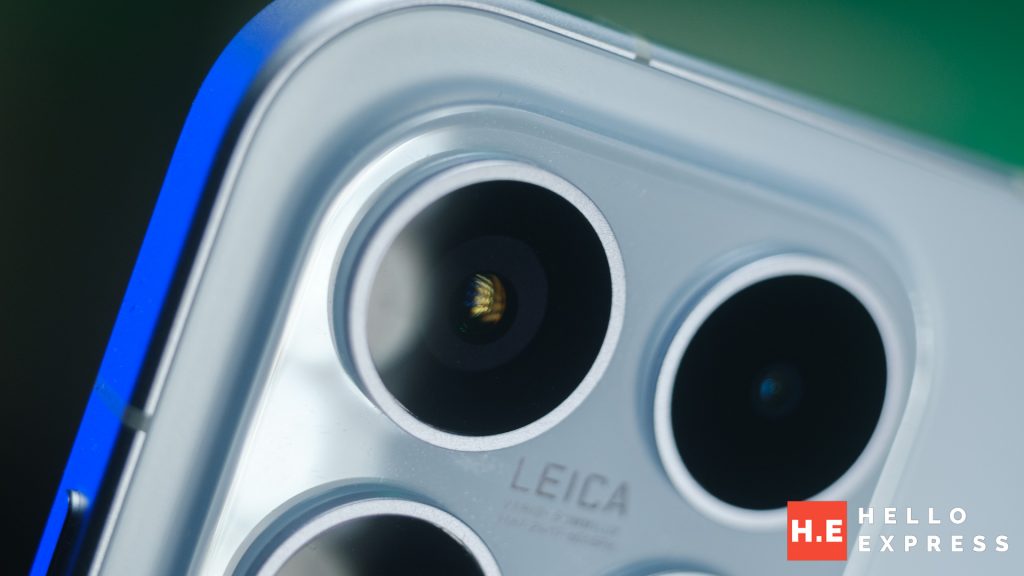
The Xiaomi 17’s main camera lens opens to f/1.67 — not quite f/1.4 like a true physical Summilux, but faster than the f/1.8 or f/2.0 you find on most flagship phones. That aperture size matters more than the marketing name.
Why Fast Aperture Changes What the Camera Does
Aperture is the size of the opening in the lens that lets light through to the sensor. Think of it as the pupil of the phone’s eye. A larger aperture — a smaller f-number — lets more light through. More light means the sensor can see detail in dim conditions without resorting to noise-reduction algorithms that turn night photos into blurry paintings.

An f/1.67 aperture on the Xiaomi 17 is approximately 40 percent larger than an f/2.0 aperture. That is not a trivial difference. In practical terms, it means the camera can shoot in lower light while keeping shutter speeds fast enough that hand movement does not blur the shot. It means night portraiture has more available light to work with before the computational photography layer takes over. It means colour information is captured before the noise reduction destroys it.
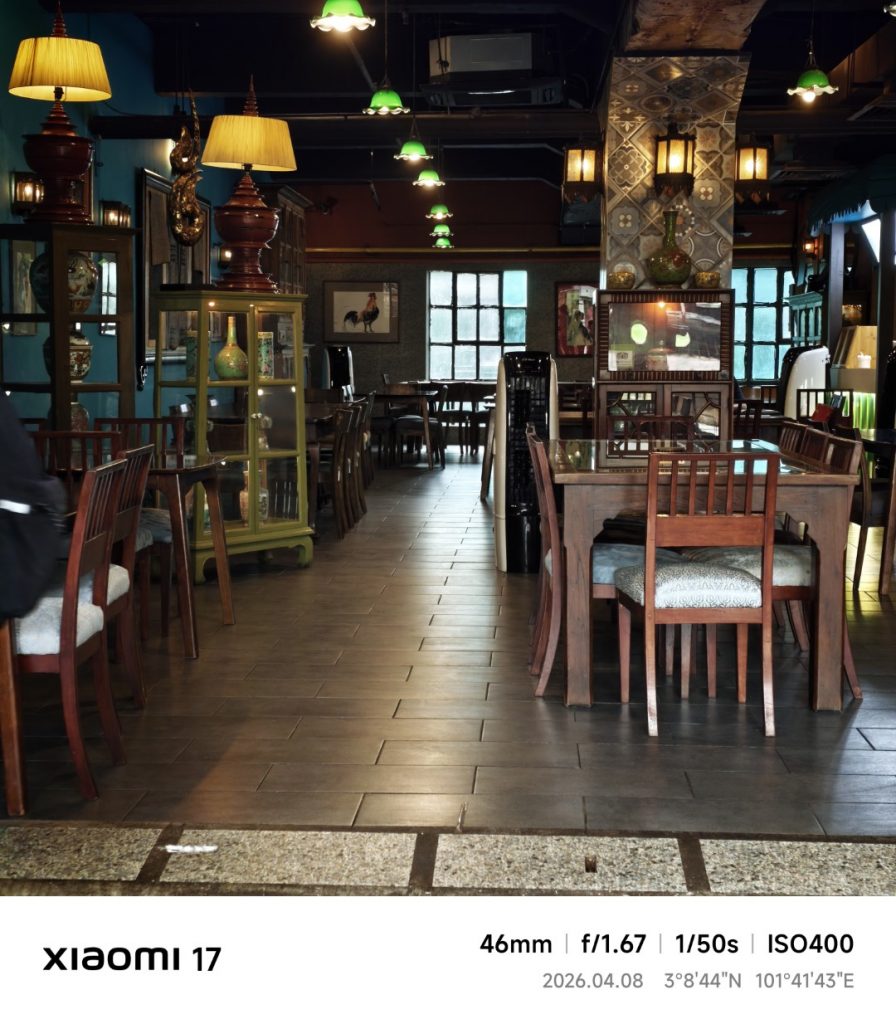
This is why Leica specified f/1.67 for the Xiaomi 17’s main lens. Fast aperture is the mechanical foundation. Everything else — the sensor, the computational layer, the colour science — is built on top of a lens that physically gathers more light than standard designs.
The Light Fusion 950 Sensor Pairing
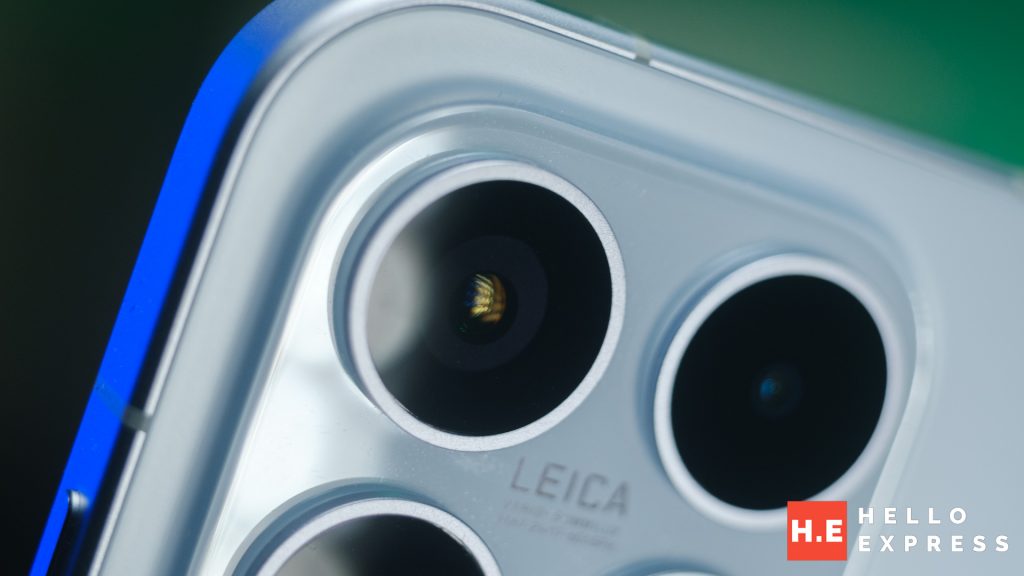
The Xiaomi 17 pairs the Summilux lens with a 1/1.31” Light Fusion 950 sensor — a large sensor by smartphone standards. Sensor size matters. A larger sensor means larger pixels, which means each pixel captures more light individually. Combined with a fast aperture, a large sensor creates a formidable low-light foundation.


The Light Fusion 950 is designed for smartphones specifically, and this iteration focuses on dynamic range — the ability to capture detail in both bright and dark areas of the same image. Pair a fast lens with a large sensor designed for dynamic range, and you have a camera system engineered to handle high-contrast scenes: sunset over a city, a face lit by window light with a bright background outside, Malaysian afternoon sunlight with deep shadows.
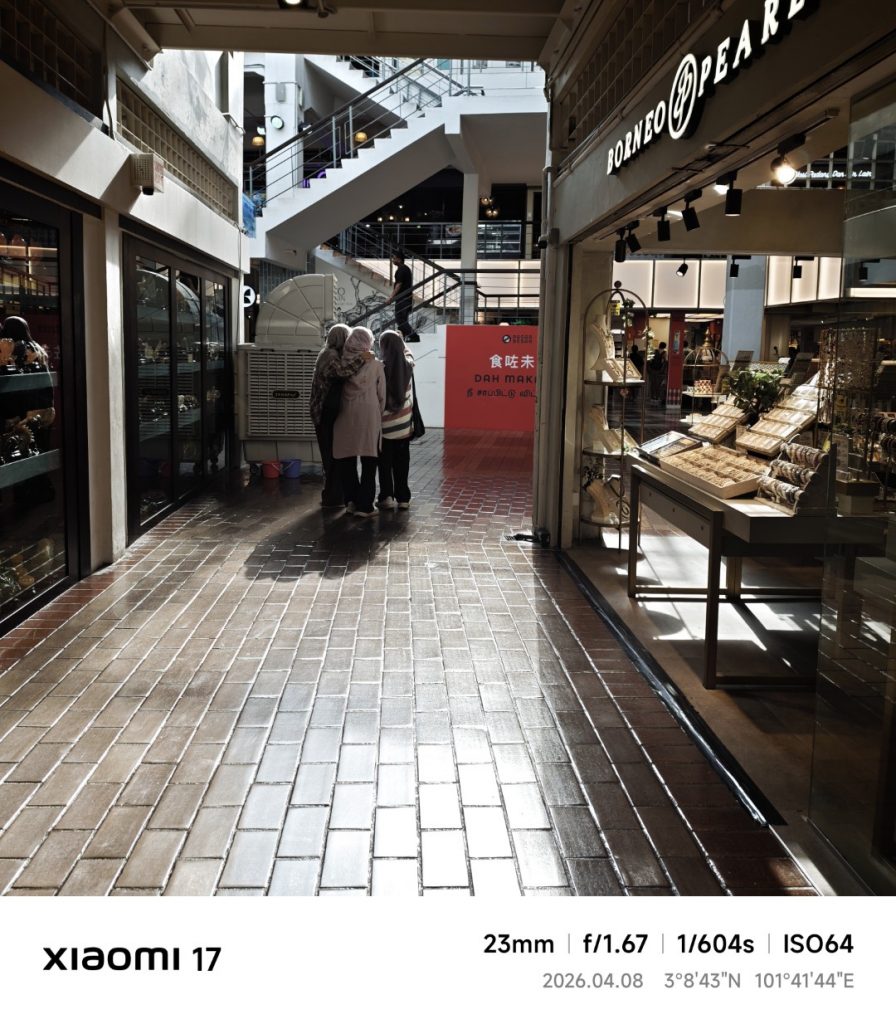
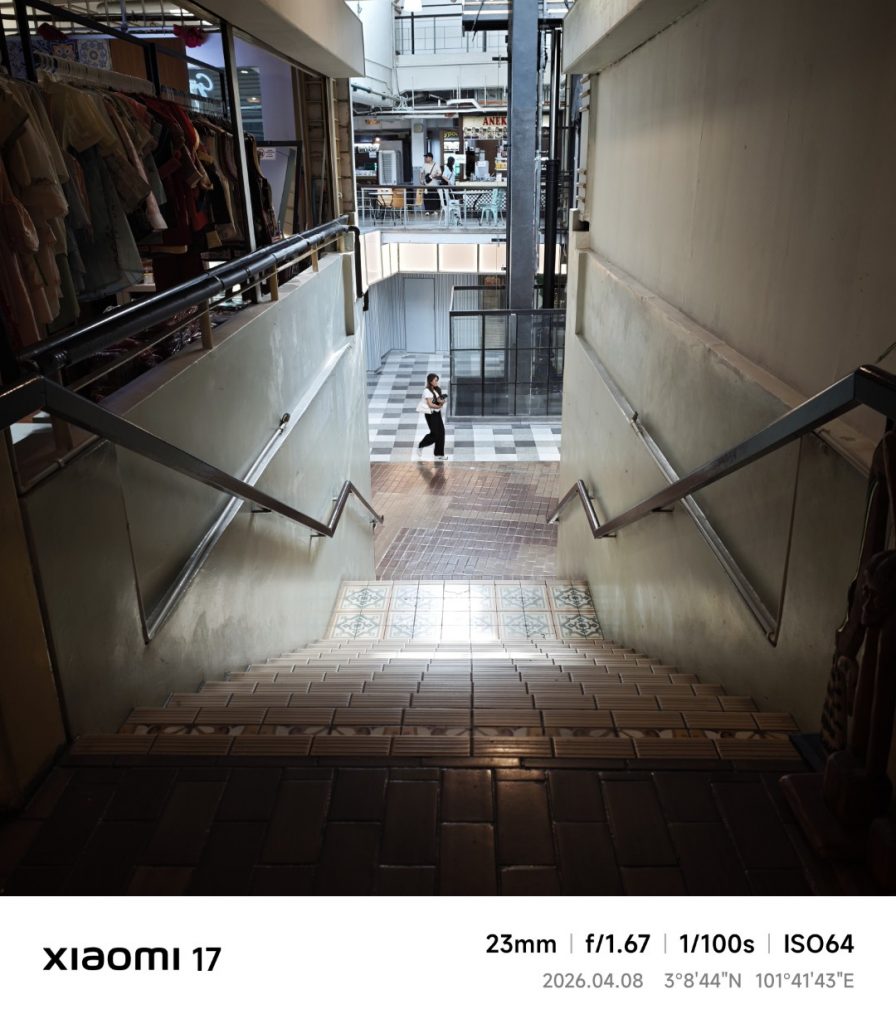
The Leica partnership specified the optical design, but the sensor is the physical mechanism that makes it work.
The Colour Science — What Makes It Distinctive
Here is where Leica’s involvement becomes visible in the actual photos. Leica has a specific philosophy about colour rendering: accurate to life, slightly muted, with an artsy restraint. Leica photographs from the 1950s and 1960s have a distinctive look — colours are true, but not saturated, with warm tones that feel nostalgic without being stylized.

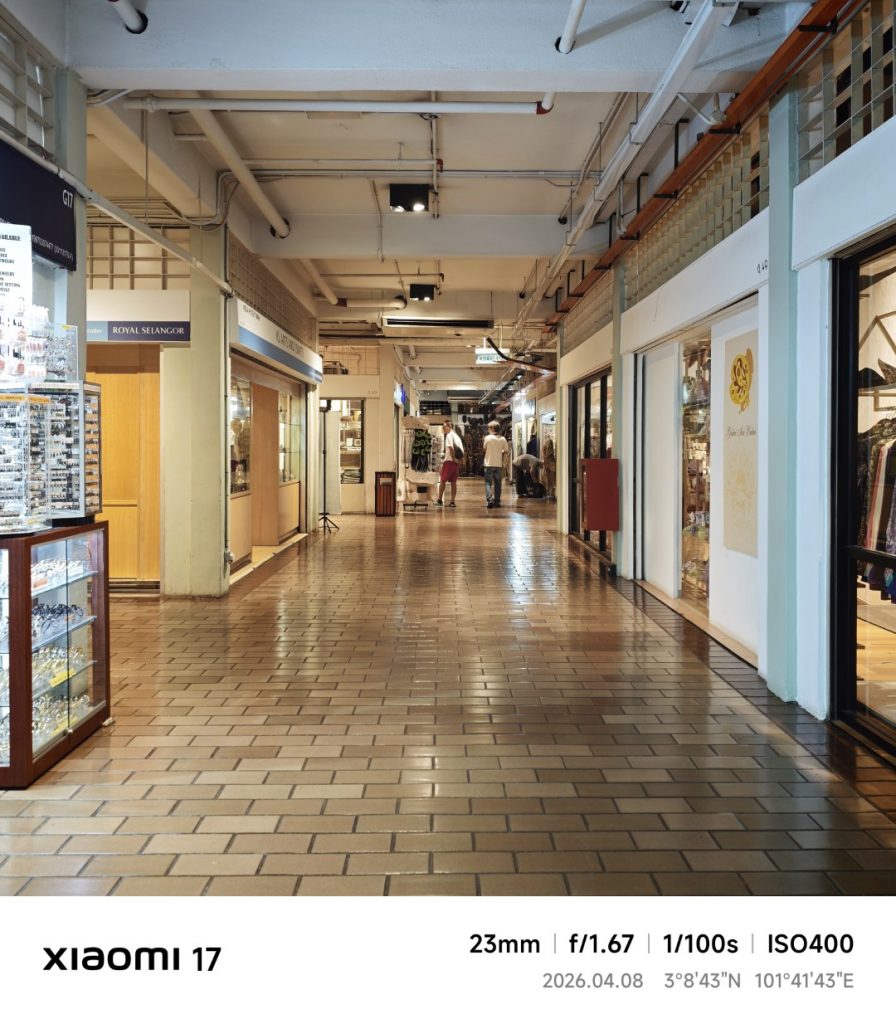
The Xiaomi 17 inherits this philosophy through what Xiaomi calls Leica Authentic and Leica Vibrant modes. Leica Authentic is closer to the classic Leica house style — duller palette, very lifelike, an artsy twist that makes even casual snapshots feel intentional. Leica Vibrant is more saturated, more contemporary, still true to colour but with more visual impact.


This is not a filter. The colour science is baked into how the sensor processes raw data before you ever see the image. It is the difference between computational photography that tries to make everything look good, and computational photography that tries to make everything look true.


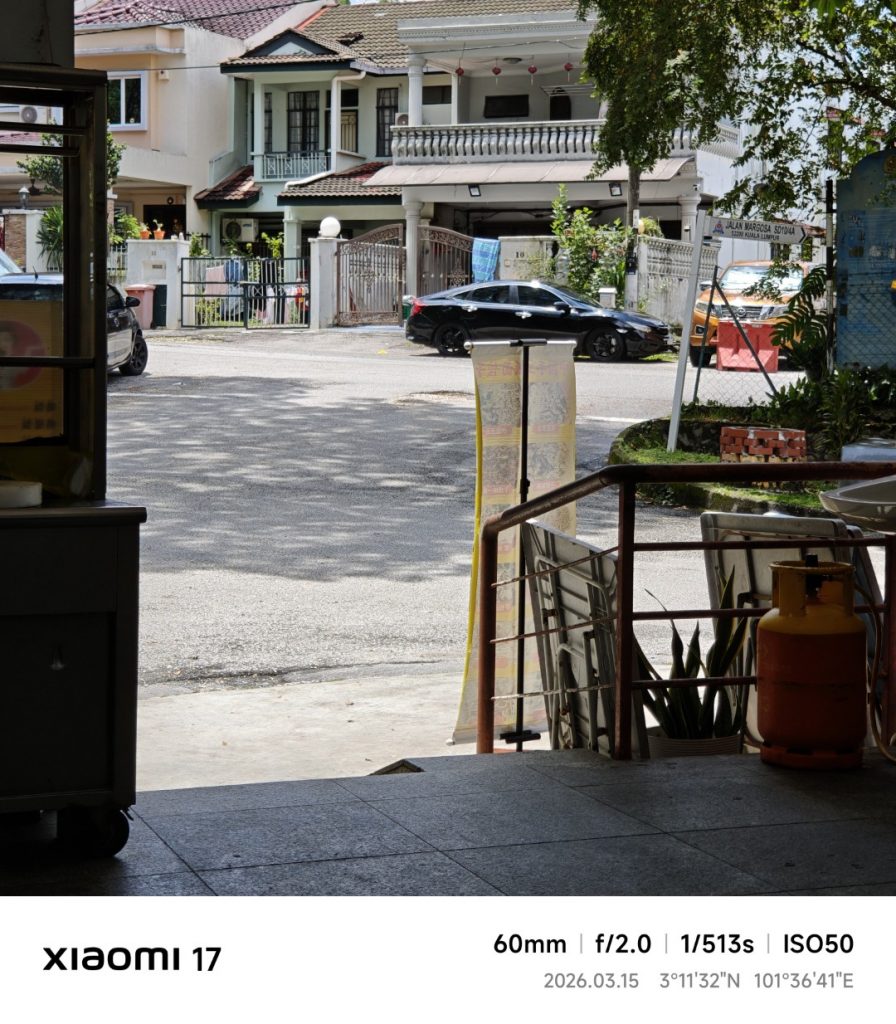
For Malaysian conditions — bright equatorial sun, deep shadows under shop awnings, skin tones in mixed lighting — Leica’s restrained colour palette actually solves a problem that most flagships struggle with. Most phones oversaturate colours under bright sun. The Leica approach captures the actual colours you see with your eye, not the colours a contrast-maximizing algorithm thinks will look impressive.
Why This Matters More Than Raw Megapixels
A 50MP sensor sounds more impressive than a 48MP sensor. In real use, it makes almost no difference. What matters is how much light each pixel captures, whether the lens lets enough light through, and whether the colour science preserves what you actually photographed.
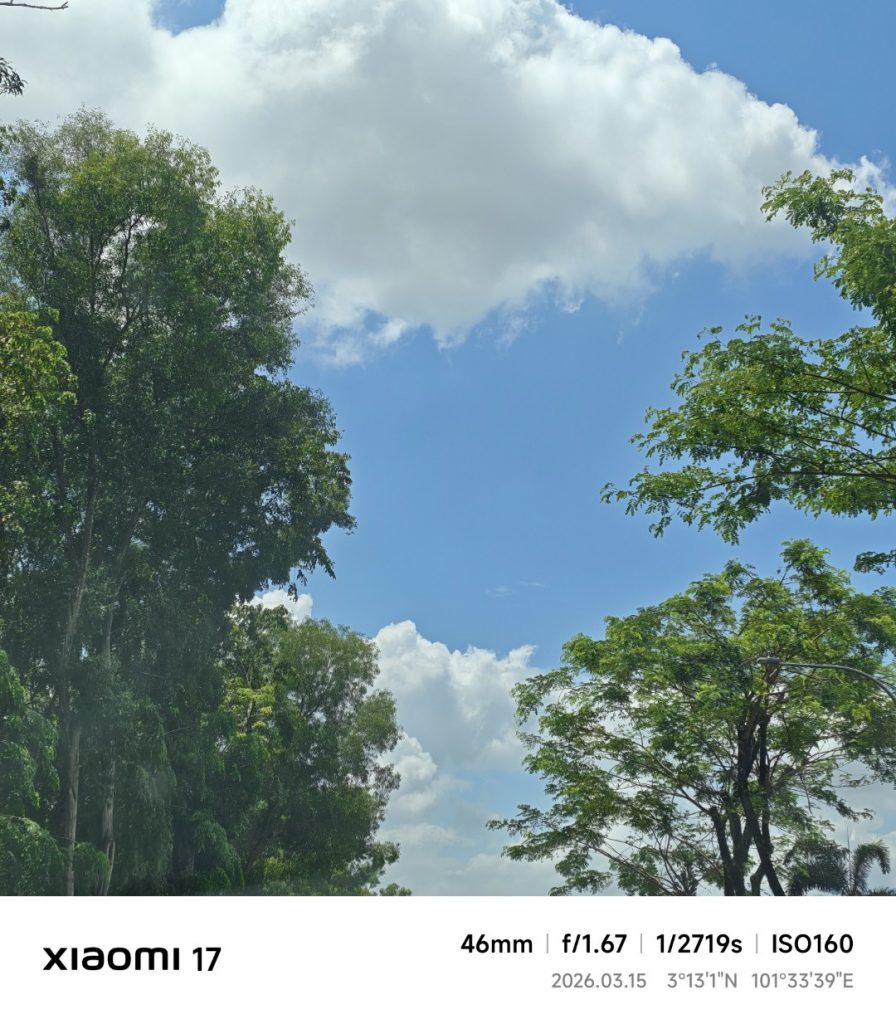
The Leica Summilux philosophy prioritizes all three of those over raw resolution. This is why a Leica-designed phone camera often looks distinctly different from a non-Leica phone camera — not necessarily better in every situation, but distinctly its own thing. The photographs have a consistent personality.
Is It Worth the Premium?
The Xiaomi 17 costs RM3,499. A Snapdragon 8 Elite Gen 5 phone without Leica optical engineering might cost RM2,900. That is a RM600 premium for the Summilux lens and Leica colour science.
For a buyer who primarily shoots in daylight or auto mode and relies on computational photography to make photos look good, the premium is hard to justify. Modern computational photography is very good. The Summilux lens will not revolutionize casual snapshots.
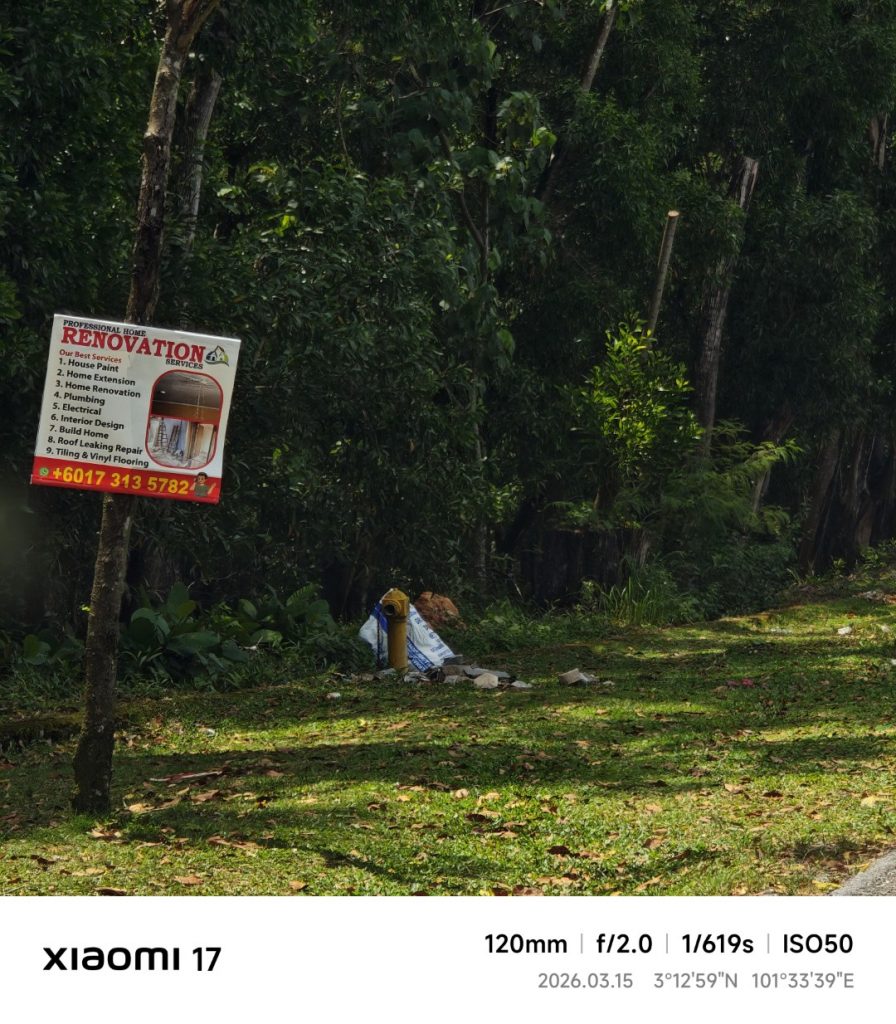
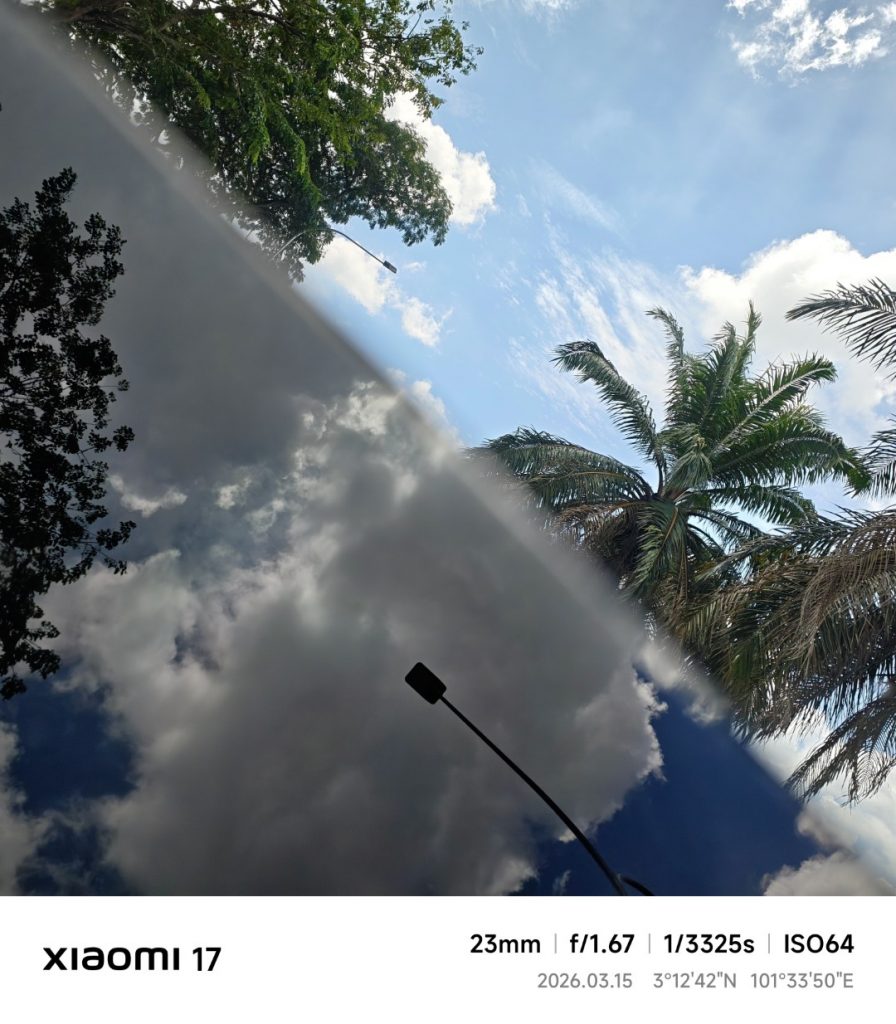
For a buyer who cares about low-light photography, accurate colour, or the specific aesthetic that Leica’s design philosophy produces, the premium is defensible. You are not paying for megapixels. You are paying for optical engineering that lets more light through, and a colour rendering philosophy that has earned trust over seven decades.
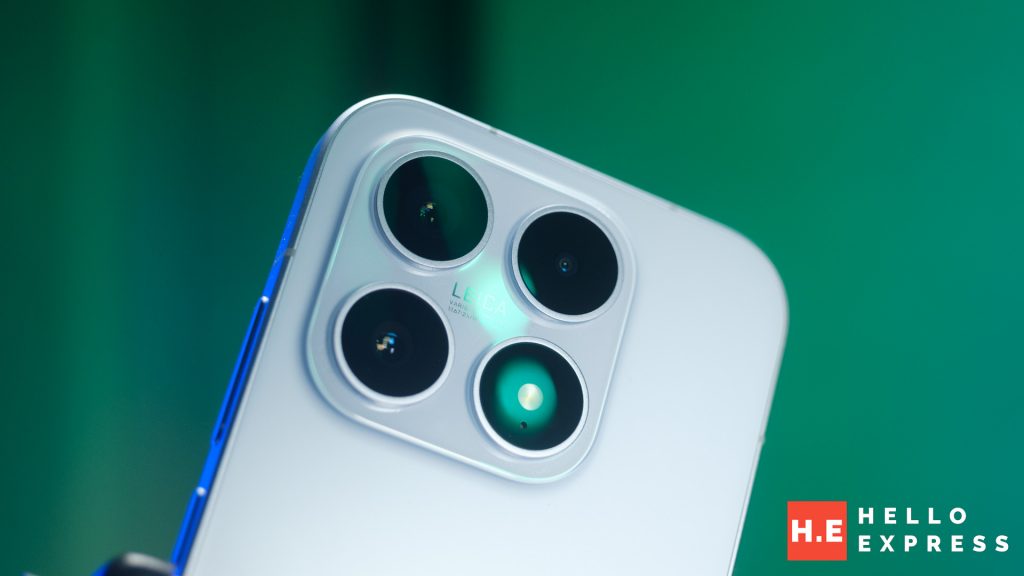
In Malaysia, where most photography happens in strong equatorial light with challenging shadows, the fast aperture and muted colour science are genuinely useful — not transformative, but genuinely useful.





[…] We done more test on the camera, check out our dedicated article here: […]