
vivo V70 Review: Zeiss Optics, On-Device AI, and a Battery That Quietly Surprises

Table of Contents
The vivo V70 sits RM400 above the V70 FE at base configuration and asks you to trust that the gap is justified. After hands-on testing across gaming, battery, display, camera, and one test that nobody in the Malaysian tech press has run on a phone at this price — loading a 9 billion parameter AI model locally — the answer is yes, with a clear understanding of where the money goes.

It goes into the display. It goes into the Zeiss telephoto. And it goes into 12GB of LPDDR5X RAM that turns out to be good for more than smooth multitasking.
What We Like About the vivo V70
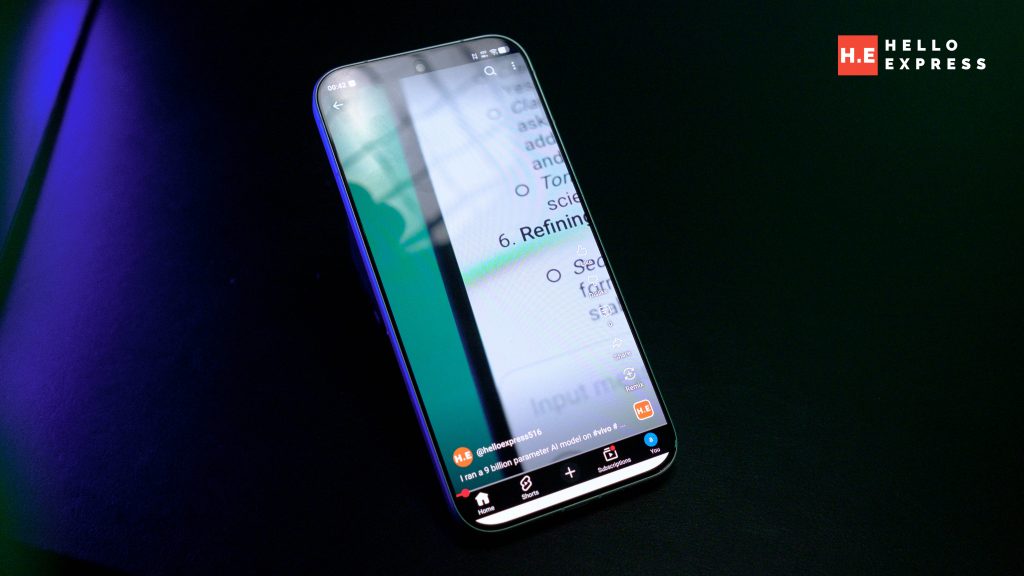
The Display Is a Meaningful Step Up

Side by side with the V70 FE, the difference is immediate. The V70’s 6.59″ 1.5K AMOLED at 5,000 nits peak brightness is finer, more vibrant, and substantially brighter. Where the FE’s 6.83″ panel is good for the price, the V70’s panel feels considered — detail is crisper, colours carry more weight, and the smaller screen size is, subjectively, preferable in hand. Not aggressively compact, but settled. Pleasant to use over long sessions in a way the FE’s larger panel is not quite.
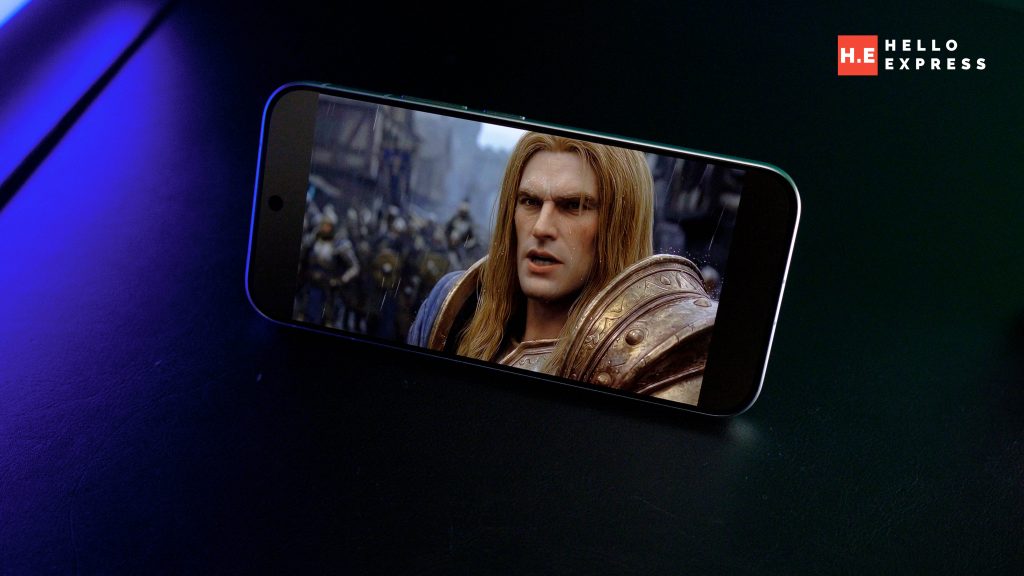
At 5,000 nits peak brightness, outdoor visibility in Malaysian sun is not a concern. The FE at 1,900 nits is functional outdoors; the V70 at 5,000 nits is comfortable. For a market where screens spend a lot of time in direct sunlight, this gap is daily-use relevant.
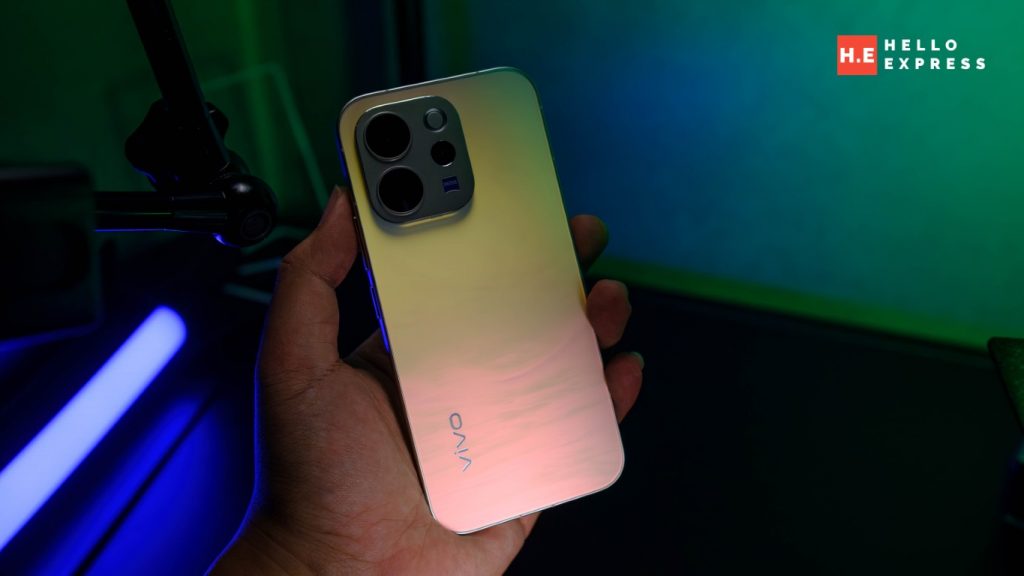
Zeiss Triple Camera — Colour Science and Versatility That the Spec Sheet Undersells
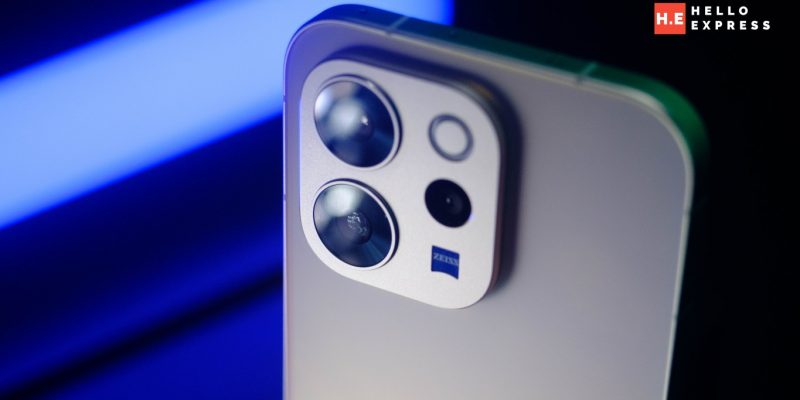
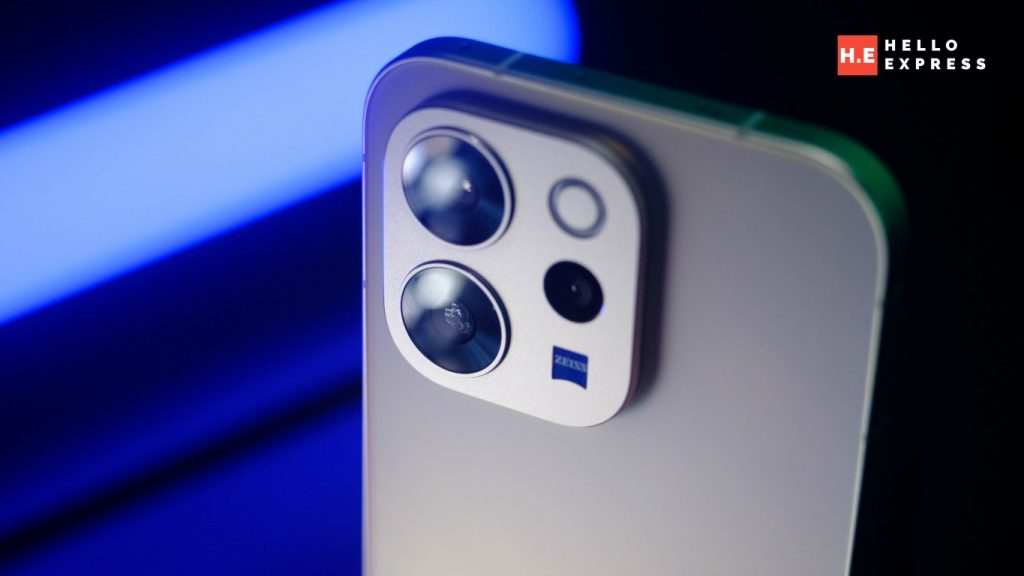
The honest version of this section: after testing both phones, the preference is clearly the V70’s camera system. Not because 200MP loses to 50MP — megapixels are not the metric — but because the Zeiss colour science, the optical zoom, and the OIS implementation produce images that look better and offer more flexibility in more situations.
Colour rendering is more vibrant and more accurate. Skin tones, skies, and shadow regions all benefit from the Zeiss tuning in a way that is visible without pixel-peeping. The HDR implementation is particularly strong: skies are actually blue with cloud texture retained, highlights are controlled, and shadow detail is preserved without the muddiness that typically follows aggressive shadow recovery on mid-range sensors.
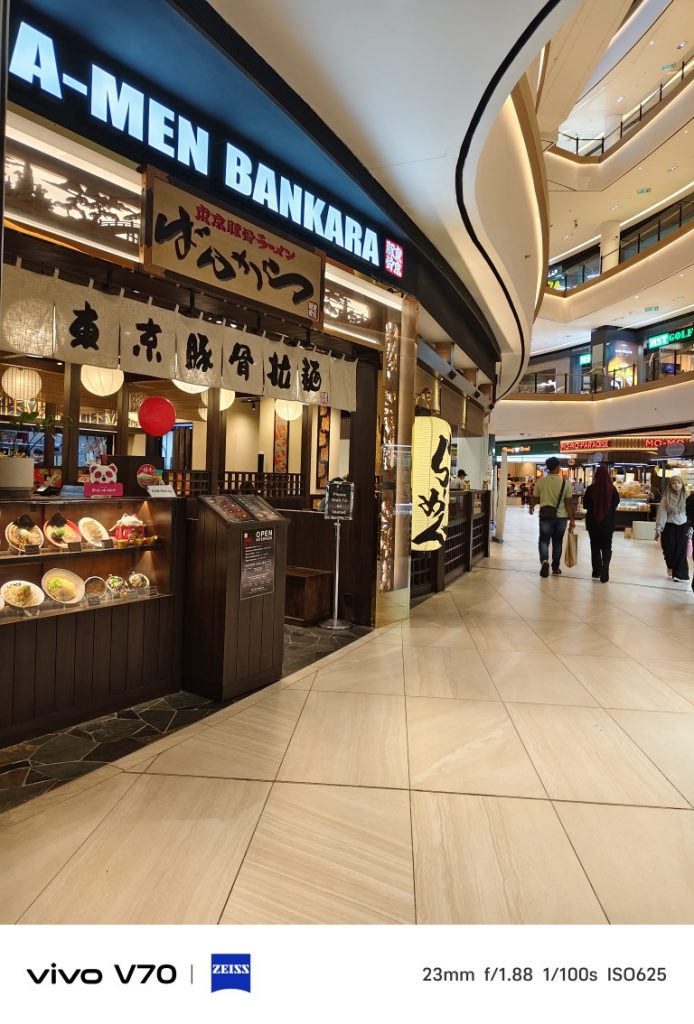



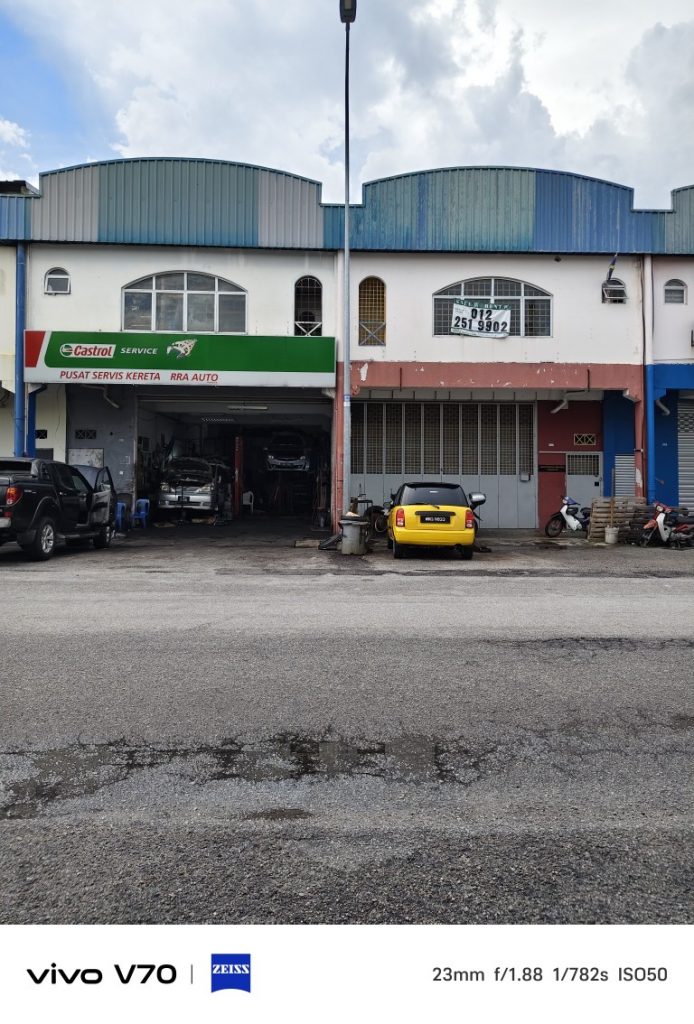
The 50MP telephoto with 3x optical zoom and OIS is the camera the V70 FE simply does not have. Combined with 10x digital zoom, it gives you a genuine range of working distances — wide, standard, compressed telephoto — that a single-sensor system cannot replicate regardless of resolution. For street photography, event coverage, or anything where your subject is not immediately in front of you, the optical zoom is not a luxury. It is what separates a usable shot from a cropped approximation.
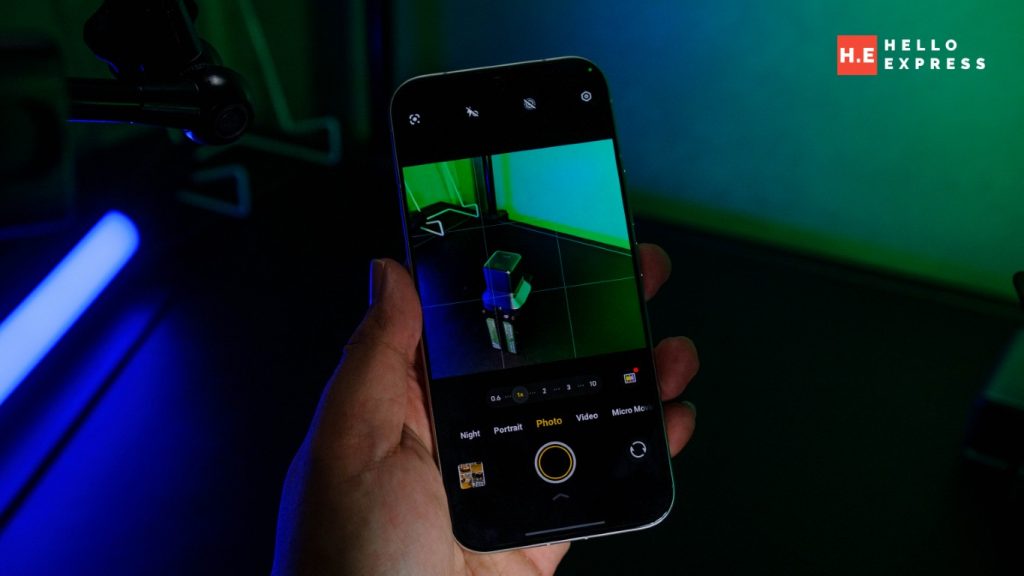
Video is a strong point. 4K at 60fps with OIS on the main camera, and FHD at 60fps with ultra stabilisation — that is a video specification that sits above most phones in this price range. For content creators shooting on a phone, the stabilisation quality at FHD makes the footage usable without a gimbal for most scenarios.
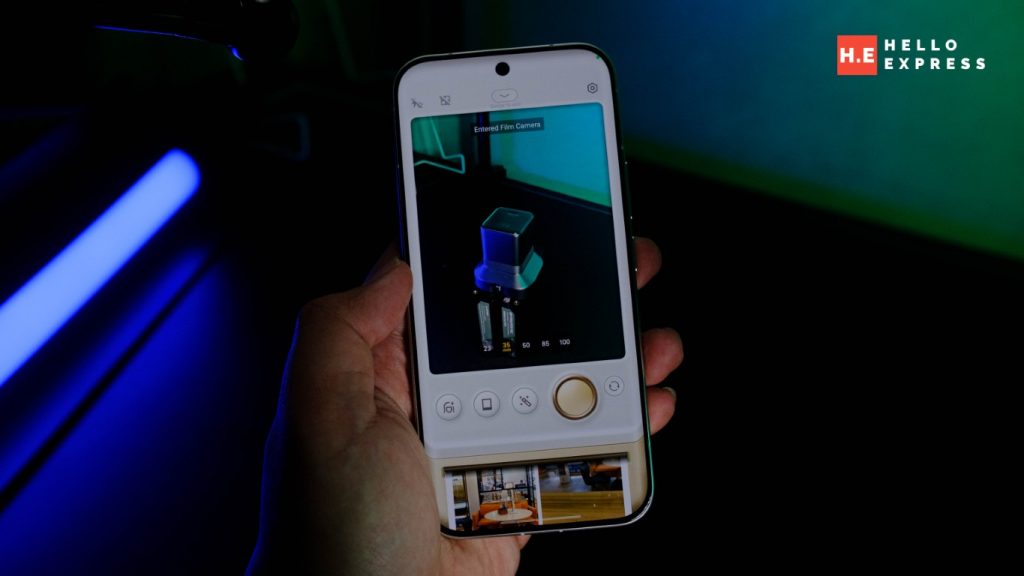
One specific find worth highlighting: the film simulation mode includes a Polaroid effect. It is well-executed and, for a brand building out a camera-centric identity, feels like the first step toward something. Whether vivo is planning a companion printer is speculation, but the simulation quality suggests they are thinking in that direction.
Battery Life That Surprises — Especially With Bypass Charging
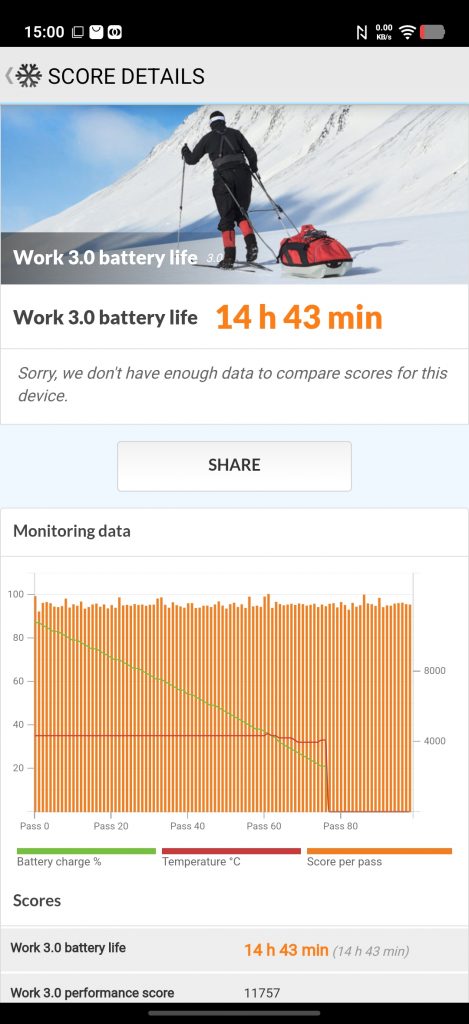
14 hours 43 minutes on PCMark Work 3.0 at full brightness. That is 7 minutes more than the V70 FE despite a 500mAh smaller battery, which reflects the Snapdragon 7 Gen 4’s efficiency advantage over the Dimensity 7360-Turbo in sustained workloads.
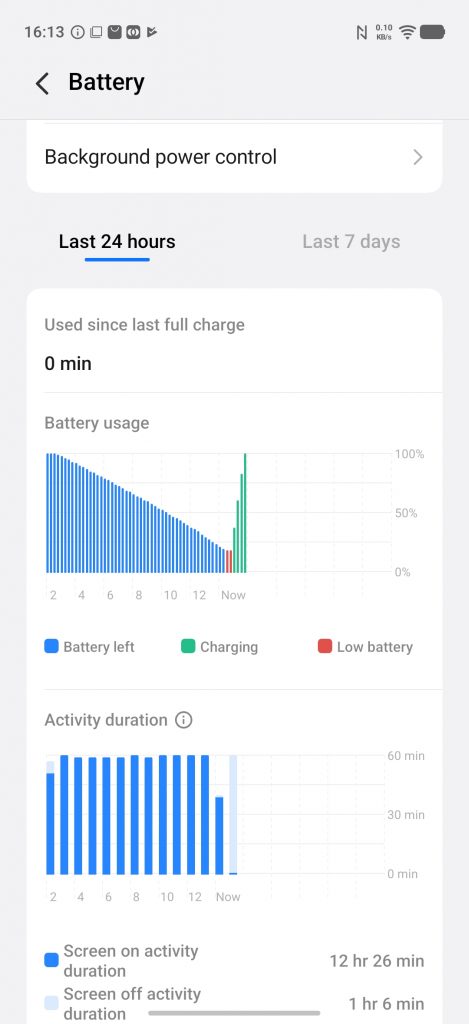
Bypass charging is confirmed functional on the V70 — and this is a detail vivo does not prominently market for this model. Buyers assuming bypass charging is exclusive to the FE are wrong. The same behaviour applies: power routes directly to the processor during high-load scenarios, the battery chemistry is left idle, and heat at the grip area stays absent. For anyone who games or runs heavy apps plugged in regularly, this is meaningful for long-term battery health whether vivo advertises it or not.
12GB LPDDR5X RAM — and What It Actually Makes Possible
The V70’s 12GB LPDDR5X RAM is listed in spec sheets as a multitasking specification. It is. But we tested something the spec sheet does not mention.
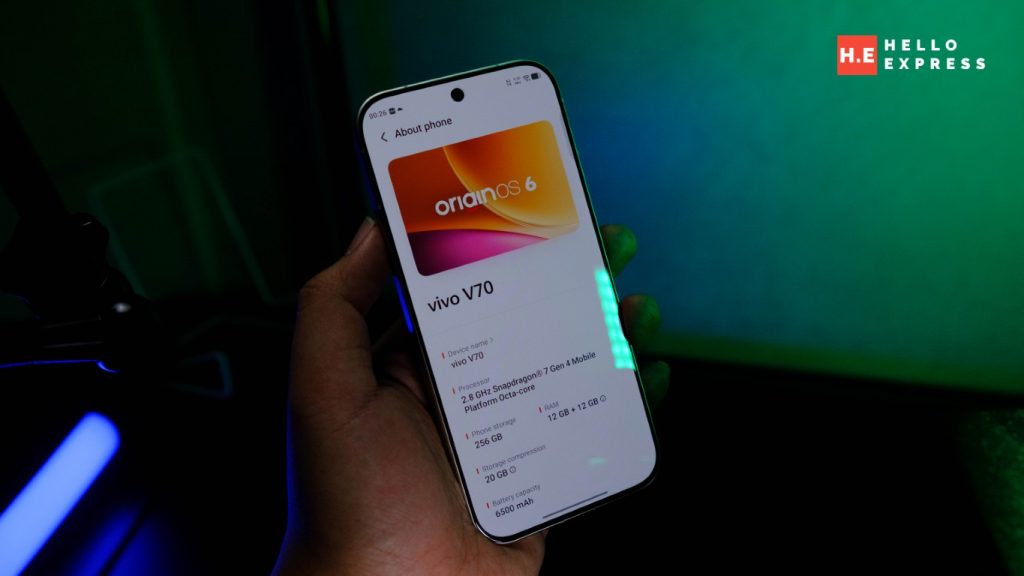
Using MNN Chat, we loaded the QWEN 9B model — a 9 billion parameter AI language model — entirely on-device. No cloud. No internet dependency. On a RM2,199 mid-range phone.
The results:
| Stage | Result |
|---|---|
| Prefill | 2.75s, 35 tokens, 12.72 tokens/s |
| Decode | 678.35s, 3,216 tokens, 4.74 tokens/s |
Test prompt: “Tell me about nuclear fusion power, and its implication for clean power.”
The prefill speed is usable. The decode rate of 4.74 tokens per second is slow — you are reading the response as it generates rather than receiving it complete — but the model runs. A 9B parameter model, fully local, on a mid-range phone. The implication for privacy-sensitive AI use cases, offline functionality, and on-device processing without cloud dependency is significant enough that we are publishing a dedicated piece on this finding separately.
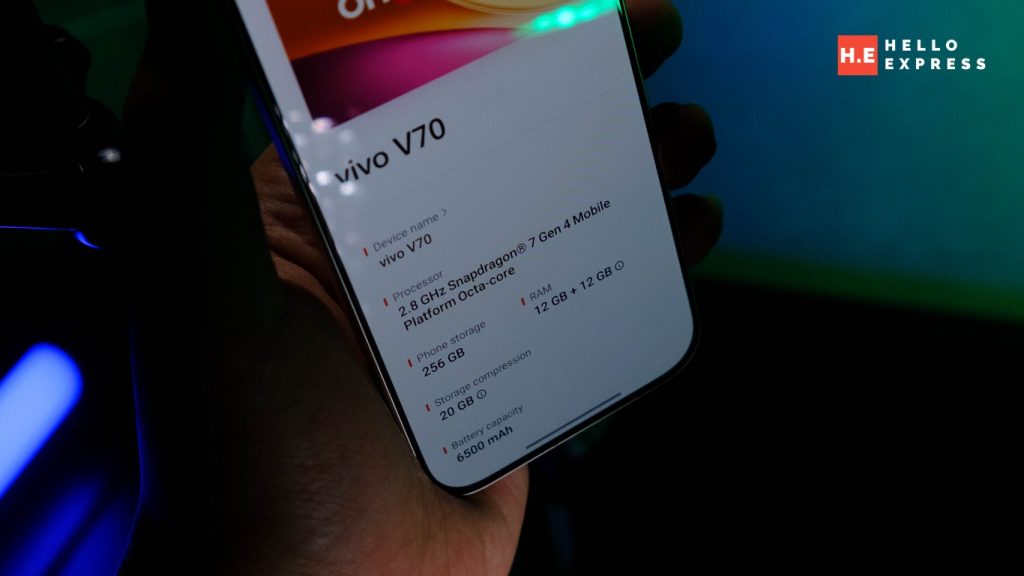
The RAM headroom also keeps the everyday experience clean. No app reloading from cold state during normal use was observed across our testing period.
The Golden Hour Colourway
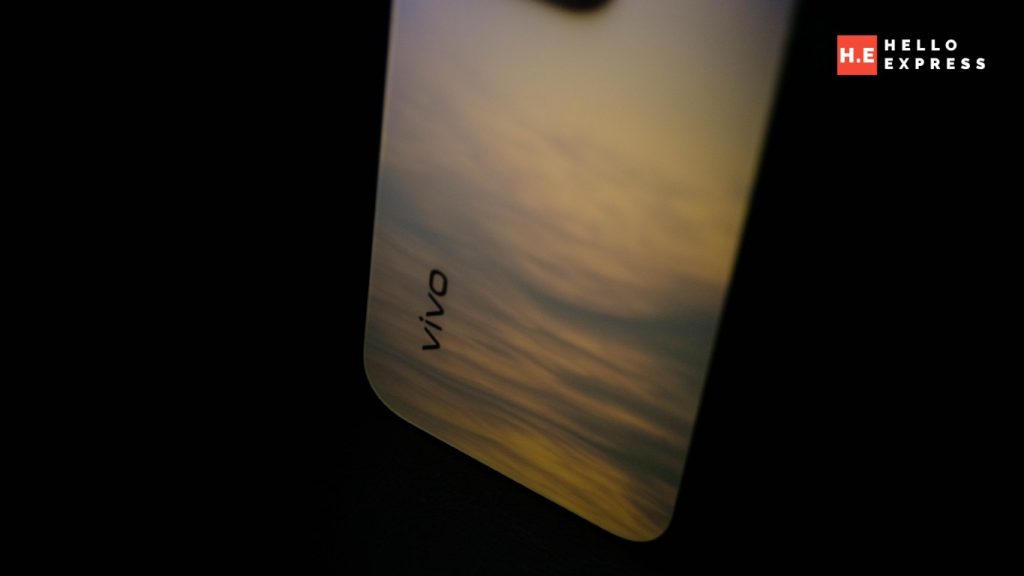
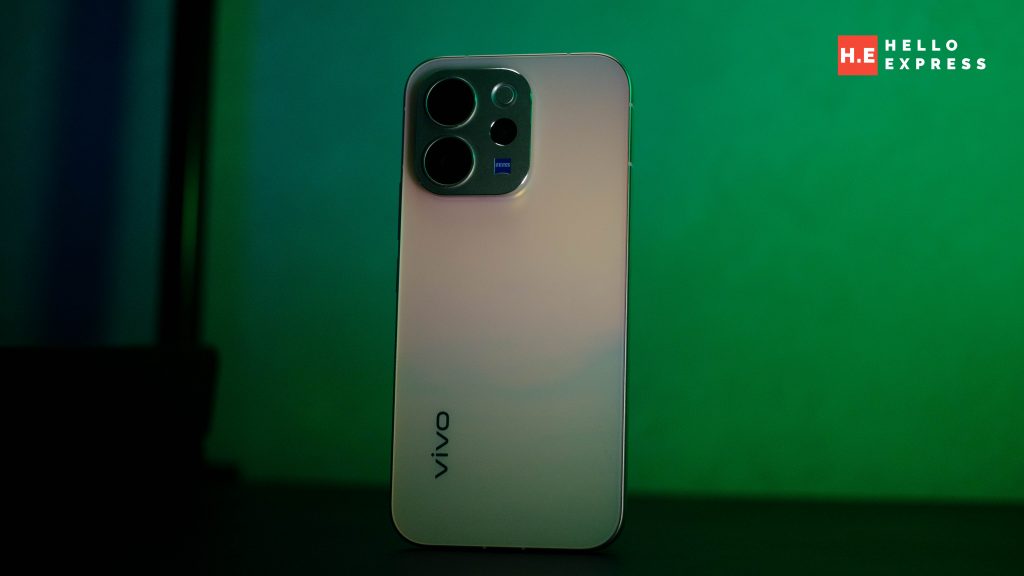
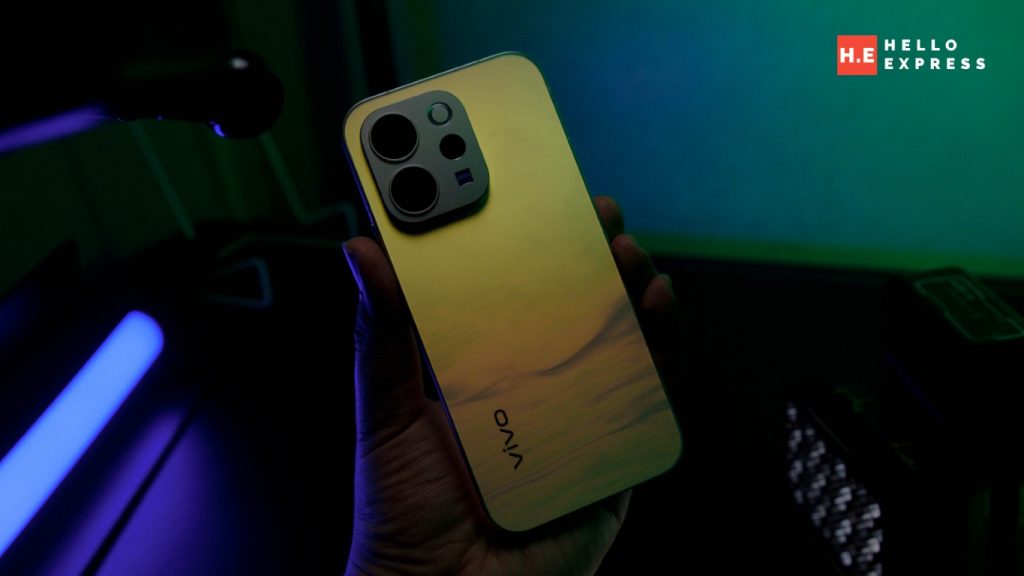
Aiphos’s note on the Golden Hour casing is worth including because it is editorially honest: in a market currently saturated with iPhone-adjacent orange colourways, vivo’s Golden Hour is a warmer, more considered interpretation. It reads as distinctive rather than derivative. It is the reason to consider colour as a decision factor on this phone rather than defaulting to black.
What We Don’t Like About the vivo V70
Where Winds Meet Felt Less Smooth Than the FE
At identical settings — Ultra quality, TAA, memory optimisation, bloom optimisation, ultra-distance shadows, underwater terrain optimisation — Where Winds Meet ran smoothly on the V70. It ran smoothly on the V70 FE too. The difference is that the FE felt perceptibly smoother.
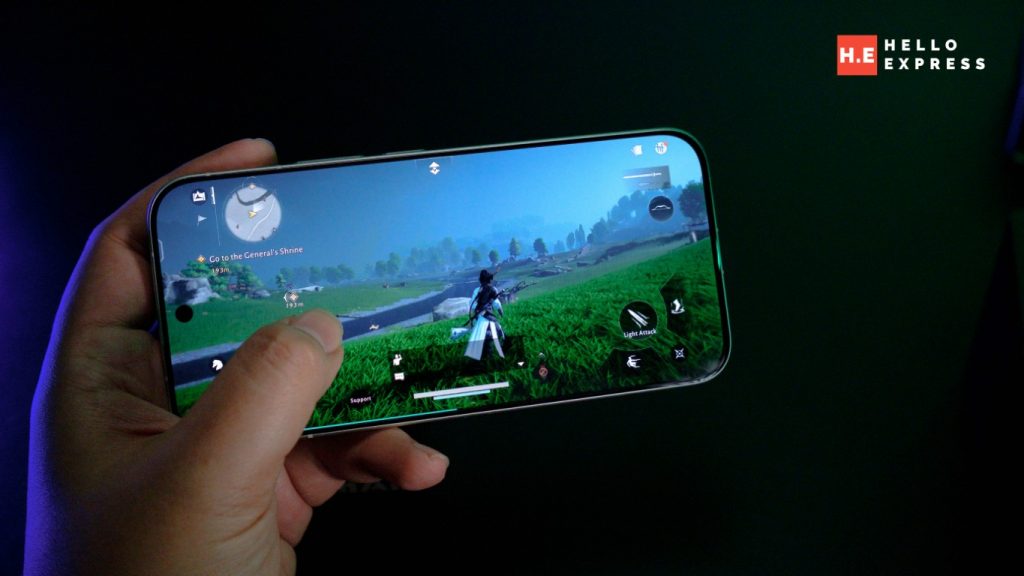
This is counterintuitive. The Snapdragon 7 Gen 4 is the stronger chip. Benchmark scores confirm this. Our honest reporting of the hands-on experience is that the V70 FE felt better in this specific title at these specific settings.

We are not attributing a cause we cannot confirm. The difference could be thermal management, display rendering overhead from the higher resolution panel, game-side optimisation variance, or a perceptual effect from the FE’s larger screen size. What we can confirm is the subjective experience, and suppressing it because it conflicts with spec hierarchy would not be honest reviewing.
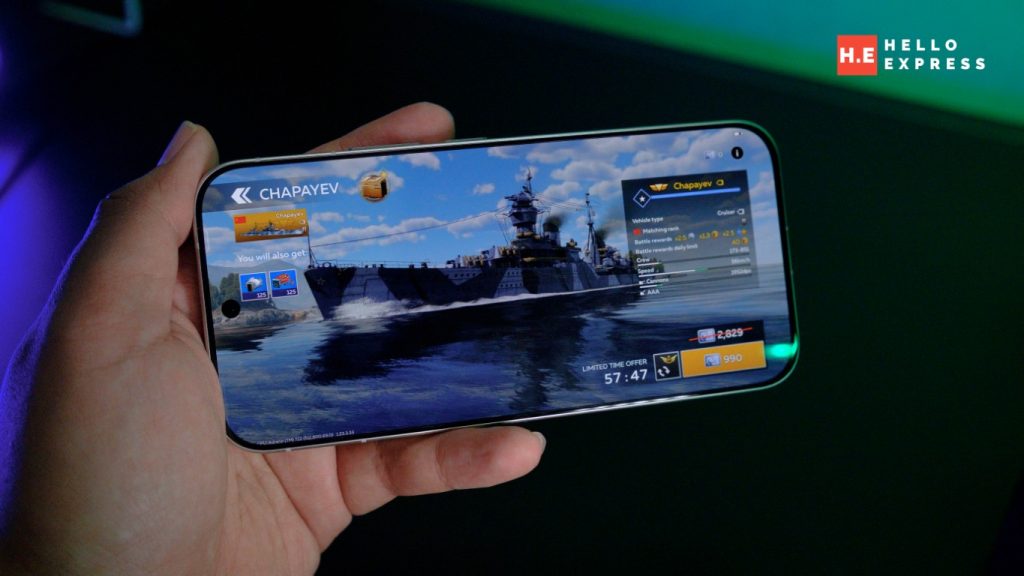
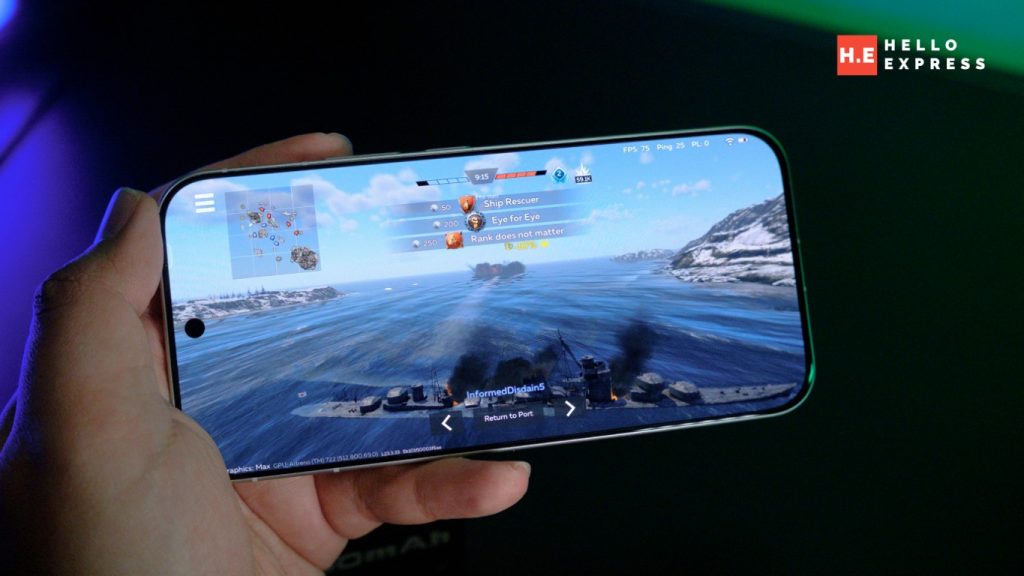
For MLBB and War Thunder, the V70 delivered smooth performance without qualification.
Verdict
The vivo V70 makes a clear case for itself: better display, better camera system, better colour science, and enough RAM to run a 9B AI model locally on-device. For buyers who use their camera seriously — zoom, portrait, video — the Zeiss triple system with optical telephoto is the single most important hardware differentiator between the V70 and the V70 FE, and it justifies the RM400 entry-level premium.
The Where Winds Meet smoothness finding is noted without apology. It is what it is, and it is the honest counterpoint to a review that otherwise runs strongly positive. Everything else — battery life, bypass charging, display quality, camera versatility, and the unexpected on-device AI capability — lands above expectations for the price.

Check out our comparisons with its younger brother, the vivo V70:
Help support us!
If you are interested in the vivo V70, we would really appreciate if you purchase them via the links below. The affiliate links won’t cost you any extra, but it will be a great help to keep the lights on here at HelloExpress.
vivo V70
The vivo V70 makes a clear case for itself: better display, better camera system, better colour science, and enough RAM to run a 9B AI model locally on-device. For buyers who use their camera seriously — zoom, portrait, video.
Positives
- Zeiss triple camera — optical zoom, OIS, colour science
- 1.5K AMOLED 5,000 nits — display tier above the FE
- 14h 43min PCMark Work 3.0 (full brightness)
- Bypass charging confirmed — not marketed, but present
- 12GB LPDDR5X — runs QWEN 9B locally on-device
- 4K@60fps OIS video, FHD@60fps ultra stabilisation
- Golden Hour colourway — distinctive, not derivative
Negatives
- Where Winds Meet: perceptibly less smooth than V70 FE