
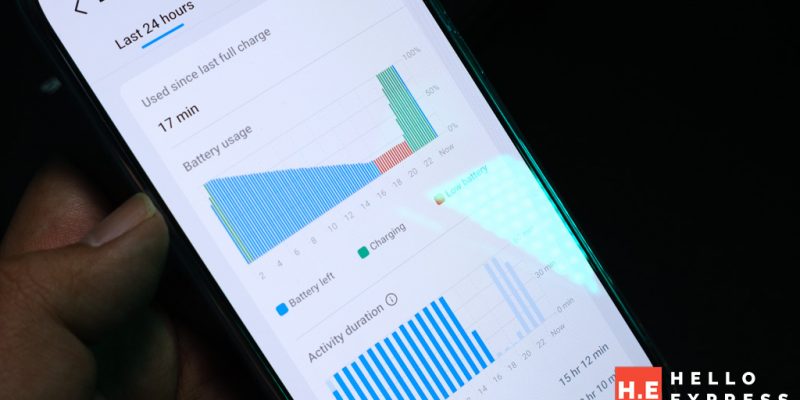
7600mAh: What iQOO’s Silicon Anode Battery Actually Means and Whether It Matters

Table of Contents
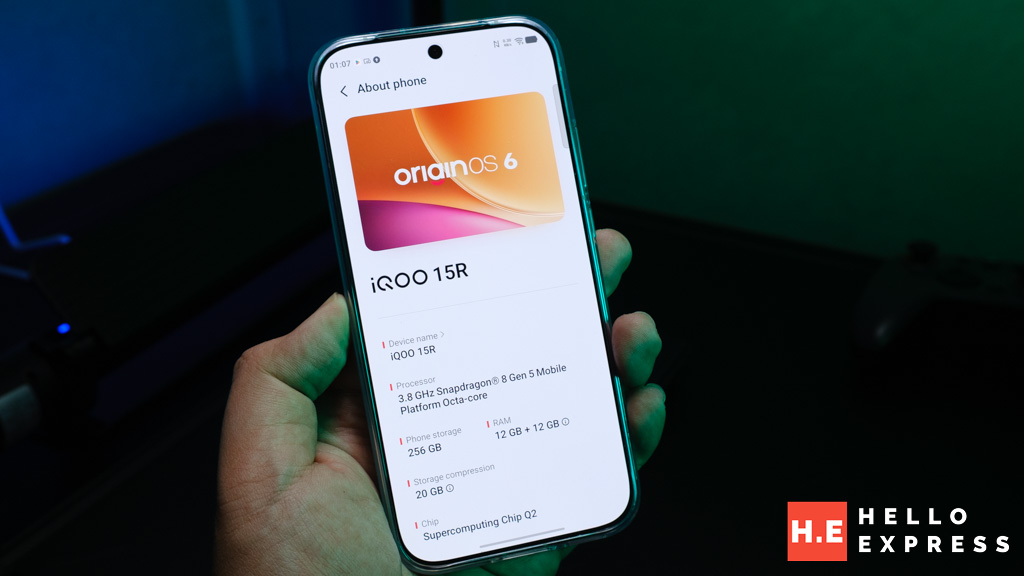
The spec that stops people mid-scroll when they see the iQOO 15R for the first time is almost always the battery. 7600mAh. In a phone that is 7.9mm thin and weighs 202 grams. The natural reaction is scepticism — either the number is inflated, the phone must be a brick, or something else is being sacrificed to make room for it.

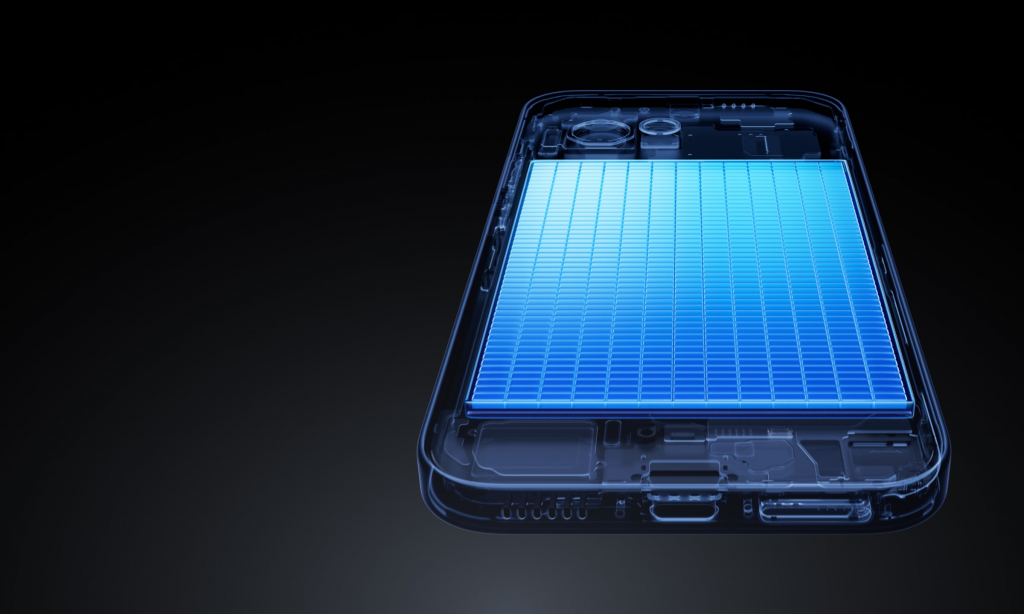
None of those are true. The reason a 7600mAh cell fits in a phone this size in 2026 comes down to a specific technology: silicon anode battery chemistry. Here is what that means, why it matters, and whether it should change how you think about buying a phone.
Why Battery Size Has Stalled — Until Now
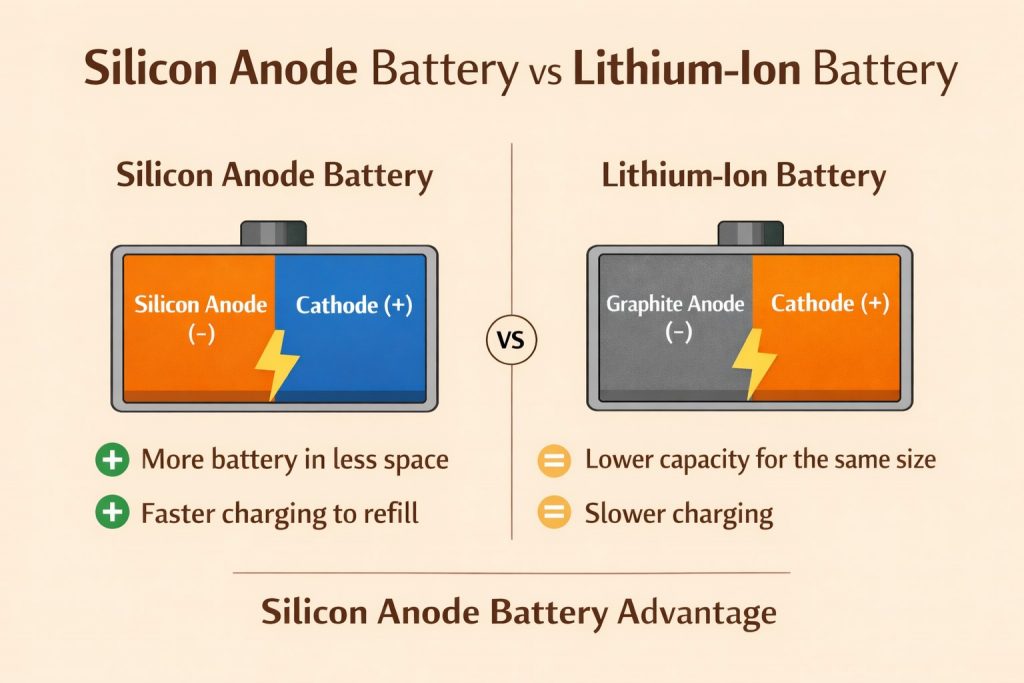
For most of the past decade, smartphone batteries grew slowly. The limiting factor was not engineering ambition — it was the chemistry of the graphite anode, the negative electrode inside a lithium-ion cell. Graphite has a well-understood ceiling for how much lithium it can store per unit of volume. Once you hit that ceiling, the only way to increase capacity is to make the battery physically larger.
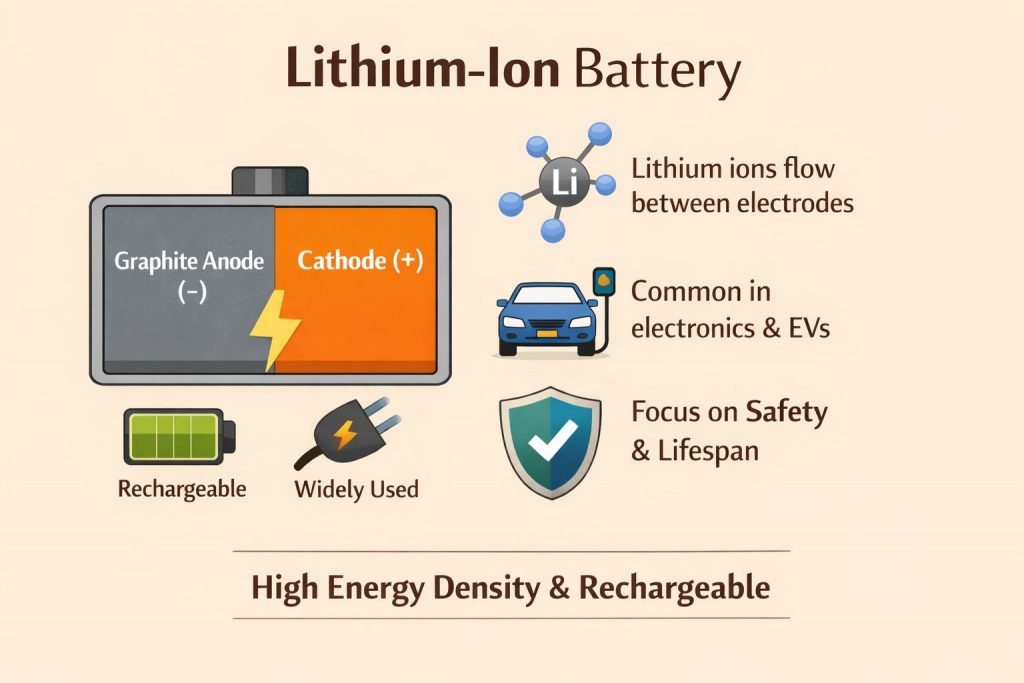
Making a battery physically larger means a heavier, thicker phone. Most manufacturers chose to cap battery size rather than compromise on dimensions. This is why 5000mAh became an industry norm — not because it was enough, but because it was the most graphite chemistry could reasonably offer in a slim phone body.
Silicon changes that equation. A silicon anode can store approximately ten times more lithium per unit of volume than graphite. In theory, replacing graphite with silicon would allow for a dramatically smaller battery with the same capacity, or the same-sized battery with dramatically more capacity.
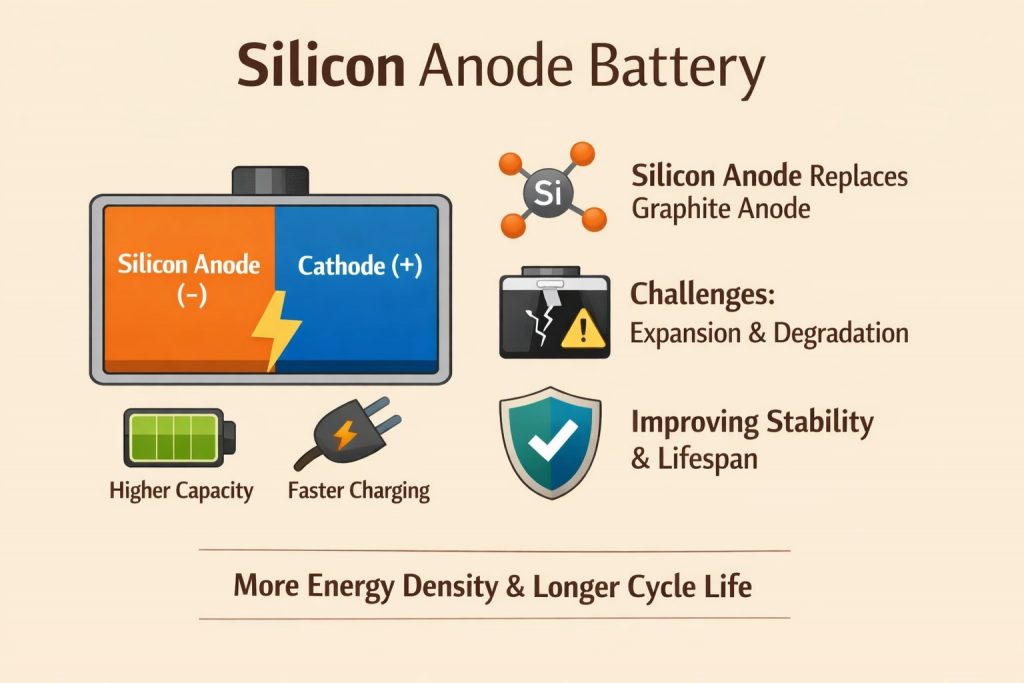
The reason silicon anodes took so long to reach consumer smartphones is a mechanical one: silicon expands significantly when it absorbs lithium during charging — up to 300 percent in volume — and then contracts on discharge. Repeat that expansion and contraction thousands of times across a battery’s lifespan, and the anode material cracks, degrades, and loses capacity rapidly. Early silicon anode prototypes were impressive on day one and unusable within months.
What iQOO’s 4th-Generation Silicon Anode Actually Solved
The iQOO 15R uses what iQOO describes as 4th-generation silicon anode technology, paired with 2nd-generation semi-solid battery construction. These are not marketing terms without substance.
The silicon content of the anode is approximately three times higher than a standard silicon-blend cell. The energy density improvement over a conventional lithium-ion battery is around 15 percent. The practical output: a 7600mAh cell that fits inside a 7.9mm chassis that weighs 202 grams. The 50 percent larger power storage capacity claim refers to the improvement in effective energy storage relative to the physical volume the cell occupies.
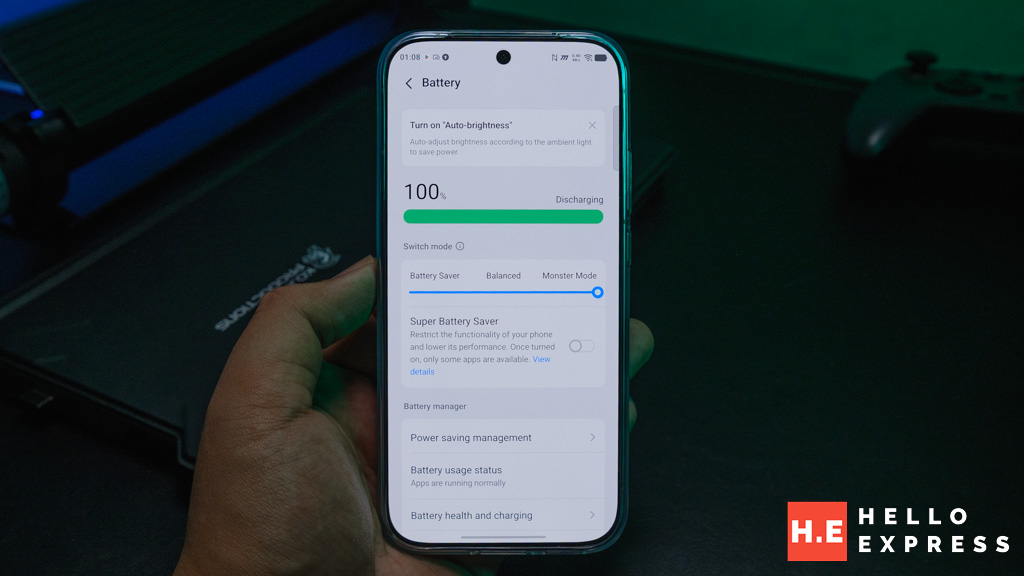
The expansion problem — the failure mode that made early silicon anodes impractical — is addressed through the semi-solid electrolyte construction. A semi-solid or gel electrolyte is mechanically more tolerant of the dimensional changes silicon undergoes during charge cycles. It accommodates the swell and contraction without the electrode cracking that caused early silicon cells to degrade rapidly.
The headline claim from iQOO is three years of battery health — meaning the cell retains meaningful capacity through three years of daily charge cycles. Whether that claim holds under Malaysian usage patterns, including fast charging in a warm climate, is something real-world testing will verify over time.
What 7600mAh Actually Delivers in Practice
Capacity numbers without context are not useful. Here is what 7600mAh means in daily Malaysian use, based on typical consumption patterns.
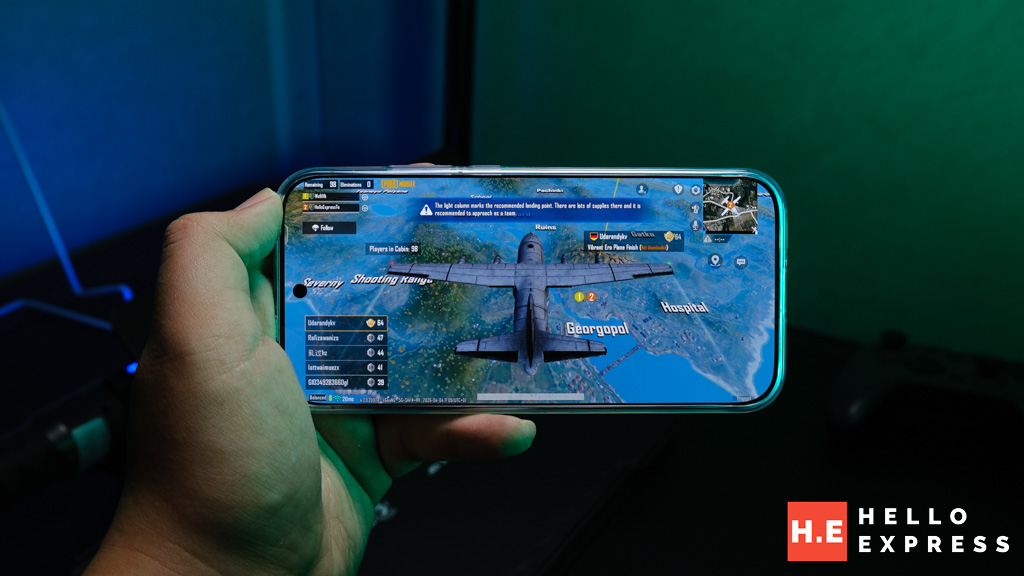
A sustained gaming session — PUBG Mobile at high settings with the screen at full brightness — draws roughly 8 to 10 percent of battery capacity per hour on a standard 5000mAh phone. On a 7600mAh cell, the same session draws proportionally less percentage. The result in practical terms: the phone that once needed charging at the midpoint of an evening gaming session now finishes the session at 40 or 50 percent. That difference is felt every day.
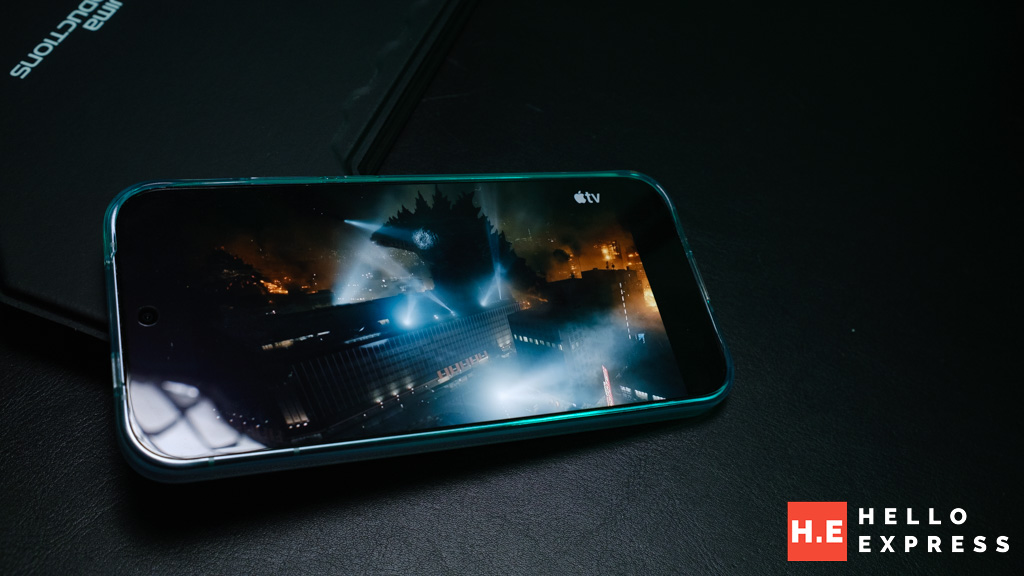
The commute and streaming case is more dramatic. Continuous YouTube or Netflix over a two-hour commute draws around 15 to 20 percent on most flagship phones. On the iQOO 15R, the same journey ends with 80 percent of battery remaining.
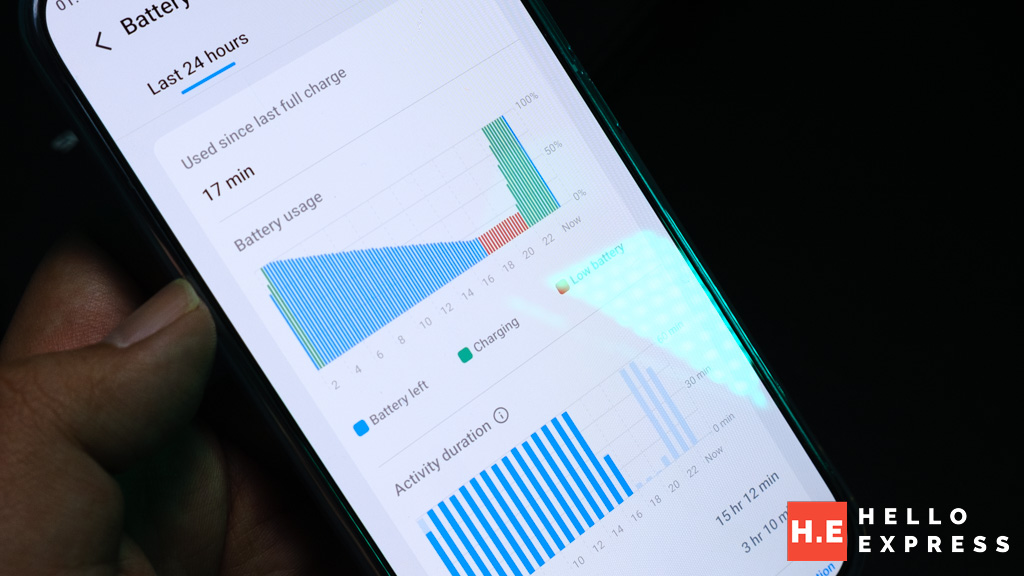
The important caveat is that capacity alone does not determine battery life — the chipset’s efficiency matters equally. The Snapdragon 8 Gen 5 on 3nm fabrication is meaningfully more power-efficient than its predecessor. The combination of a more efficient chip and a larger cell compounds the benefit.
The 100W Charging Question
One concern that follows large battery announcements is charging time. A 7600mAh cell charged at a conventional 65W rate would take over 90 minutes. iQOO’s 100W FlashCharge addresses this: zero to 50 percent in 33 minutes, zero to full in 63 minutes.
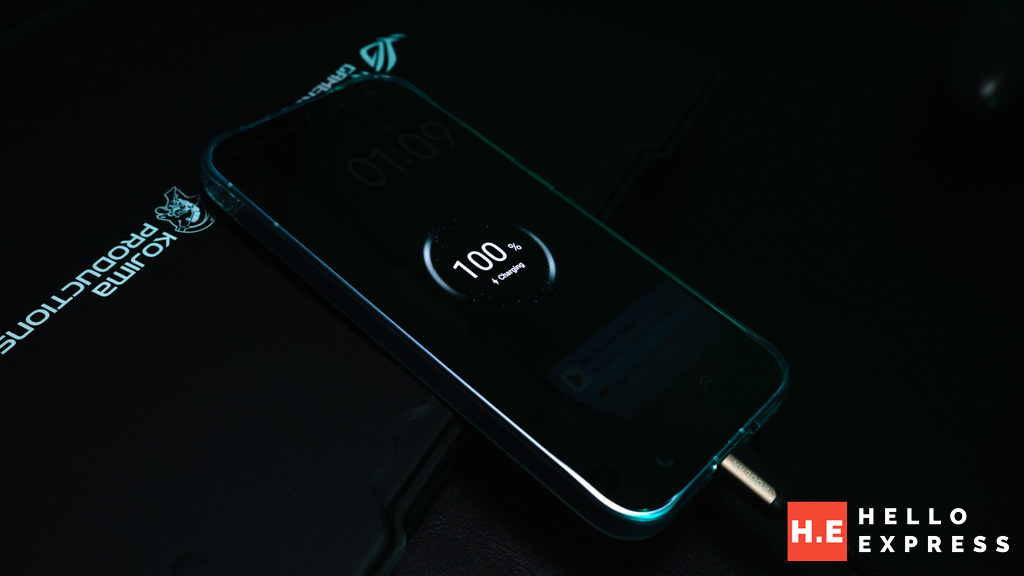
The technology behind that speed involves multiple charging phases — a high-current phase at the beginning of the charge cycle when the cell can absorb energy quickly, transitioning to a controlled taper as it approaches full. The Global Bypass Charging 2.0 feature is relevant for gaming specifically: it routes power directly to the phone’s processor during high-load scenarios rather than through the battery, which reduces heat at the battery and extends its long-term health.
The trade-off worth noting is that fast charging generates heat, and heat is the primary enemy of long-term battery health. iQOO’s temperature management claims during fast charging are worth verifying in real use. The charging speed also comes without wireless capability — 100W wired only.
Does It Actually Matter?
For most Malaysian buyers: yes, more than almost any other spec on the sheet.
Battery anxiety — the low-percentage dread during a long day, the scramble for a power bank before a commute — is the daily friction that no camera upgrade or display improvement resolves. A phone that genuinely lasts a full Malaysian day, through a morning commute, a working day, a gaming session, and an evening out, without reaching for a charger, is a different category of user experience.
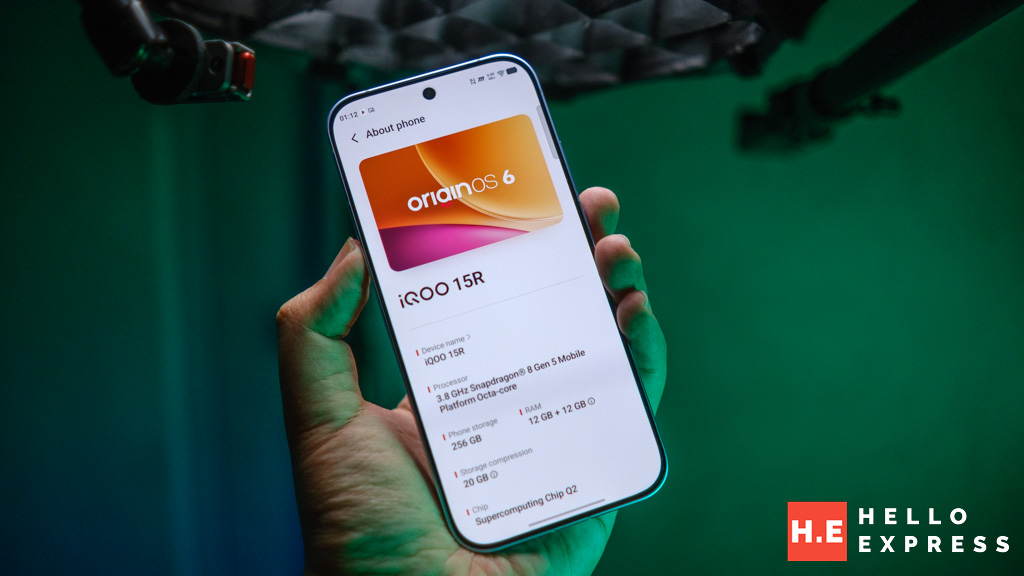
The silicon anode battery in the iQOO 15R is not a gimmick or an inflated number. It is a specific and meaningful advancement in cell chemistry that produces a real and measurable outcome: more battery in less space, with faster charging to refill it. Whether three-year longevity holds under real conditions is the question only time answers. The day-one case is already compelling.