

Get Paid to Learn: 10 Legit Platforms That Pay Money and Crypto to Build Real Skills

TLDR
- Earn while you build practical skills across AI annotation, research, bug bounties, and Web3 quests
- Data Annotation tops out at $30+/hr, while HackerOne bug hunters chase $100 to $100k+ per vulnerability
- Kaggle medals, LeetCode ranks, and HackerOne reputation are career currency that outlasts any single payout
- Coinbase Learn & Earn ended May 2025 — Coinbase Wallet quests on Base App remain active as the modern substitute
- All listed platforms are legitimate; crypto payouts carry Malaysian tax and liquidity considerations worth understanding upfront
What Counts as Earn and Learn
The phrase gets thrown loosely online, so it is worth drawing the line clearly. Genuine earn-and-learn platforms fall into two camps: ones where the activity itself is paid skill-building (data annotation, bug bounties, coding contests), and ones where the reward is mostly educational with a token payout on top (crypto quests, gamified finance apps). Most roundups mix both categories and call them the same thing, which sets people up for disappointment. This list separates them and tells you honestly which is which.


That distinction matters more than the platforms themselves. Anyone spending an hour a day for six months on Kaggle or HackerOne walks away with a portfolio, a public ranking, and recruiter visibility. Anyone spending that same hour on crypto quest platforms walks away with a few dollars in tokens and some XP. The effort is similar, the leverage is not.
Real Skills, Real Money
Data Annotation
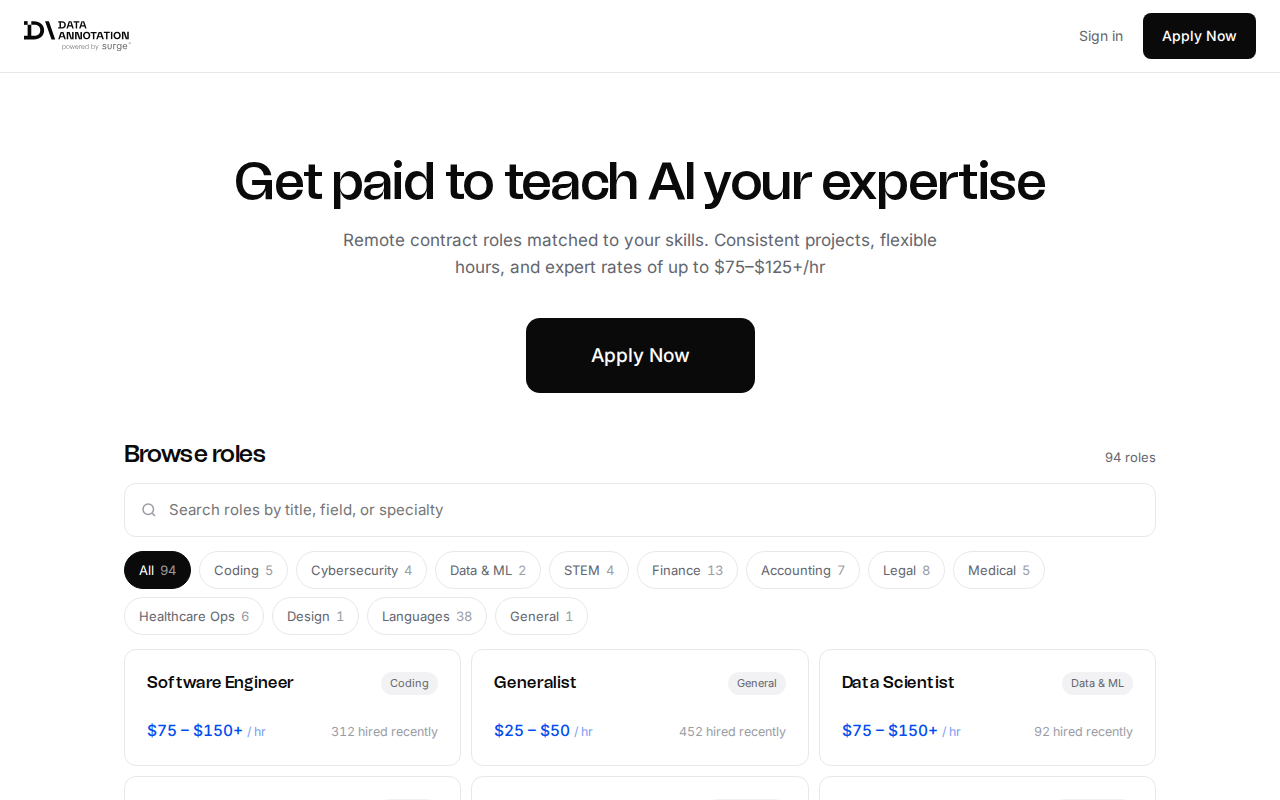
Data Annotation pays US$15 to US$30 per hour via PayPal for workers who pass its reading and writing assessment. Tasks involve evaluating AI model responses, rewriting text, and flagging hallucinated outputs. No computer science background is required, though the assessment is genuinely difficult and acceptance rates are low. Survivors report consistent work and steady pay, but the work itself is monotonous at scale, so it reads better as income than as a career move.
Prolific
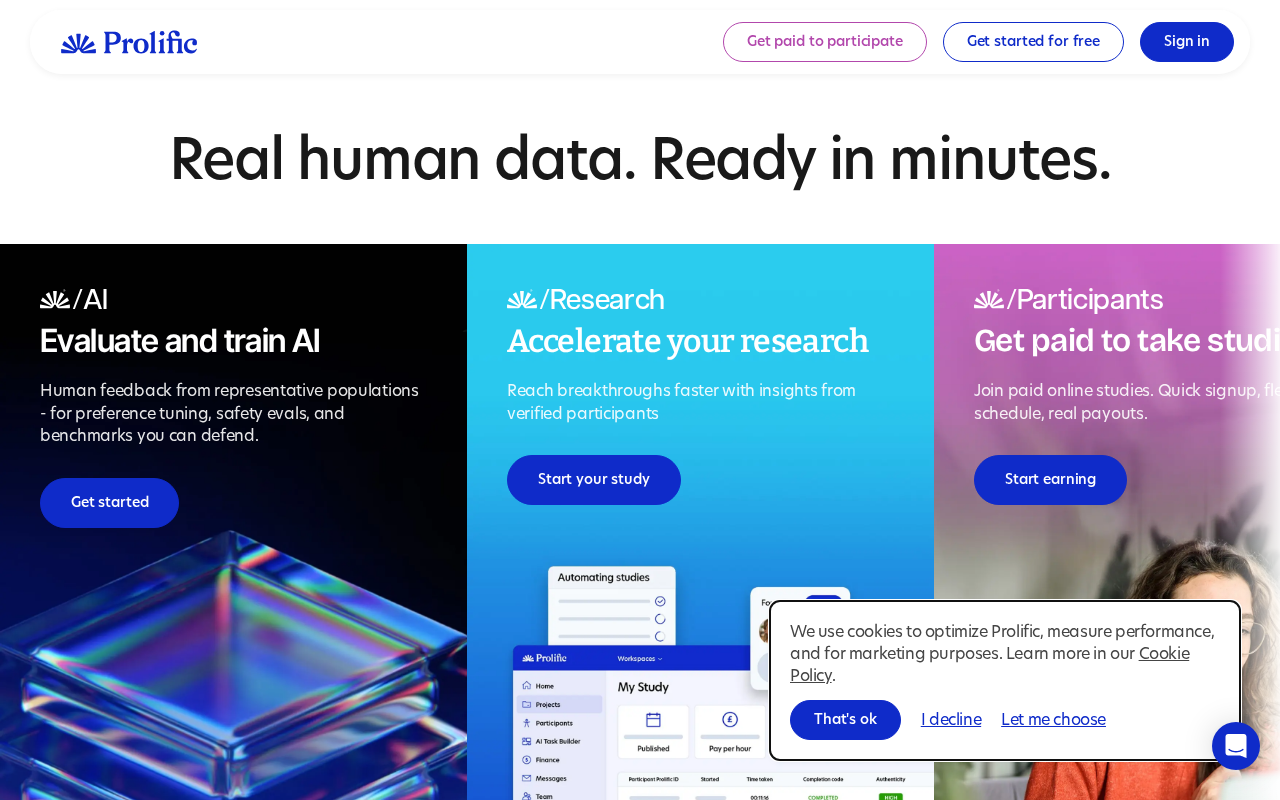
Prolific runs academic behavioural, psychological, and economic research studies with a strict platform minimum payout of US$8 per hour, often paying US$8 to US$12. The catch is screen-out friction: many studies only accept participants matching specific demographics, so you can spend time qualifying only to be rejected, which eats into effective hourly earnings.
Kaggle
Kaggle offers free GPU compute, free courses, and access to data science competitions with prize pools ranging from a few hundred dollars to over US$1 million. The real prize is the medal: Kaggle Competitions Expert, Master, and Grandmaster tiers carry serious weight with hiring managers in machine learning roles, often more than the cash itself.

LeetCode
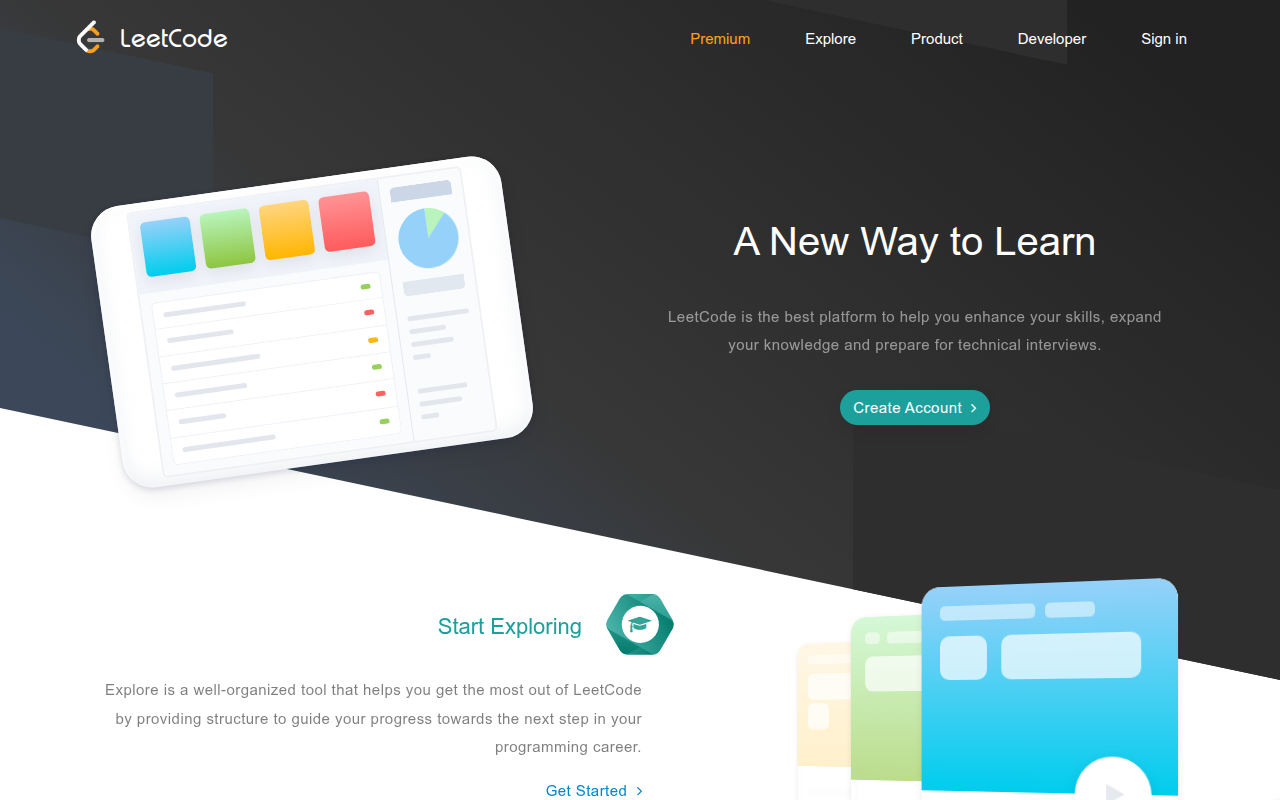
LeetCode is the standard preparation tool for software engineering interviews, with weekly contests offering small cash prizes and a far more valuable upside in direct recruiter attention. Engineers targeting US$150k+ roles treat the platform as a non-negotiable part of their interview prep, regardless of whether they ever win a contest.
HackerOne
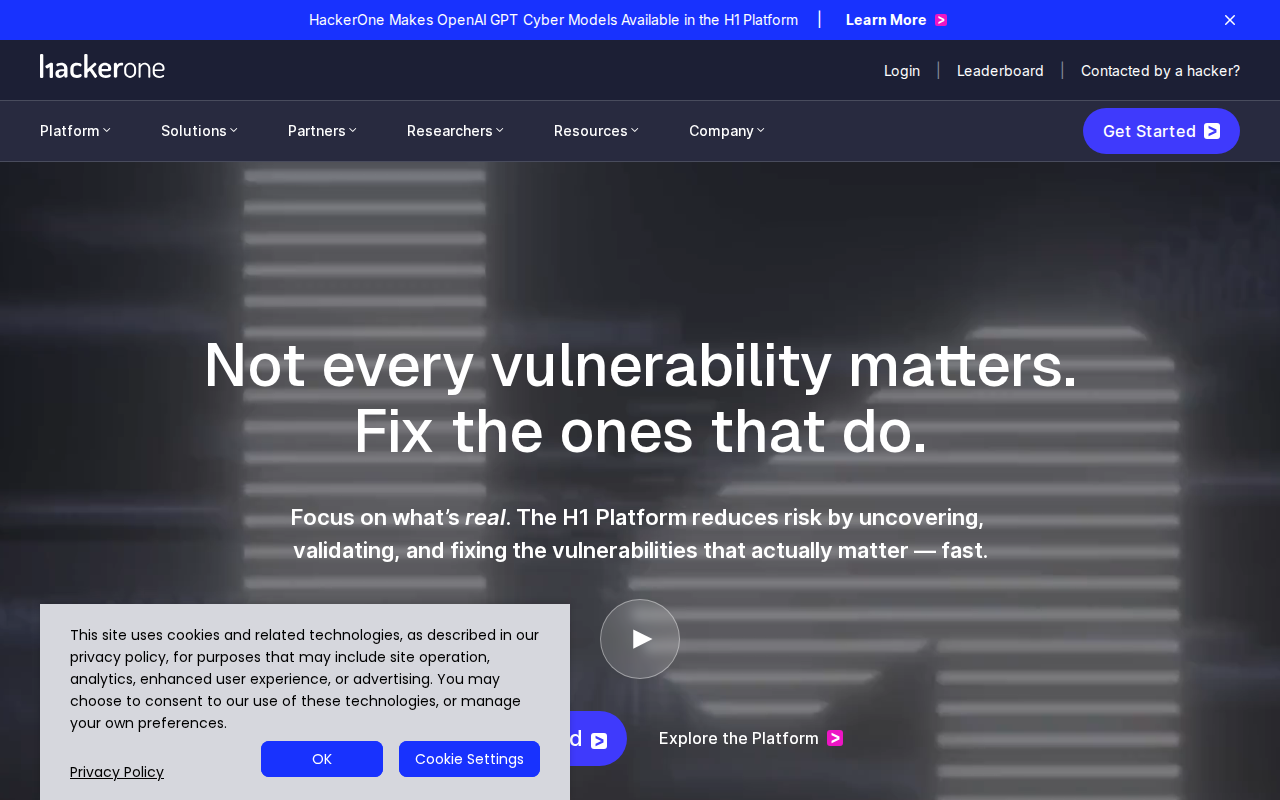
HackerOne runs ethical hacking and bug bounty programmes for major companies, with individual payouts ranging from US$100 for minor issues to over US$100,000 for critical vulnerabilities. Free training via Hacker101 makes the barrier to entry lower than it sounds, though the income distribution is heavily skewed: top hunters make millions, the median is far lower.
Year Up
Year Up is the outlier: a one-year US-only career training programme for ages 18 to 29 that combines six months of tech and business training with a six-month corporate internship, paying up to US$525 per week and leading to full-time roles averaging around US$52,000 per year. Not accessible from Malaysia, but worth knowing as the strongest structured earn-and-learn pathway in the world.

Crypto Rewards and Gamified Learning
Layer3
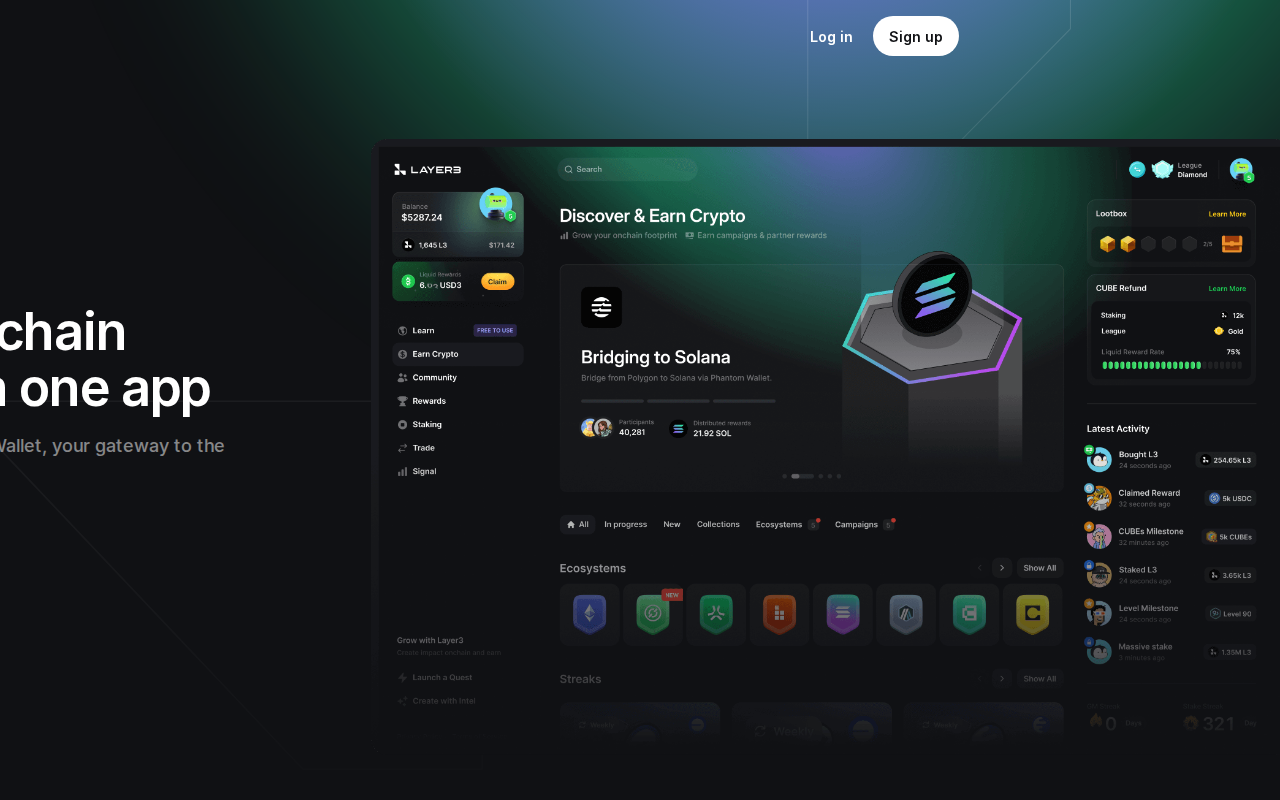
Layer3 runs interactive Web3 quests across decentralised exchanges, bridging, and wallet flows, paying out tokens and XP directly to your wallet. Its updated Liquid Rewards system delivers tokens instantly rather than as future airdrops, which significantly improves the liquidity story compared to older learn-and-earn programmes.
LetMeSpeak
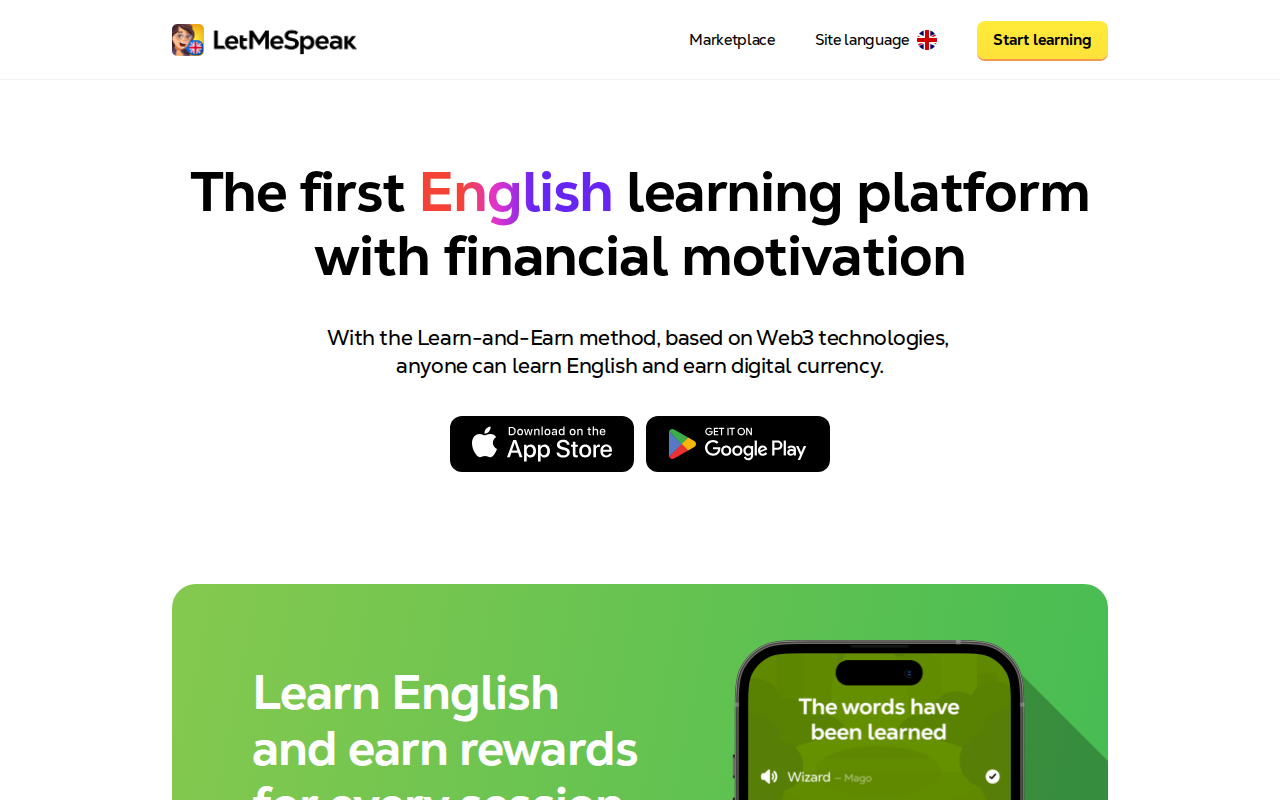
LetMeSpeak offers AI-evaluated English conversation practice, paying out in LSTAR tokens. The platform’s whitepaper pegs a guaranteed buyback at roughly US$0.03 per token, subject to treasury availability. That buyback mechanism is more transparent than most learn-and-earn crypto schemes and makes the rewards slightly less speculative than they appear at first glance.
Zogo
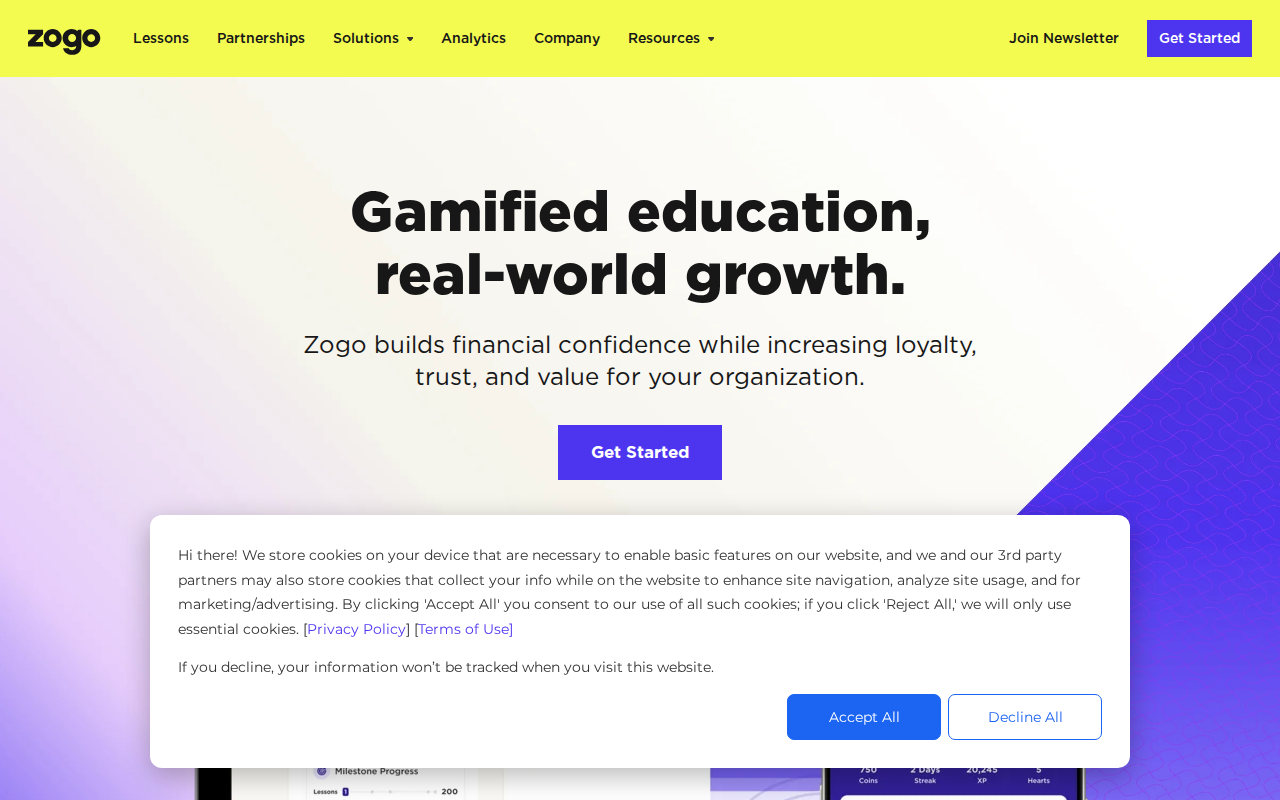
Zogo runs two-to-three-minute gamified personal finance modules on budgeting, credit, and investing, with points redeemable for Amazon, Starbucks, and other retail gift cards. The rewards are small but the lessons are genuinely useful for younger readers building financial literacy, and the time commitment is short enough to fit into a commute.
Coinbase (Base App / Wallet Quests)
Coinbase discontinued its quiz-based Learn & Earn programme on May 27, 2025. The replacement is Coinbase Wallet quests inside Base App, which still pays small crypto amounts for completing educational tasks. Any roundup still listing Coinbase Learn & Earn as an active earn-and-learn opportunity is out of date.
What This Means for Malaysian Readers
Most of these platforms are available globally, but the payout structure matters in practice. PayPal works in Malaysia for receiving payments, though converting to MYR carries standard fees and exchange rate spread. Crypto rewards from Layer3, LetMeSpeak, and Coinbase Wallet quests are subject to Malaysian tax treatment for digital assets, so keep records of receipts and conversions. Year Up is US-only and not accessible from Malaysia, but is included because it is genuinely one of the strongest earn-and-learn pathways anywhere. For Malaysian readers, the most practical picks are Data Annotation for income this week and Kaggle or HackerOne for career compounding over months.
Our Take
The honest framing is this: half the platforms on this list pay you real money for skill-building work, and half are mostly marketing funnels for crypto projects dressed up as education. The skill-building half (Data Annotation, Kaggle, LeetCode, HackerOne, Prolific) is where actual income and career capital live. The crypto half (Layer3, LetMeSpeak, Zogo, Coinbase Wallet quests) is worth dabbling in for fun, but the time-vs-reward ratio is rarely favourable compared to the skill-building tier once you account for token volatility and tax overhead.
If you only have one hour a day, spend it on Kaggle, LeetCode, or Hacker101 depending on your direction. If you need income this week and have nothing else lined up, Data Annotation is the most reliable path. The crypto rewards can supplement that, but they should not be the main reason you show up. Treat them as a low-stakes way to learn about Web3 wallets, not as a substitute for building skills that compound over years.