
Xiaomi 17 Review: The Phone That Fits in Your Life Without Demanding to Be the Centre of It

Xiaomi 17
The Xiaomi 17 is positioned as a compact flagship. That framing usually means compromise — smaller battery, weaker chip, camera sacrifices to hit the size target. The Xiaomi 17 resists all three of those compromises.
Positives
- Compact 6.3" body — liberating after oversized flagships
- Leica triple system — well-calibrated across all three lenses
- Honest Leica colour science — accurate, not artificially boosted
- 13h 17m PCMark Work 3.0 at full brightness
- 6,330mAh silicon-carbon battery in an 8.06mm chassis
- USB 3.2 Gen 1 — 10x faster transfers vs USB 2.0
- 3,500 nits display — readable under Malaysian sun
- 100W wired + 50W wireless HyperCharge
- HyperOS 3 on Android 16 — clean out of box
- IP68 rated
Negatives
- Understated design lacks visual presence for some buyers
- MiClaw AI agent non-functional in current beta
Table of Contents
My daily carry right now is an ROG Phone 9 Pro and a Huawei Pura 80. Both are large phones. Both are heavy. Both make their presence known whether they are in your pocket or on the table. Picking up the Xiaomi 17 for the first time felt genuinely strange — in the best way. Not because it felt cheap or insubstantial, but because it felt like something I had forgotten was possible: a flagship phone that disappears into your life rather than dominating it.
Within the first hour I caught myself patting my pocket to check it was still there. That reflex — the instinctive assumption that a phone this light must have fallen out — tells you something real about how the Xiaomi 17 sits in daily use. It is 191 grams and 8.06mm thin, numbers that look modest on a spec sheet and feel genuinely significant in your hand after years of carrying 200-gram-plus slabs.
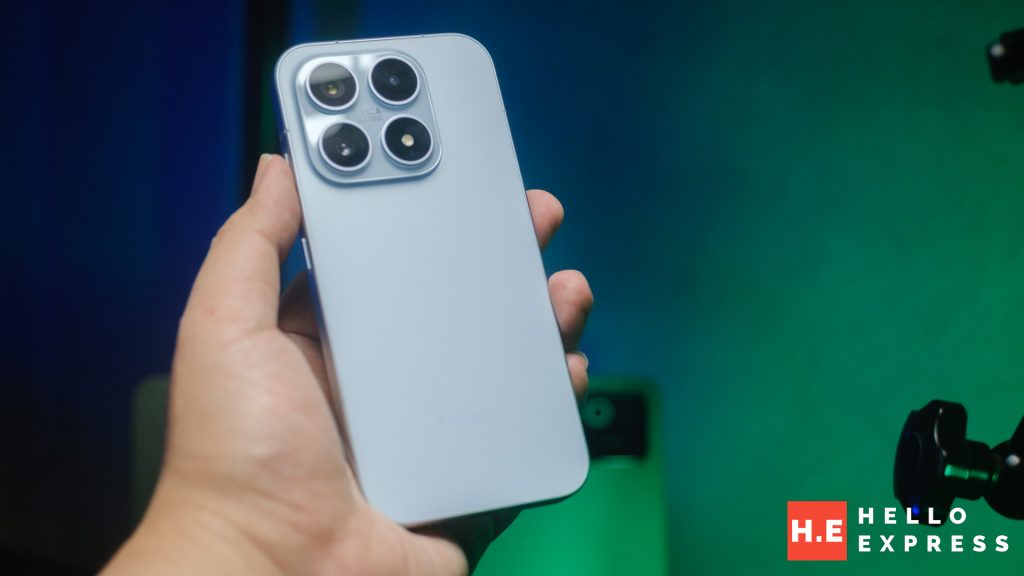
The Xiaomi 17 is positioned as a compact flagship. That framing usually means compromise — smaller battery, weaker chip, camera sacrifices to hit the size target. The Xiaomi 17 resists all three of those compromises, and the result is a phone that makes a specific and persuasive case for a buyer who knows exactly what they want.
What We Like About the Xiaomi 17
1. The Form Factor Is the Feature
Six inches and below used to mean mid-range. The Xiaomi 17 is the argument that this does not have to be true anymore. The 6.3-inch body with 1.18mm bezels on three sides delivers real screen area without the physical footprint that has made most flagships increasingly difficult to use one-handed.
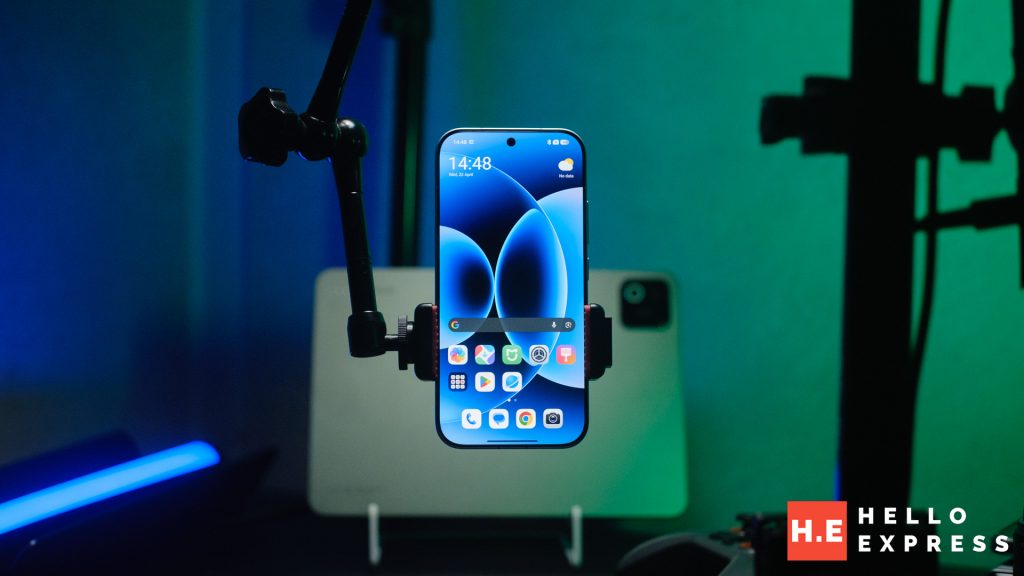
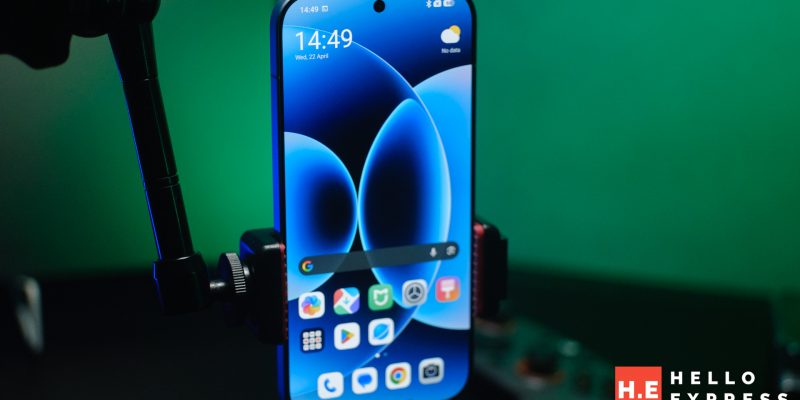
What is less obvious until you spend time with it is how the compact size changes the HyperOS 3 experience. Navigation is faster because everything is within reach. The UI feels purposeful rather than sprawling. Stretching for the top of the screen, a constant annoyance on larger Android flagships, simply does not happen here. For anyone who has quietly made peace with two-handed operation as the default, the Xiaomi 17 is a reminder that this was always a compromise rather than a preference.
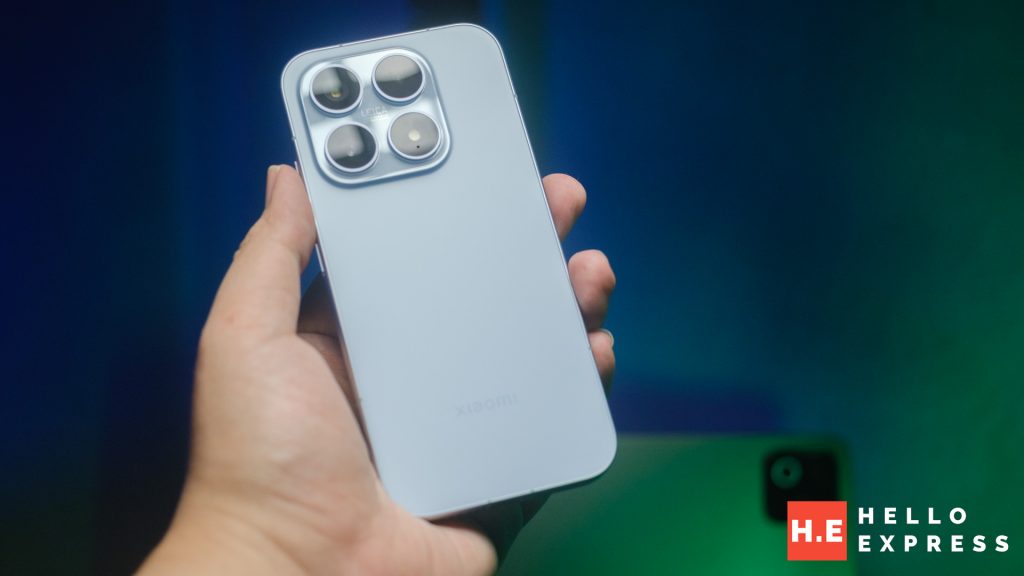
At 191 grams it is also genuinely pocketable in the way that “pocketable” is supposed to mean — not technically fits in a pocket, but sits there without pulling your trousers down or making itself known with every step.
2. Camera: Honest, Lifelike, and Consistently Capable Across All Three Lenses
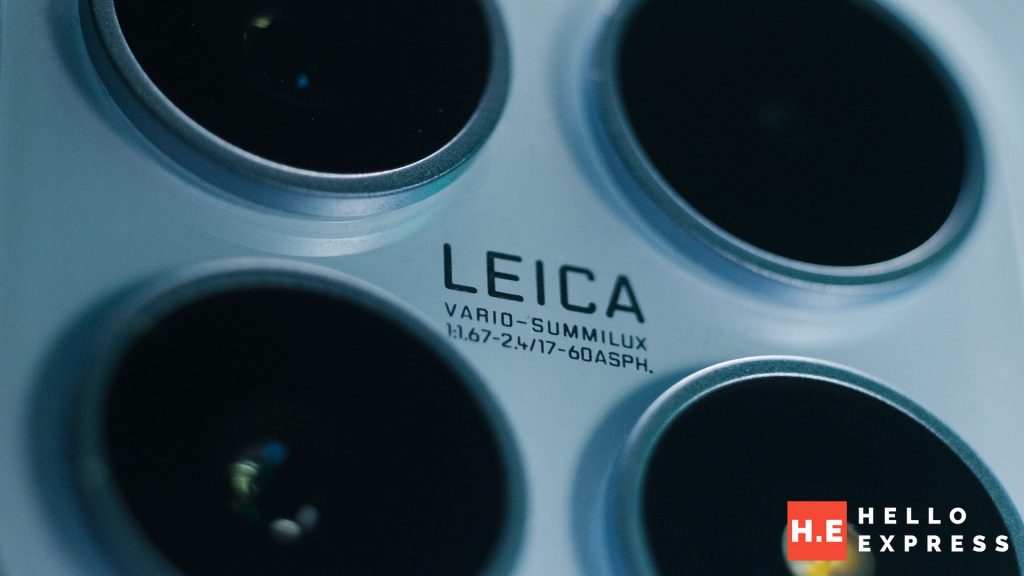
The Xiaomi 17’s camera system is built around a Leica Summilux triple setup — 23mm main (Light Fusion 950, f/1.67, OIS), 60mm floating telephoto (f/2.0, OIS), and 17mm ultra-wide (102° FOV). On paper, that is a strong triple camera. In practice, what stands out most is how well-calibrated all three lenses are against each other. There is no weak link. No lens that visibly falls off in colour rendering, sharpness, or dynamic range handling relative to the other two. Switching focal lengths at Pasar Seni KL — through neon-lit shophouses, tungsten-lit food stalls, open shadow archways — never produced a jarring shift in character between shots.
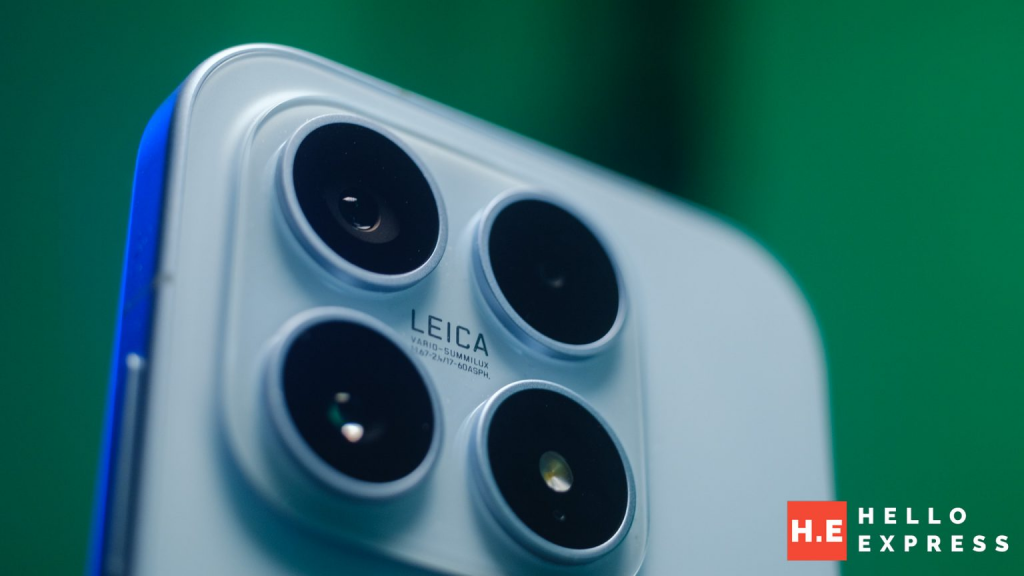
That consistency is harder to achieve than it sounds, and it matters in actual shooting more than any single spec comparison.

The Leica colour science is what will divide opinions, and it is worth understanding what it is before deciding whether it is for you. Shot in Leica Authentic mode, the Xiaomi 17 renders colours that are true to life with a restrained, slightly muted palette — the opposite of what most smartphone cameras are calibrated to do. Most phone cameras are tuned for the scroll: immediate visual impact, saturated colours, punchy contrast that catches attention at thumbnail size. Leica Authentic is tuned for the second look: the image you come back to three days later and find still holds up, the print that does not look artificial when you see it large.
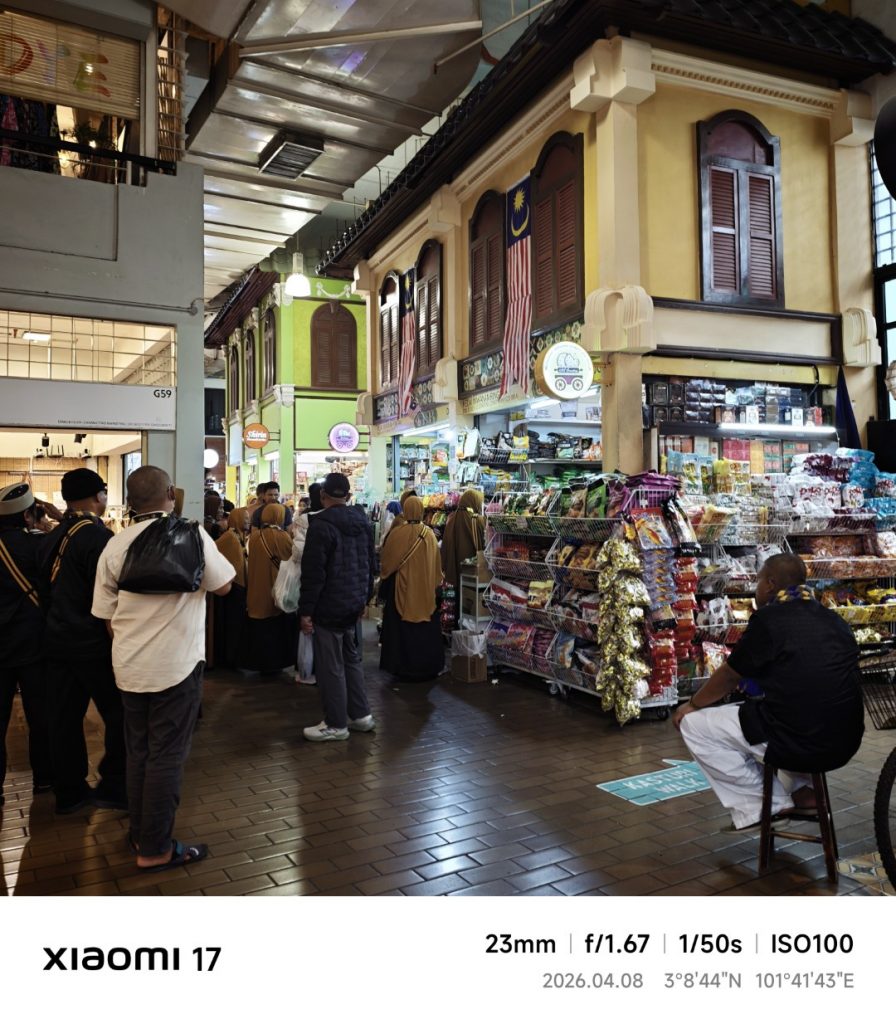
At Pasar Seni, shooting exclusively in auto mode, neon signage, warm tungsten shop lighting, and deep open shadow areas all resolved without the camera attempting to compensate aggressively. Colours stayed true. Shadows held detail. The Leica philosophy of not boosting what does not need boosting was working throughout.
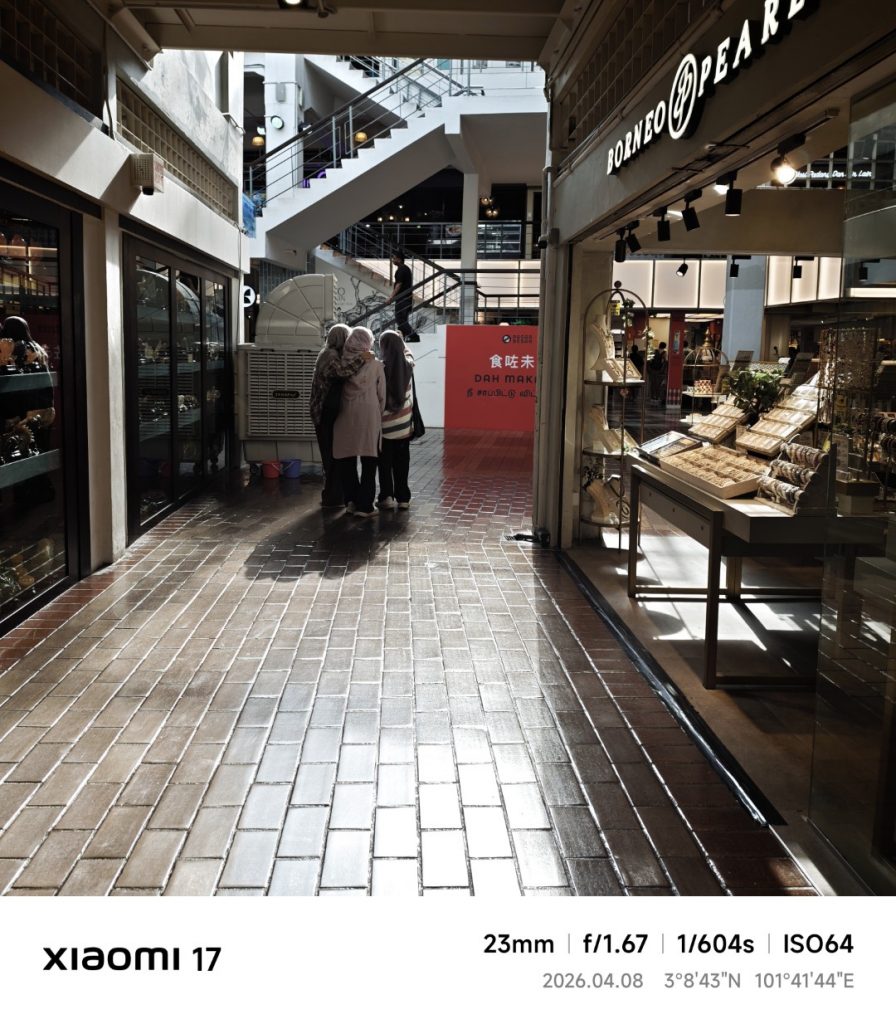
The honest limitation emerged under harsh Malaysian afternoon sun. Direct overhead sunlight produced a washed-out sky — and this is actually the correct result. When the sky is blowing out in the photograph, it is because the sky was blowing out to the human eye at the same moment. There is no artificial HDR processing pulling in cloud detail that your eye could not see. For a buyer who understands what honest dynamic range means, this is a feature. For a buyer who expects their phone to produce dramatic skies regardless of actual conditions, it will read as a limitation.
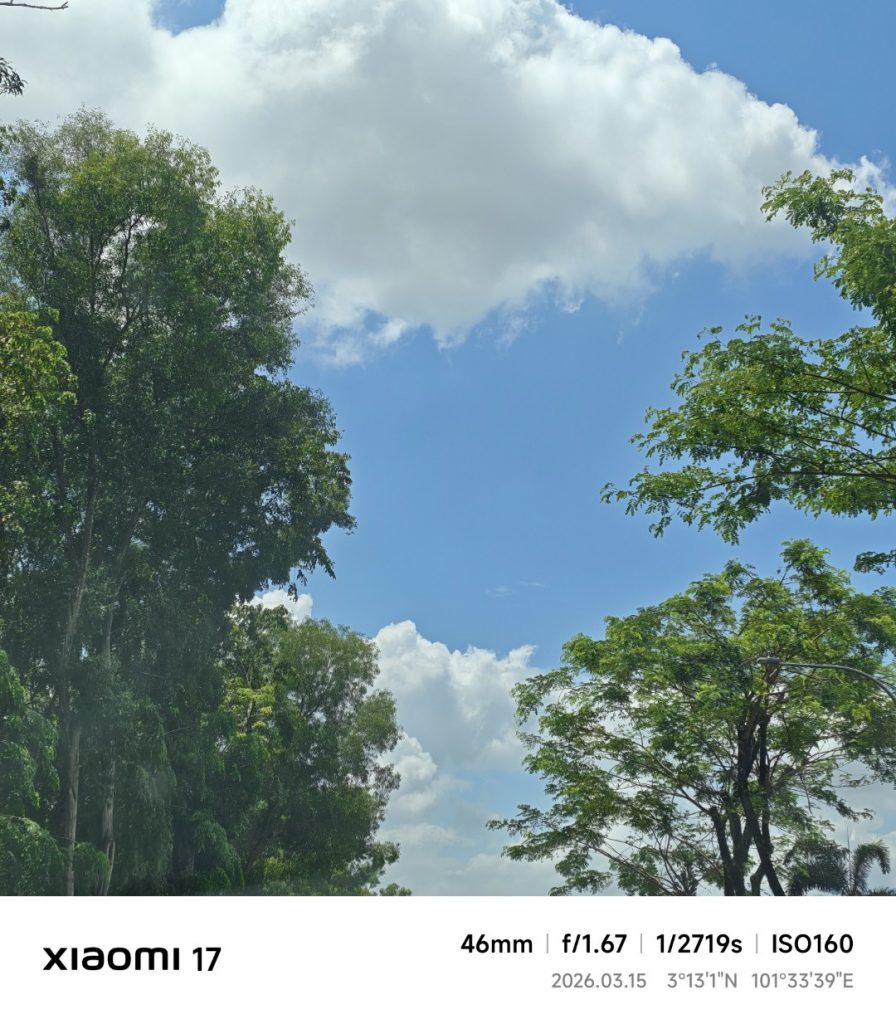
For context: shooting alongside the Xiaomi 17 with an Insta 360 X4 Air recording in 8K HDR, the action camera’s footage showed noticeably lower dynamic range than the Xiaomi 17’s stills. That comparison was not controlled — action cam video versus phone stills is not a like-for-like test — but as a reference point for how the Light Fusion 950 is performing in real conditions, it is informative. The sensor is doing serious work.
Video capability is comprehensive: 4K Dolby Vision at up to 60fps across all focal lengths, 8K at 30fps, and EIS throughout. This is a phone that can produce broadcast-grade footage in the right hands.
We done more test on the camera, check out our dedicated article here:
3. Battery Life That Changes How You Carry a Phone
13 hours and 17 minutes on PCMark Work 3.0 at full brightness throughout, test terminated at 20% battery — this is a strong result for any flagship and an exceptional one for a phone this size.
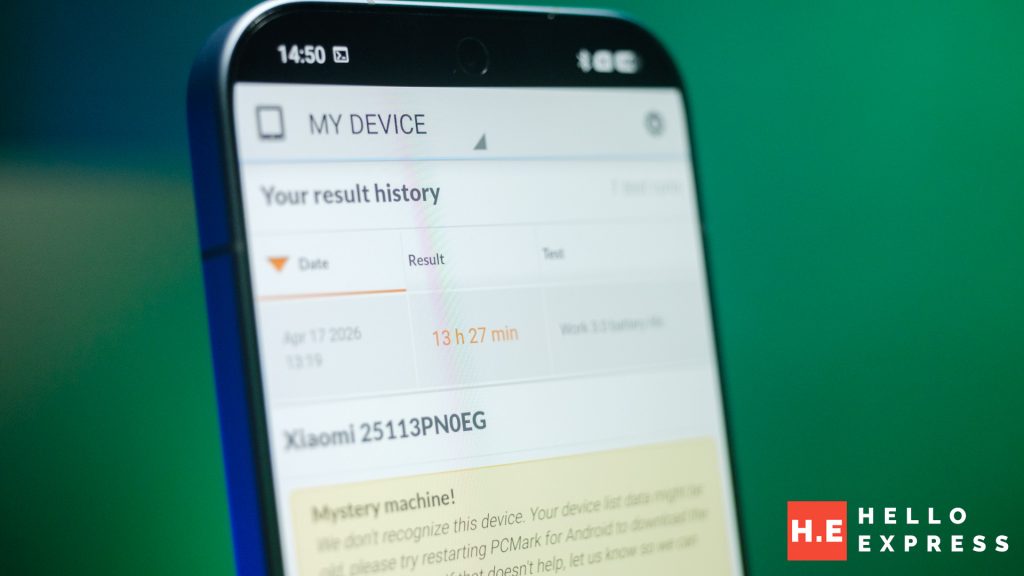
The 6,330mAh silicon-carbon cell with 16% silicon content is doing two things simultaneously: delivering all-day endurance and fitting inside an 8.06mm chassis. The silicon anode chemistry that allowed this is becoming the defining battery story of 2026’s flagship crop. On the Xiaomi 17, it produces a phone that comfortably covers a full Malaysian working day including a morning commute, back-to-back meetings, a long lunch with the camera running, and an evening out — without reaching for a charger.
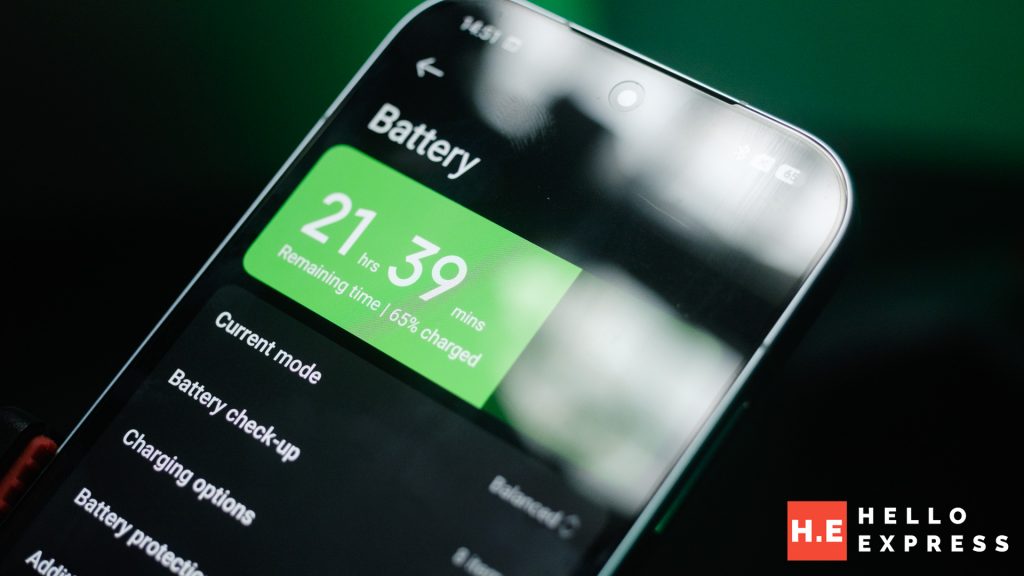
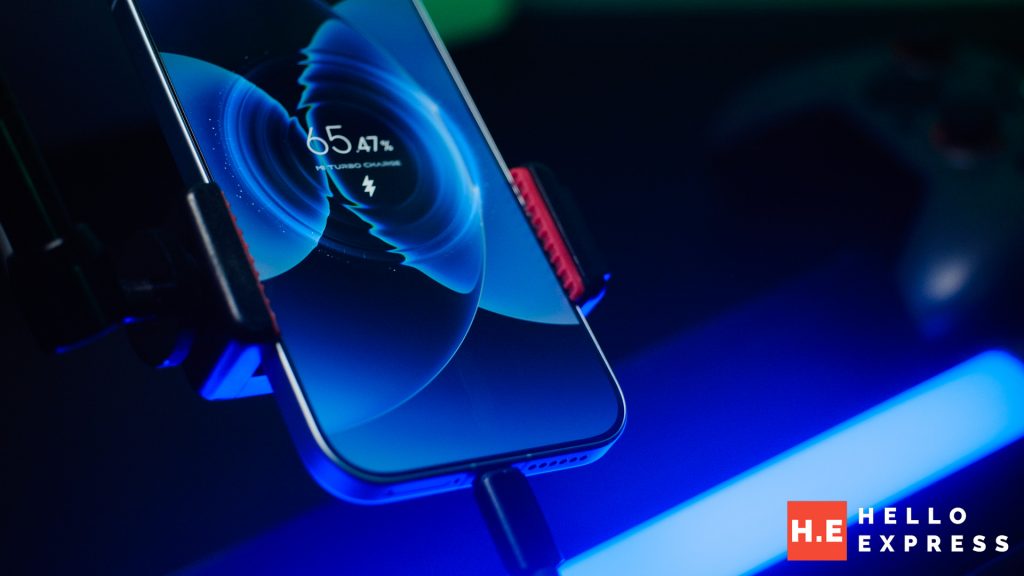
For a buyer who travels for work, the implications are more specific. A phone that lasts 13-plus hours at full brightness, charges to full in under 50 minutes via 100W wired HyperCharge, and weighs 191 grams is a legitimate carry-on companion. The wireless charging at 50W removes one cable from the hotel room equation.
4. Display That Earns Its 3,500 Nits Claim
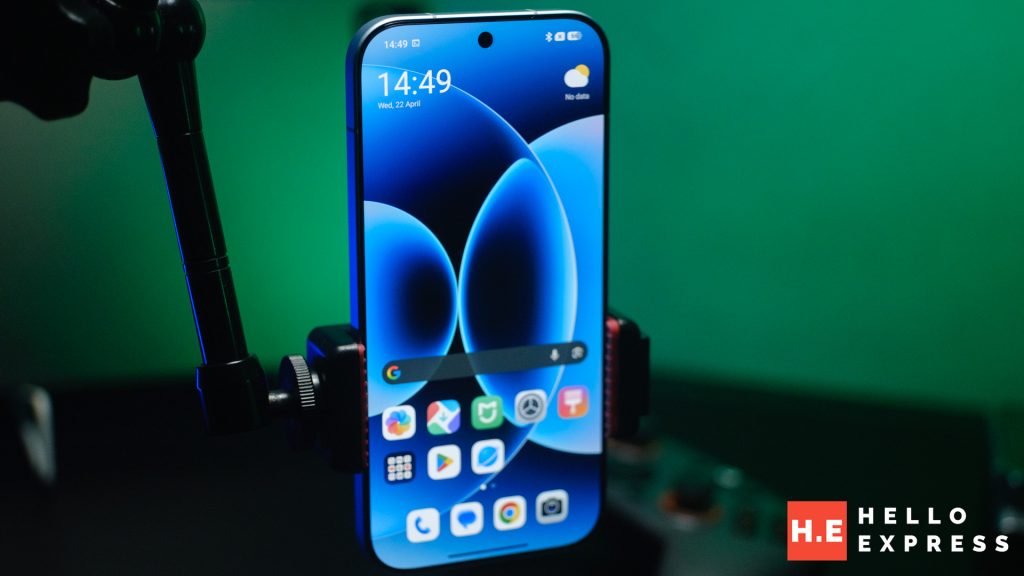
The 6.3-inch CrystalRes OLED panel — 2656 x 1220, 460ppi, 1–120Hz adaptive — performs exactly as the specification suggests under Malaysian conditions. Reading the display under direct afternoon sun is not a squinting exercise. 3,500 nits peak brightness in a climate where outdoor use is daily rather than occasional is a meaningful specification rather than a benchmark number.
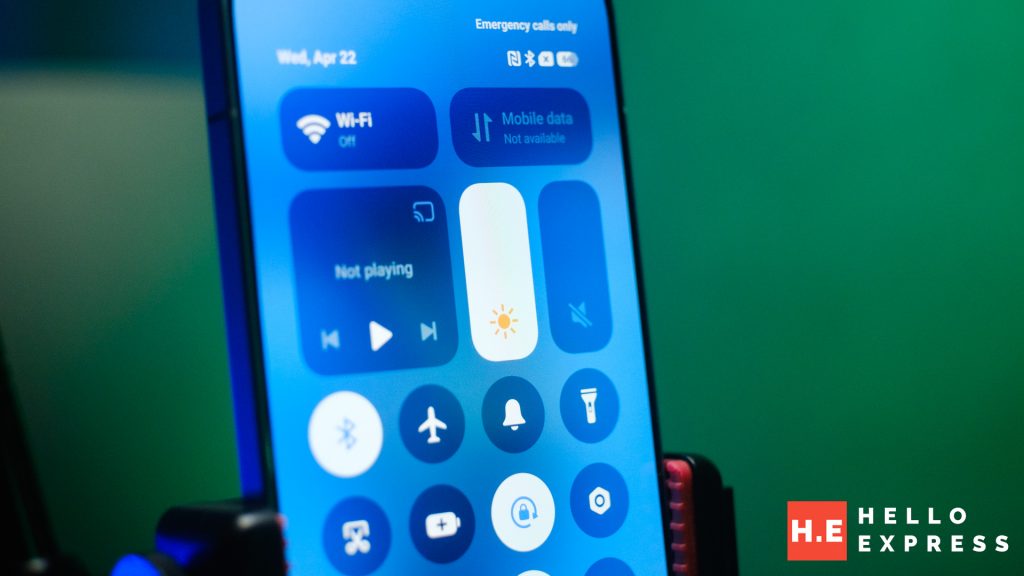
Bezels at 1.18mm on three sides give the display an immersive quality that the physical footprint of the phone does not telegraph. TÜV Rheinland Flicker Free certification matters for prolonged daily use — a display you can spend eight hours looking at without accumulating eye strain is worth calling out specifically.
5. USB 3.2 Gen 1 — A Quiet Upgrade That Matters
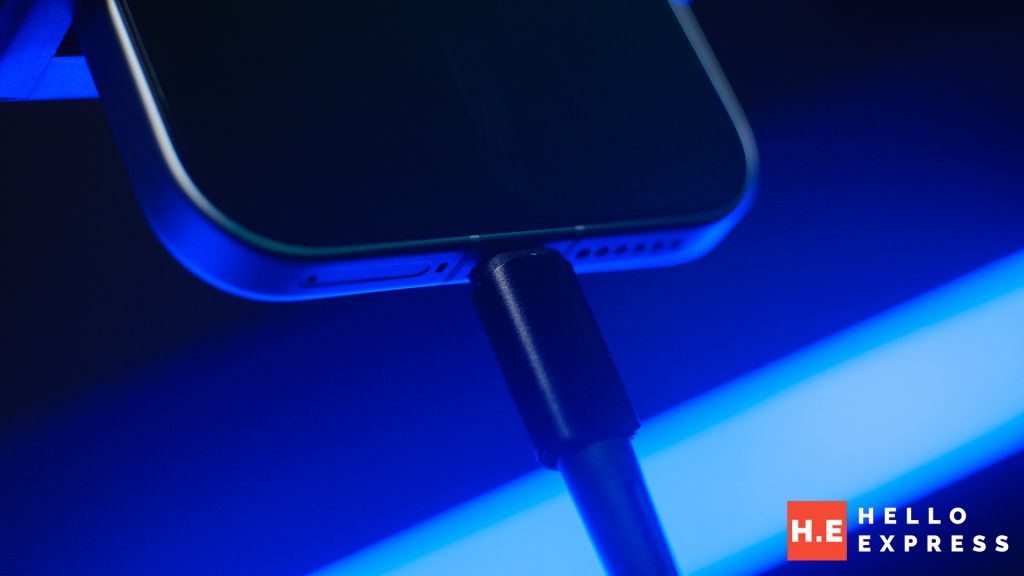
5Gbps transfer speeds via USB-C. For anyone who shoots RAW files, transfers 4K footage, or uses the phone as a content creation tool, the jump from USB 2.0 (480Mbps) to USB 3.2 Gen 1 (5Gbps) is a 10x improvement in transfer speed. The Xiaomi 17 is the kind of phone that photographers will fill quickly. USB 3.2 means offloading to a laptop or drive does not become a waiting exercise.
What We Don’t Like About the Xiaomi 17
1. It Doesn’t Ask for Attention — and Sometimes You Wish It Did
The Xiaomi 17 is a deliberately understated phone. Metal frame, flush camera deco in matching body colour, clean lines, no visual drama. For a significant portion of buyers — and this includes anyone who would turn off RGB lighting on their PC — this is exactly right. The phone that sits quietly on the table and does not demand to be looked at.
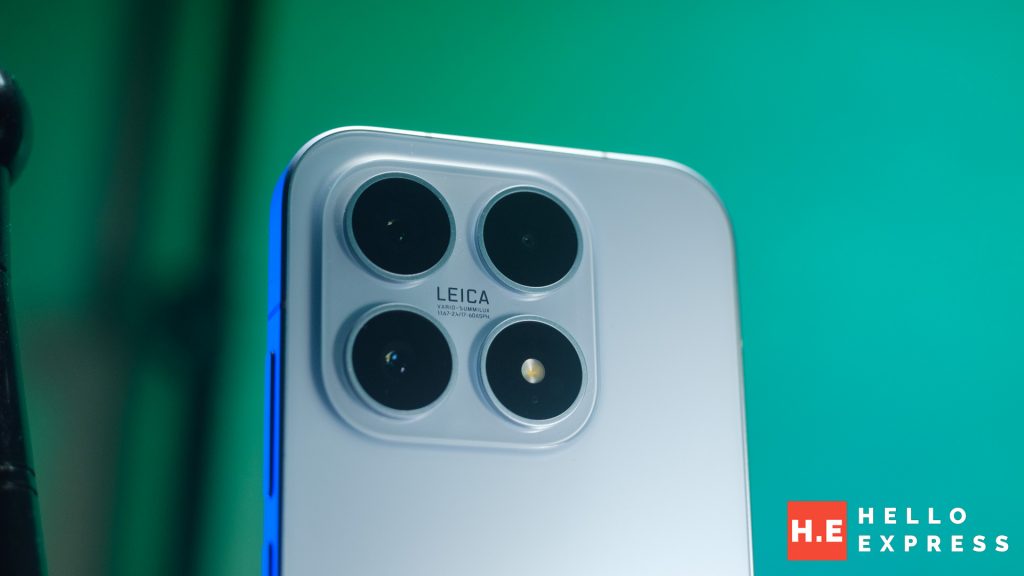
But there are moments where you feel the absence of presence. This is a RM3,499 flagship. Other phones at this price point carry a visual authority that communicates their tier at a glance. The Xiaomi 17 does not do that. It looks, at first glance, like a well-made phone that could cost RM1,800. That understatement is a feature for the right buyer and a genuine limitation for the buyer who wants their hardware to reflect the investment.
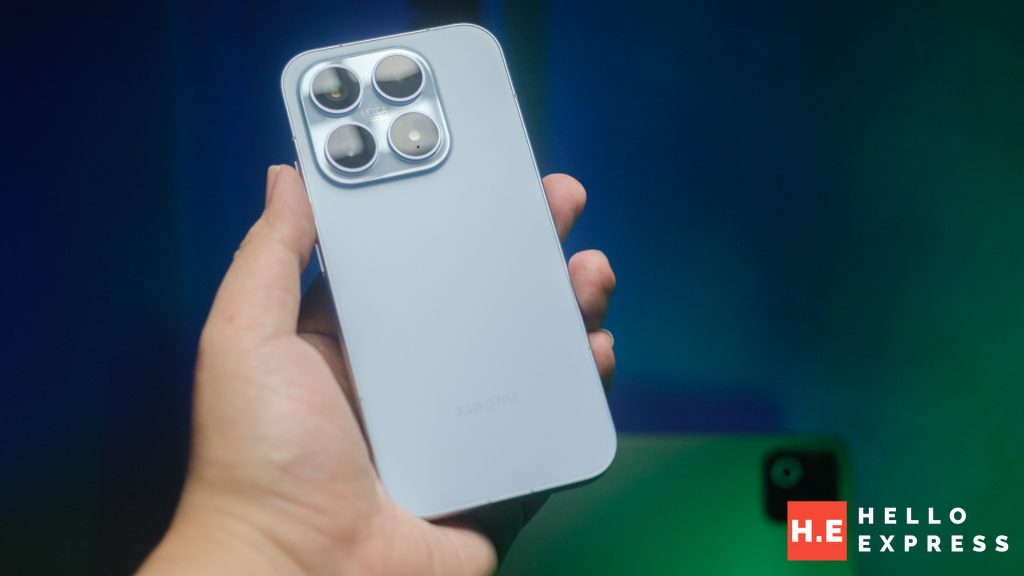
To be clear: build quality is not the issue. Materials, finish, and assembly feel entirely appropriate for a flagship. This is purely about visual personality. The Xiaomi 17 has very little of it — and whether that reads as elegant restraint or a missed opportunity depends entirely on what you value.
2. MiClaw AI Agent — Beta but Non-Functional
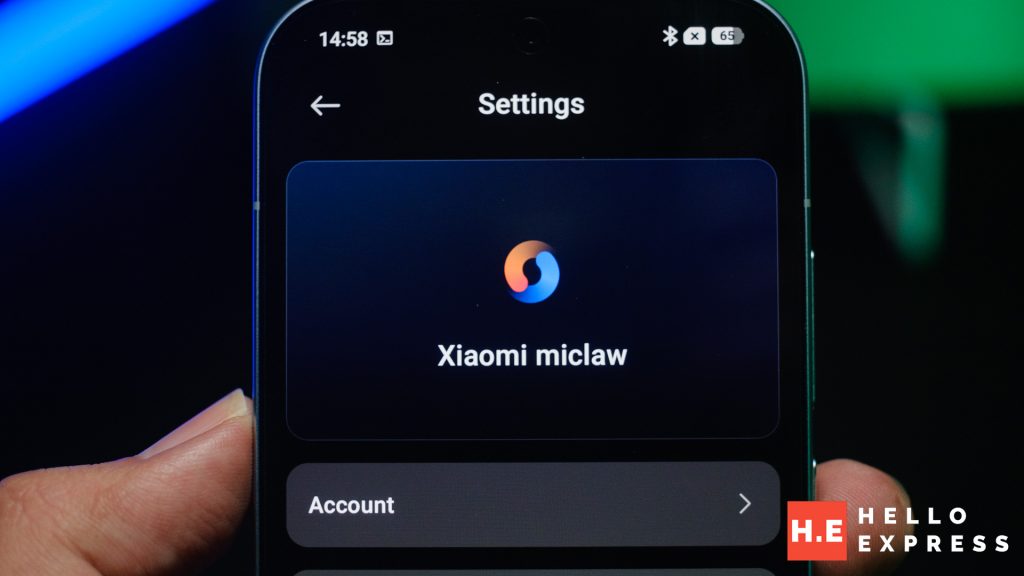
Xiaomi announced the Xiaomi 17 series will support the MiClaw, Xiaomi’s system-level AI agent built on the MiMo large model. While still in open-beta stage, we tried to test it, but authentication fails at the API layer with a 403 error regardless of which credentials are used — including fresh API keys generated directly from Xiaomi’s official MiMo API platform with full permissions granted. Xiaomi’s own beta documentation does not specify where to source the required credentials, creating a loop where the feature is installed but has no functional path to activation.
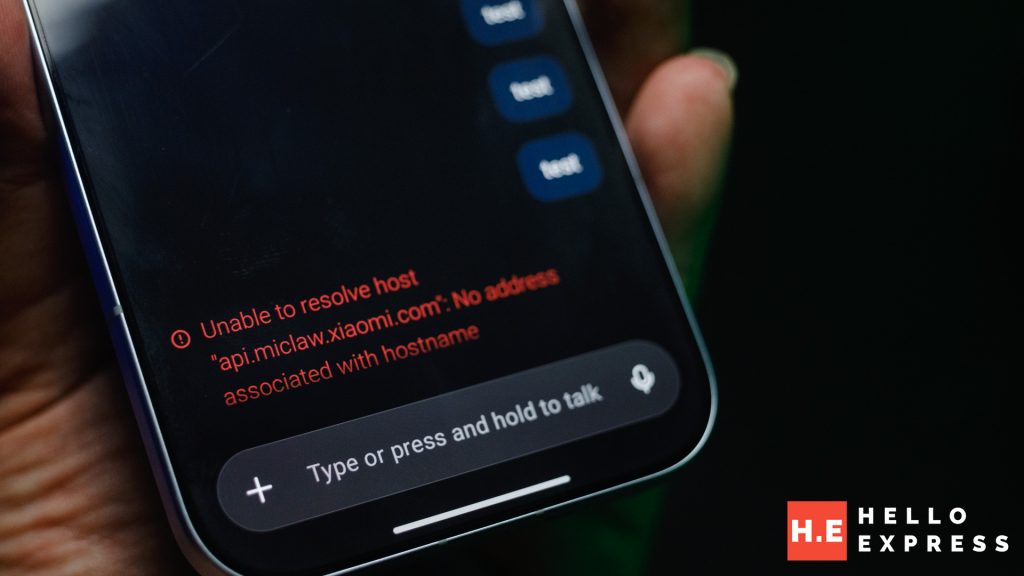
This is not a criticism of what MiClaw is designed to do — the architecture is genuinely ambitious and we will cover it fully in a separate investigation.
Pricing and How It Sits in the Market
RM3,499 for 12GB+256GB, RM3,799 for 12GB+512GB. Launched Malaysia March 2026 via mi.com/my, Shopee, Lazada, and physical Mi Stores nationwide.
At RM3,499 the Xiaomi 17 is competing with the Samsung Galaxy S25 and sitting below the iPhone 16. It offers the Snapdragon 8 Elite Gen 5 — the current generation chip — where the S25 ships with the Snapdragon 8 Elite in most markets. The Leica camera system, USB 3.2 Gen 1, and 6,330mAh battery are differentiators that the S25 cannot match at a comparable price.
For a Malaysian buyer who wants a compact flagship with serious camera credentials, the Xiaomi 17 has no direct competition at this price point. The compact premium Android flagship bracket is genuinely underserved in this market, and the Xiaomi 17 fills it without meaningful compromise.
Verdict
The Xiaomi 17 is the phone for a specific buyer, and that buyer will know immediately whether they are it.
You work. You travel for work. You want good photos of the places you go and the food you eat and the people you are with, and you want those photos to look like what you actually saw rather than what an algorithm decided would look impressive. You want a phone that lasts a full day without anxiety. You want something that fits in your jacket pocket without making itself known on every step. And you do not need your phone to look like a statement piece — or you actively prefer that it does not.
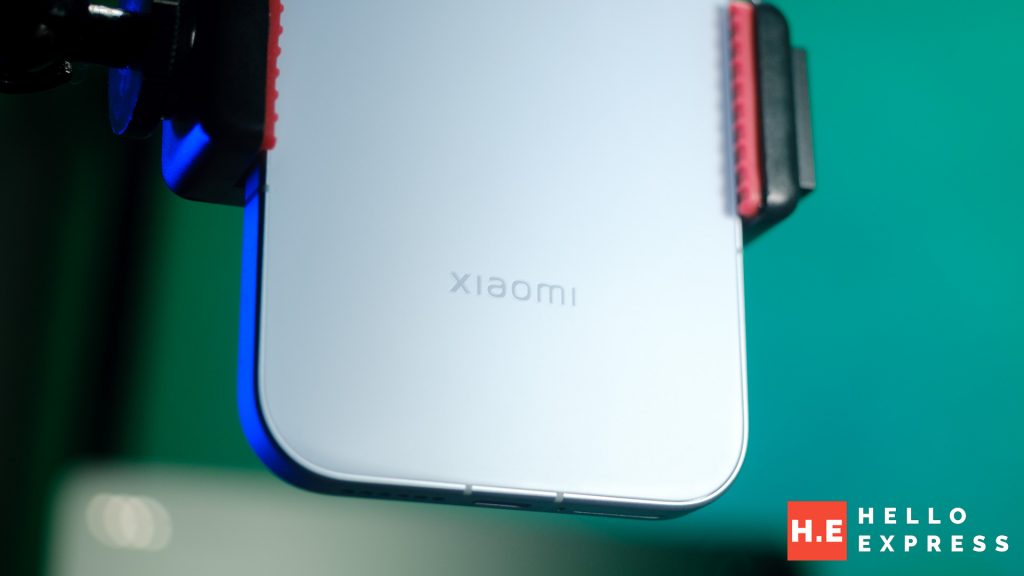
That buyer gets an exceptional phone at RM3,499. Compact, honest, well-made, and capable of images that improve on second and third viewing in a way that most smartphone cameras simply do not. The 13-hour battery life in a 191-gram body is a technical achievement that the specs alone do not convey. The three-lens Leica system is the most consistent triple camera we have tested at this price — no weak link, no jarring transition between focal lengths, no artificial boosting to hide sensor limitations.
The only honest reservations are the understated design — genuinely a matter of preference, and a feature for many — and the non-functional MiClaw beta, which we will cover separately once Xiaomi resolves the authentication issue.

For Malaysian buyers looking for a compact flagship that takes photography seriously, this is the pick. We are pleased to award it the HelloExpress Gold Award.
Help support us!
If you are interested in the Xiaomi 17 we would really appreciate if you purchase it via the links below. These affiliate links won’t cost you any extra, but it will be a great help to keep our lights on here at HelloExpress.
Computer Memory
- Xiaomi 17 (Shopee): https://s.shopee.com.my/2LUYl5Ym5q
- Xiaomi 17 (Lazada): https://s.lazada.com.my/s.ZZZvek?t=p-iGCECyy-s2F9fijX