
OriginOS 6 on the iQOO 15R: What Malaysian Buyers Need to Know Before Switching

Table of Contents
Buying an iQOO 15R is not just choosing a phone. It is choosing an operating system most Malaysian buyers have never used. For someone coming from Samsung’s One UI, Xiaomi’s HyperOS, or stock Android on a Google Pixel, OriginOS 6 will feel unfamiliar in ways that go beyond a different app drawer layout. Whether that unfamiliarity is a dealbreaker or a minor speed bump depends on what you value in a phone and how long you are willing to invest in the transition.
This is the honest guide to what OriginOS 6 actually is, what it does well, what it does differently, and what Malaysian buyers specifically should know before committing.
What OriginOS 6 Actually Is
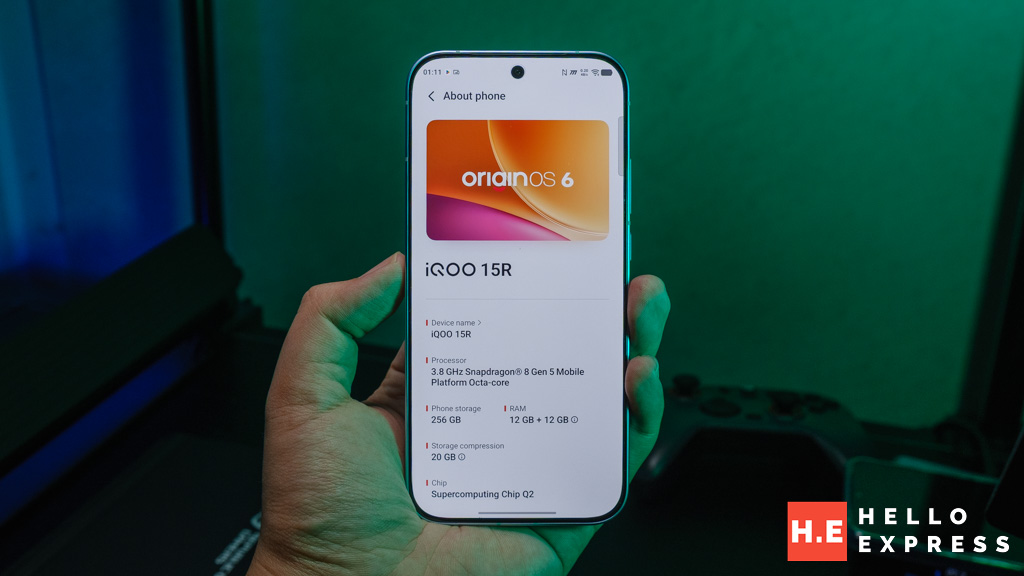
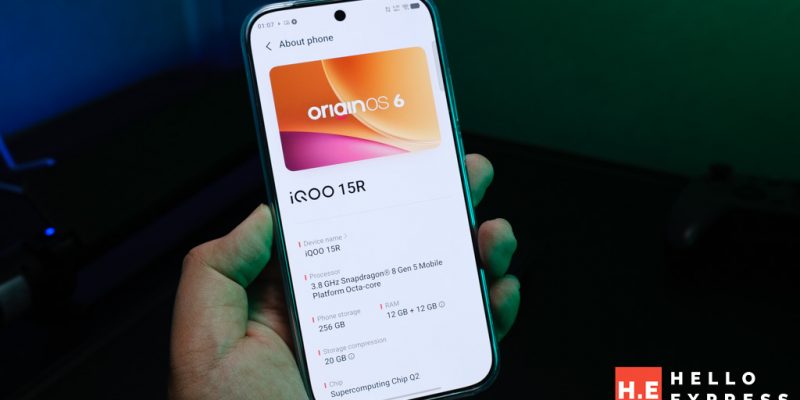
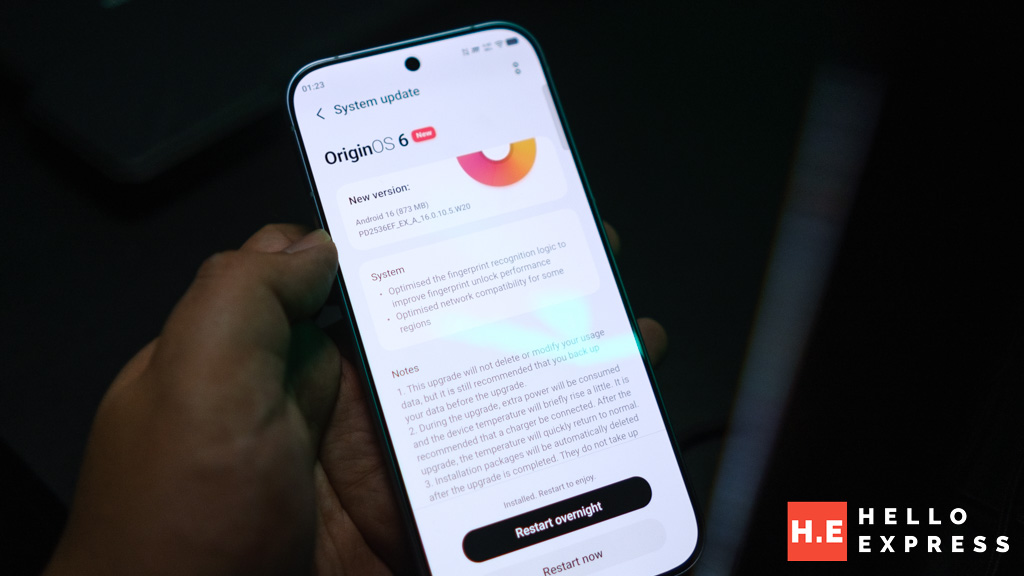
OriginOS 6 is vivo’s custom Android skin, shared between vivo and its sub-brand iQOO. It runs on Android 16 on the iQOO 15R — the most current Android version available, which gives it a meaningful base layer advantage over competitors still shipping on Android 15.
The OS philosophy sits somewhere between Xiaomi’s feature-dense HyperOS and stock Android’s restraint. It has genuine customisation depth, a gaming layer with real engineering behind it, and a visual design language that leans toward physicality and animation — things moving like real objects, with weight and momentum. If you find One UI’s animations satisfying, OriginOS 6 is working from a similar instinct.
The Five-Year Smoothness Claim — What It Actually Means
iQOO promises a “5-Year Smooth Experience” — and it is worth understanding what this commitment does and does not cover.
What it means technically: OriginOS 6 ships with comprehensive anti-aging optimisations applied to memory management, file system maintenance, animation frame handling, and background process scheduling. These are real engineering choices, not marketing labels. The Origin Smooth Engine coordinates these systems to reduce the performance degradation that causes Android phones to feel slower after 18 to 24 months of use.
What it does not mean: it is not a guarantee that the phone will feel identical in year five as it does on day one. Batteries degrade, app complexity grows, and storage fragmentation accumulates regardless of OS optimisation. The commitment is responsible behaviour, not physics-defying magic.
The software update commitment alongside it — four major Android version upgrades plus six years of security patches — is the part that matters most for long-term value. A phone receiving OS updates through 2030 retains security, app compatibility, and resale value in ways a phone abandoned at Android 16 does not.
The Gaming Layer
For a phone positioned at gamers, the gaming-specific features of OriginOS 6 are where the OS earns its keep.
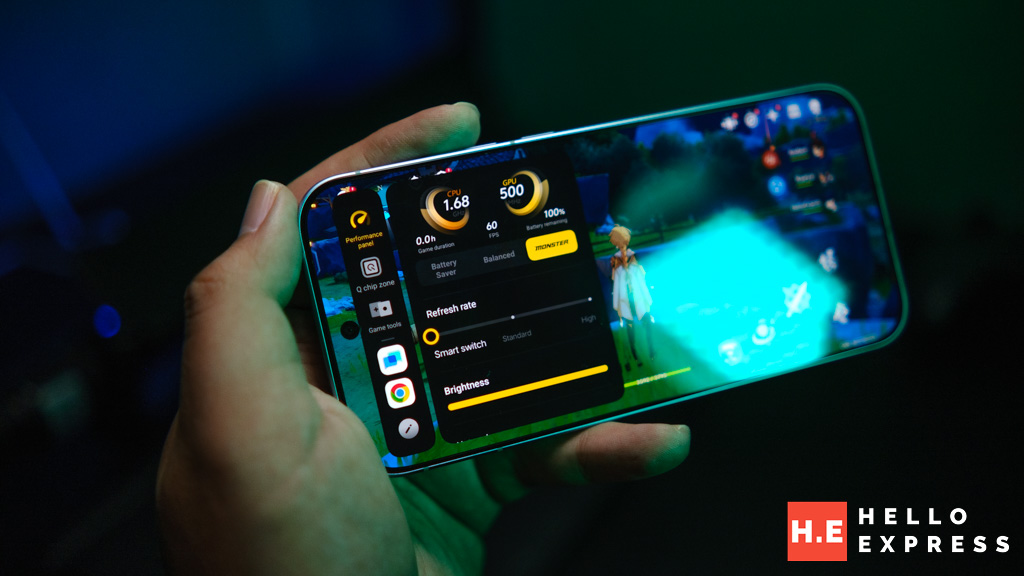
Monster Mode — One-tap performance unlock — overrides background power management to deliver full chip headroom on demand. The Snapdragon 8 Gen 5 under Monster Mode runs at its thermal limit rather than its efficiency target. The mode for competitive sessions where frame rate stability matters more than battery conservation.
Predictive Scheduling — Analyses frame delivery patterns in real time and pre-allocates CPU resources before the next frame is needed. Reduces micro-stutters that show up as frame rate variance rather than raw frame rate drops. The feature that makes 144fps feel stable rather than just average-144fps-with-spikes.
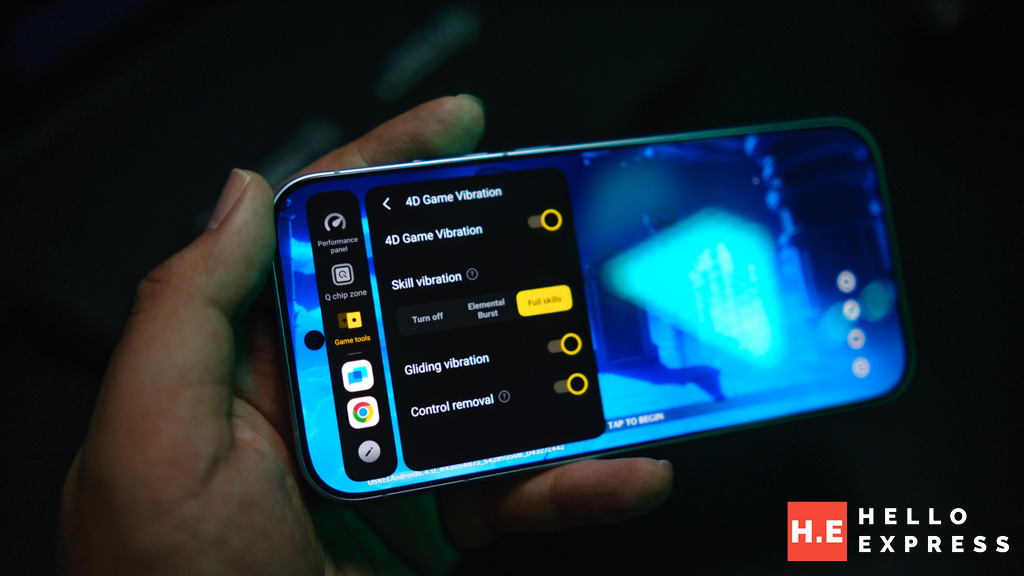
4D Gaming Vibration — Three intensity levels, with haptic differentiation between footsteps, gunshots, and environmental audio in supported games. The linear motor is capable enough to make it noticeable — and it is.
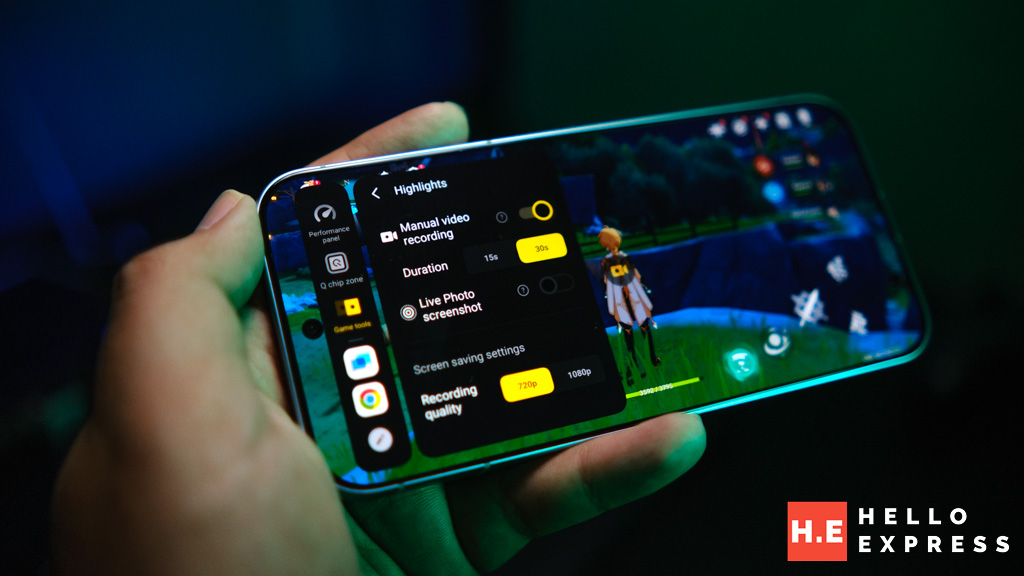
Game Live Streaming — 2K 60fps 20Mbps built-in — a professional-tier feature at this price point. Content creators who stream mobile gameplay will find the built-in tools competitive with third-party solutions.
Daily Use — What Feels Different
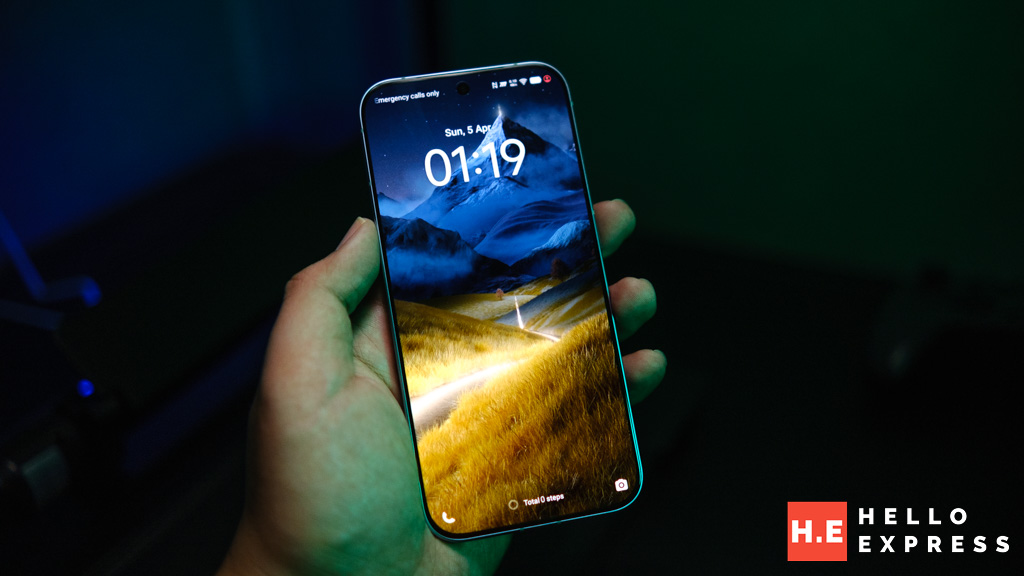
The Lock Screen is more customisable than most buyers will expect. Live Photo Wallpapers, Text Vibe (fully customisable lock screen text and style), and Flip Cards (the wallpaper changes as you tilt the phone) are personalisation options that make the phone feel genuinely yours.
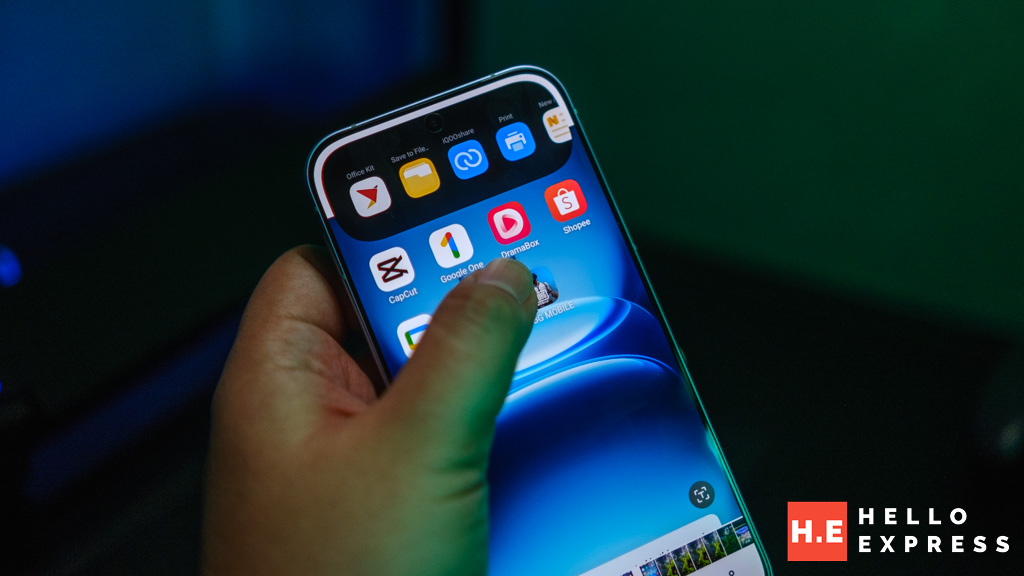
Origin Island is the always-available quick function hub — a persistent pill that surfaces smart shortcuts, ongoing timers, and app-specific quick actions without requiring you to navigate away from what you are doing. Clearly inspired by Apple’s Dynamic Island concept, and more useful in practice than most Dynamic Island implementations.
The Snap-Up Engine is an OriginOS-specific feature with genuine Malaysian relevance: it is designed to automate high-demand ticket or booking purchases — the kind of transaction where KL Concert Hall seats or Rapid KL event slots sell out in seconds. Whether it works as advertised for Malaysian booking platforms specifically requires real-world testing.
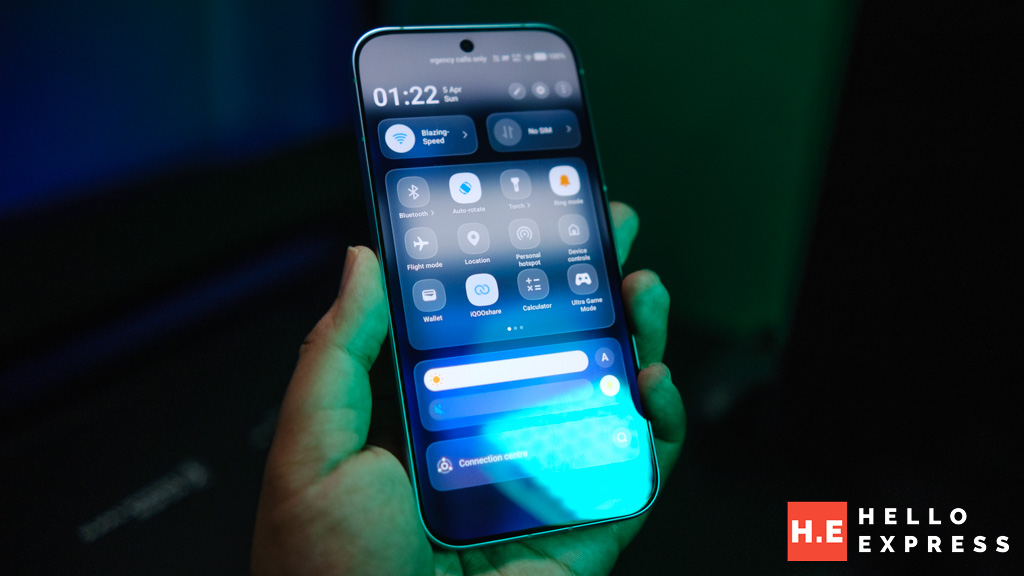
Cross-Device Connectivity with Mac and iPad via vivo Office Kit is a genuine productivity addition for buyers in that ecosystem. For the majority of Malaysian buyers on Windows, this feature is largely irrelevant.
The Honest Transition Friction
Switching to OriginOS 6 from One UI or HyperOS carries real adjustment costs that a spec sheet will not warn you about.
Notification management is the first friction point. OriginOS, like most Chinese Android skins, applies aggressive background process management that can silently kill apps you expect to be running. Messaging apps, email clients, and delivery trackers may miss notifications until you manually whitelist them in battery optimisation settings. This is a one-time setup task, but it requires knowing it exists.
Bloatware on a fresh setup is present but not excessive — iQOO’s own gaming tools, some vivo services, and regional additions. The standard Malaysian new-phone ritual of clearing pre-installed apps applies here.
Google services integration is smooth. Google Play, Assistant, and all standard Google apps install and run without friction — there is no Huawei-style gap in the Google ecosystem here.
Who Should Switch — and Who Shouldn’t
| Coming From | Transition Cost | Upside |
| Samsung One UI | High — Galaxy ecosystem features lost | Monster Mode, Gen 5 performance |
| Xiaomi HyperOS | Low — similar feature density philosophy | Faster base Android, gaming tools |
| Stock Android / Pixel | Medium — more bloat, unfamiliar skin | Better gaming layer, larger battery |
| OxygenOS | Low-medium — both clean-ish skins | 144Hz, Supercomputing Chip Q2 |
Should You Switch?
For a buyer whose daily life revolves around Samsung’s ecosystem — Galaxy Buds, SmartThings, Dex — OriginOS 6 will lose features on day one that take time and workarounds to replace. For a buyer whose daily life is mostly Google apps, WhatsApp, Grab, and mobile games, the transition cost is low and the gaming-specific upside is real.
OriginOS 6 rewards the buyer who invests a week in setting it up correctly. At the end of that week, you have a gaming-optimised Android experience on Android 16 with five years of intended support ahead of it. For Malaysian buyers making a two-to-three year phone commitment, that runway matters.