
BUDI95 Fuel Subsidy Changes Take Effect April 1 — 200L Quota, CCTV Enforcement, Foreign Card Restrictions

TLDR:
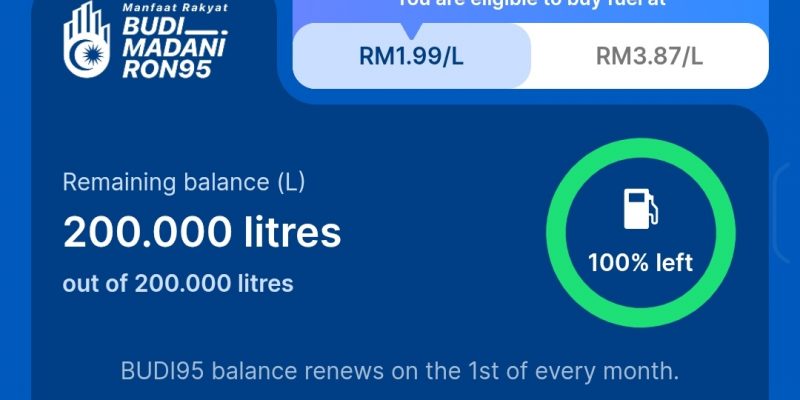
- BUDI95 monthly quota drops from 300 litres to 200 litres per vehicle starting April 1, 2026
- CCTV monitoring goes live at high-risk petrol stations to crack down on subsidy abuse
- Foreign bank cards blocked at self-service fuel pumps nationwide from April 1
- Subsidy rate remains at RM1.99 per litre; eligible vehicles unchanged
Three Big Fuel Changes Hit Malaysian Vehicle Owners on April 1
April 1, 2026 marks one of the most significant adjustments to Malaysia fuel subsidy framework since BUDI95 was introduced. Three distinct policy changes come into effect simultaneously, impacting virtually every Malaysian vehicle owner who relies on subsidised RON95 petrol. The Ministry of Finance and Petronas have confirmed all three changes are proceeding as scheduled despite earlier speculation about implementation delays.

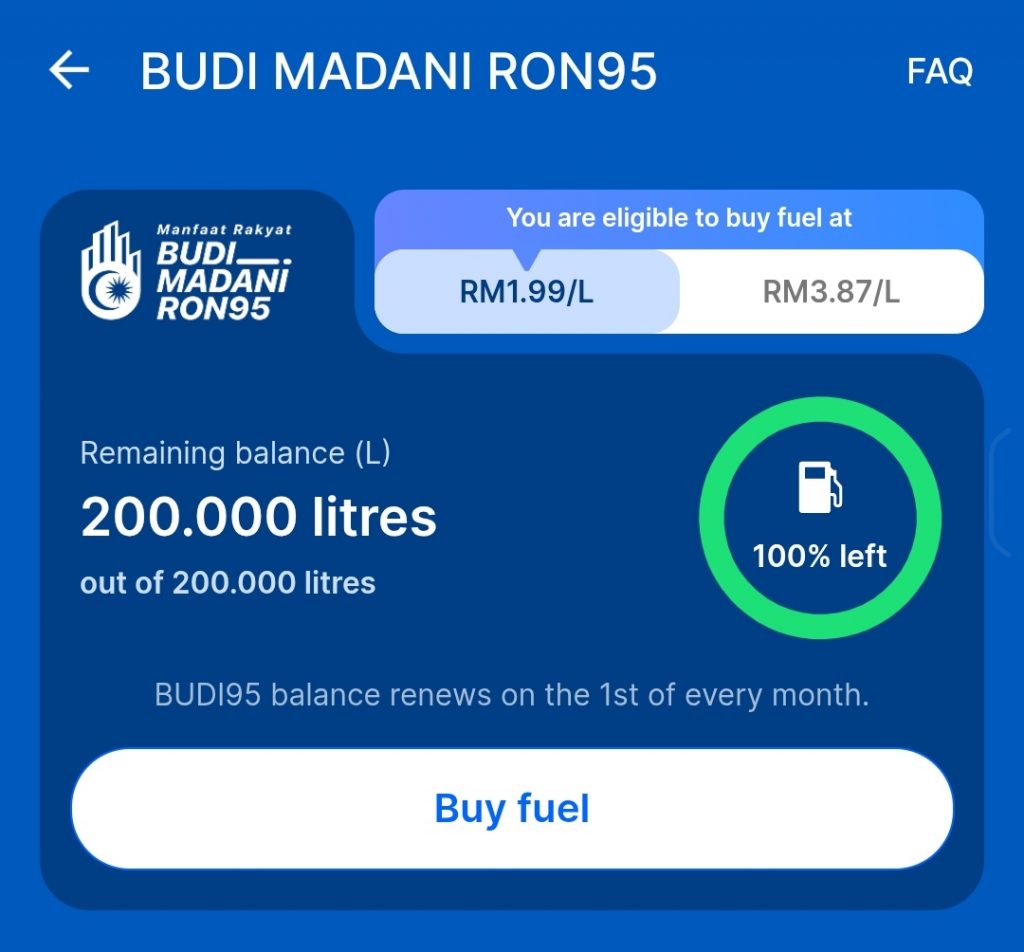
The headline change is the reduction in the BUDI95 monthly quota from 300 litres to 200 litres per registered vehicle. For the average Malaysian commuter who drives daily, this translates to roughly a week is worth of subsidised fuel less per month. The 100-litre reduction brings the programme in line with revised government estimates of actual legitimate vehicle usage patterns, and is intended to better target the subsidy toward those who genuinely need it rather than allowing significant leakage to commercial and non-transport users.
CCTV Monitoring and Anti-Abuse Enforcement
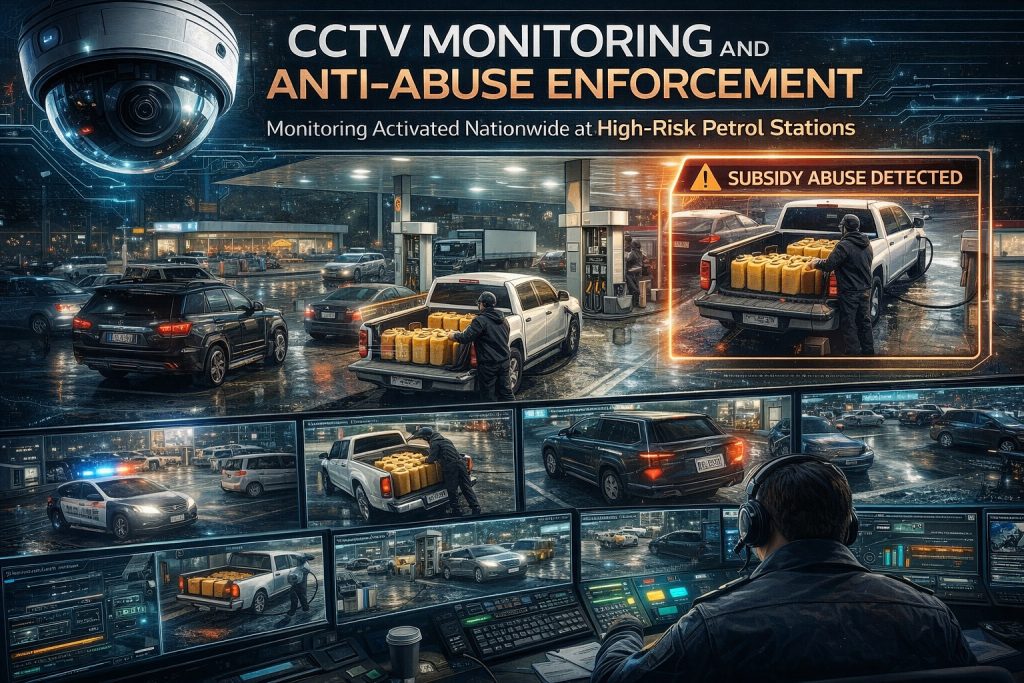
Accompanying the quota reduction is the activation of CCTV surveillance at petrol stations flagged as high-risk for subsidy abuse. The system has been in trial at selected stations since late 2025, and authorities have confirmed that footage has already been used to identify patterns of abuse including vehicles repeatedly filling containers beyond personal-use limits and commercial operators exploiting the subsidy. The April 1 activation extends monitoring to all designated high-risk stations nationwide.

Vehicle owners who have been filling legitimately should notice no practical difference in their experience at the pump. The CCTV system operates in the background, flagged anomalies reviewed by enforcement teams rather than triggering any immediate pump denial. However, repeated flagged behaviour will result in investigation and potential removal from the subsidy programme, with offenders liable for repayment of subsidised amounts claimed above their quota.
Foreign Card Restrictions at Self-Service Pumps
The third change affects foreign bank card users at self-service fuel pumps across Malaysia. From April 1, foreign-issued debit and credit cards will be blocked from functioning at self-service pumps — the unmanned fuel dispensing islands that have become increasingly common at Malaysian petrol stations. The restriction does not affect attended pumps, where fuel attendants handle the transaction, nor does it affect fuel purchased through mobile apps and online pre-payment systems.
This change primarily impacts foreign visitors renting vehicles in Malaysia, cross-border commuters from Singapore and Thailand who hold foreign bank accounts, and a small number of Malaysian residents who use foreign-issued cards for travel-related banking reasons. For the vast majority of Malaysian vehicle owners who use locally-issued cards, nothing changes at either attended or self-service pumps.
What Vehicle Owners Need to Know
The core BUDI95 subsidy rate of RM1.99 per litre is unchanged — the saving compared to market RON95 prices remains significant, and eligible vehicle owners should still find participating petrol stations offering the subsidised rate. The programme continues to cover motorcycles, passenger vehicles, and light commercial vehicles registered under the BUDI95 scheme. Vehicle owners do not need to re-register or take any action in response to the April 1 changes — the system will automatically apply the reduced 200-litre monthly quota.
For fleet operators and business vehicle owners, the quota reduction means a direct increase in fuel costs as consumption above 200 litres per vehicle per month will need to be purchased at unsubsidised market rates. This is particularly relevant for delivery companies, ride-hailing drivers, and businesses with large vehicle fleets who have relied heavily on the previous 300-litre monthly ceiling.
Our Take
These three changes arriving together on April 1 feels like a coordinated tightening of the fuel subsidy system rather than a random date selection. The government has clearly decided that the previous 300-litre monthly ceiling was too lose— easy to exploit and difficult to police. The reduction to 200 litres, combined with CCTV monitoring and foreign card restrictions, represents a more structured approach to means-testing a subsidy that has historically been available to all vehicle owners regardless of income or actual need.
For most Malaysian drivers, the practical impact will be modest. If you are doing typical urban driving — school runs, office commute, weekend errands — you are unlikely to hit the 200-litre ceiling. The drivers who will feel this most acutely are those with long daily commutes, commercial operators, and anyone who has been taking advantage of subsidised fuel for purposes beyond personal transportation.
The CCTV enforcement is the change that will have the most long-term impact on subsidy integrity, even if it generates little immediate fuss among legitimate users. When abuse becomes harder and riskier, the subsidy reaches the people it is actually intended for. Whether you view the April 1 changes as necessary fiscal responsibility or a quiet reduction in benefits probably depends on how you use your car.
Keyword: BUDI95 Malaysia fuel subsidy