
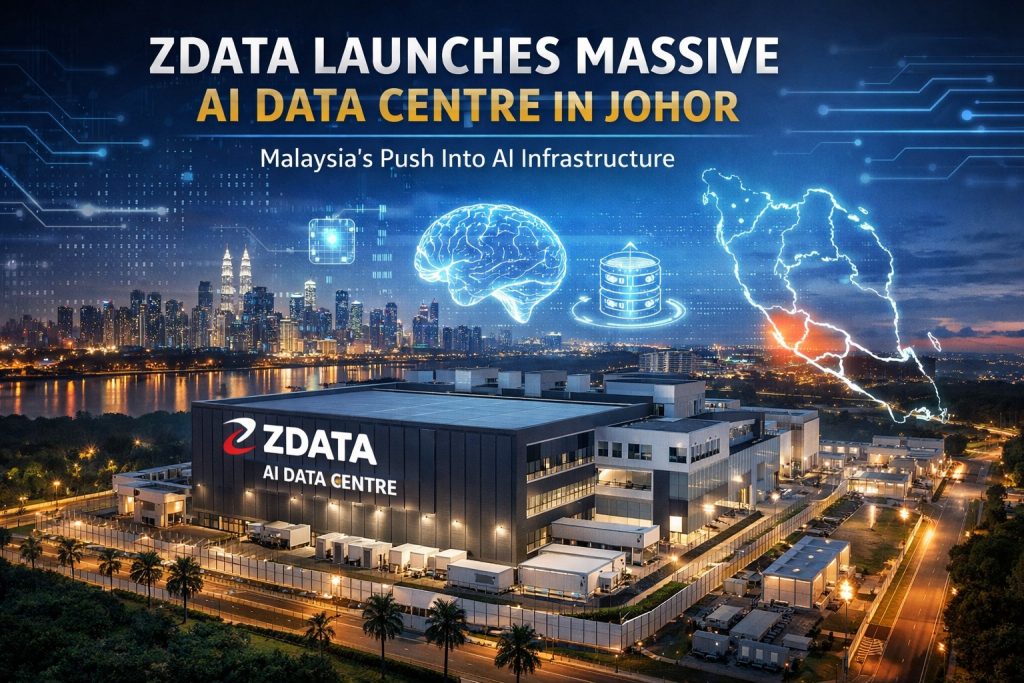
ZDATA Launches Massive AI Data Centre in Johor — Malaysia’s Push Into AI Infrastructure

TLDR
- ZDATA building large AI-focused data centre in Johor, Malaysia
- Johor’s proximity to Singapore offers strategic advantage for data operations
- Project reflects Malaysia’s push to attract high-performance computing infrastructure
- Expected to create local jobs and strengthen Malaysia’s digital economy position
- Timely investment as global AI compute demand continues to surge
Johor’s Growing Tech Ambitions
Johor Bahru is emerging as Malaysia’s next technology hub, thanks to ZDATA’s investment in an AI-dedicated data centre facility. The announcement signals growing international confidence in Malaysia as a destination for cutting-edge digital infrastructure, as companies worldwide compete for artificial intelligence computing capacity.

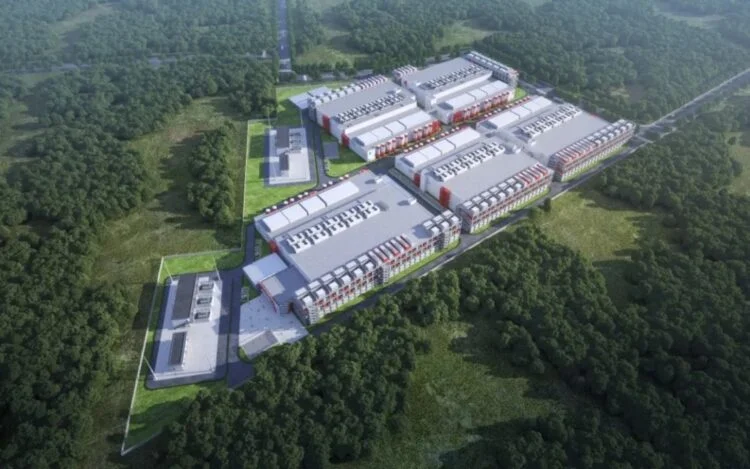
The timing aligns with broader trends reshaping the data centre industry. As AI model training and inference workloads increase, traditional data centres are increasingly inadequate. ZDATA’s Johor facility will be purpose-built for AI workloads, featuring specialised GPU clusters and cooling systems optimised for high-performance computing demands.
Johor’s geographic advantage is significant. Situated across the Causeway from Singapore, the state offers proximity to a major Asian technology hub while enjoying lower operating costs. ZDATA’s facility will benefit from excellent international network connectivity, attracting Singaporean companies and international firms alike.
Malaysia’s Digital Economy Strategy
The ZDATA investment reflects Malaysia’s deliberate strategy to position itself as a regional digital infrastructure leader. The government has courted data centre investments through tax breaks and streamlined approvals, with results becoming visible as Malaysia emerges as a preferred destination for hyperscale operators.
Southeast Asian countries are competing fiercely for digital infrastructure investments, with Singapore, Indonesia, and Thailand pursuing aggressive strategies. Malaysia’s combination of political stability, English-speaking workforce, and improving digital infrastructure provides competitive advantages.
For Johor, the development carries significant economic implications. Beyond construction jobs, the facility will require ongoing technical staff — engineers, technicians, and specialists contributing to the local economy. Supporting industries from electrical infrastructure to security services will benefit from the ripple effects.
Our Take
ZDATA’s Johor decision marks a significant vote of confidence in Malaysia’s digital infrastructure ambitions. For Malaysian businesses and consumers, this development carries implications beyond immediate economic impact. As AI becomes increasingly embedded in everyday applications — from customer service chatbots to medical diagnosis tools — local access to AI compute infrastructure becomes a strategic advantage that can reduce latency and dependency on foreign data centres.
The Johor advantage is particularly compelling. Singapore’s land and power constraints have limited its data centre expansion capacity, creating an opening that Johor is well-positioned to fill. The proximity means companies can maintain operational ties to Singapore while enjoying the cost benefits of Malaysian operations — a formula that has already attracted substantial manufacturing investment across the Causeway over the past two decades.
For Malaysia as a whole, the ZDATA investment represents another brick in the foundation of a digital economy. Each successful data centre project attracts attention from other investors, creating momentum that can compound over time. If Malaysia can establish itself as a trusted, efficient location for AI infrastructure, the long-term benefits for the country’s technology sector and broader economy could be substantial.