
MWC 2026 Recap: The Tech That Stole the Show in Barcelona

TLDR:
- MWC 2026 showcased impressive new phones including the Xiaomi 17 Ultra with Leica camera system
- Honor debuted a wild transformable Robot Phone concept that turns heads
- Lenovo revealed a dual-screen laptop that blurs the line between phone and PC
- All three represent different approaches to the future of mobile technology
Barcelona Never Disappoints
The Mobile World Congress 2026 wrapped up in Barcelona, and this year’s show delivered some of the most exciting smartphone innovations we’ve seen in years. From camera powerhouses to shape-shifting concepts, here’s everything that mattered.
Xiaomi 17 Ultra – The Camera Beast
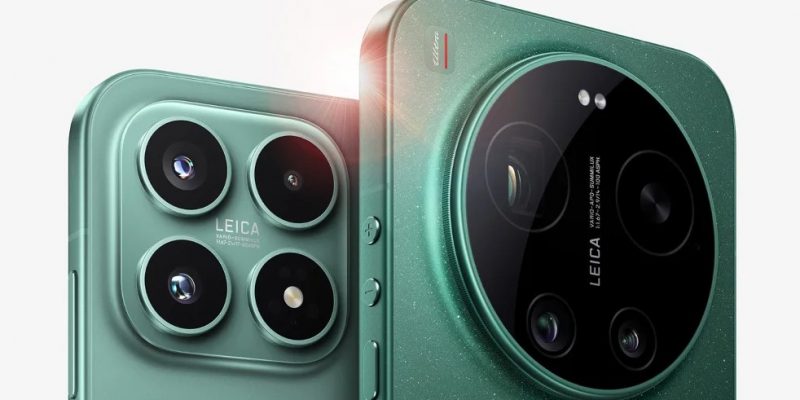
Xiaomi brought their absolute best to MWC 2026. The Xiaomi 17 Ultra flagship smartphone debuts their most advanced Leica camera system yet, featuring a massive 1-inch type sensor that’s comparable to what you’d find in dedicated compact cameras.
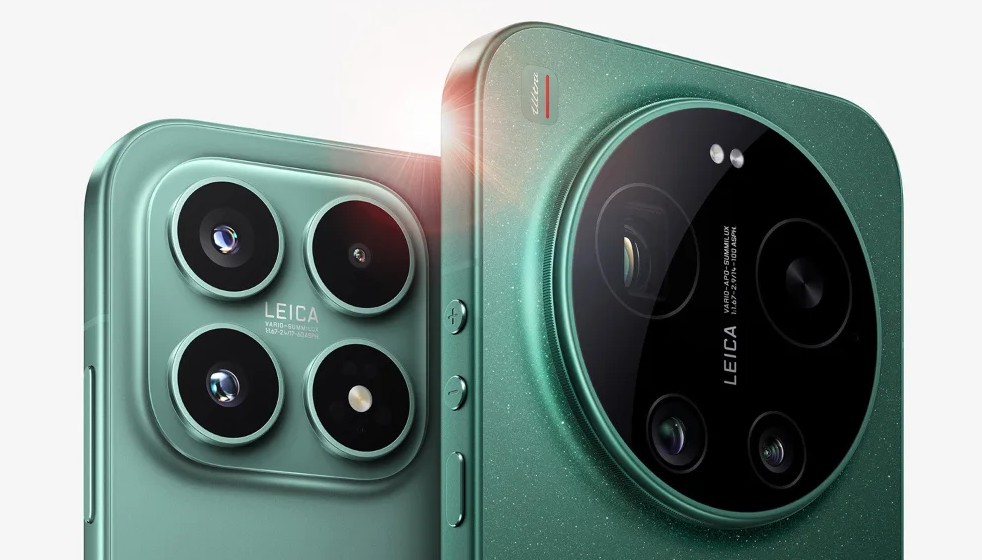
The specs are genuinely impressive. Under the hood runs the latest Snapdragon 8 Gen 4 processor, ensuring smooth performance for gaming, productivity, and everything in between. The 6.8-inch AMOLED display offers 120Hz refresh rate for buttery scrolling, and the massive 5,500mAh battery with 120W wired charging means you’re never tethered to an outlet for long.
What makes this phone special is Xiaomi’s computational photography improvements. The partnership with Leica continues to pay dividends, with the 200MP main camera capturing incredible detail. Night photography has gotten better, and the AI-powered scene recognition helps everyday users take professional-looking shots without needing photography skills.
Honor Robot Phone – The Wildcard
If Xiaomi played it safe, Honor went completely wild. Their Robot Phone concept at MWC 2026 turned heads and sparked conversations everywhere. This isn’t your typical smartphone – it’s a transformable device that changes shape based on what you’re doing.
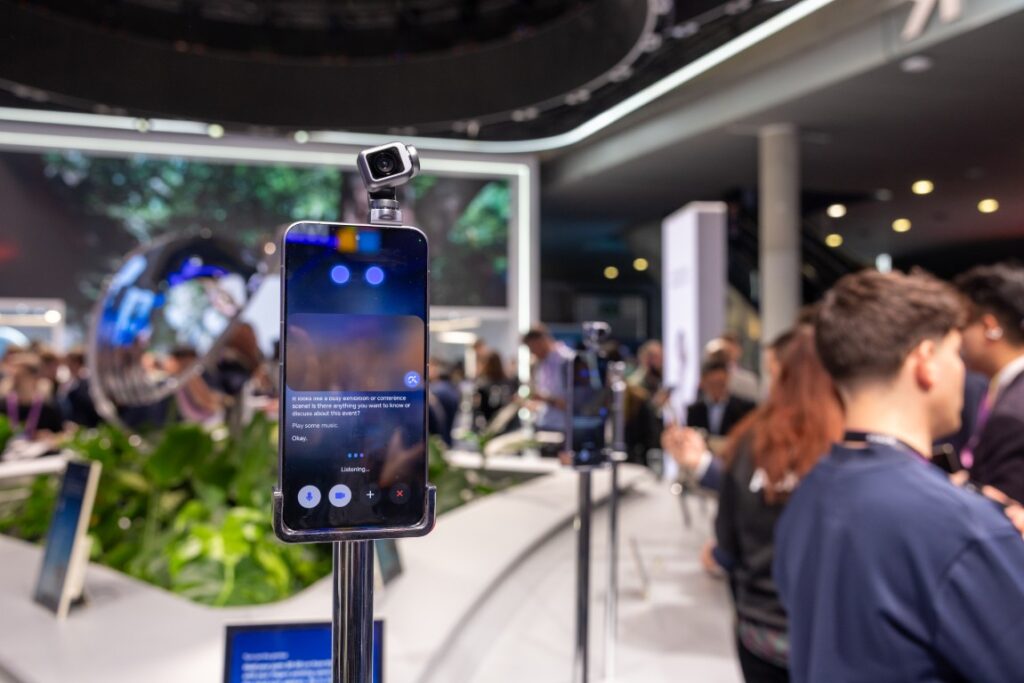
Need to make a call? It compacts into a manageable size. Want to watch videos or browse? It expands to offer more screen real estate. But the real party trick is the robotic mode – the device can perform gestures and movements for hands-free notifications and interactions.
The technology inside includes a flexible display that folds and unfolds in ways we haven’t seen before, combined with AI-powered air gesture recognition. It’s definitely a concept, which means you won’t find it in stores anytime soon, but the innovations showcased here will likely trickle down to mainstream Honor devices within the next couple of years.
Lenovo Dual-Screen – Productivity Revolution
While technically a laptop concept, Lenovo’s dual-screen creation blurs the line between mobile and desktop computing. The idea is simple but powerful: what if you could have a device that works as both a phone and a workstation?
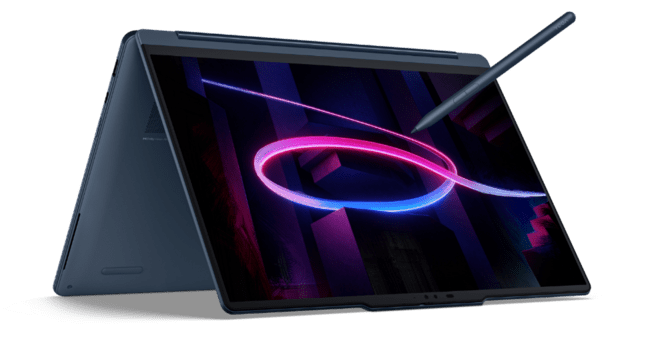
The dual-screen setup allows you to use one screen for communication while the other handles work tasks. Imagine taking a video call on one display while taking notes on the other, without needing a separate laptop. It’s the kind of innovation that could eventually replace needing both a smartphone and a laptop for many professionals.
Our Take
MWC 2026 proved that smartphone innovation is far from dead. After a few years of incremental updates, we’re seeing manufacturers take bigger risks again.
Xiaomi continues to dominate the camera space, partnering with Leica to push what’s possible in mobile photography. Honor taking risks with the Robot Phone is exactly what the industry needed. Even if this exact product never launches, the flexible display technology and gesture recognition will influence future devices.
Lenovo’s dual-screen concept addresses a real pain point – carrying multiple devices for work and personal use. If they can execute well, this could be a game-changer for mobile professionals.