
OPPO and Google Cloud Redefine Next-Gen AIOS with “Memory Symbiosis” and Enhanced Privacy

TL;DR
- OPPO and Google Cloud unveil a strategic roadmap for a next-generation AI Operating System (AIOS).
- Key innovations include AI Mind Space, a “second brain” powered by Google Gemini for personalized information management.
- The new PersonaX memory symbiosis engine allows AI to anticipate user needs through real-time context.
- Security is fortified by Private Computing Cloud (PCC) architecture, utilizing Google Cloud’s confidential computing to ensure data visibility remains restricted to the user.
Introduction: From Tools to Intelligent Companions
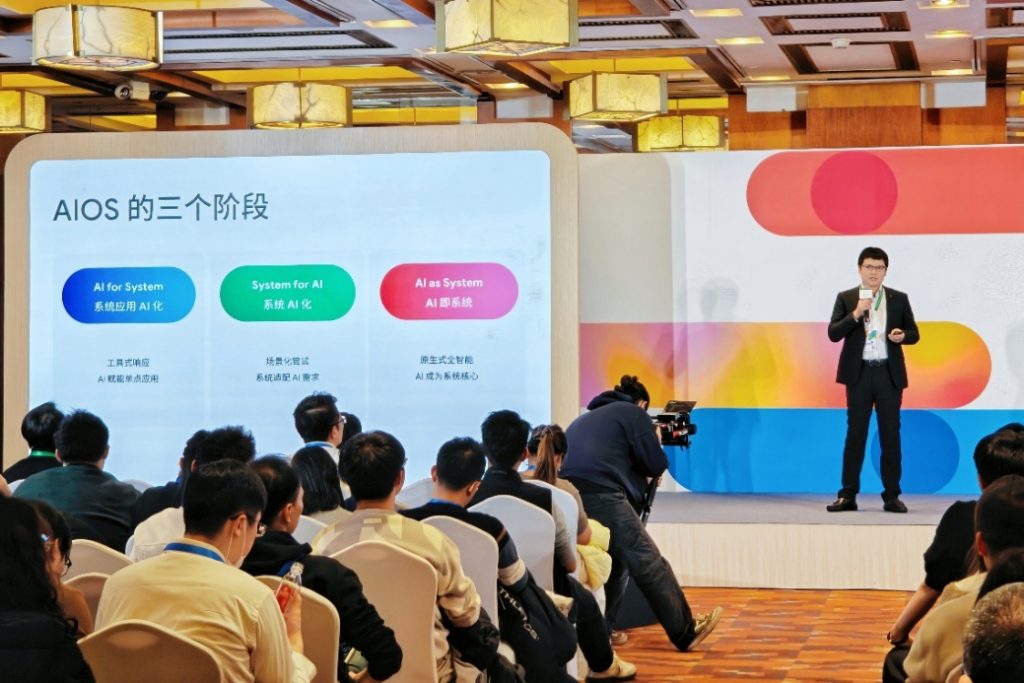
In a definitive move to reshape the mobile landscape, OPPO has deepened its strategic synergy with Google Cloud to develop a native, fully intelligent AI Operating System (AIOS). Announced at the Google Cloud Export Summit in Beijing on January 19, 2026, this collaboration focuses on two transformative pillars: “Memory Symbiosis” and “Privacy Protection.” According to Haonan Lu, Head of Large Model Algorithms at OPPO, the objective is to transition smartphones from mere utility devices into deeply personalized intelligent companions that understand and anticipate individual user needs with unprecedented intuition.
System-Level AI: Solving the Information Fragmentation Crisis
Modern users struggle with retaining, locating, and anticipating the vast amounts of data flowing through their devices. OPPO’s next-generation AIOS integrates memory as a foundational layer to create a cohesive service experience through three core functions:
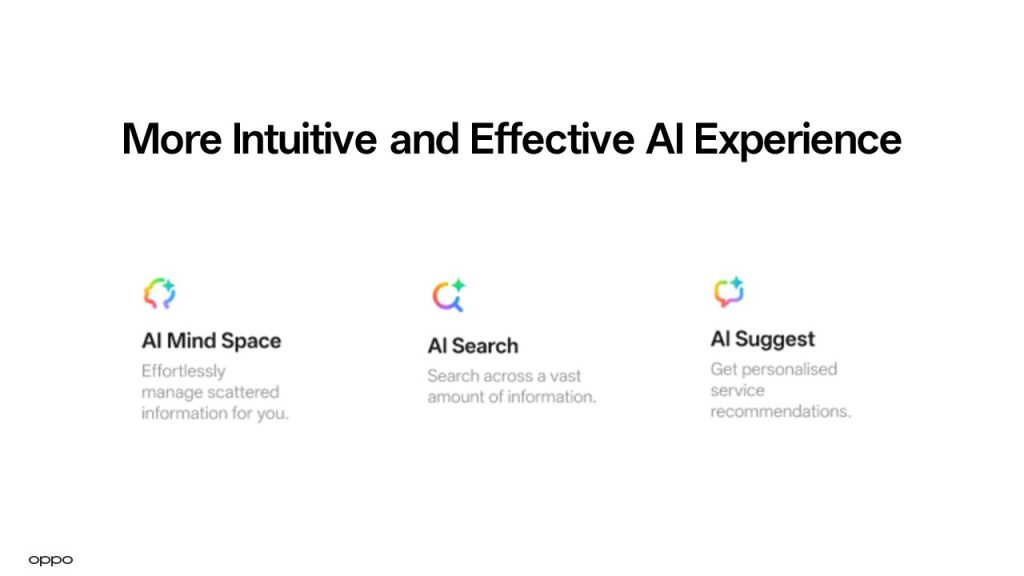
- AI Mind Space: Acting as a digital “second brain,” this feature organizes text, images, and voice interactions. Built on the Google Gemini framework, it provides personalized answers derived from the user’s stored memories.
- AI Search: Enhanced by Google Cloud’s natural language understanding, users can now perform cross-app searches using conversational language, eliminating the need to manually sift through disparate applications.
- AI Suggest: This proactive engine combines real-time on-device context with stored memory data. By creating a dynamic user profile, it delivers timely recommendations before the user even explicitly requests them.
Secure Innovation: The Private Computing Cloud (PCC)
As AI becomes more integrated into personal lives, the risk of data exposure remains a paramount concern. To mitigate this, OPPO has introduced the Private Computing Cloud (PCC) architecture. This globally distributed system leverages Confidential Computing by Google Cloud, a high-level security standard that allows data to be processed in the cloud without ever being visible to the service provider or third parties.
This “usability without visibility” approach ensures that while AI models benefit from the massive compute power of the cloud, the sensitive “memories” stored in AI Mind Space remain strictly under the user’s control.
Building an Open Agentic Ecosystem
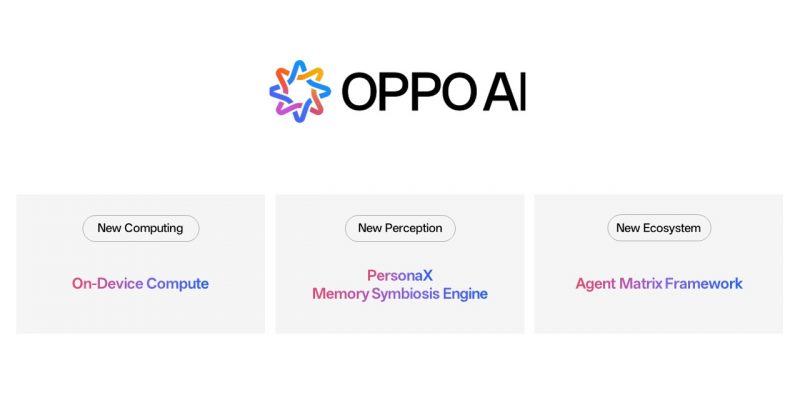
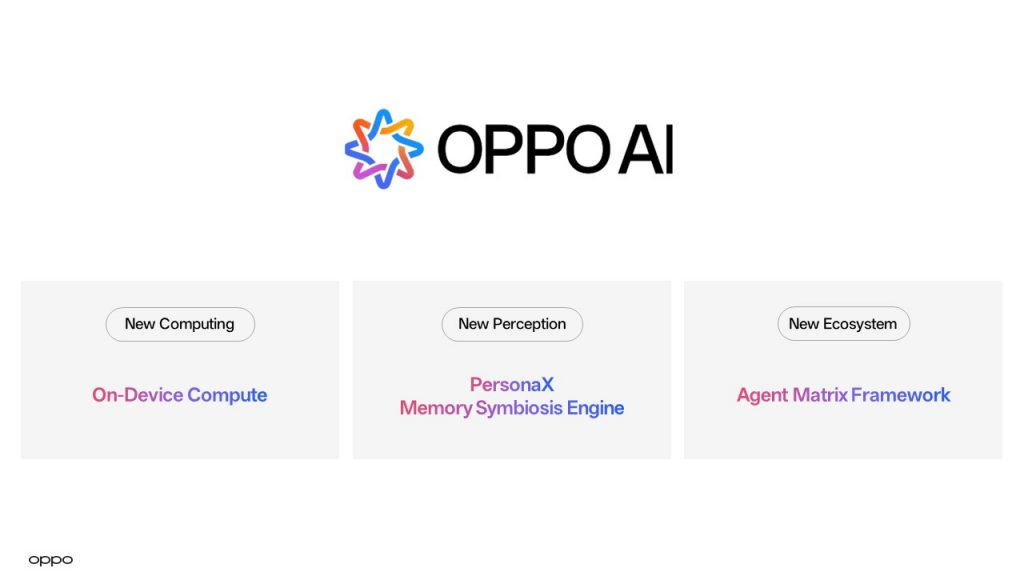
The roadmap for OPPO’s AI strategy is supported by three technical pillars: on-device compute, the PersonaX memory symbiosis engine, and the Agent Matrix framework. These technologies facilitate Agent-to-Agent interoperability, allowing different AI agents to communicate and collaborate across various ecosystems.
By fostering an open developer network and breaking down traditional “app barriers,” OPPO and Google Cloud are not just launching features but nurturing an intelligent service network. This infrastructure ensures that the AIOS can evolve alongside the user, maintaining a balance between high-performance intelligence and robust privacy standards.
For more information on the upcoming AIOS rollout in Malaysia, stay tuned to HelloExpress.net or contact OPPO Malaysia PR representatives Lorraine Tan or Jennifer Char.