

74% of Malaysians Use AI to Shop — But 52% Won’t Let It Pay

TLDR
- Nearly three out of four Malaysian consumers now lean on AI while shopping, the Adyen Index 2026 finds.
- Yet 52% draw the line at letting an AI agent actually complete a purchase.
- 59% say a payment error changes how they feel about a brand; 15% would switch after one bad checkout.
- 94% of Malaysian retailers report being hit by payment fraud in the past year.
- Adyen is betting on a unified platform that lets retailers plug into any AI channel once.
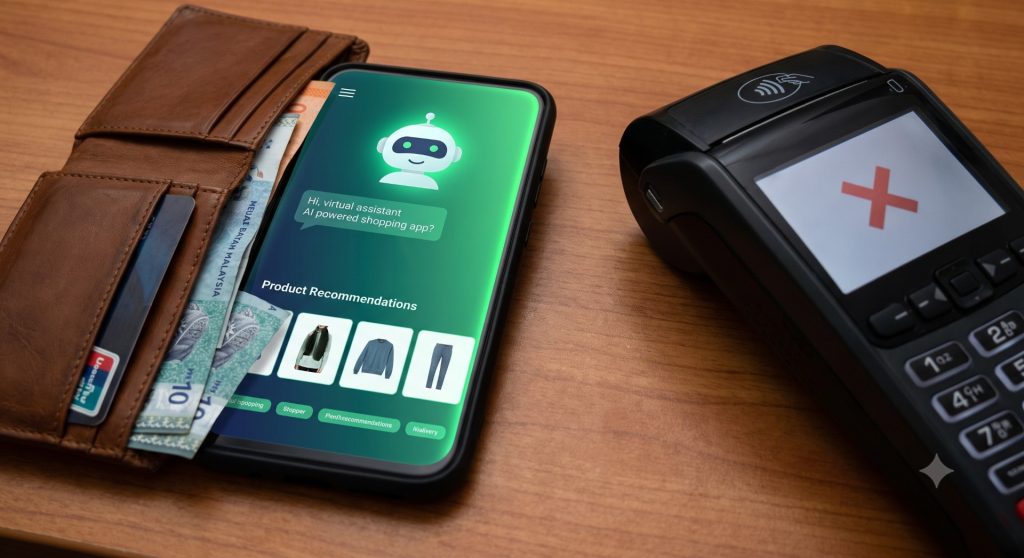
Malaysians have taken to AI as a shopping sidekick — just not as a cashier. According to the Adyen Index 2026 Malaysia Retail Report, 74% of Malaysian consumers now use AI tools while shopping, with most relying on them to cut through the noise on social media and find inspiration faster. Yet 52% say they are uncomfortable allowing an AI to complete a purchase on their behalf. That gap between using AI to browse and trusting it to pay is shaping how retailers think about the next step in checkout.

The report, commissioned by global payments platform Adyen and carried out online by YouGov, surveyed 1,031 Malaysian consumers aged 18 and above plus 314 senior retail managers at retailers with annual turnover of at least RM75 million. Fieldwork ran between March and April 2026.
“AI is already shaping how Malaysians shop, but the shift from AI shopping assistants to agentic commerce is just beginning,” said Lee Soon Yean, Country Manager for Malaysia at Adyen. He added that the harder task for retailers is building trust across the shopping journey, particularly at checkout, where security, reliability and control matter the most.
Shoppers Use AI to Discover — and Abandon Brands Over Bad Payments
Among Malaysians who already use AI while shopping, 84% say social media carries too much information to take in, and 74% say AI helps them find inspiration faster than other sources. A further 62% want to use AI to discover unique brands. The technology is also more visible — six in ten AI-assisted shoppers say the brands they buy from have built AI-powered search tools into their apps.
Beyond AI, the report points to a wider shift in how Malaysians want to pay. Self-checkout leads adoption at 39%, followed by brand apps for checkout and loyalty points at 26%, and AI tools at 19%. Nearly six in ten Malaysians (59%) say a payment error damages their view of a business, 26% have abandoned a purchase over security or trust concerns, and 15% say they would move to a competitor after a poor checkout experience.
Retailers Want In — But Their Own Systems Aren’t Ready
Malaysian retailers are paying attention too. Almost all (97%) report being affected by payment performance issues over the past year, and 94% say they have been targeted by or fallen victim to payment fraud. On the AI side, 85% say they are familiar with agentic commerce, 51% can explain it confidently, and nearly half plan to invest in AI-driven or agentic commerce tools during 2026.
The biggest blocker may be internal. Around 35% of Malaysian retailers told the survey their current setup suffers from poor data quality or fragmented systems — a gap Adyen argues must close before agentic commerce can work at any scale. The company’s pitch is unified commerce: a single platform where a retailer’s online store, mobile app, marketplace and physical outlets all draw on the same data, so loyalty points, vouchers and stock carry across channels without breaking.
Our Take
The Adyen data tells a clear two-track story: Malaysian consumers are already AI-curious, but they are not yet AI-trusting at the point of payment. That is a real opportunity, not a contradiction. For local retailers, the play is to treat agentic commerce less like a flashy new channel and more like a trust problem, because the same Malaysians who lean on AI to pick a product are the ones who will abandon a brand over one failed checkout or a single fraud scare.
The retailers who win 2026 will be the ones who fix the plumbing underneath — unified inventory, loyalty and identity — so any AI agent, whether it is built by Adyen, Grab or a Malaysian super-app, can transact safely on a customer’s behalf. For Malaysian shoppers, the practical takeaway is simple: expect AI to keep showing up in search and recommendations, but expect the buy button to stay in human hands for a while yet.







[…] 📖 Baca versi English: 74% of Malaysians Use AI to Shop — But 52% Won’t Let It Pay […]