

Samsung Transitions to AI-Driven Factories by 2030

TLDR:

- Samsung announces strategy to transition all manufacturing to AI-Driven Factories by 2030
- Company deploys Agentic AI across manufacturing, quality control, and logistics
- Digital twin-based simulations integrated throughout manufacturing processes
- Humanoid and specialized robotics to be introduced across production lines
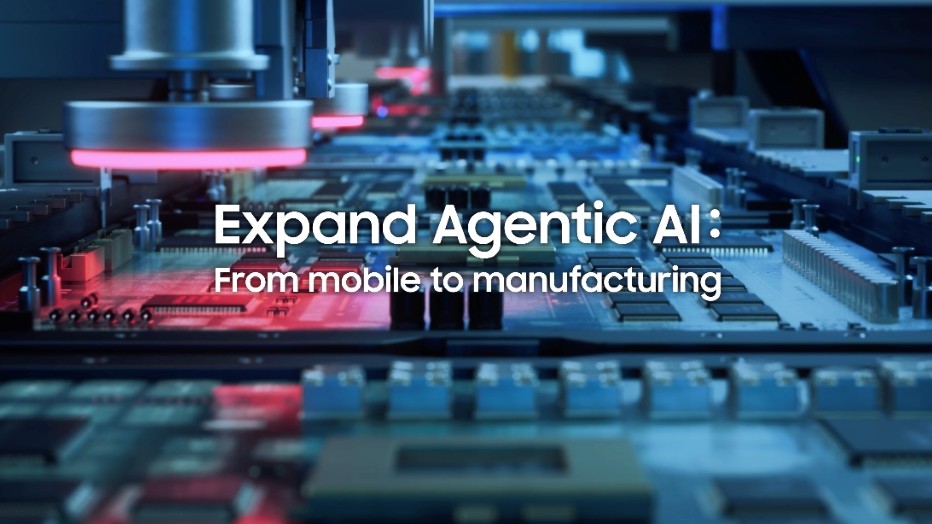
Samsung Electronics announces its strategy to transition all manufacturing operations into AI-Driven Factories by 2030. This initiative aims to fully integrate AI across the entire manufacturing value chain from inbound material logistics and production to quality inspection and final shipment.
Agentic AI Integration
At the center of this transformation is Agentic AI, first introduced on the Galaxy S26 series, which autonomously plans, executes, and optimizes decisions to achieve defined objectives. Building on advanced AI capabilities developed in the mobile sector, Samsung extends its expertise into manufacturing to create a robust foundation for on-site autonomy.
Through purpose-built AI agents, Samsung optimizes production workflows, predictive maintenance, repair operations, and logistics coordination, enabling standardized world-class excellence across every global site.
Digital Twin Simulations
As part of the transition, Samsung implements digital twin-based simulations throughout its manufacturing processes. The company deploys specialized AI agents dedicated to quality control, production, and logistics.
By strengthening data-driven analysis and pre-validation through these agents, the company seeks to elevate quality standards, operational efficiency, and productivity across its global manufacturing network.
Samsung also expands AI integration into Environmental, Health, and Safety operations. Through proactive detection and automated hazard prevention systems, the company intends to enhance workplace safety standards across production facilities worldwide.
Robotics Deployment
To accelerate the transition from automation to advanced autonomy, Samsung progressively introduces humanoid and task-specialized robotics across production lines.
The robotics lineup includes Operating Robots for line operations and facility management, Logistics Robots for autonomous material handling and transport, and Assembly Robots for precision manufacturing tasks.
In infrastructure environments where human access remains limited or hazardous, Samsung deploys digital twin-integrated Environmental Safety Robots designed to systematically monitor conditions, identify potential risks, and proactively mitigate on-site hazards.
Industry Engagement
Samsung showcases its industrial AI strategy and digital twin-based manufacturing innovation vision at MWC 2026 in Barcelona, demonstrating how industrial AI enhances both safety and efficiency in real-world environments.
At the Samsung Mobile Business Summit celebrating its 10th anniversary, the company introduces its governance strategy for expanding AI autonomy. This strategy consists of embedding safety mechanisms from the initial design stage, ensuring responsible expansion of industrial AI for customers and partners worldwide.
Our Take
Samsung’s commitment to AI-Driven Factories by 2030 represents one of the most ambitious manufacturing transformations announced by a major electronics company. The integration of Agentic AI from mobile technology into manufacturing demonstrates cross-domain AI application potential.
The phased approach – starting with digital twins, then specialized agents, then humanoid robots – provides a realistic roadmap. Malaysian manufacturers should monitor these developments closely as similar technologies become more accessible.
The focus on workplace safety through AI-driven hazard prevention addresses a genuine industry concern. This approach may set new standards for manufacturing safety globally.
For Malaysian businesses, Samsung’s MWC 2026 showcase offers early insight into industrial AI applications that could influence manufacturing trends across Southeast Asia.

[…] Baca versi English: Samsung Transitions to AI-Driven Factories by 2030 […]