
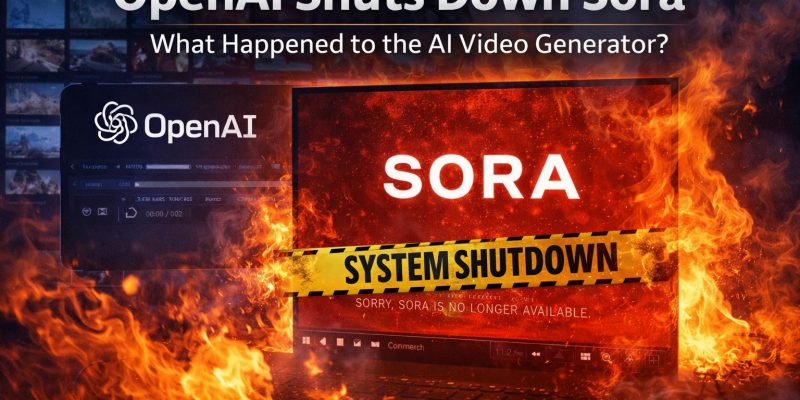
OpenAI Shuts Down Sora — What Happened to the AI Video Generator?

TDLR
- OpenAI has officially discontinued Sora, its AI-powered video generation tool
- Sora launched as a research preview, gained massive attention, then suddenly ended
- AI video competitors like Runway, Pika, Kling, and Google’s Veo continue operating
- Sora’s shutdown raises questions about OpenAI’s product strategy and commercial viability
- Malaysian content creators who tested Sora need to explore alternative tools
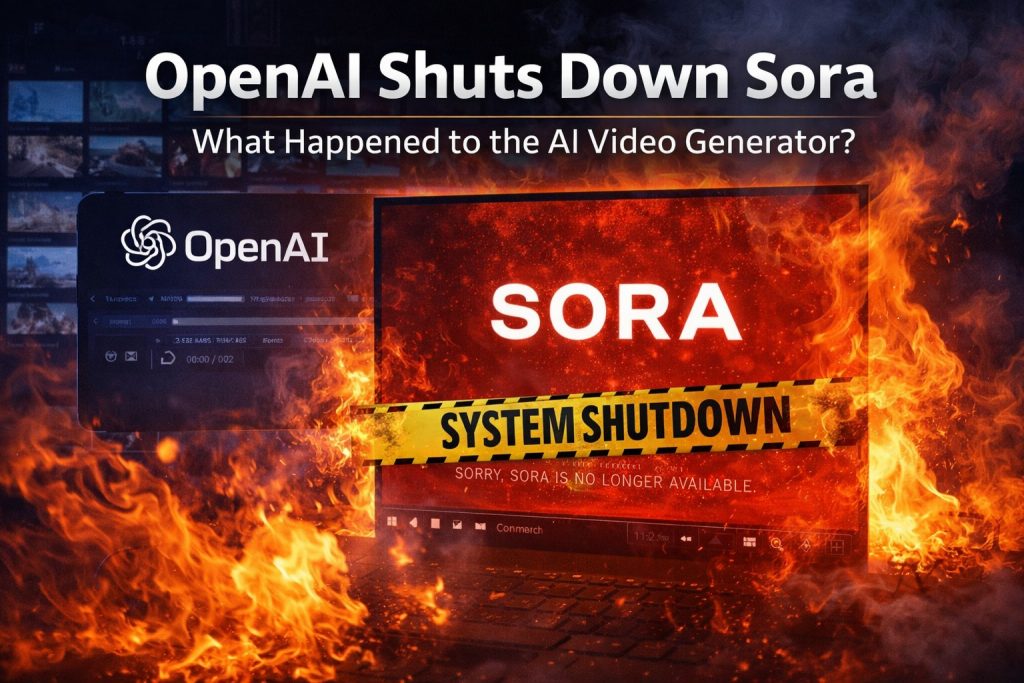
The Rise and Fall of Sora
OpenAI’s Sora entered the AI scene with considerable fanfare, promising to transform text prompts into videos with remarkable fidelity. When the research preview launched, it captured the imagination of content creators and filmmakers worldwide — including many in Malaysia who saw applications for social media content and commercial productions. Eighteen months later, that ambitious vision has ended abruptly.

The discontinuation marks a rare misstep for OpenAI, which has otherwise dominated the AI landscape with ChatGPT and DALL-E. While specifics remain opaque, analysts point to a combination of factors: the massive computational cost of video generation, concerns about deepfake misuse, and difficulties building a sustainable business model.
Unlike text generation, video generation requires substantially more processing power. Each second of AI-generated video demands significant GPU resources, making costs far higher than text or image tools. For a commercial product, pricing high enough to cover costs risks alienating users, while pricing too low risks unsustainable losses. OpenAI appears to have struggled finding the right balance.
The AI Video Race Continues
While Sora fades, the AI video generation market remains competitive. Runway, Pika Labs, China’s Kling, and Google’s Veo continue developing video capabilities. Runway has positioned itself as the go-to for creative professionals, Pika focused on accessibility, and Google leveraging deep resources. The question remains: why did OpenAI exit when others keep investing? Some observers suggest OpenAI treated Sora too much as a research project rather than a market-oriented product.
Implications for Malaysian Creators
The Sora shutdown carries particular significance for Malaysian creators who had been experimenting with the tool or planning to integrate it into workflows. For independent content creators, social media managers, and small production houses, the loss means adjusting strategies or exploring alternatives. The Malaysian content creation scene has grown substantially, driven by low barriers on YouTube, TikTok, and Instagram.
The Sora situation offers a cautionary tale about depending on single providers. The technology remains young, and companies pivot or exit entirely. Building workflows around multiple tools and maintaining flexibility serves creators better than committing exclusively to any single platform.
Our Take
OpenAI’s decision to shut down Sora signals that not every ambitious AI application survives from research preview to mass-market product. The gap between technological capability and commercial viability remains wide. OpenAI’s willingness to cut Sora loose demonstrates pragmatism — better to acknowledge failure and redirect resources than persist with a product that cannot find its market.
For the broader AI industry, the Sora story offers both caution and validation. Even well-funded companies with strong research credentials can stumble in product development. The difficulty of building AI video products suggests genuine technical challenges that remaining competitors must still overcome. We should not expect AI video generation to mature as quickly as text or image generation.
For Malaysian creators and businesses, the takeaway is practical: explore alternatives, stay informed about which tools are investing for the long term, and resist building critical workflows around products that might not survive. The AI video space remains promising but is still finding its footing.