

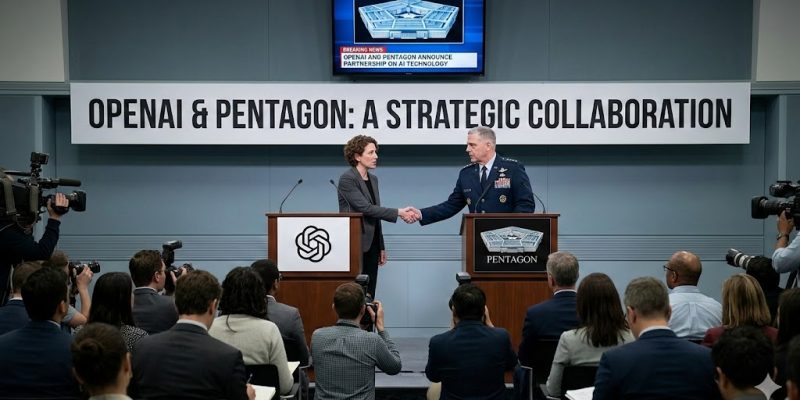
OpenAI Reaches Pentagon Agreement: What It Means for AI

TLDR:

- OpenAI has reached a new agreement with the US Pentagon
- The deal allows OpenAI’s models to be deployed on the Pentagon’s classified network
- CEO Sam Altman says the agreement reflects OpenAI’s desire for responsible AI use
- This follows a week of negotiations between Anthropic and the Pentagon
—
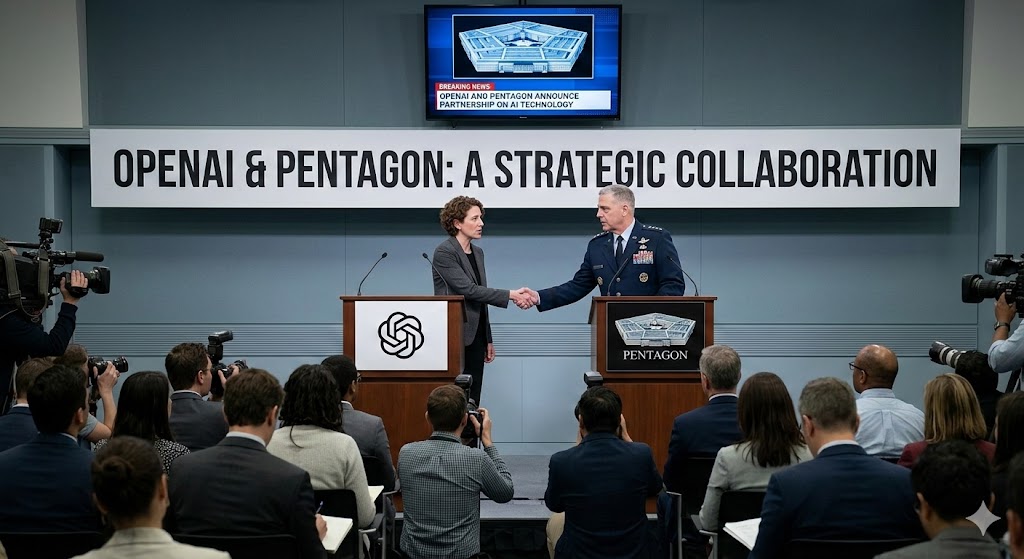
OpenAI has made headlines with a new agreement that allows the US military to deploy its AI models. The announcement came from CEO Sam Altman himself, who shared the news on social media, explaining what the deal means for the future of AI in defense.
What the Agreement Involves
The new agreement allows OpenAI’s models to be deployed on the Pentagon’s classified network. This is a significant shift from OpenAI’s earlier stance, which restricted military and defense use of its technology. The deal represents one of the most prominent partnerships between a leading AI company and the US Department of Defense.
Altman was clear about the motivations behind the agreement. He stated that the deal reflects OpenAI’s desire for prohibitions on domestic mass surveillance and “human responsibility for the use of force, including for autonomous weapon systems.” This suggests OpenAI is trying to set boundaries around how its technology can be used, even within a defense context.
What OpenAI Is Asking For
Perhaps most notably, OpenAI is asking the Pentagon to offer the same terms to all AI companies. Altman expressed that he believes “everyone should be willing to accept” these same conditions. This could potentially set a new standard for how AI companies engage with military and defense agencies.
The move follows a turbulent week of negotiations between Anthropic (creator of Claude) and the Pentagon. The AI industry has been grappling with questions about how to balance technological advancement with ethical considerations, particularly when it comes to defense applications.
What This Means for the AI Industry
This agreement could mark a turning point in how AI companies approach defense contracts. Rather than avoiding military applications entirely, OpenAI appears to be taking a more engaged approach—establishing clear conditions and hoping other companies follow suit.
For the technology sector, this sets an interesting precedent. Companies that have previously avoided defense work may now have a framework for selective engagement. The key will be whether the conditions OpenAI has negotiated truly protect against misuse.
Our Take
OpenAI’s deal with the Pentagon is significant but not surprising. As AI becomes more capable, the defense sector naturally wants access to the best technology. OpenAI’s approach—negotiating clear terms rather than simply refusing—might be more realistic than a hard line against all military use.
The conditions Altman mentioned are worth watching. If the Pentagon accepts these terms, it could establish a new standard for responsible AI use in defense. If not, we’ll see whether OpenAI follows through on its stated principles.
For now, this is a development worth following closely. The AI defense landscape is evolving rapidly, and how these partnerships shape up will affect everyone.




[…] Baca versi English: OpenAI Pentagon Agreement […]