
I Stored Concerts, Receipts, Medical Records, and Shopping Events in OPPO Mind Space. Here’s How It Handled Each One.

Table of Contents
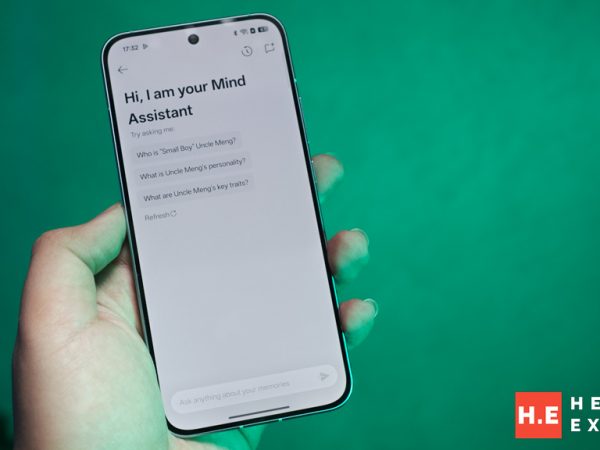
The marketing for Mind Space describes it as a second brain. A personal AI that remembers your life. That framing is vague enough to mean almost anything. After several weeks of deliberate testing across multiple content types, I can give you a more precise answer: what Mind Space actually is depends entirely on what you put into it.

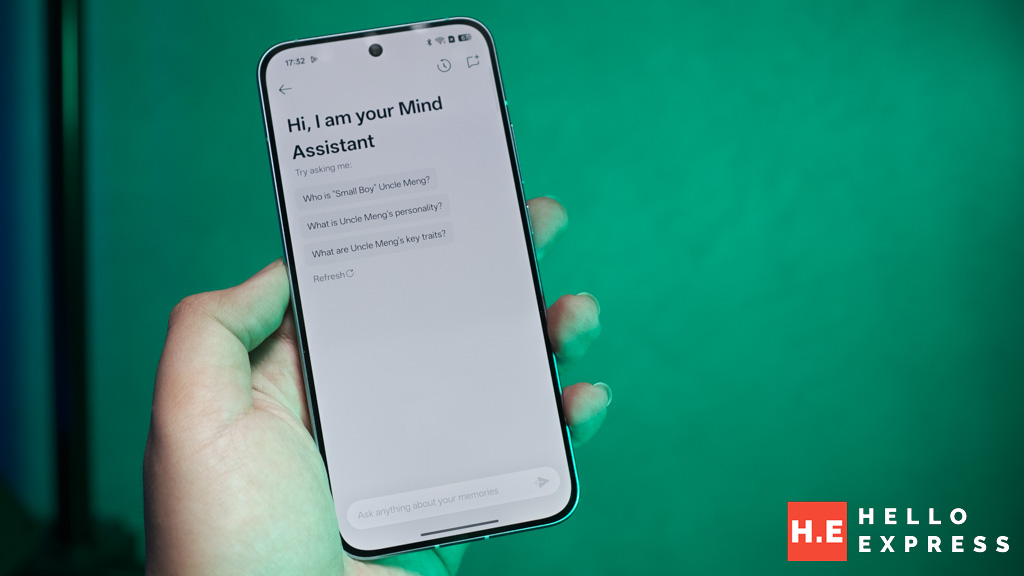
We tested four distinct categories of saved content, each representing a different kind of information that real Malaysian users might reasonably want their phone to remember. The results were different for each category in ways that are genuinely useful to know before you decide how to use the feature.
Category 1: Receipts — Where Mind Space Is Strongest
Grocery receipts, food delivery orders, book fair purchases. Three sources, different formats, different vendors, captured across different sessions.
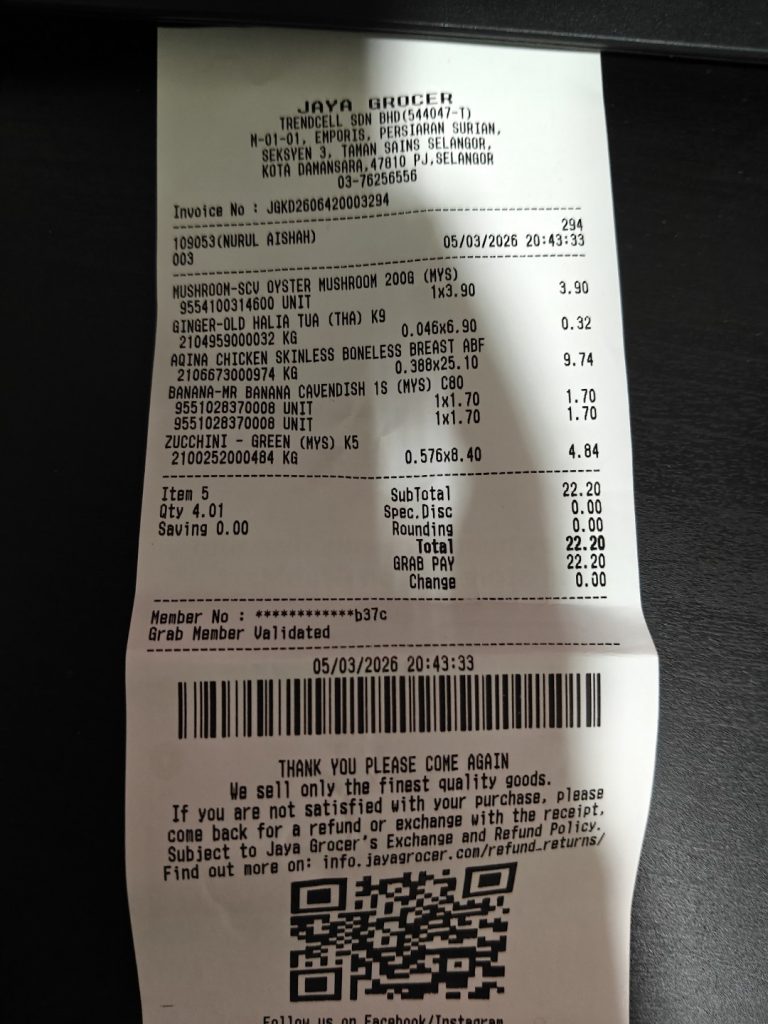
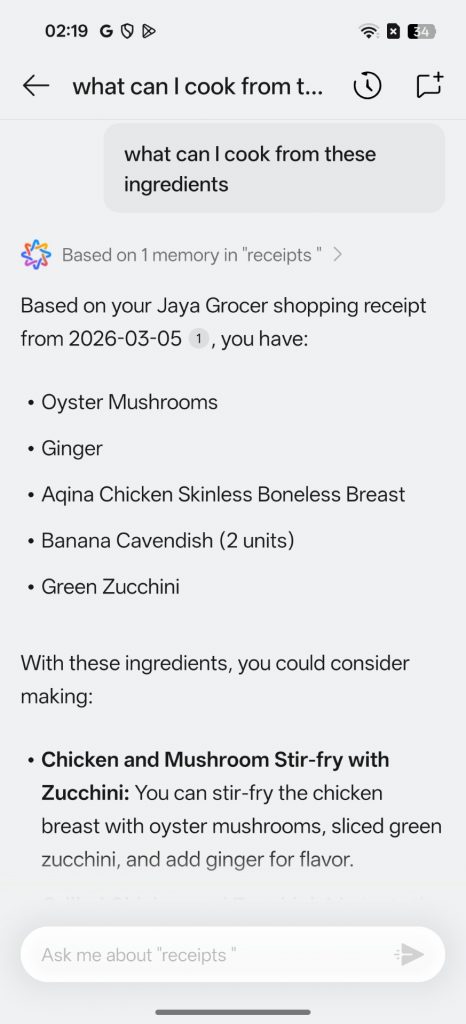
The Jaya Grocer receipt from Emporis Kota Damansara was photographed as a physical thermal print. Five individual items extracted correctly with weights, unit prices, and calculated totals.
The Grab Food and Grab Mart orders were captured as screenshots of digital receipts within the Grab app. Both parsed accurately including discount mechanics and delivery fees.
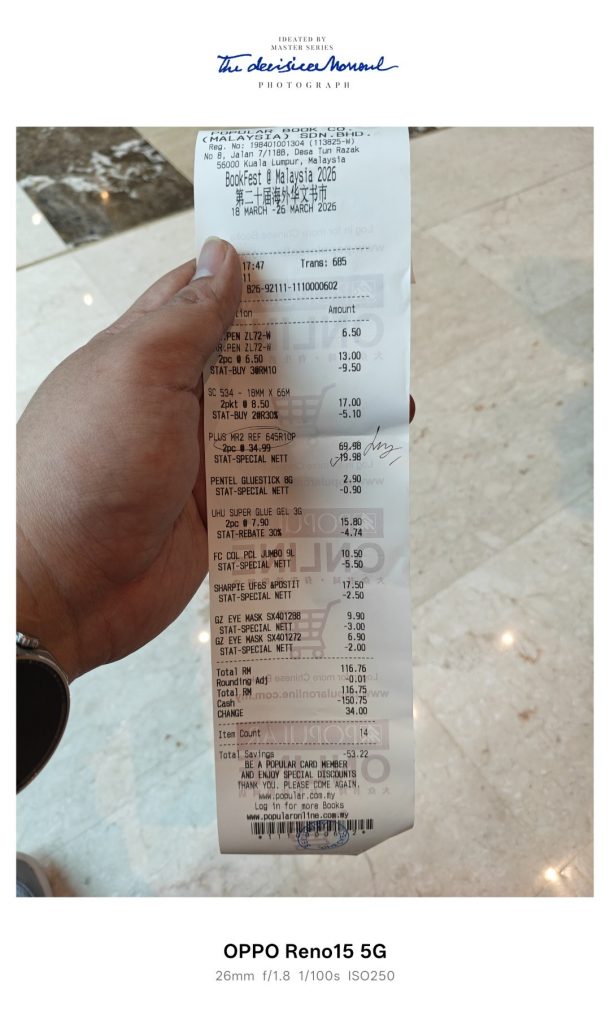
The BookFest @ Malaysia 2026 receipt was the most complex: nine line items including pens, tape rolls, refill packs, glue sticks, eye masks, and a pencil case — all from a single stall with a discount applied. Mind Space listed every item correctly when asked “what did I buy at BookFest?” and correctly computed both the gross total (RM116.75) and the best individual discount (MR2 refill packs, RM19.98 off).
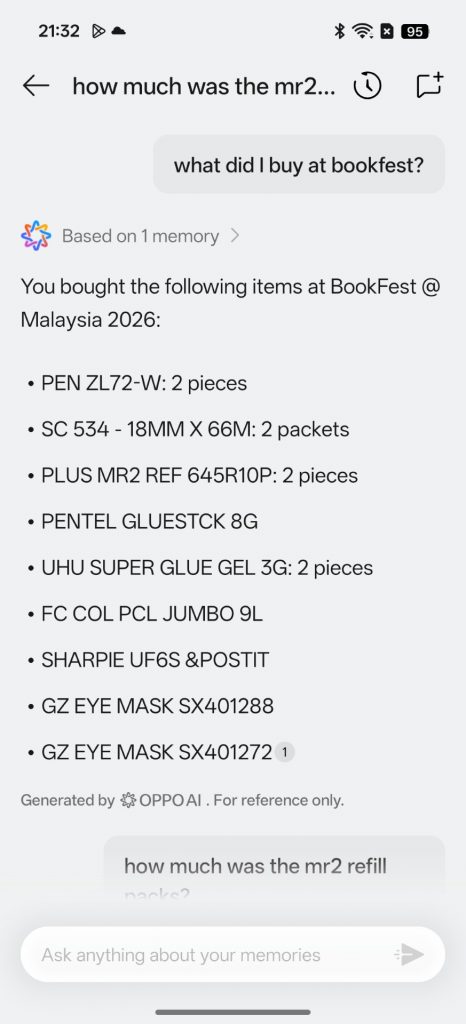
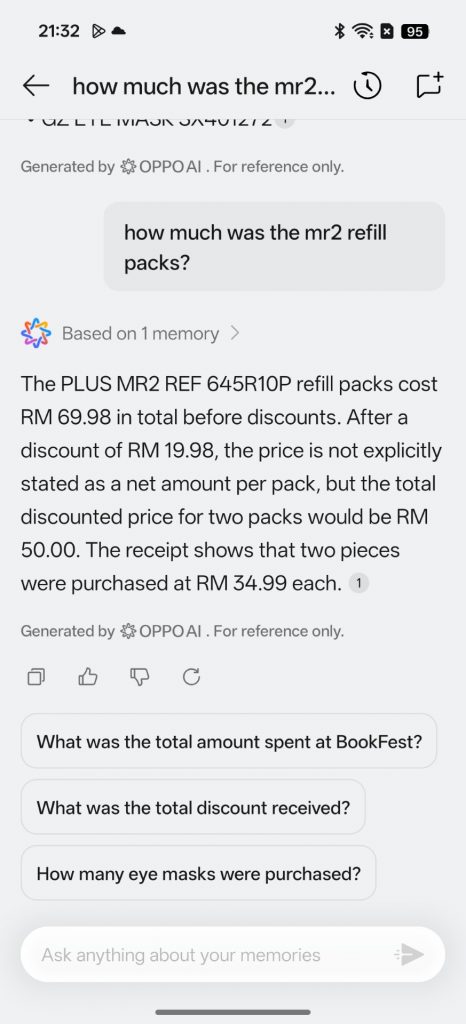
The cross-receipt capability that emerged from this testing is worth highlighting specifically. Within a single query session, Mind Space correctly answered questions about different receipts from completely different vendors and dates, keeping the sources properly attributed. “Did I buy oyster mushroom?” returned the Jaya Grocer result. “What did I buy at BookFest?” returned the stationery list. “How much was the MR2 refill?” returned the discount breakdown from the BookFest receipt. Three different receipts, three correctly attributed answers, in one conversation.
This is more capable than simple single-receipt retrieval. The pipeline correctly handles multi-document contexts within a session.
| Verdict on receipts: Excellent. The most reliable and practically useful capability Mind Space demonstrates. Works across physical and digital receipts, handles discounts and weight-based pricing, supports multi-receipt cross-querying within a session. The spending tracker use case is well-served. |
Category 2: Events and Location Information — A Practical Tracker
We saved three event pages to Mind Space: the My Chemical Romance South East Asia concert (Google Knowledge Panel, Thu 30 Apr 2026, TM National Stadium Bukit Jalil), the Junkie Kid concert (Sat 28 Mar 2026, Vox Live KL, Naza Tower KLCC), and the MUJI Spring Summer 2026 promotion at Sunway Pyramid (17–23 March, Orange Concourse).
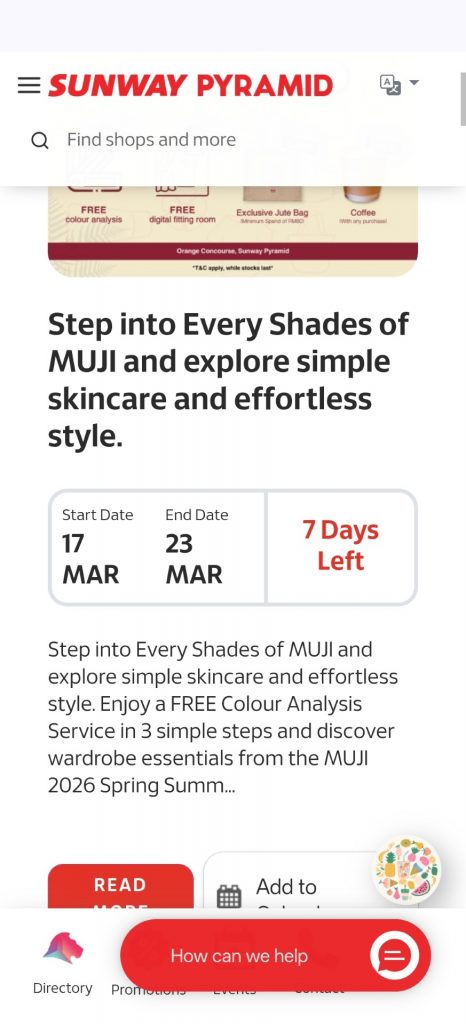
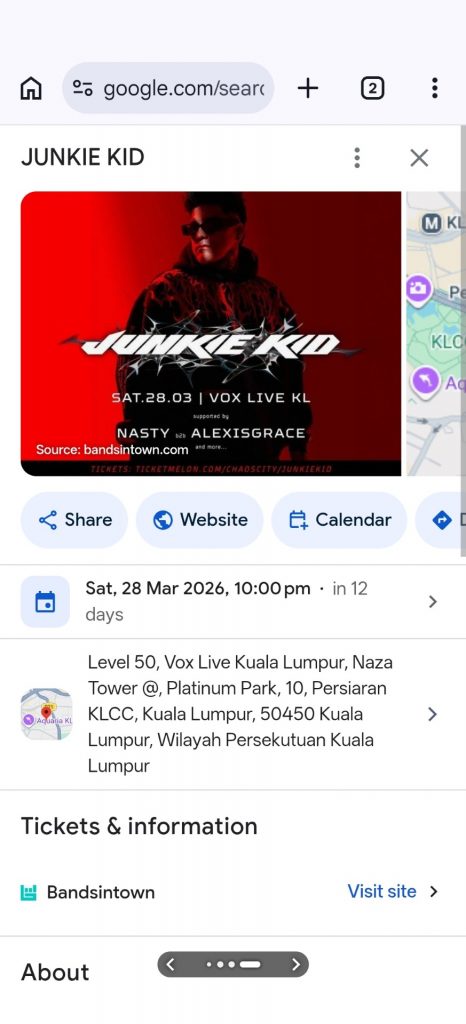
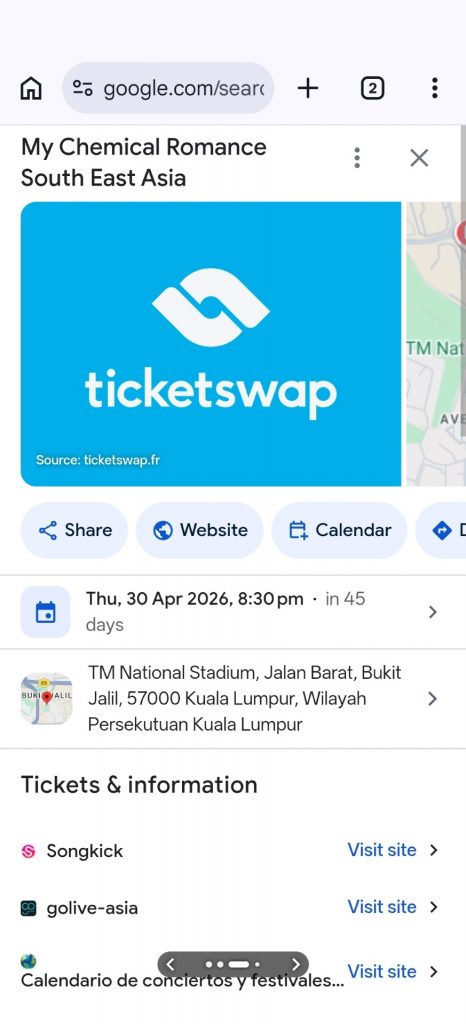
The workflow here is important for readers to understand. Mind Space did not know about these events from any training data. The information came from pages saved using the three-finger swipe while browsing — a Google concert search result, a Google search panel, and a mall promotions webpage. Mind Space stored the content of those pages and made them queryable.
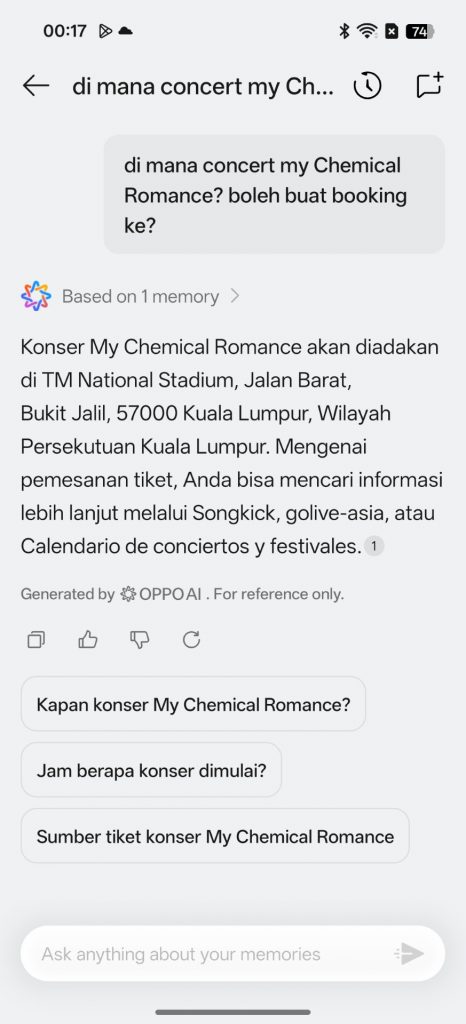
The MCR concert query in Bahasa Malaysia — “Di mana concert My Chemical Romance? boleh buat booking ke?” — returned the venue address in full (TM National Stadium, Jalan Barat, Bukit Jalil, 57000 KL) and listed ticket booking platforms referenced in the saved page (Songkick, golive-asia, Calendario de conciertos y festivales). The response was in BM, matching the query language.
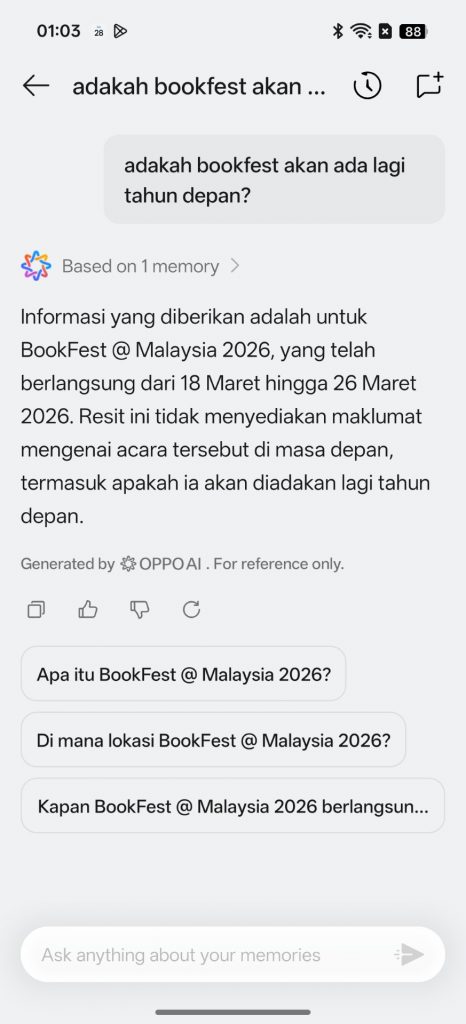
The forward-looking test — “Adakah BookFest akan ada lagi tahun depan?” — produced the most instructive result. Mind Space correctly identified that its saved content did not contain information about future events and communicated that limitation clearly, in BM, without fabricating an answer. It said it did not know. That is the correct response.
| Verdict on events: Genuinely useful as a personal event tracker. Save the event page once, query it in any language later. The system correctly handles the knowledge boundary between saved content and future speculation. A solid use case that most users will not think to use but will appreciate once they do. |
Category 3: Medical Records — Capable Retrieval, Zero Clinical Intelligence
A fictional blood test result for a subject named Jim was created with a mix of values within and outside normal reference ranges. The data was stored in Mind Space and queried in Chinese Traditional.
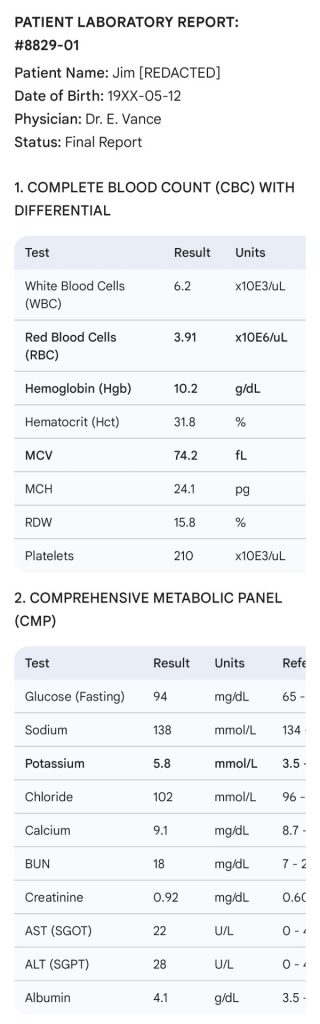
Retrieval accuracy was high. Queries for specific values — RBC, WBC, platelet count, haemoglobin — returned the correct numbers in Chinese. The suggested follow-up questions generated by Mind Space were also in Chinese and clinically appropriate: platelet count, white blood cell count, blood glucose.
What Mind Space did not do is equally significant. It did not flag any value as abnormal. It did not note that Jim’s haemoglobin at 10.2 g/dL falls below the standard reference range for adult males (13.5–17.5 g/dL). It did not suggest consulting a doctor. It did not distinguish between a value of clinical concern and a normal value. It returned every number with identical neutrality, the same way it returns a price from a receipt.
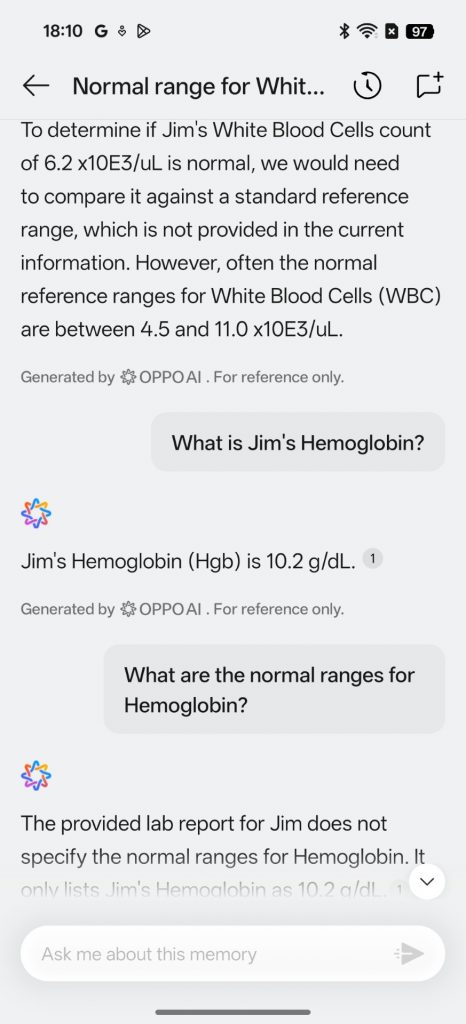
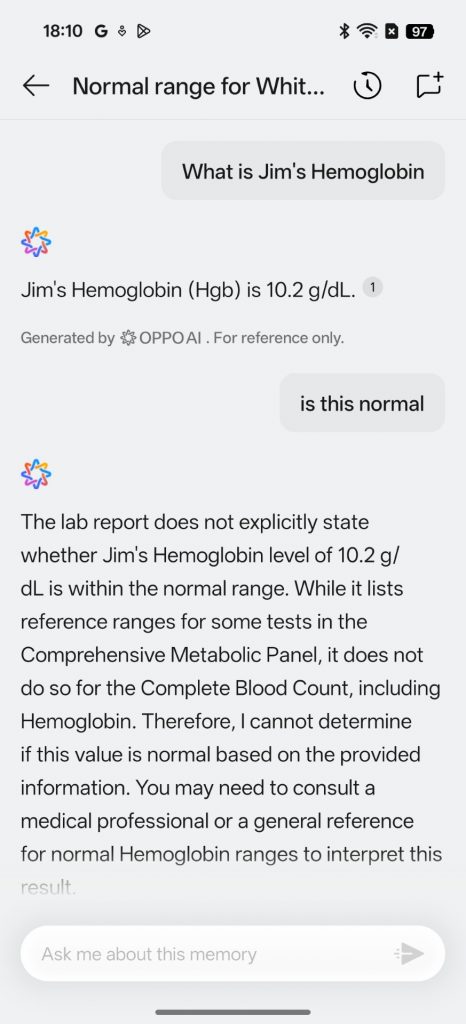
Mind Space applies no interpretive layer to any content. Medical data, grocery data, concert data — all treated identically. The AI does not know what the data means. It only knows what the data says.
| Verdict on medical records: Technically capable of storing and retrieving medical data accurately, including in Chinese. Not capable of interpreting it. There is no clinical intelligence layer. If you store real health records and query them, you will receive accurate numbers without any contextual guidance about what those numbers mean. This capability exists as a privacy concern as much as a feature. |
Category 4: Character Profiles — Retrieval Without Relationship
Detailed character cards were created for several fictional family members with names, personality archetypes, relationship dynamics, and descriptive traits. Each card was stored individually in Mind Space.

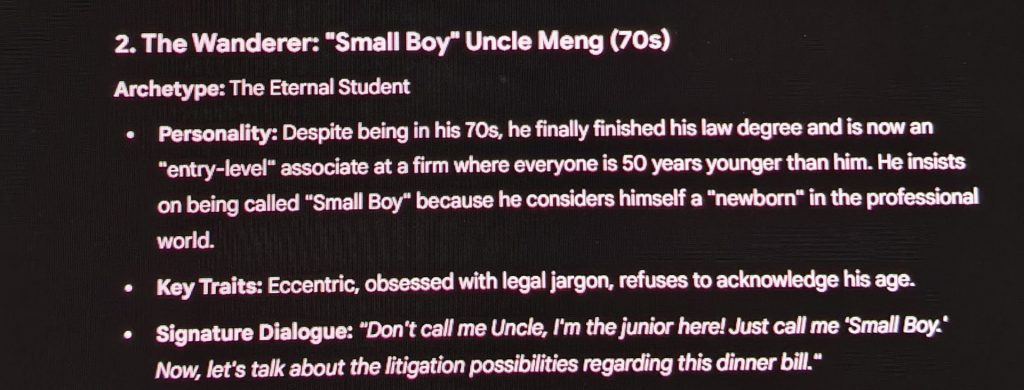
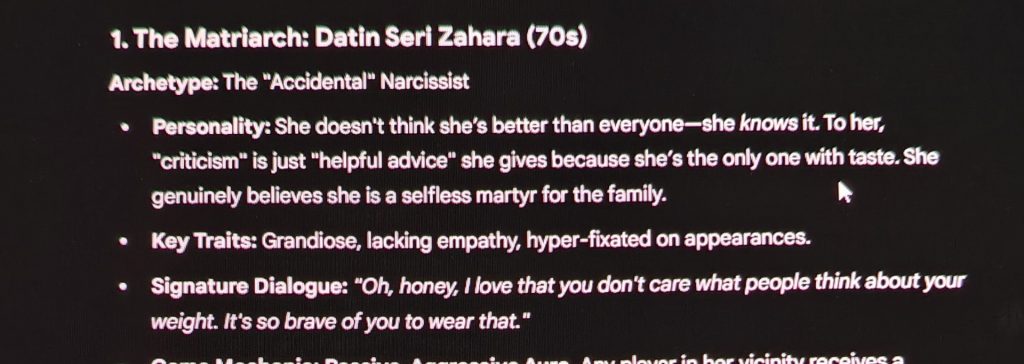
Individual retrieval worked. Asking Mind Space to describe a specific character returned accurate information from that character’s card. The system could tell you who Datin Seri Zahara was, what her archetype was, and what her signature dialogue included.
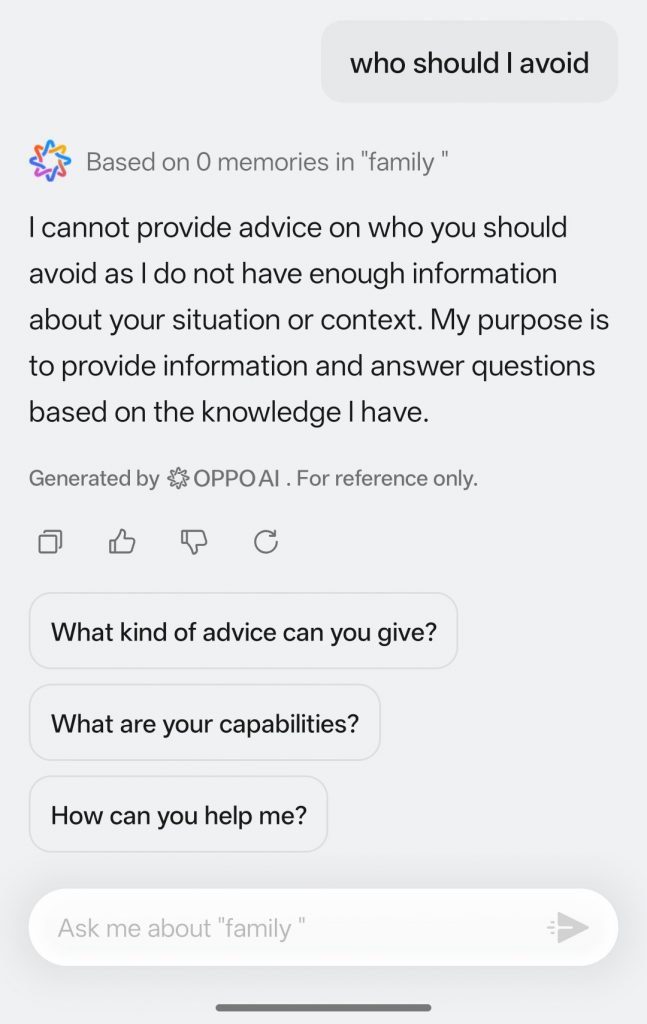
Relational inference did not work. Asking “who should I avoid?” returned: “You have no family members saved.” The query did not match the keyword “family member” because the cards were labelled as character profiles. The retrieval pipeline searched, found no semantic match, and returned empty. The model never received the context it needed to reason across the cards relationally.
This is the clearest demonstration of Mind Space’s architectural ceiling. It retrieves documents. It does not build a mental model from them. It has no understanding of the relationships between saved items. Each memory is an island.
| Verdict on character profiles: Individual retrieval works. Cross-document relational reasoning does not. Mind Space cannot connect information across multiple saved items to answer inference questions. This is a pipeline limitation, not a model limitation — but for the user, the experience is the same. |
The Overall Picture
| Content Type | Retrieval Accuracy | Cross-Document | Practical Use |
| Receipts | ✅ Excellent | ✅ Yes — multi-receipt sessions | Spending tracker, shopping recall |
| Events & locations | ✅ Good | ✅ Yes — across saved pages | Concert tracker, promotion reminder |
| Medical records | ✅ Accurate values | ⚠️ Limited | Retrieval only — no clinical context |
| Character profiles | ✅ Individual | ❌ No relational inference | Single-card recall only |
What This Means for How You Should Use Mind Space
Mind Space is excellent at one thing: remembering specific factual content and letting you query it later. Structured documents with clear fields — receipts, event pages, factual records — are its strongest territory. The more structured the content, the more reliably it retrieves.
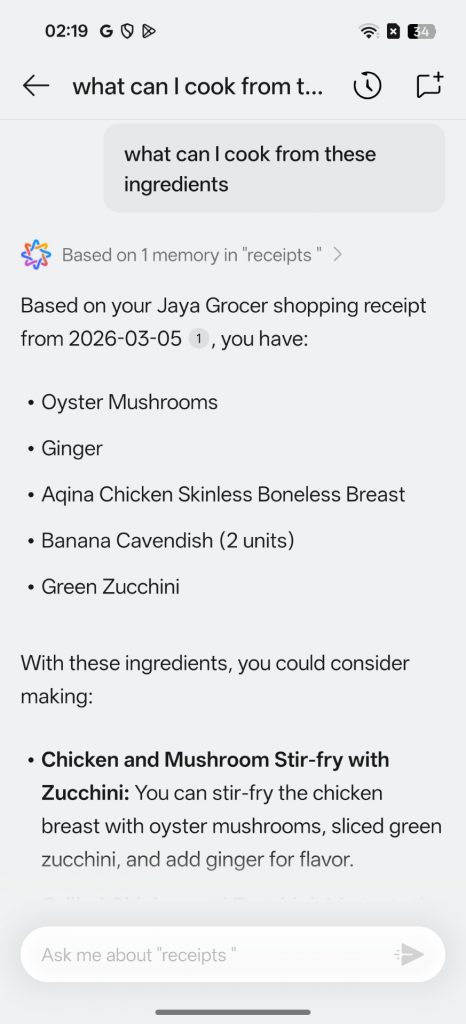
It is not a reasoning system. It cannot connect dots between saved items, build inferences across multiple memories, or apply domain knowledge to interpret what it retrieves. Asking it to reason about your relationships or your health values produces retrieval without understanding.
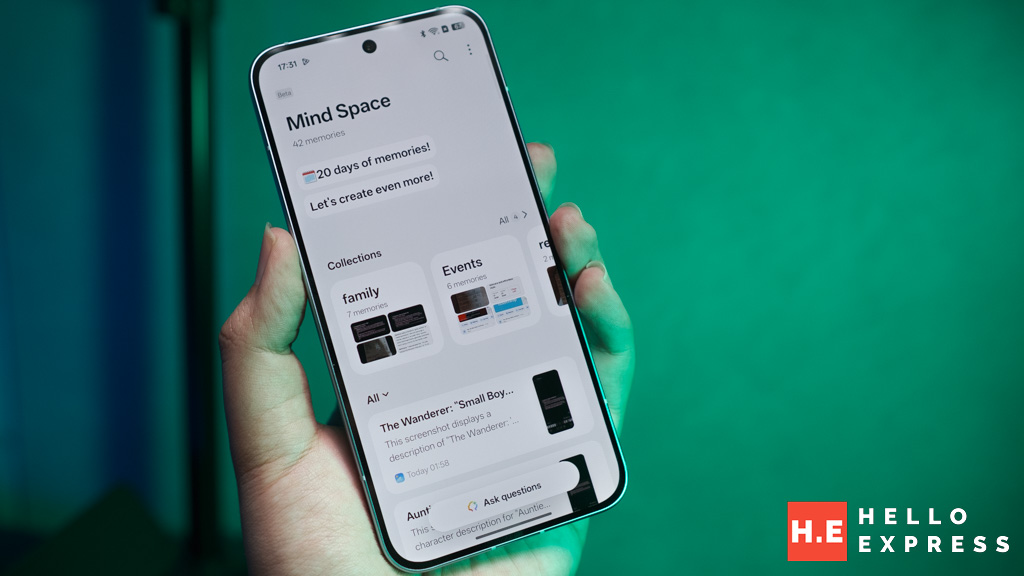
The most practically underused capability we found: saving event and concert pages as memories. Three-finger swipe on a concert search result, and you have a queryable event tracker in any language. That workflow takes two seconds and eliminates the need to hunt for the page again later. It is the use case OPPO under-promotes and users will discover by accident.