
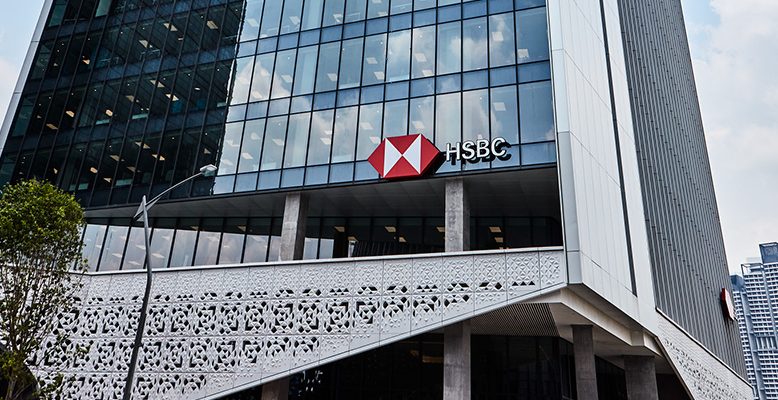
HSBC and StanChart Win Hong Kong’s First Stablecoin Licences — Here’s What That Means

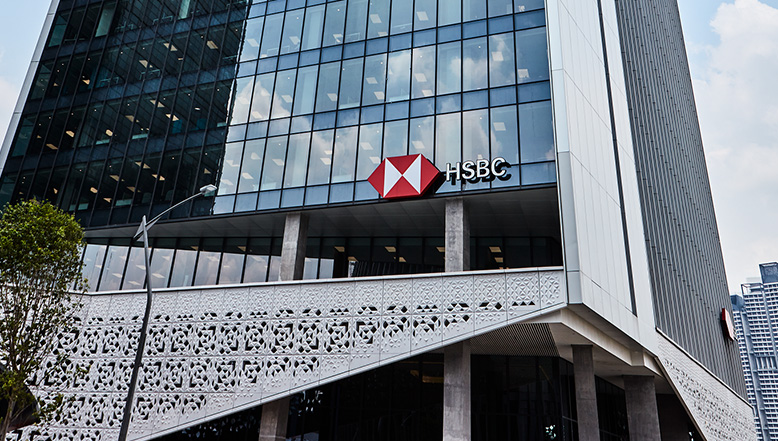
TLDR:
- Hong Kong grants its first-ever stablecoin issuer licences to HSBC and Anchorpoint Financial (StanChart-led JV) on April 10, 2026
- HSBC plans to launch a Hong Kong dollar (HKD) stablecoin in the second half of 2026, fully backed by high-quality liquid assets
- Anchorpoint’s HKDAP (HKD At Par) stablecoin targets B2B2C distribution through authorised distributors including telco and digital asset partners
- The HKMA received 36 formal stablecoin applications and deliberately limited first-round approvals to manage risk
- Hong Kong’s Stablecoins Ordinance took effect in August 2025, creating the regulatory framework that enabled these licences
A Landmark Day for Hong Kong Digital Finance
Hong Kong has officially entered the regulated stablecoin era. The Hong Kong Monetary Authority (HKMA) confirmed on April 10, 2026 the award of the city’s first stablecoin issuer licences under the Stablecoins Ordinance — granting approvals to two applicants: HSBC and Anchorpoint Financial, a joint venture backed by Standard Chartered, Hong Kong Telecom (HKT), and blockchain company Animoca Brands.

The licences are the culmination of months of anticipation following the Stablecoins Ordinance taking effect in August 2025. The HKMA received 36 formal applications by the end of September 2025 and had consistently signalled it would be selective, prioritising applicants that demonstrated robust risk management frameworks, high-quality reserve assets, and strong anti-money laundering controls. Only three commercial banks in Hong Kong are authorised to issue Hong Kong dollar banknotes — HSBC and Standard Chartered are two of them, and both secured stablecoin licences on debut.
Financial Secretary Paul Chan had confirmed in February 2026 that the first batch would be deliberately limited, a stance that signalled the regulator was willing to slow-walk approvals rather than dilute the framework’s credibility with rushed issuances. The market interpreted that as a positive — it meant the licences would carry genuine weight.
HSBC: A Consumer-Facing HKD Stablecoin in H2 2026
HSBC intends to launch its Hong Kong dollar-denominated stablecoin in the second half of 2026. According to the bank’s official statement, each HSBC-issued stablecoin will be “fully backed at all times by high-quality, liquid assets held in segregated accounts” — a structure that mirrors the reserve transparency standards being demanded by regulators globally following the collapse of algorithmic stablecoins like TerraUSD.
Maggie Ng, CEO Hong Kong at HSBC, described the licence as aligning with Hong Kong’s broader ambition to position itself as a global digital asset hub. Her statement emphasised the practical utility angle: HSBC-issued stablecoins are intended for payments and transactions within Hong Kong, not as a speculative crypto product.
The timing is deliberate. Launching in H2 2026 gives HSBC time to complete the technical and compliance infrastructure needed to satisfy HKMA requirements before going live. For Hong Kong consumers and businesses, a bank-issued digital Hong Kong dollar that settles instantly and works across payment rails could become a genuine alternative to traditional interbank transfers — particularly for cross-border trade settlements where Hong Kong has historically played a bridging role between China and global markets.
Anchorpoint’s HKDAP: B2B2C Model with Blockchain DNA
Anchorpoint Financial takes a structurally different approach. Rather than a direct-to-consumer product, Anchorpoint is designed as a B2B2C platform — working through authorised distributors to give public access to its Hong Kong Dollar-backed stablecoin, branded HKDAP (HKD At Par).
The joint venture’s ownership structure tells you a lot about the strategy. Standard Chartered brings global transaction banking expertise and an existing network across Asia, Africa, and the Middle East. HKT brings a telecommunications distribution channel — millions of mobile customers who could access stablecoin-powered payments through existing apps. Animoca Brands contributes blockchain infrastructure and a network of digital asset-native partners. Together, they are building something that looks more like a payments platform than a traditional bank product.
Bill Winters, Group Chief Executive at Standard Chartered, framed HKDAP as “a powerful regulated medium of exchange” that would help “rewire financial markets” and promote the next generation of international trade. The language matters — this is being positioned not just as a domestic Hong Kong product but as infrastructure for cross-border commerce that leverages public blockchain efficiency while operating under Hong Kong’s regulatory rigour.
The HKMA assigned licence numbers FRS01 to Anchorpoint Financial Limited and FRS02 to The Hongkong and Shanghai Banking Corporation Limited — effectively bookending a new regulatory register that will likely grow as more applicants clear the framework’s requirements.
The Broader Regulatory Ambition
HKMA Chief Executive Eddie Yue stated that the licences provide an “orderly operating environment” for stablecoin issuers — one that allows innovation through technology while maintaining user protection and risk management. The goal articulated by the regulator is straightforward: regulated stablecoins should address genuine pain points in financial and economic activities, not create new ones.
This framing positions Hong Kong distinctly against other markets. The United States has taken an enforcement-heavy approach to stablecoins without establishing clear legislation. The European Union’s MiCA framework is more permissive but has faced criticism for the complexity of its compliance requirements. Hong Kong’s approach — deliberate, limited first approvals with high准入 bars — suggests it is trying to attract quality issuers rather than volume.
Our Take
The award of Hong Kong’s first stablecoin licences is genuinely significant, and not just as a regulatory milestone. When two of Asia’s largest banks — institutions that handle trillions in daily trade finance and cross-border payments — commit to issuing regulated digital currencies, the implications extend well beyond the crypto market.
For Malaysian businesses and financial institutions, this is worth watching closely. Hong Kong’s stablecoin framework creates a regulated on-ramp for digital asset services that could eventually connect into Malaysia’s own digital finance ecosystem. The B2B2C model that Anchorpoint is pursuing, particularly with telco and blockchain distribution partners, hints at payment products that could eventually span the Hong Kong-Guangdong-Macao Greater Bay Area — a market of enormous relevance to Malaysian exporters and financial service providers with regional ambitions.
The timing of HSBC’s H2 2026 launch target also matters. That gives Malaysian banks and payment providers roughly six months to assess whether they want to explore stablecoin integration — for cross-border settlement, trade finance, or remittance corridors that have historically been slow and expensive. Hong Kong’s regulated stablecoins will not solve that overnight, but they create the kind of regulatory clarity that makes institutional participation viable.
What is clear is that Hong Kong has decided it wants to be a stablecoin jurisdiction, not just a crypto trading hub. The first licences went to institutions with deep pockets, strong compliance cultures, and global reach. That signals the direction of travel.
Keyword: Hong Kong stablecoin licence HSBC StanChart
Source: