
Google Just Took Over Intrinsic, the Android of Robotics — And It’s a Big Deal

TLDR:

- Google absorbed Intrinsic, the “Android of robotics” project, back into the company
- Intrinsic was an Alphabet “Other Bet” since 2021, now merging with Google DeepMind
- Will use Gemini AI models and Google Cloud for physical AI development
- Signals Google’s push into AI-powered robotics
What is Intrinsic?
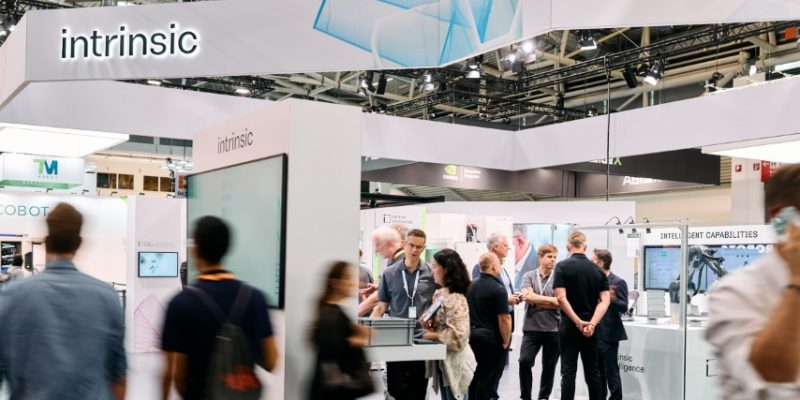
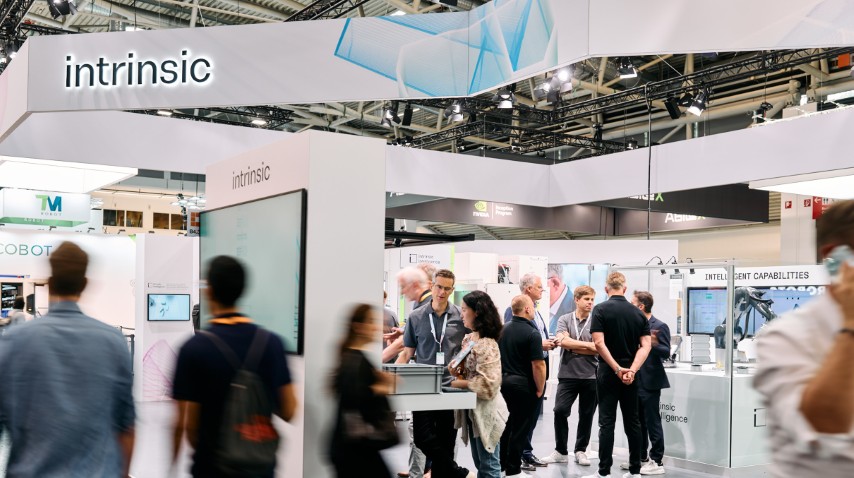
Remember when everyone was hyping up “Android for robots”? That was Intrinsic. Founded in 2021 as part of Alphabet’s X moonshot factory, Intrinsic positioned itself as the software layer that could make robotics accessible to everyone — think of it like Android, but for physical robots instead of smartphones.
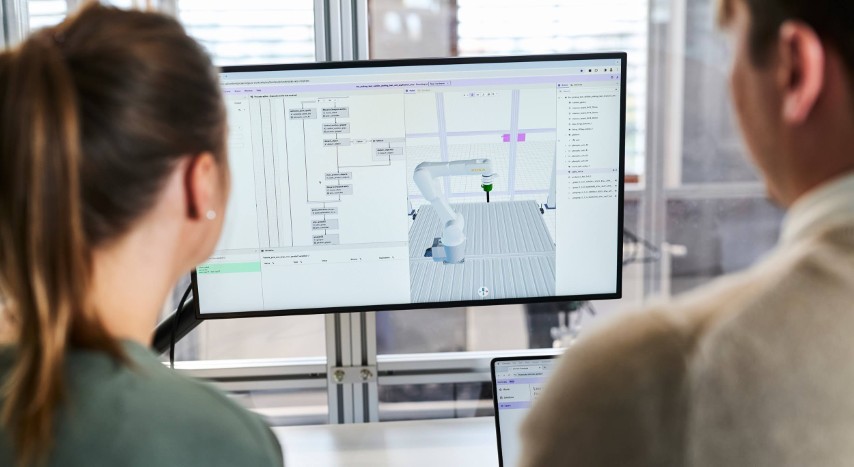
The idea was simple yet ambitious: build tools and software that make it way easier to create robot applications, even if you’re not a robotics expert. Instead of programming every single movement, developers could use Intrinsic’s platform to teach robots new tricks through intuitive interfaces.
Why Google Wants It Back
After five years as an independent company under Alphabet’s “Other Bets” division (alongside Waymo and Verily), Google is pulling Intrinsic back in. This isn’t a rejection — it’s actually a vote of confidence.
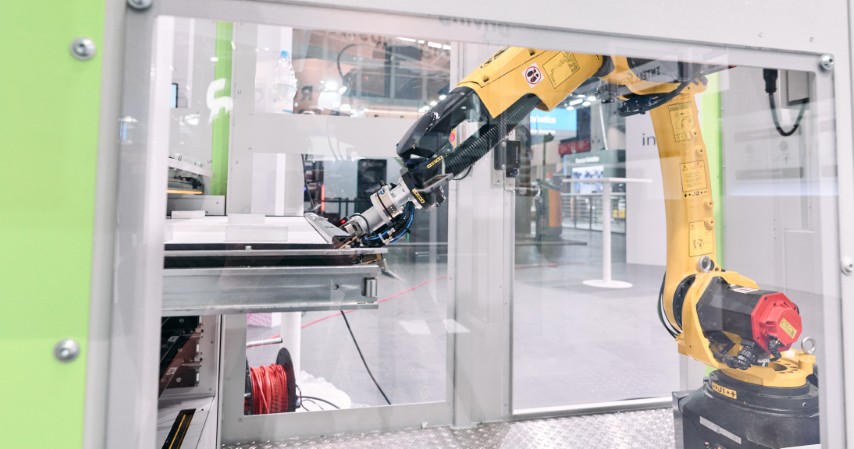
Here’s the logic: Google is going all-in on “physical AI” — AI that can interact with the real world, not just generate text or images. Robots are the ultimate frontier for this. By bringing Intrinsic into Google, they’ll work directly with DeepMind (Google’s top AI lab) and use Gemini AI models.
This is huge because DeepMind already made waves last year when they launched AI models specifically designed to help robots perform physical tasks. Now combine that with Intrinsic’s software platform? That’s a potential game-changer.
What This Means for Malaysia
For Malaysian techies, this is worth watching for several reasons:
- Local robotics industry — Malaysia has been pushing to attract more high-tech manufacturing and automation. Google’s push into robotics could accelerate affordable robotic arms and automation tools reaching our factories.
- AI talent pipeline — As Google deepens its physical AI focus, expect more research papers, tools, and maybe even partnerships with universities. Malaysian AI researchers could benefit from this ecosystem.
- Consumer robotics — The dream of helpful home robots (beyond just vacuums) might actually happen now. When Google commits resources, things move fast.
The Bigger Picture
This move signals that the AI race is expanding beyond chatbots and image generators. Physical AI — robots that can see, understand, and act in the real world — is the next frontier.
Companies like Tesla (with Optimus), Boston Dynamics, and now Google are racing to make robots practical. Malaysia’s position in the global supply chain (electronics manufacturing, automotive) means we’ll likely see the effects of this tech race locally.
Watch this space. The robots are coming.