
Apple Testing Four Smart Glasses Designs — Wayfarer-Style, December 2026 Production

TLDR:

- Apple is testing four distinct smart glasses designs internally
- One design resembles classic Wayfarer sunglasses style
- Production target: December 2026 with 2027 consumer launch
- Features expected: display overlay, voice AI integration, health tracking
- Tim Cook has reportedly expressed strong interest in the product
Apple Moves Toward Smart Glasses
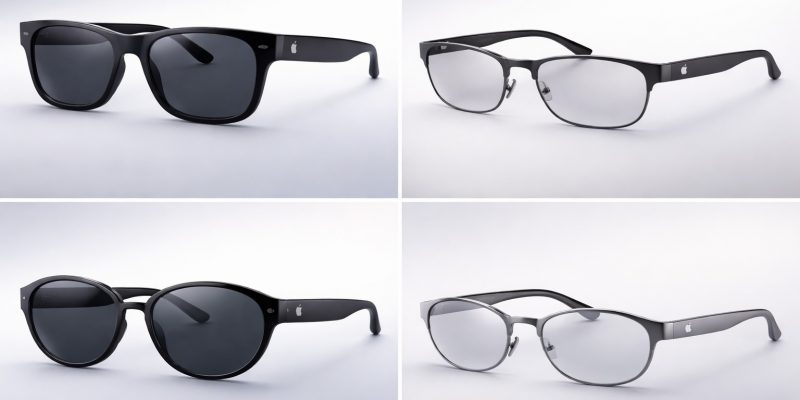
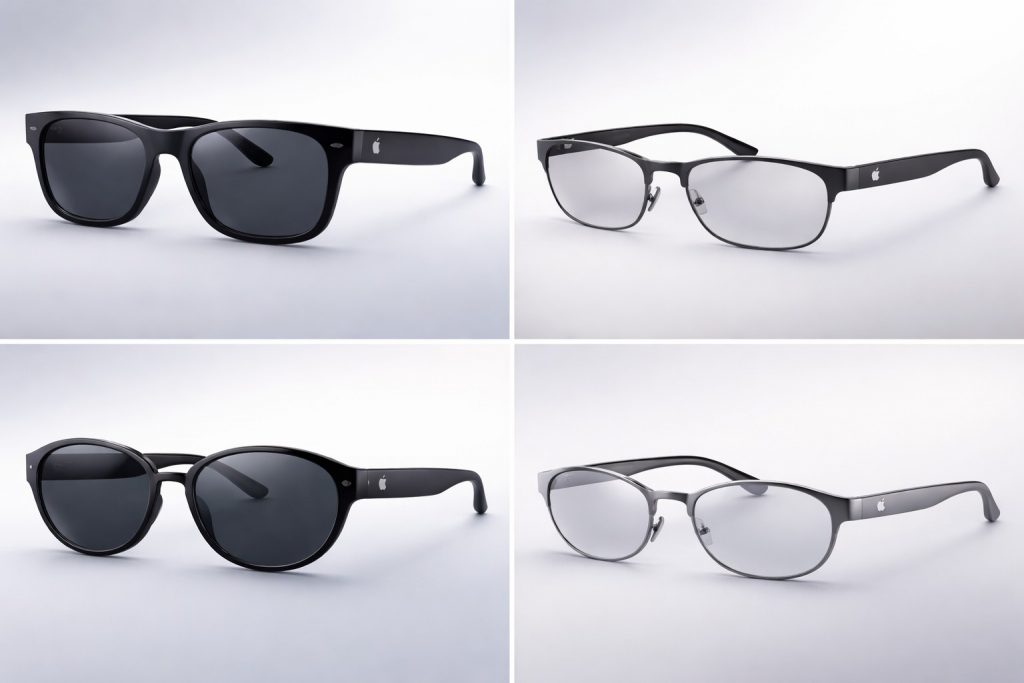
Apple is actively developing smart glasses, with four different designs currently in internal testing according to sources familiar with the matter. The most advanced prototype reportedly resembles the classic Wayfarer sunglasses shape — a design choice that balances fashion consciousness with functional hardware requirements.
The project represents Apple’s continued expansion into wearable technology beyond Apple Watch and AirPods. Smart glasses represent the next frontier in personal computing, and Apple appears determined to enter the market with a product that meets its usual standards for design and user experience.
What’s Known About the Designs
The four designs under consideration include:
Wayfarer-style smart glasses — The most design-forward option, featuring a recognizable silhouette that doesn’t look obviously tech-heavy. This approach mirrors Ray-Ban’s Meta Smart Glasses strategy, which proved that smart glasses can look like regular eyewear.
Sports-focused design — A more technical look with performance-oriented features, likely targeting fitness enthusiasts who want heads-up information during workouts without reaching for a phone.
Premium everyday frames — A mainstream option designed for daily wear, potentially replacing traditional prescription glasses for users who need vision correction.
Ultra-lightweight concept — Prioritizing comfort for all-day wear, a significant engineering challenge given the display and compute hardware required.
Apple typically develops multiple prototypes before committing to a final design. The Wayfarer reference suggests the company is leaning toward a fashion-conscious approach rather than a purely functional device.
Production Timeline
Apple is targeting December 2026 for initial production runs of the most promising design. This timeline aligns with a potential 2027 consumer launch, giving Apple roughly 18 months to finalize hardware, develop software, and prepare the ecosystem.
The December 2026 production window is notable because it would place the product in Apple’s fiscal Q1 2027 — the holiday quarter — which is when Apple traditionally launches its most consumer-facing products.
Market Context
Apple’s smart glasses entry would put it in direct competition with:
Meta Ray-Ban Smart Glasses — Already on their second generation, priced at RM1,099 for the standard version and RM1,499 for the version with display. Meta has established early market presence and developer ecosystem.
Snap Spectacles — Snap’s fourth-generation Spectacles feature display overlays and AR capabilities, though primarily targeted at developers and creators rather than consumers.
Amazon Echo Frames — Alexa-powered smart glasses without display, focused on audio AI assistant interaction.
Google Android XR — Google’s extended reality platform launching in 2025, expected to appear in glasses form from multiple manufacturers.
What Apple’s Smart Glasses Might Include
Based on Apple’s product patterns and industry capabilities, the glasses could feature:
Display overlay — Minimal heads-up display for notifications, navigation, and AI responses without reaching for a phone.
Siri integration — Deep Apple Intelligence and Siri connectivity for voice commands, AI assistance, and HomeKit control.
AirPods audio integration — Seamless audio handoff from AirPods to glasses for private listening.
Health tracking — Potential for eye tracking, fatigue monitoring, and integration with Apple Health ecosystem.
Spatial computing — More advanced features could leverage learnings from Apple Vision Pro’s spatial computing work.
Our Take
Apple entering smart glasses makes strategic sense. The wearable category — Watch, AirPods, Vision Pro — is where Apple has consistently grown its ecosystem. Smart glasses represent the next natural step, particularly as AI assistants become more capable and useful in daily life.
The Wayfarer design direction is smart. Meta proved that smart glasses can look like normal eyewear, and Apple’s design philosophy aligns with making technology disappear into everyday objects. A Wayfarer-style Apple glasses would attract users who want the functionality without standing out as “tech wearables.”
The December 2026 production target suggests Apple is serious about a near-term consumer launch. This timeline also means competition in smart glasses will intensify significantly in 2027 — Meta has a head start, but Apple historically enters markets with refined products rather than first-mover advantage.
For Malaysian consumers, Apple’s entry would bring smart glasses into the mainstream retail channel — Apple Stores, authorized resellers, and telco partnerships. That distribution reach could make smart glasses as accessible as Apple Watch is today.
We’ll be watching for more details as development progresses.
Keyword: Apple smart glasses Wayfarer design 2027 launch December production
Source: