
Acer Predator XB253Q U1 Leads IFA 2026 Lineup — World’s First 1000 Hz FHD Gaming Monitor

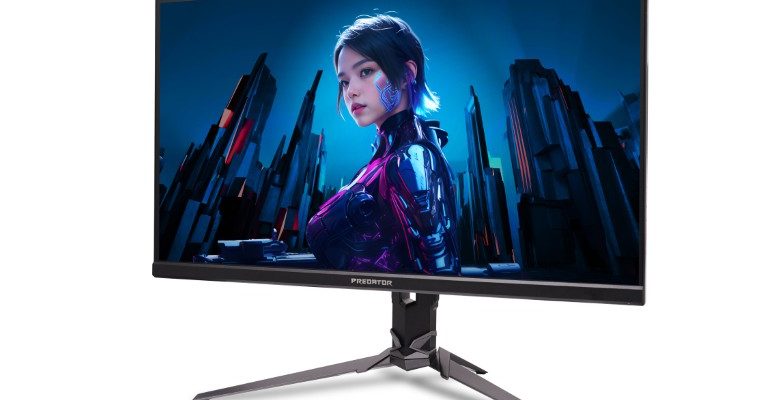
Acer has just dropped one of the most ambitious gaming monitor lineups we’ve seen at IFA 2026, headlined by the Predator XB253Q U1 — the world’s first Full HD display to hit a 1000 Hz refresh rate. But the Berlin showcase isn’t a one-trick pony. Acer is also pushing QD-OLED Penta Tandem panels into the mainstream, scaling 5K Mini LED backlights down to prosumer pricing, and giving budget esports players triple-rate tri-mode DFR on the Nitro series. Together, the eight new screens cover every competitive, immersive, and creator use case Acer can think of — from a $329 entry-level Nitro all the way up to a calibrated 5K PE270X P for design studios.
What makes this launch interesting isn’t just the headline 1000 Hz number. It’s the way Acer is segmenting its lineup so that competitive FPS players, simulation racers, single-player immersive fans, and content creators each get a panel tuned to their workload — without forcing them into the same pricey flagship. Let’s walk through what’s new.
TLDR
- Predator XB253Q U1 is the world’s first FHD 1000 Hz monitor, with VRB Pro cutting blur to 0.3 ms
- Predator X32 V3 introduces QD-OLED Penta Tandem — a five-layer emission stack for richer HDR at 180 Hz UHD
- Nitro XV275X P brings 5K resolution and 2304-zone Mini LED HDR1400 down to a $1,199 prosumer price
- Tri-mode DFR on Nitro XV275U Z2 and XV270U Z3 lets esports players jump from QHD 275 Hz to HD 520 Hz on the fly
- ProDesigner PE270X P ships factory-calibrated Delta E<1 with full Adobe RGB / DCI-P3 / sRGB coverage
- Pricing starts at $299 for the Nitro XV270U Z3 and runs to $1,299 for the creator-grade PE270X P, with most units shipping Q4 2026 to Q1 2027
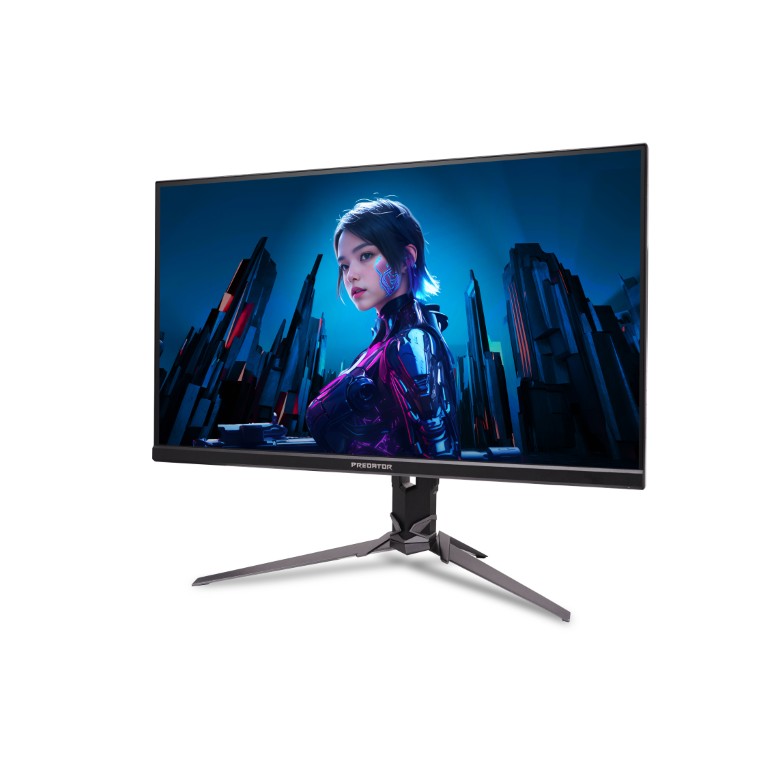
Predator XB253Q U1: The First 1000 Hz FHD Panel
The star of the show is a 24.5-inch IPS panel running 1920 x 1080 at a full 1000 Hz. Until now, the ceiling for FHD esports panels has hovered around 540-600 Hz, with 500 Hz being the practical sweet spot for most titles. Pushing to 1000 Hz effectively doubles the motion-update budget per frame, which means even at the lowest competitive frame times (1 ms per frame), the monitor can keep up with frame-perfect inputs from a high-end GPU plus sub-1 ms peripherals.
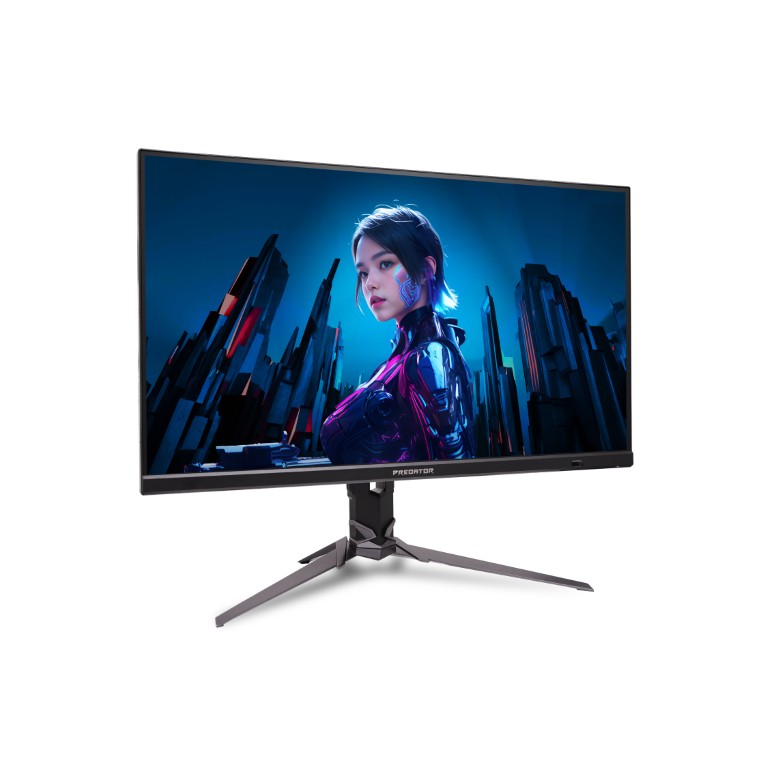
Acer pairs the speed with Visual Response Boost (VRB) Pro, dropping effective motion blur to 0.3 ms, alongside a Circular Polarizer for eye comfort during marathon sessions. The panel also carries VESA DisplayHDR 400, 90% DCI-P3 / 99% sRGB coverage, 0.3 ms response time, and dual HDMI 2.1 plus DisplayPort 2.1 connectivity. It’s AMD FreeSync Premium and NVIDIA G-SYNC Compatible. Pricing lands at $1,099 in North America, EUR 1,099 in EMEA, and RMB 7,999 in China, with Q1 2027 availability.
Predator X32 V3: QD-OLED Penta Tandem Hits the Mainstream
The Predator X32 V3 is the more visually dramatic flagship — a 31.5-inch QD-OLED panel using Acer’s new Penta Tandem five-layer emission structure. That extra layer stack is engineered to push luminance higher and reduce the risk of burn-in by distributing the workload across more emissive layers. The result is a UHD (3840 x 2160) panel at 180 Hz with VESA DisplayHDR True Black 400 certification and Delta E<1 color accuracy out of the box.
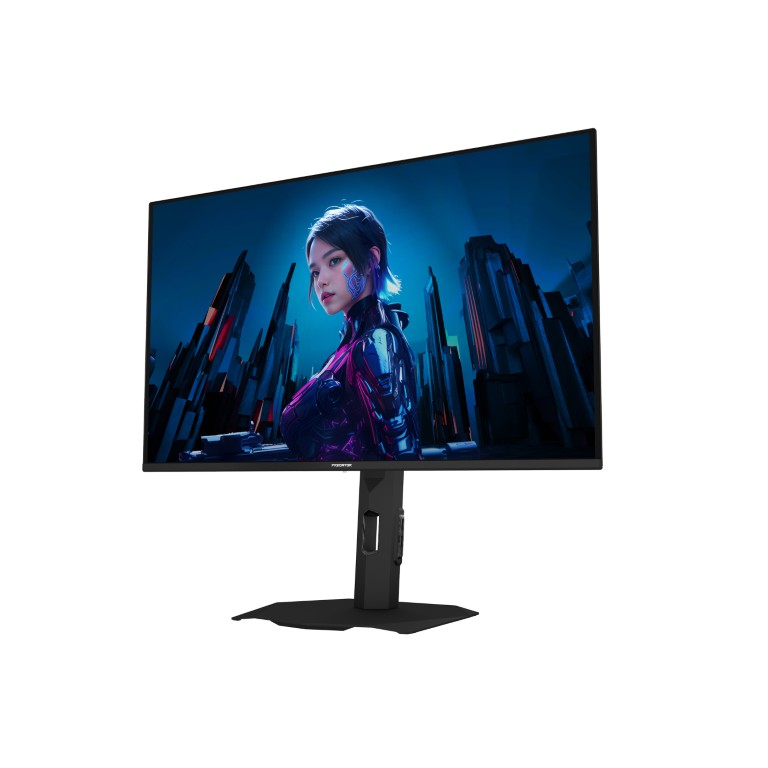
Response time is the QD-OLED hallmark 0.03 ms GTG, with 99% DCI-P3 coverage. The X32 V3 is AMD FreeSync Premium Pro and NVIDIA G-SYNC Compatible. Pricing is more aggressive than the XB253Q U1 at $899 / EUR 899 / AUD 1,999 / RMB 5,999 — likely making it the sweet spot for immersive single-player and sim-racing users who care about HDR pop more than raw FPS.
Nitro XV275X P And ProDesigner PE270X P: 5K Mini LED For Creators
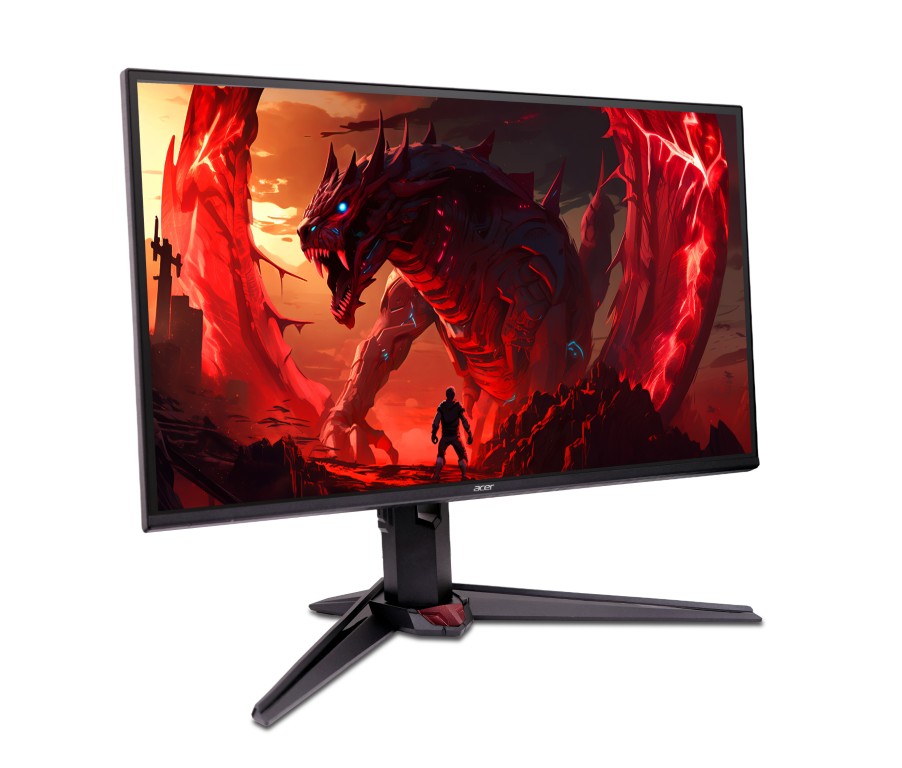
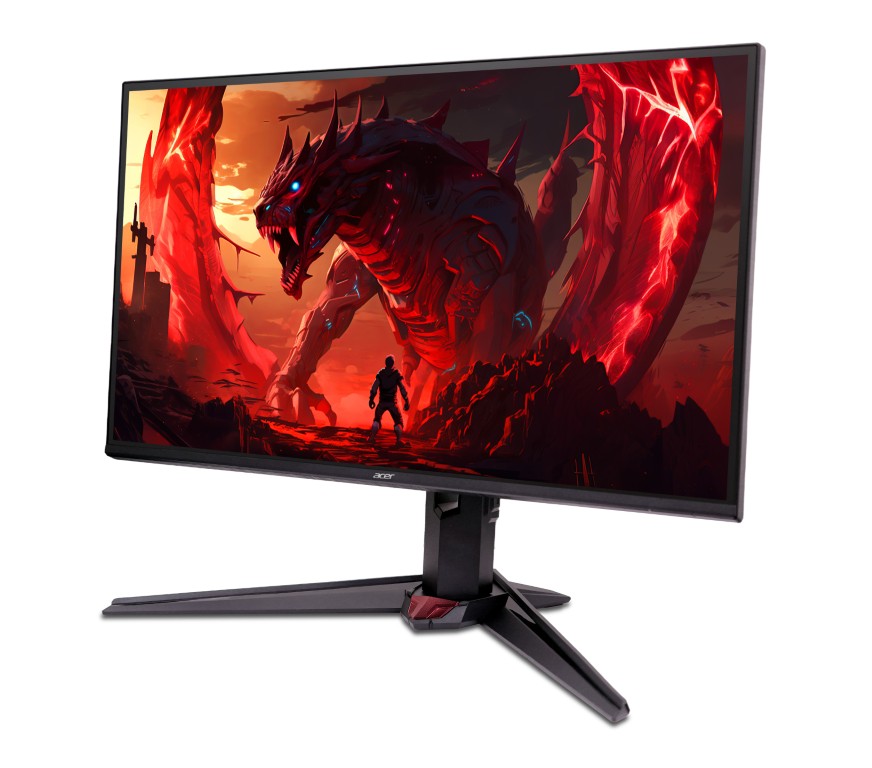
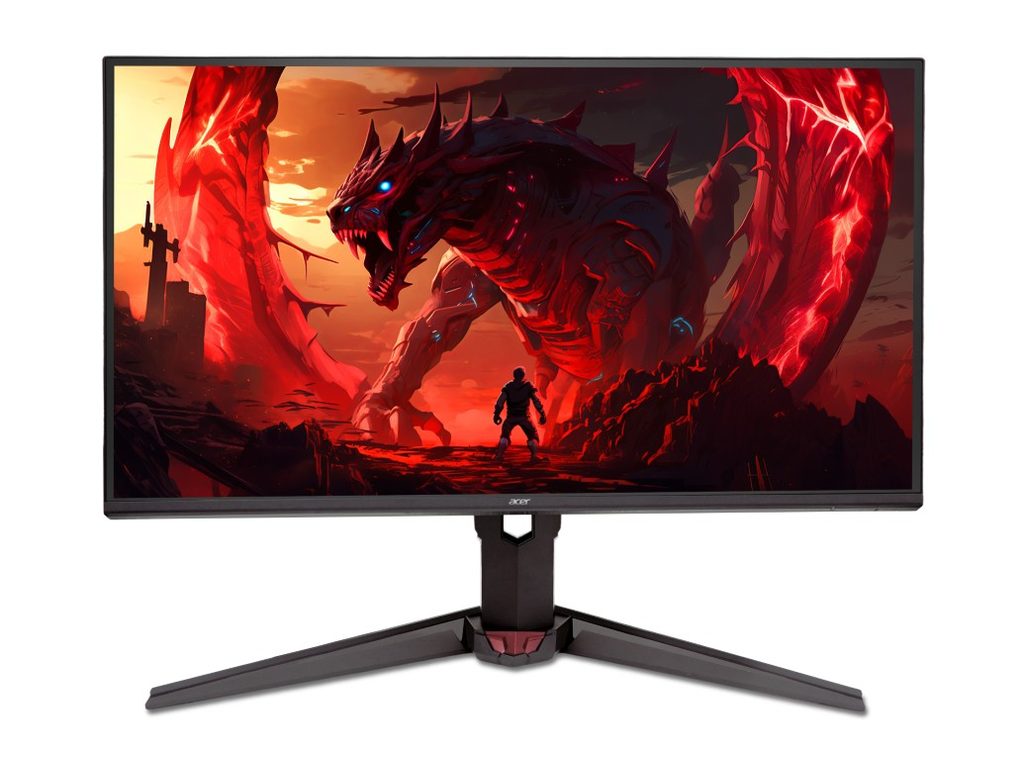
Both the Nitro XV275X P and the ProDesigner PE270X P use a 27-inch 5K (5120 x 2880) IPS panel at 165 Hz with a 2304-zone Mini LED backlight rated for VESA DisplayHDR 1400. That’s serious sustained brightness — north of 1400 nits peak — for HDR video grading, plus enough pixel density (around 218 PPI) for sharp text and timeline work.
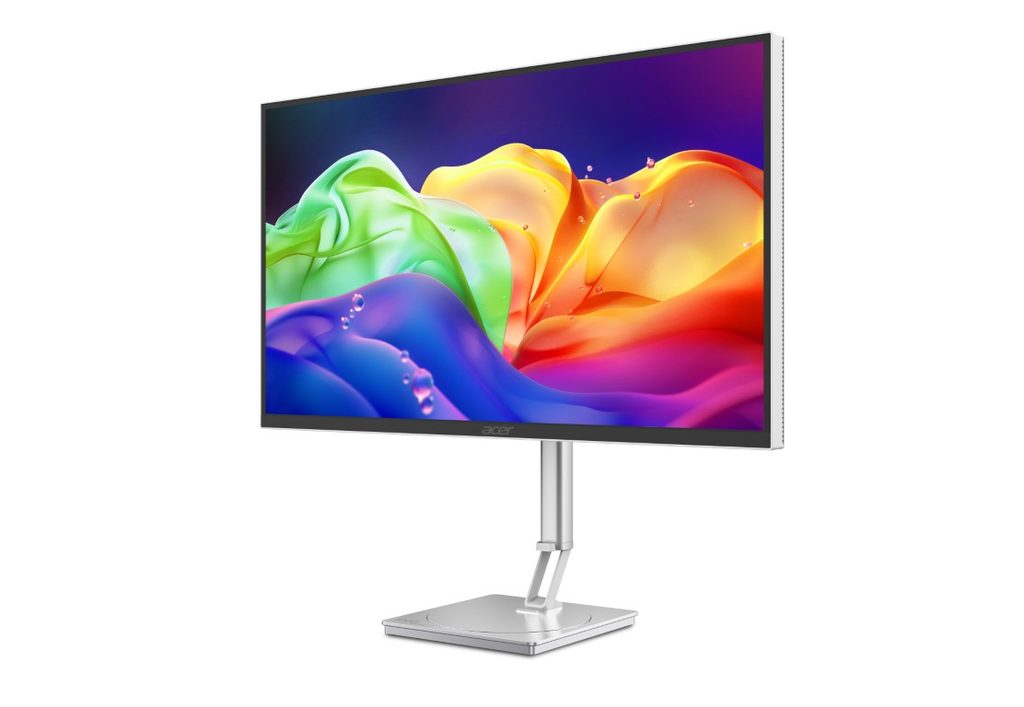
The Nitro XV275X P also includes dual-mode DFR (up to QHD 330 Hz), USB Type-C 90W power delivery, KVM, and PIP/PBP for multitasking. The ProDesigner PE270X P goes further with factory Delta E<1 calibration, Auto KVM, and Acer’s ErgoStand for tilt/swivel/pivot adjustment. The PE270X P targets $1,299 / EUR 1,299, while the Nitro XV275X P hits $1,199 / EUR 1,199 / RMB 9,999 — both shipping Q1 2027.
Tri-Mode DFR And Esports-Focused Nitro Panels
For grassroots esports players, the Nitro XV275U Z2 and XV270U Z3 both introduce tri-mode Dynamic Frequency & Resolution switching. Users can toggle between QHD 275 Hz, FHD 360 Hz, and HD 520 Hz depending on whether they want pixel density or pure speed. The XV275U Z2 pairs that flexibility with 1152-zone Mini LED backlighting and Acer HDR1000, while the XV270U Z3 keeps things leaner with HDR10 and FreeSync Premium.
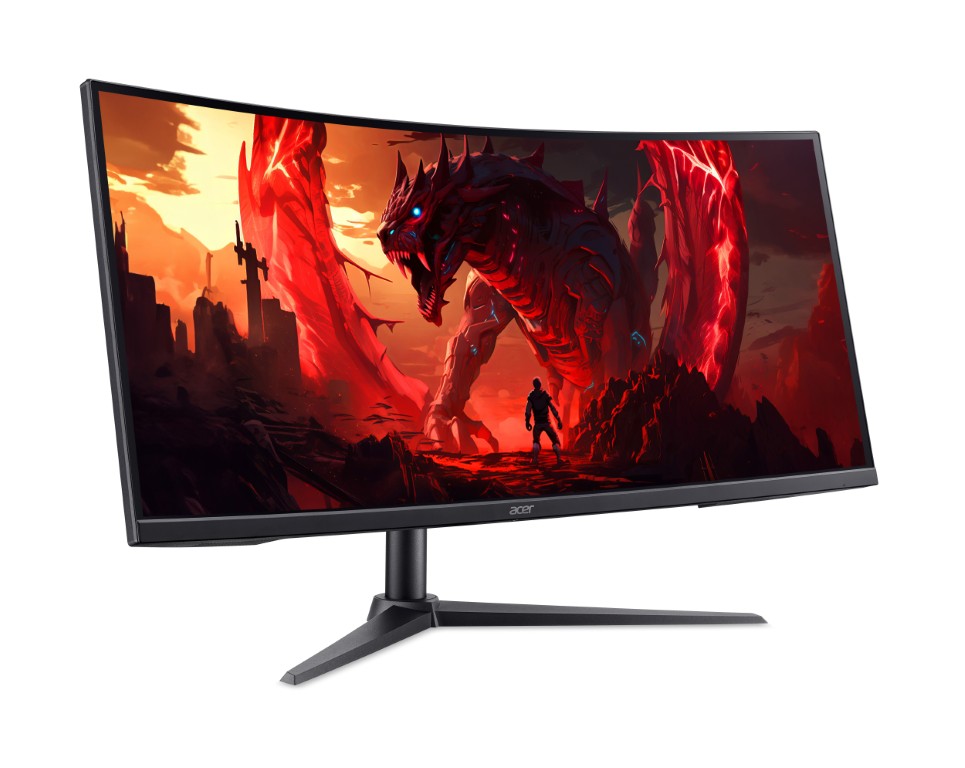
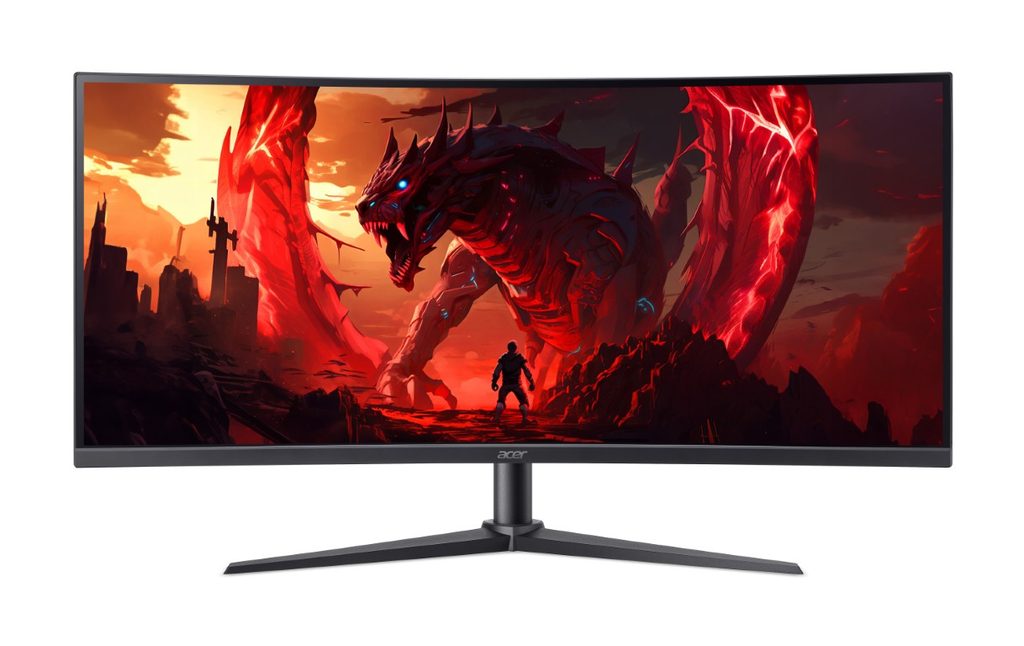
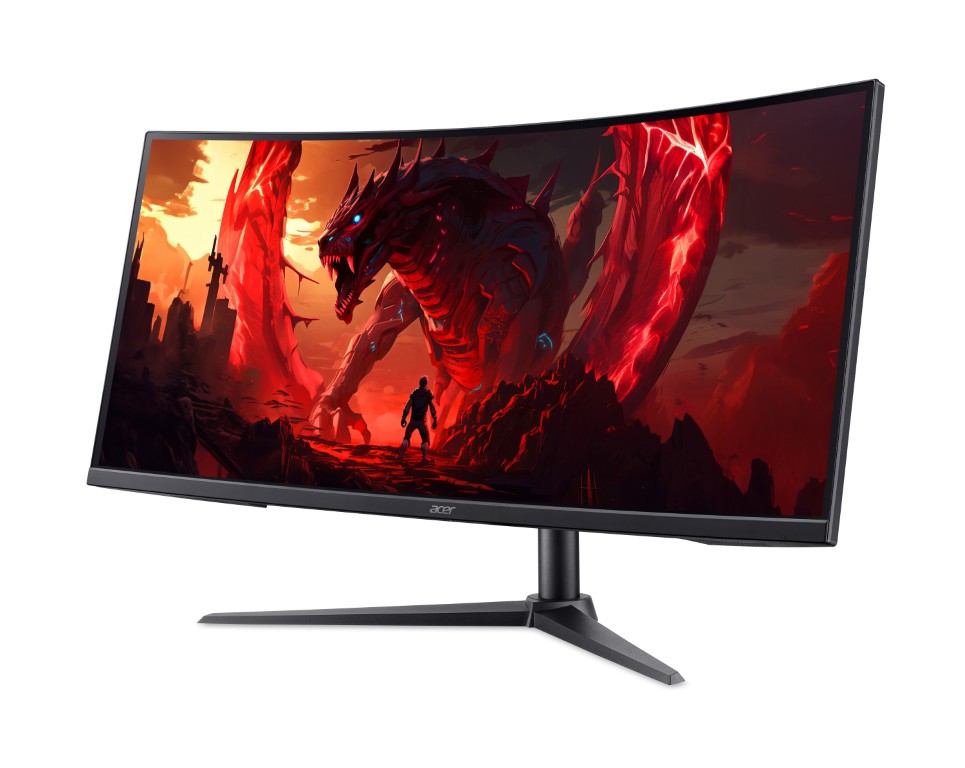
Pricing is genuinely competitive — $329 / EUR 329 for the XV275U Z2 and $299 / EUR 299 / RMB 1,999 for the XV270U Z3, both Q4 2026 (XV275U Z2) and Q1 2027 (XV270U Z3). Rounding out the lineup is the 34-inch curved Nitro XZ340CKR P, a WUHD ultrawide at 180 Hz baseline that can push to 360 Hz at WFHD resolution for sim racing, plus a $449 Predator XB273K V7 4K IPS panel with dual-mode DFR up to FHD 500 Hz.
Our Take
The XB253Q U1’s 1000 Hz refresh is more than a marketing stunt — it’s a forcing function that pushes GPU makers, peripheral makers, and game engine developers to think about frame-perfect delivery at the millisecond level. For competitive players, this is the new ceiling. For everyone else, the QD-OLED Penta Tandem X32 V3 at $899 is arguably the more pragmatic buy: OLED contrast, true blacks, 180 Hz, and HDR True Black 400 at mainstream pricing.
What we’re watching closely is whether the 2304-zone Mini LED backlight tech trickles down into Acer’s midrange within 12-18 months. Right now it’s locked to the $1,199+ Nitro XV275X P and the $1,299 PE270X P — both excellent but priced out of reach for hobbyist creators. If Acer follows its usual pattern, expect a stripped-down version in 2027. For now, this IFA 2026 lineup is the most complete gaming + creator monitor refresh we’ve seen from any single vendor in years.