
Acer Edu Summit Asia Pacific 2026 — Driving AI-Powered Education Across the Region

TLDR:

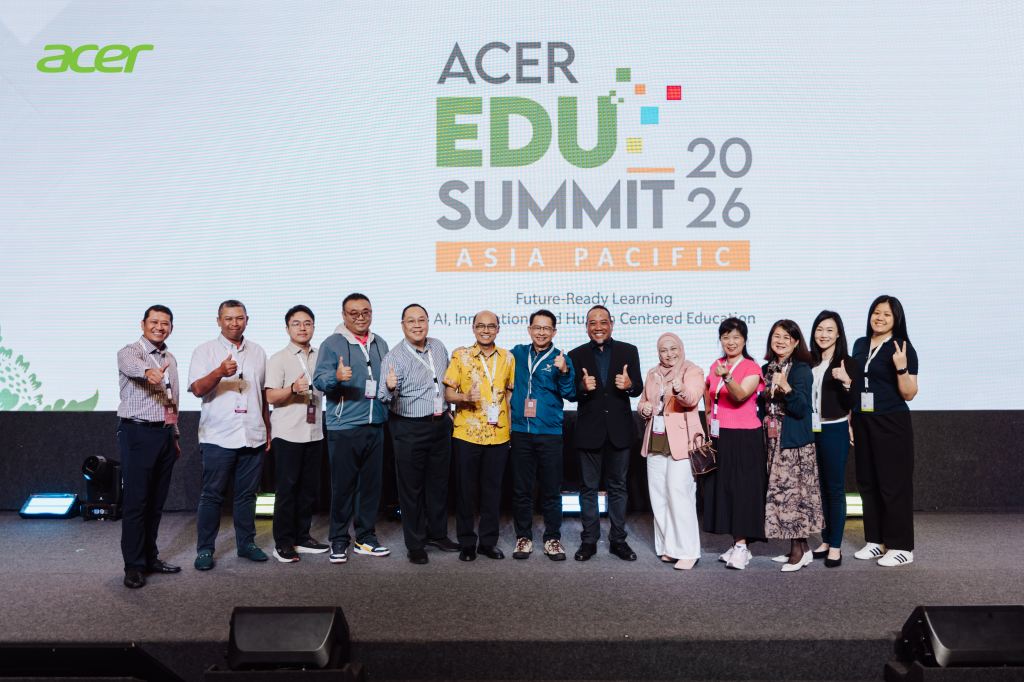
- Acer Edu Summit held in Jakarta April 22–23, bringing together 12 countries across Asia Pacific
- Theme: “Future-Ready Learning: AI, Innovation, and Human-Centered Education”
- MIT Media Lab’s City Science Group introduced Learning FAIR — AI-powered personalized, scalable learning
- Altos Computing showcased full-stack AI infrastructure with Altos BrainSphere R680 F7 AI server
- Acer highlighted Copilot+ PCs including TravelMate P4 Spin 14 AI, TravelMate P4 14 AI, and TravelMate P2 AI series
Shaping the Future of Education Through Technology
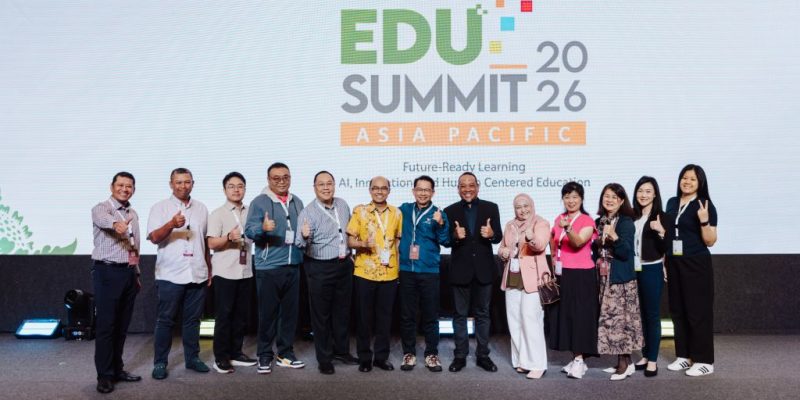
Acer concluded its Edu Summit Asia Pacific 2026 in Jakarta, reinforcing the company’s commitment to advancing education across the region as artificial intelligence reshapes the future of learning. The two-day summit gathered education stakeholders from Australia, Hong Kong, India, Indonesia, Malaysia, Singapore, Sri Lanka, South Korea, Taiwan, Thailand, the Philippines, and Vietnam — reinforcing Indonesia’s role as a key market in Acer’s digital education ecosystem.
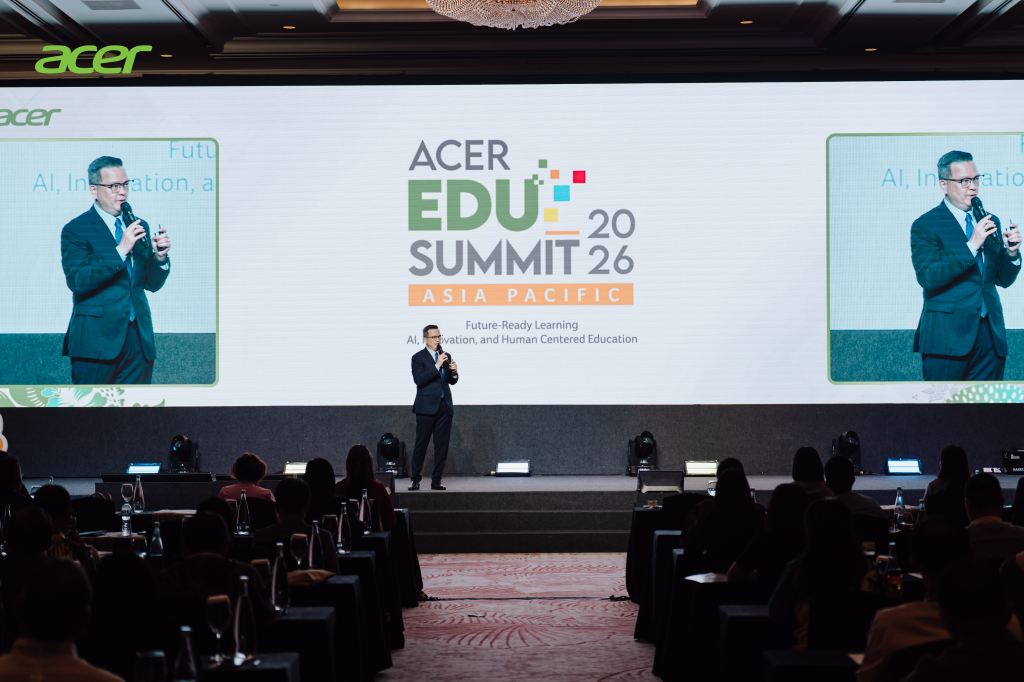
“Meaningful transformation happens when innovation is guided by human needs,” said Andrew Hou, President of Pan Asia Pacific Operations at Acer Inc. “This summit is part of our continuous efforts to empower educators, institutions, and policymakers to build an inclusive, future-ready learning ecosystem across the region.”
Collaboration Forum for Adaptive and Sustainable Education
The summit brought together discussion sessions, presentations, and knowledge-sharing forums exploring how AI can be effectively integrated into education. Key topics included personalized learning, digital literacy enhancement, and the evolving role of educators alongside technological innovation. The event emphasized a human-centered approach where technology and educators work in harmony to build a more inclusive, adaptive, and sustainable education system.
This year’s standout feature was the MIT Media Lab’s City Science Group introduction of Learning Foundry for AI and Robotics (FAIR). Dr. Michael Lin from MIT and Dr. Wolfgang Gruel from Stuttgart Media University demonstrated how Learning FAIR leverages AI to enable personalized, scalable learning while better preparing students for real-world urban challenges. Their session explored how emerging technologies reshape education and empower learners to address practical urban problems.
Regional Perspectives on AI in Education
The summit gathered diverse viewpoints through sessions led by academics and industry leaders across the region. Jun-Yu Fan, President of Chang Gung University of Science and Technology, presented “The Algorithm of the Nursing Soul” — a roadmap for pedagogical transformation illustrating the shift from rote learning to AI-enhanced clinical insight. This approach reflects growing recognition that AI should augment human expertise rather than replace the critical thinking that forms the foundation of professional education.
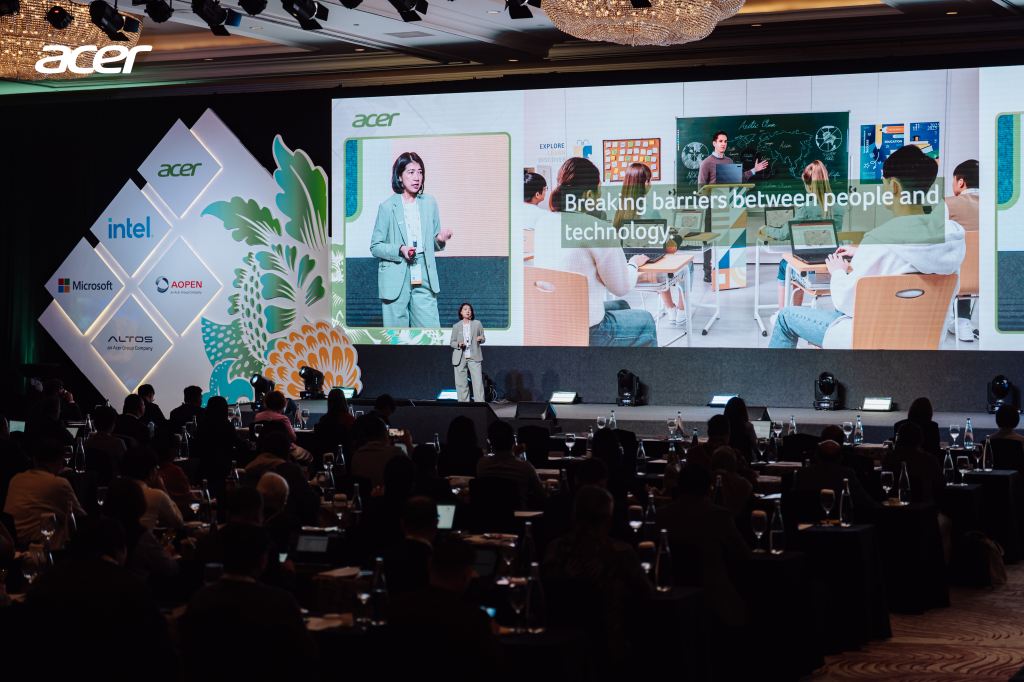
Charles Le, AI Solutions Senior Manager at Altos Computing, addressed the infrastructure imperative for AI adoption in educational institutions. His session highlighted that effective AI integration requires robust backend systems capable of supporting the computational demands of modern AI workloads.
Altos Computing AI Infrastructure on Display
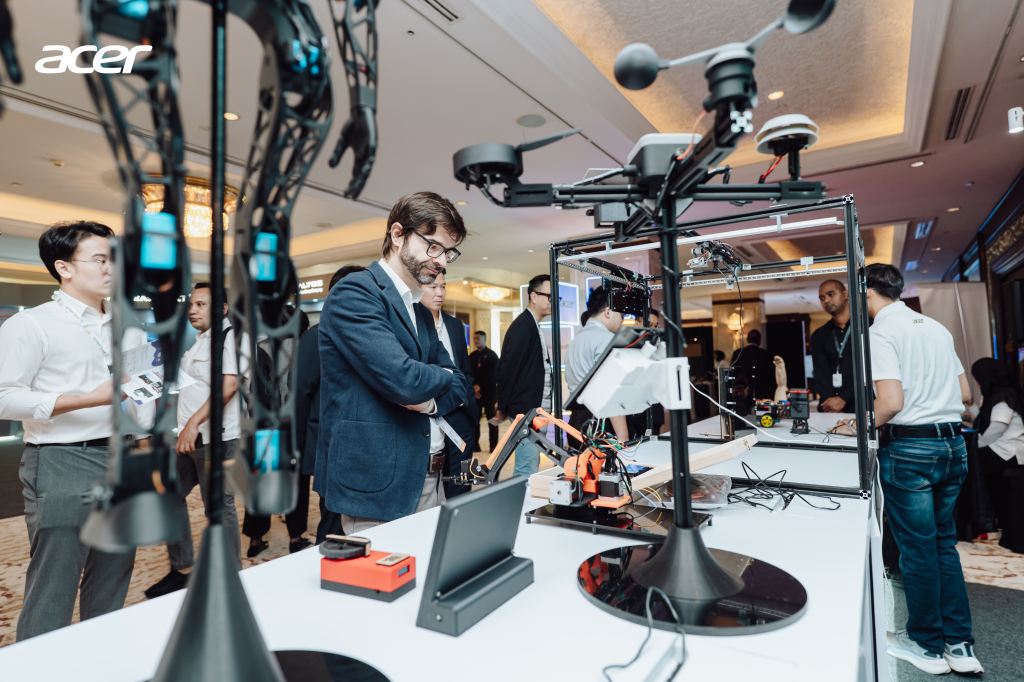
Altos Computing demonstrated its full-stack AI infrastructure at the summit, headlined by the high-performance Altos BrainSphere R680 F7 AI server alongside the P330 F6 SE, P130 F10, and GB10 F1 AI Workstations. The Altos aiWorks GPU resource management platform optimizes GPU allocation across workloads while the Altos aiGeni AI deployment platform streamlines the entire AI lifecycle from development through production deployment.
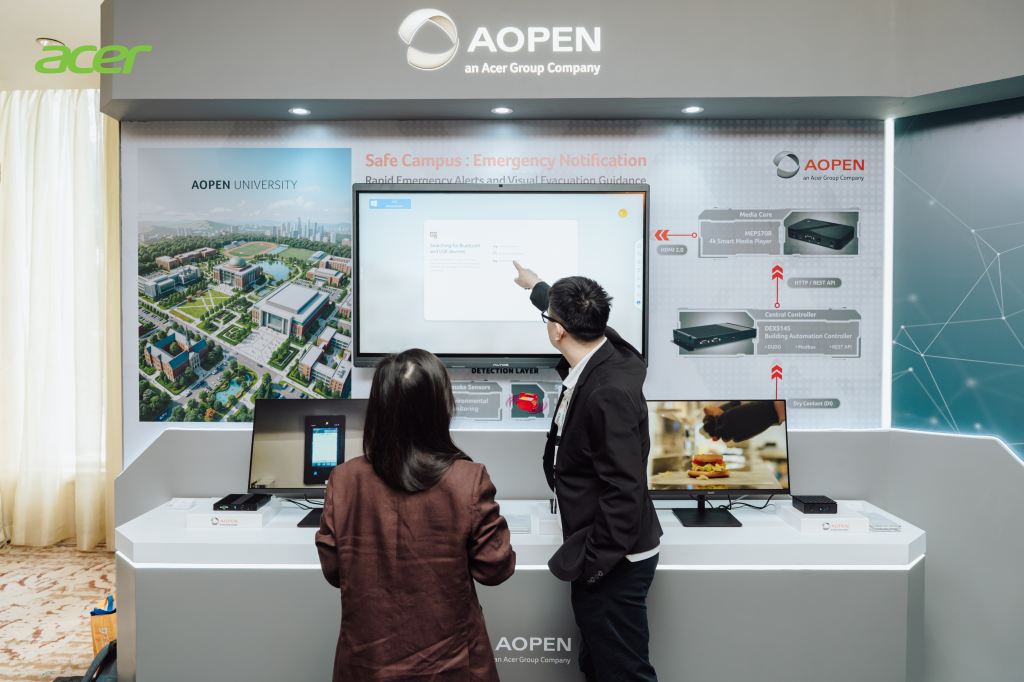
A notable integration announced was the incorporation of OpenClaw to accelerate Enterprise Agentic AI adoption — enabling institutions to bridge the gap between infrastructure setup and seamless deployment of autonomous AI agents. This partnership positions Altos as a comprehensive solution for educational institutions looking to move beyond experimental AI toward operational deployment.
Acer Copilot+ PCs for Modern Classrooms
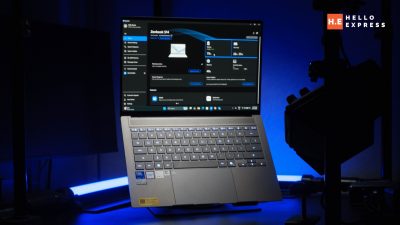
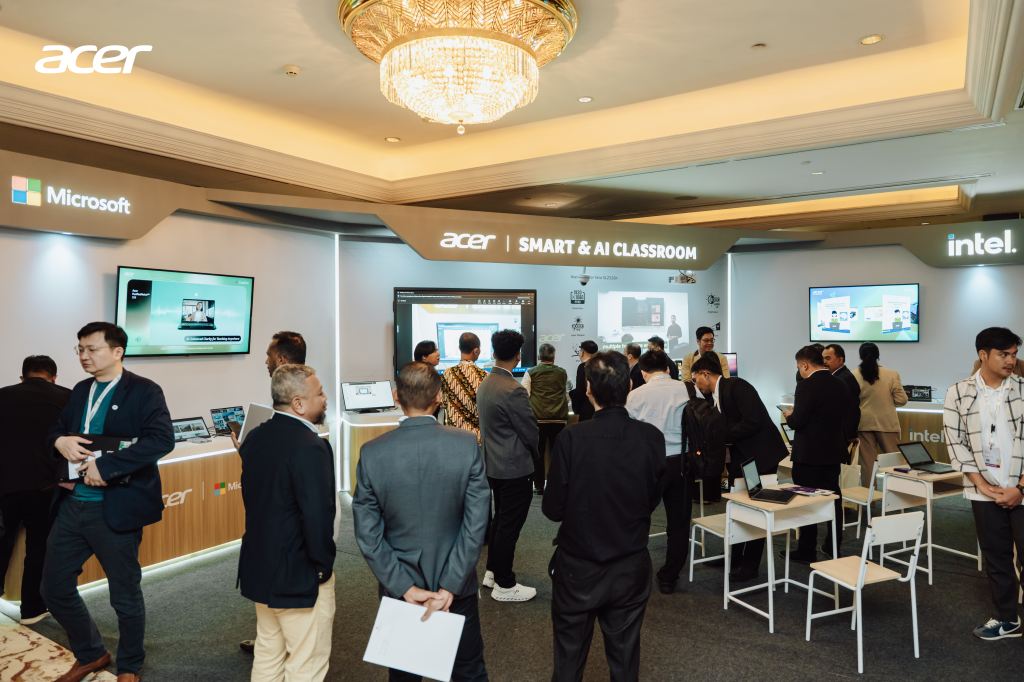
Acer showcased its latest Copilot+ PCs powered by Intel Core Ultra Series 3 processors, targeting modern classroom environments. The TravelMate P4 Spin 14 AI features a touchscreen and stylus for interactive classroom activities, enabling more dynamic engagement between students and learning materials. The TravelMate P4 14 AI and TravelMate P2 AI series offer reliable performance and extended battery life for all-day use in educational settings.
These devices represent Acer’s push to make AI-capable hardware accessible in institutional procurement contexts where durability, manageability, and total cost of ownership matter more than raw specifications. The TravelMate line’s focus on business and education markets positions these Copilot+ PCs as practical tools rather than flagship showcases.
Building an Inclusive, Future-Ready Learning Ecosystem
The Acer Edu Summit Asia Pacific 2026 forms part of Acer’s ongoing efforts to create collaboration opportunities between education, technology, and public policy stakeholders. The human-centered approach emphasized throughout the event signals Acer’s understanding that technology adoption in education requires buy-in from educators, administrators, and policymakers — not just technology enthusiasm from hardware vendors.
For Malaysian institutions, the summit’s themes align with Malaysia’s own digital education initiatives. The emphasis on human-centered AI adoption mirrors the Ministry of Education’s approach to integrating technology in schools while preserving the role of teachers as facilitators rather than technology operators.
Our Take
The Acer Edu Summit reflects a maturing conversation in educational technology — moving beyond what AI can do toward how AI should be implemented in learning environments. The human-centered framing is deliberate: educators and policymakers remain skeptical of technology-first solutions that treat classrooms as implementation environments for vendor products.
The MIT Media Lab’s Learning FAIR represents genuinely interesting work in personalized learning at scale. The challenge historically has been translating research prototypes into deployable solutions that institutions can actually operationalize without dedicated technical teams. If Acer’s summit creates genuine partnerships between MIT’s research capabilities and regional educational institutions, the outcomes could be more substantive than typical vendor marketing events.
For Malaysian schools and universities, the practical takeaway centers on infrastructure readiness. Altos Computing’s demonstration of enterprise-grade AI infrastructure suggests the conversation has shifted from whether institutions should adopt AI to how they build the technical foundation necessary for sustainable deployment. The OpenClaw integration for agentic AI adoption is particularly relevant for institutions looking beyond static AI models toward autonomous agents that can handle routine tasks autonomously.
The presence of delegations from twelve countries indicates regional demand for AI education frameworks. Whether this translates into procurement decisions for Acer hardware depends on whether the company’s education-focused initiatives create genuine value propositions versus competing against similar offerings from Lenovo, Dell, and HP who serve the same institutional markets with comparable Copilot+ devices.