

Treasury Bonds Are No Longer Safe Havens — Your Paycheck and Retirement Are at Risk

TLDR:

- Safe Haven Status Compromised: U.S. Treasury bonds — long considered the world’s most stable asset — lost their safe haven status during the Iran conflict that began February 28, 2026, with investors selling rather than buying.
- Steep Losses in Short Time: The 10-year Treasury yield jumped from 3.97% to 4.44% in under a month, causing bond prices to drop nearly 4% — wiping out roughly one year of interest income.
- Inflation the Key Threat: Unlike financial crises, the Iran conflict carries energy and inflation implications that have investors demanding higher yields, putting long-duration bondholders at risk.
- Malaysian Investors Beware: Those with exposure to U.S. bond funds or Treasury ETFs face both duration and currency risk. Review duration profiles and consider shorter-dated instruments.
The End of a 30-Year Assumption
For decades, investors have treated U.S. Treasury bonds as the bedrock of financial safety. Every global crisis, every market panic — the playbook was the same: buy Treasurys, wait for prices to rise, collect the returns. That assumption held firm through the 2008 financial crisis, through a global pandemic, through political upheaval on multiple continents. But a dramatic shift is underway, and it is turning decades of investment wisdom upside down.
The Iran conflict that erupted in late February 2026 has exposed a vulnerability that bond investors never had to contend with before: rapid, decisive selling of U.S. government debt. Unlike previous crises where capital rushed into Treasurys as a safe haven, this time the opposite happened. Investors offloaded their holdings almost immediately, pushing yields sharply higher and bond prices correspondingly lower.
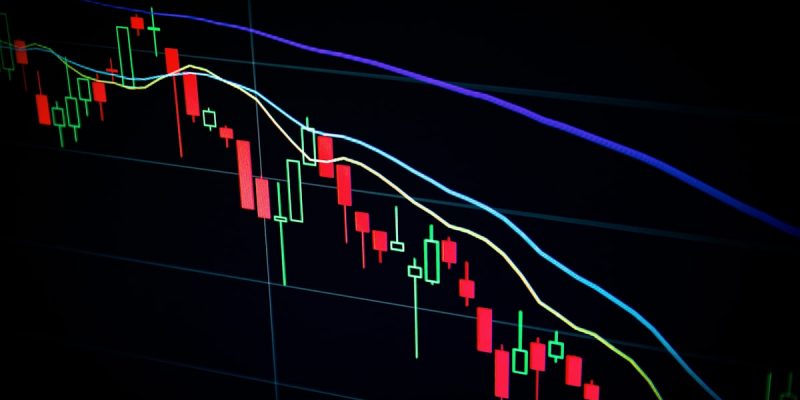
The numbers are stark. On February 28, when the Iran attacks began, the yield on the 10-year U.S. Treasury sat at 3.97%. By March 16, that figure had climbed to 4.23%. By March 27, it reached 4.44%. That is an increase of nearly half a percentage point in less than one month — a move that would typically take months or even years in calmer market conditions.
What Half a Percentage Point Actually Means for Bondholders
The mathematics of bond investing can be unforgiving, especially for those who thought they were playing it safe. When Treasury yields rise, bond prices fall — and the longer the duration of the bond, the more sensitive it becomes to interest rate changes. For a 10-year Treasury bond with a duration of approximately 8.4 years, that half-percentage-point jump translates to a loss of nearly 4% of the bond’s value in under 30 days. To put that in concrete terms: bondholders effectively wiped out roughly one full year of interest income in a single month.
This is not a small correction. This is a structural break from historical norms. For retirees who shifted allocations toward bonds expecting stability, or for conservative investors who thought Treasurys would cushion their portfolios during turbulent times, the lesson is painful. The safety they purchased was illusory when tested by a new type of geopolitical event.
Why This Time Is Different
The Iran conflict represents a different category of risk than the financial crises of recent decades. Those were system-level economic events — banks failing, credit freezing, demand collapsing — where the logical response was to flee toward the relative safety of government debt. The Iran situation, however, carries energy implications that directly threaten inflation expectations. Oil supply disruptions, geopolitical uncertainty in a critical region, and the potential for price shocks all factor into how investors now view the inflation outlook.
Inflation is the silent killer of bond returns. When investors anticipate higher inflation ahead, they demand higher yields to compensate. That is exactly what we are seeing unfold. The market is repricing the risk that the Federal Reserve may struggle to keep inflation in check amid a geopolitical energy shock, which means yields must rise to attract buyers — even as bond prices fall in the meantime.
The Safe Haven Premise Undermined
The implications extend well beyond the bond market itself. If U.S. Treasurys can no longer be relied upon as the default safe asset during every crisis, portfolio construction for millions of investors needs to be reconsidered. The traditional 60/40 stock-bond split assumes bonds rise when stocks fall, providing ballast during drawdowns. That mechanism now appears weakened, at least when the crisis involves energy and inflation rather than credit and liquidity.
Gold, commodities, and assets with intrinsic utility value may increasingly fill the safe haven role that Treasurys once dominated. Short-duration bonds and inflation-protected securities also deserve a closer look. The old playbook of simply buying Treasurys during uncertainty may need a major revision.
What This Means for Malaysian Investors
Malaysian investors with exposure to U.S. bond funds or Treasury exchange-traded funds should pay close attention. A weakening dollar bond position not only carries duration risk but also currency exposure that can amplify losses. Those holding ringgit-denominated instruments linked to external fixed-income markets should review their duration profiles and consider whether short-dated instruments better suit the current environment.
The assumption that government bonds from developed markets are inherently safe has been challenged. Like any asset class, bonds carry risks — and those risks can materialize quickly when geopolitical circumstances change. Diversification across asset classes, geographies, and duration profiles is no longer optional advice. It is a necessity.
Our Take
The Iran conflict may prove to be a turning point for global bond markets. For 30 years, U.S. Treasurys have been the refuge of choice during times of crisis. Investors bought them without much thought, and the market rewarded that faith with consistent returns and falling yields. That era may be ending not with a financial crisis but with a geopolitical event that carries entirely different implications for inflation and interest rates.
The practical advice for investors is uncomfortable: what felt safe may now carry hidden risk. Long-duration bonds, in particular, are vulnerable to exactly the kind of yield moves we are seeing now. If geopolitical tensions remain elevated, it is reasonable to expect yields will stay elevated — and bond prices will remain under pressure. Holding on and waiting for a recovery assumes the old rules still apply. That is a bet that is looking increasingly risky.
For Malaysian investors reviewing their portfolios, now is the time to stress-test bond allocations. Not against normal market conditions, but against the possibility that safe havens no longer behave the way textbooks describe. The world changed on February 28, 2026. Whether your investment strategy has caught up is a question worth answering soon.
Source: