

Diesel Price Hike Squeezes Malaysian Supply Chain — Tofu and Soya Product Prices Rise in KL

TLDR:

- Diesel price increase putting pressure on Malaysian supply chain costs
- Tofu and soya product prices rising in Kuala Lumpur and surrounding areas
- Logistics companies passing increased fuel costs to consumers
- Small F&B businesses most vulnerable to margin compression
- Consumer goods sector adjusting pricing to maintain operations
Cost Pressures Mount for Malaysian Food Businesses

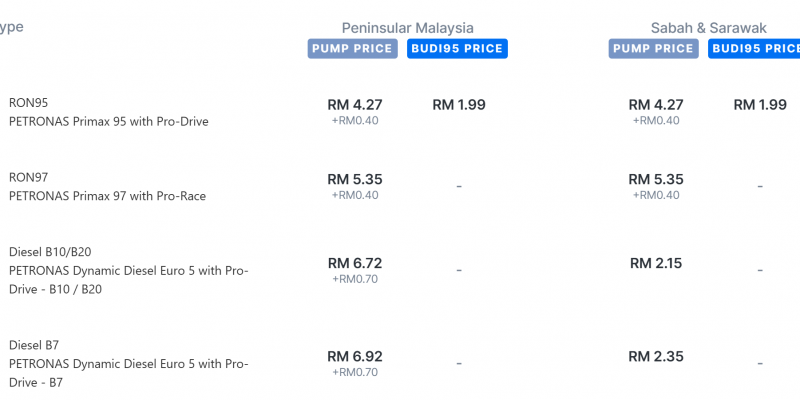
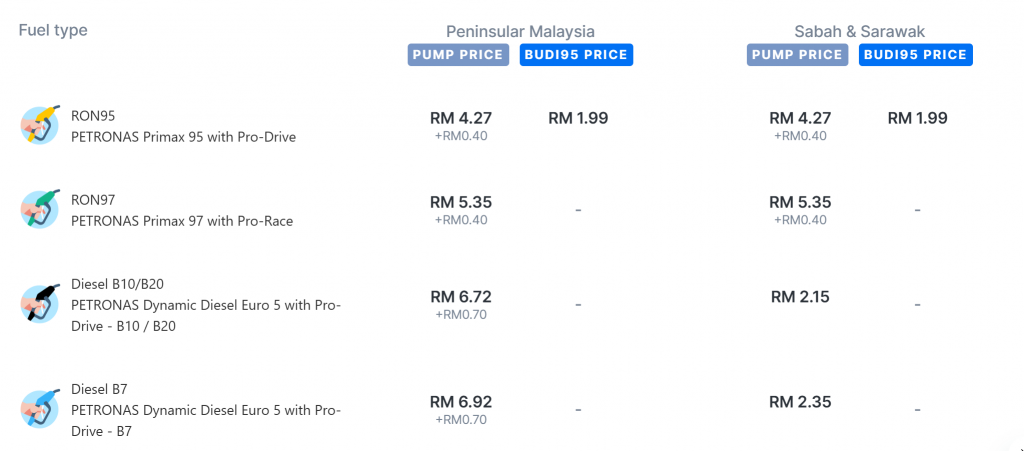
The recent diesel price adjustment is creating a ripple effect through Malaysia’s food supply chain, with tofu and soya product prices rising in Kuala Lumpur and surrounding areas. Small-scale producers and distributors are finding it increasingly difficult to absorb the increased fuel costs, forcing them to pass expenses down to consumers.
For businesses that rely on transportation — from raw ingredient suppliers to finished product distributors — the diesel price change represents a direct hit to operating costs. Unlike large retailers with established logistics contracts, small food producers have less ability to hedge fuel costs and fewer options for efficiency improvements.
How Supply Chain Costs Multiply
The impact of fuel price increases on food products isn’t linear. A small increase at the transportation level compounds through each stage of the supply chain:
Production phase — Soybean farmers and tofu manufacturers face higher input costs for fuel to run processing equipment and maintain cold storage facilities.
Distribution phase — Cold chain logistics operators, who require diesel for refrigerated vehicles, pass increased costs to wholesalers and retailers.
Retail phase — Final price adjustments at wet markets and grocery stores reflect the cumulative pressure from all previous stages.
The result is that a diesel price change that might seem modest at the pump translates to noticeable price increases for processed food products — even before accounting for other inflationary pressures on ingredients and packaging.
Small Businesses Bear the Brunt
Small and medium F&B businesses in Kuala Lumpur are particularly vulnerable to these cost pressures. Unlike large food manufacturers with established supplier contracts and logistics arrangements, small tofu producers and soya product makers typically operate on thin margins with limited ability to absorb additional costs.
The competitive dynamics of the market also constrain pricing power. When larger competitors can absorb more of the fuel cost increase, smaller players face a difficult choice: absorb the margin compression or pass costs to price-sensitive consumers who may switch to alternatives.
Broader Economic Context
Diesel pricing affects far more than just food products. It impacts:
- Public transportation costs (buses, vans, ride-hailing)
- Agricultural logistics (fertilizer, equipment, crop transport)
- Construction material delivery
- Last-mile delivery services
The cumulative effect of these increases contributes to broader inflationary pressure in the economy. For Malaysian households, the practical impact shows up in grocery bills, food court prices, and restaurant menus — all areas where consumers are already feeling the strain of rising costs.
Consumer Response
Price-sensitive consumers in KL are adjusting purchasing behavior in response to food price increases. Some are:
Trading down — Shifting from premium brands to more affordable alternatives
Reducing quantities — Buying smaller portions or fewer processed foods
Changing suppliers — Moving from specialty stores to lower-cost wet markets
Reducing waste — Buying only what’s needed to avoid additional trips
These behavioral shifts indicate that food price increases aren’t just theoretical — they’re changing actual consumption patterns.
Our Take
Diesel price adjustments don’t happen in isolation. The impact on tofu and soya products in Kuala Lumpur represents the visible tip of a broader supply chain adjustment that affects nearly everything consumers buy.
For Malaysian households, this is another reminder that food costs are influenced by factors well beyond the ingredients themselves — fuel, transportation, packaging, and logistics all contribute to what appears on price tags.
For food businesses, fuel cost management is becoming increasingly important. Some operators are exploring:
- Route optimization to reduce fuel consumption
- Bulk purchasing to reduce delivery frequency
- Alternative fuel options (EV logistics where viable)
- Supplier consolidation to reduce distribution points
The ability of small food producers to adapt to these pressures will determine which businesses survive and grow — and which consumers ultimately pay more for basic necessities.
Source: