
HDMI 2.0 vs HDMI 2.1 — What Malaysian TV Buyers Actually Need to Know

Table of Contents

Walk into any electronics store in Malaysia and HDMI will appear on almost every TV spec sheet. What almost never appears is a clear explanation of what the version number actually determines, why it matters, and whether it matters for your specific use case. This is that explanation.
What HDMI Version Actually Determines
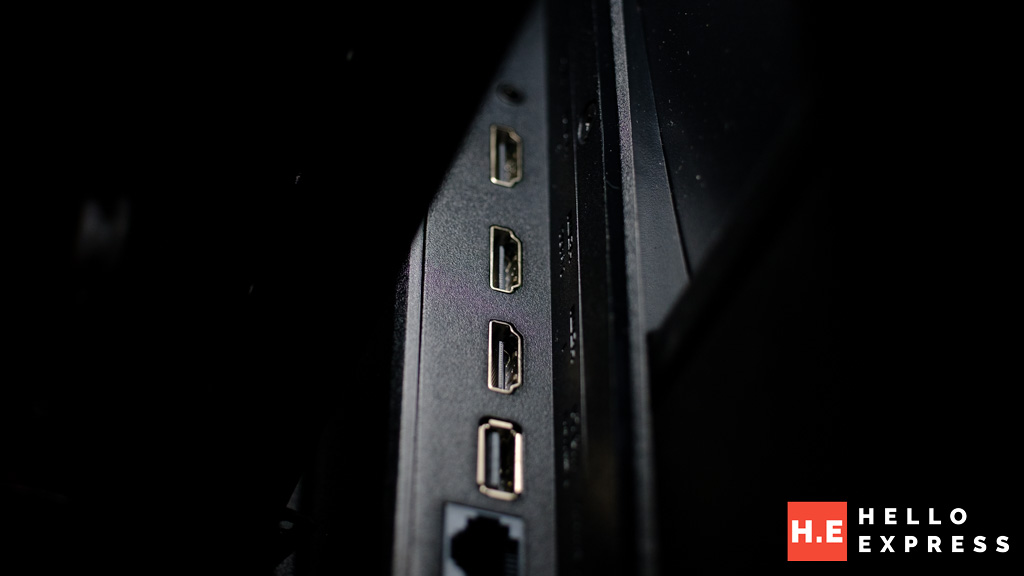
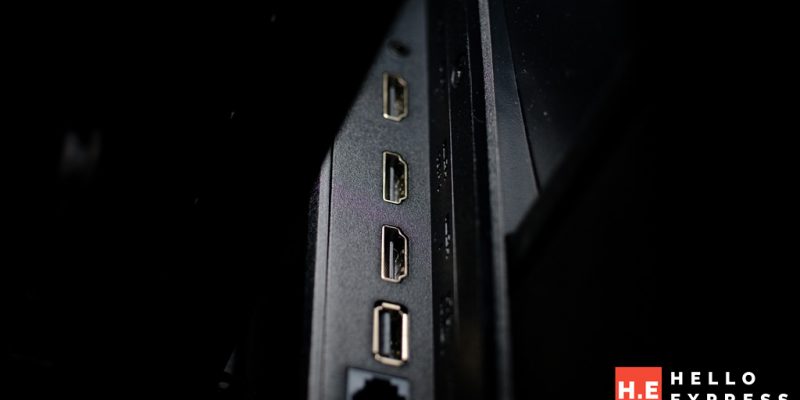
HDMI version is not about picture quality. It is about bandwidth — the size of the data pipe between your source device and your TV. Think of it as a road: a wider road carries more traffic simultaneously. The version number tells you how wide that road is. Everything else — colour accuracy, brightness, HDR processing — is determined by the TV’s panel and processing chips. The HDMI port is the delivery mechanism. If the road is too narrow, the signal you want to deliver will not fit.
HDMI 2.0: Standard on Most TVs Under RM2,000
HDMI 2.0 carries 18 gigabits per second (Gbps) of bandwidth. That is enough to deliver 4K resolution at 60 frames per second — covering every streaming service, Blu-ray disc, and broadcast signal available today. For the overwhelming majority of Malaysian TV viewing, HDMI 2.0 is entirely sufficient.
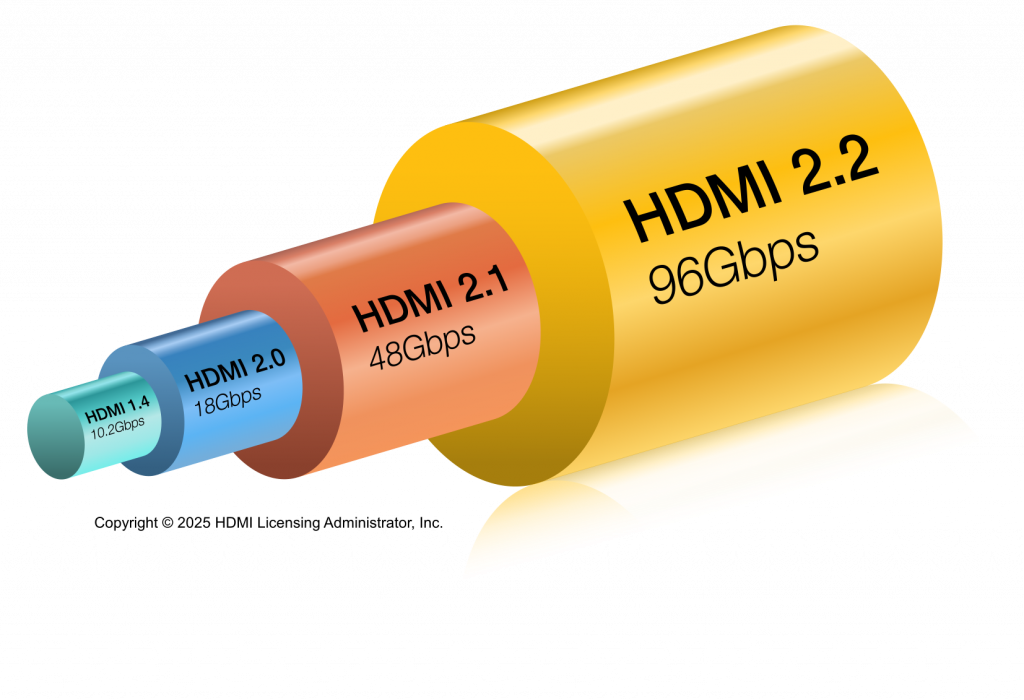
Where HDMI 2.0 reaches its limit: 4K resolution at 120 frames per second simultaneously. The 18Gbps pipe cannot carry both. This is where gaming enters the conversation.
HDMI 2.1: Required for Next-Gen Gaming, Unnecessary for Almost Everything Else
HDMI 2.1 carries 48Gbps — nearly three times HDMI 2.0’s bandwidth. Its primary purpose is delivering 4K resolution at 120fps simultaneously, which is the maximum capability of the PlayStation 5 Pro and Xbox Series X. It also enables Variable Refresh Rate (VRR), which reduces screen tearing in games.
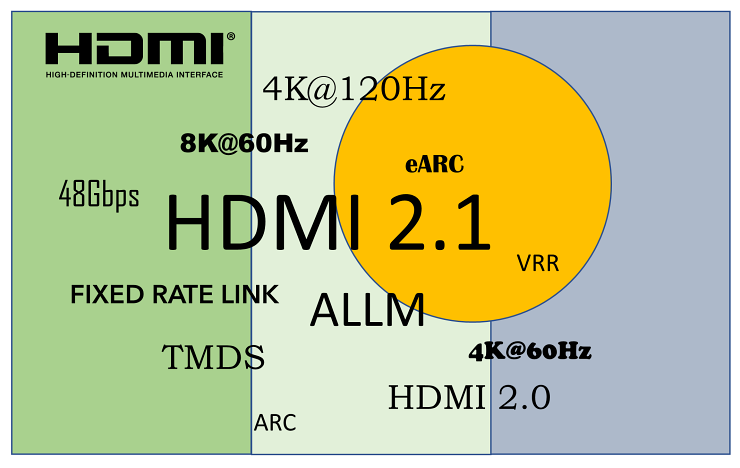
If you do not own a PS5 Pro or Xbox Series X — or if you game primarily at 1080p — HDMI 2.1 provides no practical benefit for your current use case. The bandwidth you pay for in a TV that includes it goes unused.
The Back-Porting Trick You Should Know About
TV marketing gets genuinely confusing here. Several years ago, the HDMI Licensing Administrator began allowing manufacturers to implement specific HDMI 2.1 software features on HDMI 2.0 hardware. A port can carry the label ‘eARC’ or ‘ALLM’ and still be physically limited to 18Gbps.
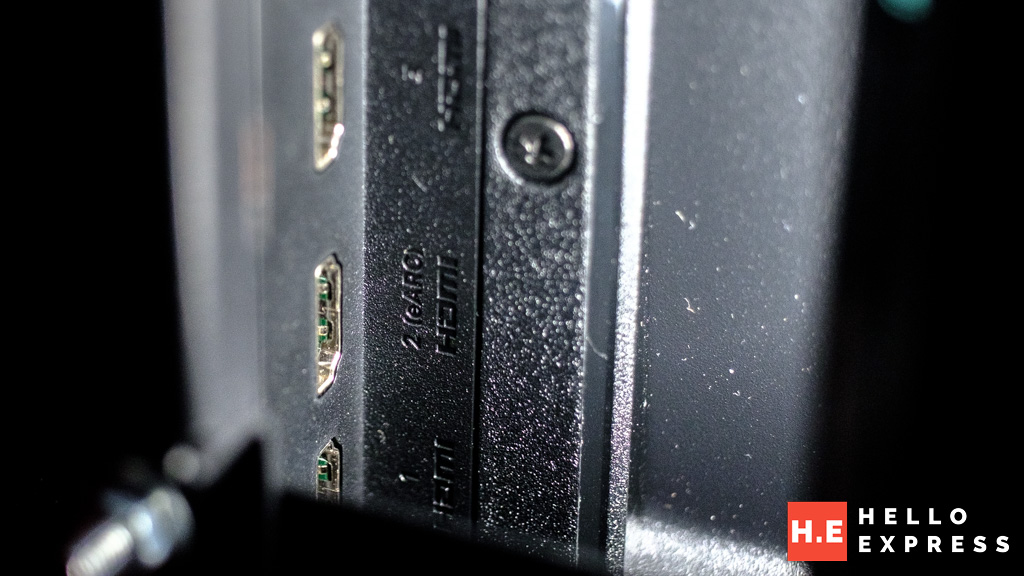
These features are real and useful — eARC enables lossless audio passthrough to a soundbar, ALLM automatically switches the TV into game mode when a console is detected. But their presence does not indicate HDMI 2.1 hardware. It indicates that the manufacturer has licensed specific software features for their HDMI 2.0 chipset. This is legitimate cost management at budget price points. It is not deceptive — but it is routinely misrepresented in marketing language.
The Smoking Gun: How 120Hz Behaviour Reveals the Port Version
Manufacturers are not required to label HDMI port versions on budget televisions, and most do not. The Xiaomi TV A Pro 55″ does not label its ports by version. But the 120Hz behaviour tells you everything.
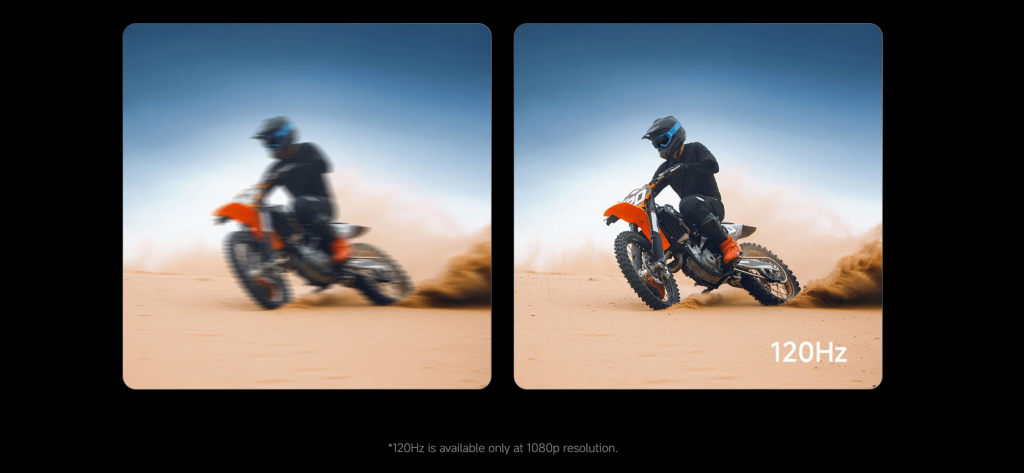
4K at 120fps requires approximately 40Gbps. HDMI 2.1 at 48Gbps handles it comfortably. HDMI 2.0 at 18Gbps cannot. When a TV offers 120Hz but only at 1080p — stepping down from the native 4K resolution — it is working around the 18Gbps ceiling by reducing the resolution until the signal fits through the narrower pipe. This step-down is a definitive HDMI 2.0 indicator, regardless of what other features the port advertises.
What You Actually Need
- Streaming, family content, news, local Malaysian TV — HDMI 2.0 is completely sufficient. You will never encounter its limits.
- Console gaming at 1080p or 4K/60fps — HDMI 2.0 handles this without issue.
- PS5 Pro or Xbox Series X at 4K/120fps — HDMI 2.1 is required. Budget TVs under RM2,000 generally do not have it.
- PC gaming with a high-refresh GPU — HDMI 2.1 or DisplayPort depending on your monitor.
For most Malaysian households, HDMI 2.0 covers every real use case. The premium for HDMI 2.1 is worth paying only when you have confirmed hardware that exploits it. Buying a TV with HDMI 2.1 without a next-gen console is paying for road width you will never use.
For the full review of the TV we test on, Xiaomi TV A Pro 55″, check out the link below: