
Samsung Foundry Wins AMD Chip Manufacturing Contract — HBM4 Deal Opens New Era

TLDR:
- Samsung Electronics and AMD signed a landmark multi-year agreement covering both HBM4 memory and logic chip manufacturing
- AMD will use Samsung’s HBM4 chips in its next-generation flagship AI accelerators, marking a major win for Samsung’s memory division
- Samsung Foundry will manufacture AMD logic chips for the first time ever — breaking AMD’s sole dependency on TSMC
- Samsung is already riding high after securing a reported $16.5 billion Tesla 2nm deal and unveiling the Exynos 2600 as a proof-of-concept
Samsung and AMD Sign Historic Multi-Year Agreement
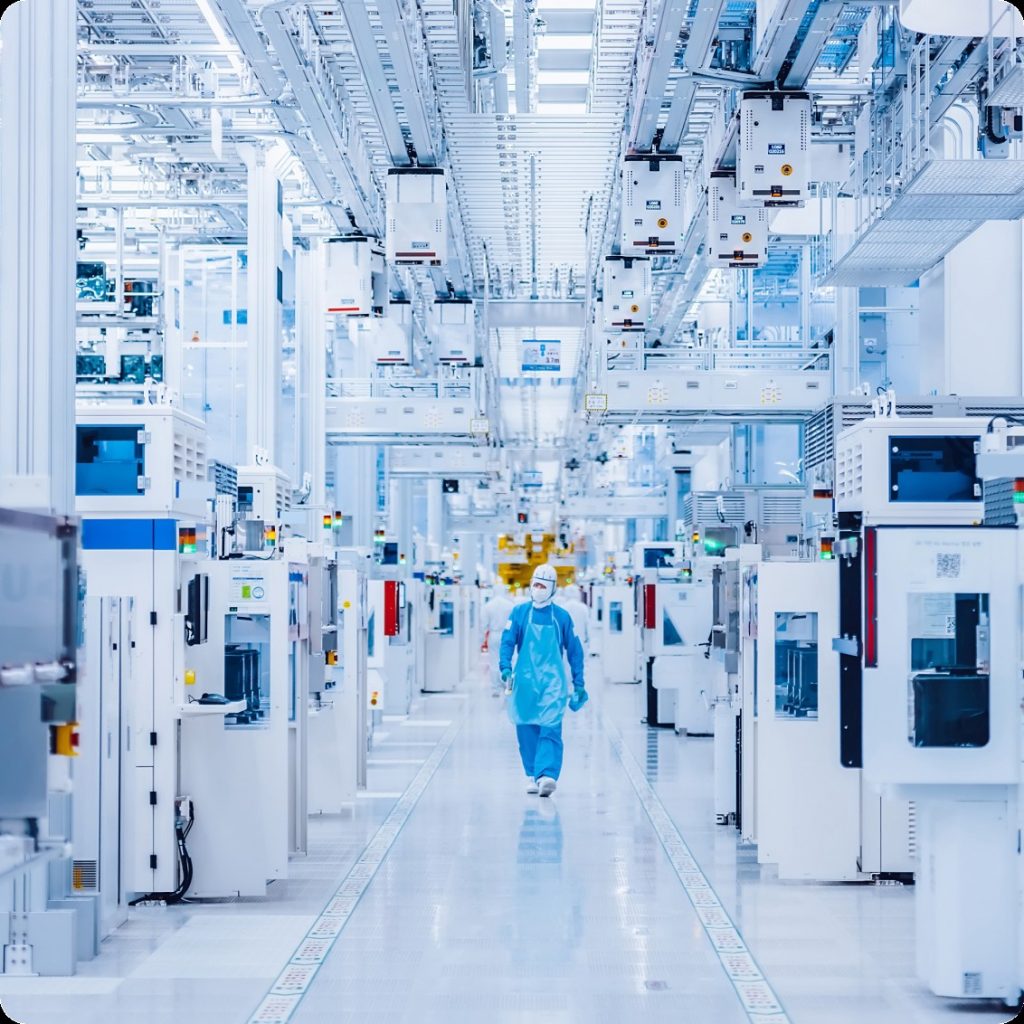
Samsung Electronics and AMD have officially entered into a landmark partnership that sent shockwaves through the semiconductor industry. The agreement, announced jointly by both companies, covers two critical fronts: Samsung will supply its next-generation HBM4 memory chips to AMD for use in upcoming AI accelerators, and — more surprisingly — Samsung Foundry will manufacture AMD logic chips for the first time in AMD’s history. This is not a minor supply deal. It is a strategic reshaping of the global chip supply chain.
For years, AMD has relied almost exclusively on TSMC to manufacture its processors, GPUs, and data centre chips. That single-source dependency gave TSMC enormous leverage over AMD’s production capacity and roadmap. Now, AMD is diversifying its manufacturing base for the first time, and Samsung — not Intel or anyone else — is the chosen partner. The deal signals that Samsung Foundry has finally reached a maturity level that AMD, a company known for its exacting standards, is willing to bet on.
HBM4: The Memory That Powers the AI Revolution
High Bandwidth Memory, or HBM, has become the backbone of modern AI accelerators. As large language models and generative AI applications scale exponentially, the memory subsystems inside GPUs and AI chips need to keep pace. HBM4 represents the next leap — offering significantly higher bandwidth, improved power efficiency, and larger capacity compared to current HBM3 and HBM3e standards.
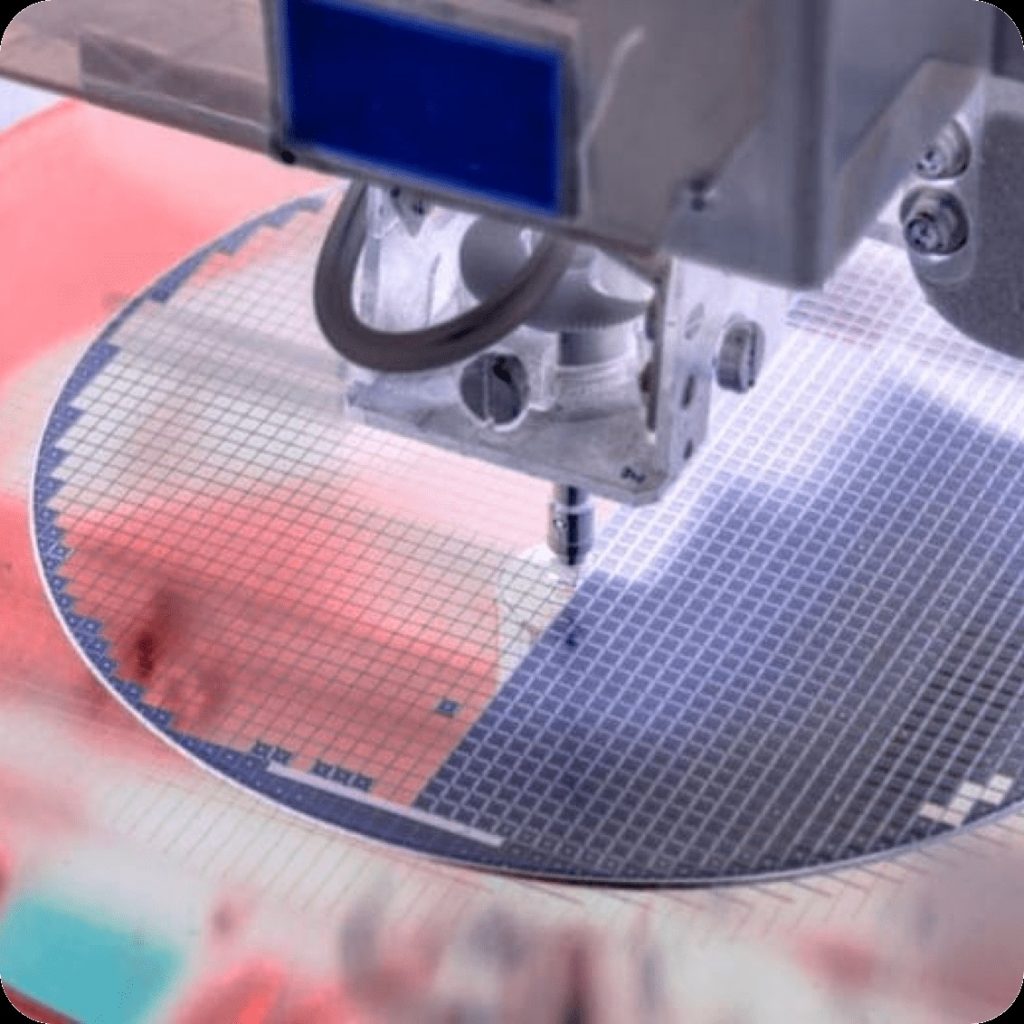
Samsung has been investing heavily in its HBM4 development, and this AMD deal is a major validation of that effort. By securing AMD as a customer for HBM4, Samsung Memory not only gains a prestigious client but also strengthens its competitive position against SK hynix, which currently dominates the HBM market with its close partnership with NVIDIA. Winning AMD’s HBM4 contract puts Samsung back in the race for AI memory leadership.
Samsung Foundry’s Return to Relevance
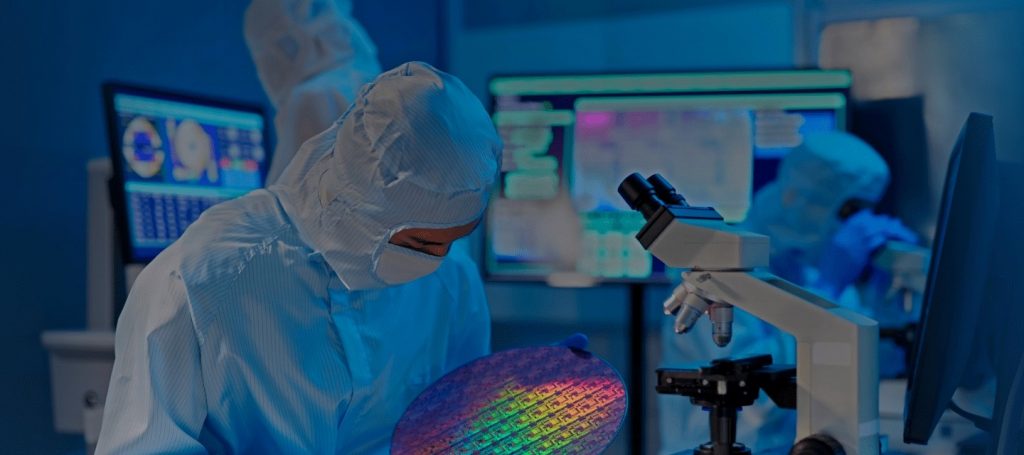
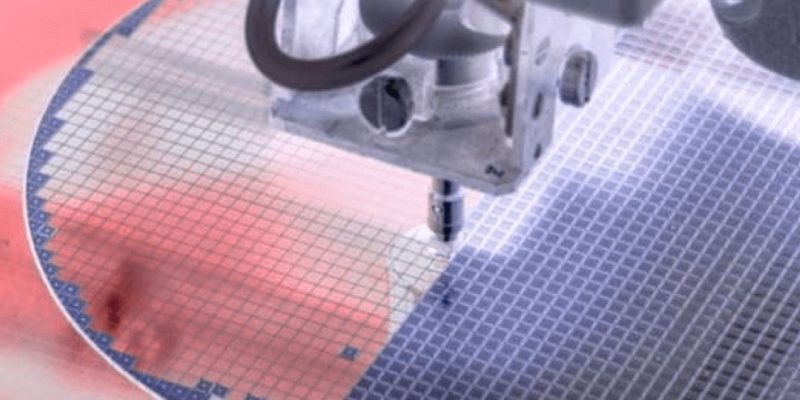
The logic chip manufacturing portion of the deal is arguably the bigger story. Samsung Foundry has had a complicated few years. While the company has long been a top-three contract chipmaker alongside TSMC and Intel Foundry Services, it has struggled with yield issues and failed to secure high-profile customers that could validate its advanced node capabilities. That narrative is now changing fast.
Samsung recently revealed that it had secured a reported $16.5 billion deal with Tesla to manufacture 2nm chips for the electric vehicle maker’s future autonomous driving hardware. That alone was a major vote of confidence. Now, adding AMD — one of the most respected chip designers in the world — to the client roster transforms Samsung Foundry from a manufacturer with potential into one with tangible momentum. The company also used the occasion to showcase the Exynos 2600 processor, built on its 2nm process, as a proof-of-concept for what its foundry can deliver. That chip serves as both a technical demonstration and a signal to the industry that Samsung’s advanced nodes are ready for prime time.
What This Means for Malaysia and Samsung Users
Samsung is not just a global tech giant — in Malaysia, it is the dominant smartphone brand, with Galaxy devices filling the pockets and bags of millions of Malaysians. For Malaysian readers, this deal carries more weight than it might appear at first glance. Samsung’s foundry business underpins the company’s ability to design and manufacture its own chips, including the Exynos processors that power various Galaxy devices.
A revived Samsung Foundry means Samsung can invest more aggressively in its own silicon roadmap, potentially leading to more powerful, more efficient, and more competitive devices in the future. It also reinforces Samsung’s position as a vertically integrated tech company — from memory and displays to logic chips and finished devices. For Malaysian consumers who buy Samsung products, this deal is a quiet signal that the brand’s technological foundation is strengthening, not weakening.
Our Take
This AMD-Samsung deal is one of the most significant semiconductor developments in recent memory — and it flies under the radar for most everyday consumers. On the surface, it looks like a business contract between two large companies. Scratch a little deeper, and you see a fundamental realignment of how AI-era chips get made.
AMD’s decision to split its manufacturing between TSMC and Samsung is a calculated risk. TSMC remains the gold standard for chip manufacturing, and AMD is not abandoning it — TSMC will almost certainly remain the primary manufacturer for AMD’s most demanding cores. But by bringing Samsung into the fold, AMD gains negotiating leverage, additional capacity for high-volume products, and a buffer against the kind of supply chain disruption that brought the industry to its knees during the 2020-2022 chip shortage.
For Samsung, this is validation after years of effort to make Foundry a credible alternative to TSMC. The Tesla deal was a signal. The AMD deal is proof. Malaysian readers should pay attention because Samsung’s resurgence in chip manufacturing ultimately flows back into the devices they use every day — from Galaxy smartphones to smart home hardware. A stronger Samsung foundry means a more self-reliant Samsung, and that is historically good for consumers who prefer Samsung ecosystems.