


Uber Founder Travis Kalanick Launches Robotics Company Atoms

TLDR:
- Former Uber CEO launches Atoms, a robotics company
- Atoms aims to build a “wheelbase for robots” platform
- Acquiring autonomous vehicle startup Pronto
- Expanding from food delivery into mining and transportation

Kalanick Returns with Atoms
Travis Kalanick, the former CEO of Uber, has launched a new robotics company called Atoms. The venture, which has exited stealth mode, aims to build a “wheelbase for robots” — a platform designed to power specialized machines rather than humanoid designs.


Atoms is acquiring Pronto, an autonomous vehicle startup founded by Anthony Levandowski. The company plans to expand beyond food delivery infrastructure into industries such as food service, mining, and transportation.
From Uber to Robotics
Kalanick’s move into robotics marks a significant pivot from his previous ventures. He previously ran CloudKitchens, a ghost-kitchen startup that will now be folded into Atoms.
In a manifesto published on Atoms’ website, Kalanick wrote: “When I told my friends, family, and colleagues about my plans for what was next, they were really excited that I was ‘coming back.’ The thing is, I never left.”
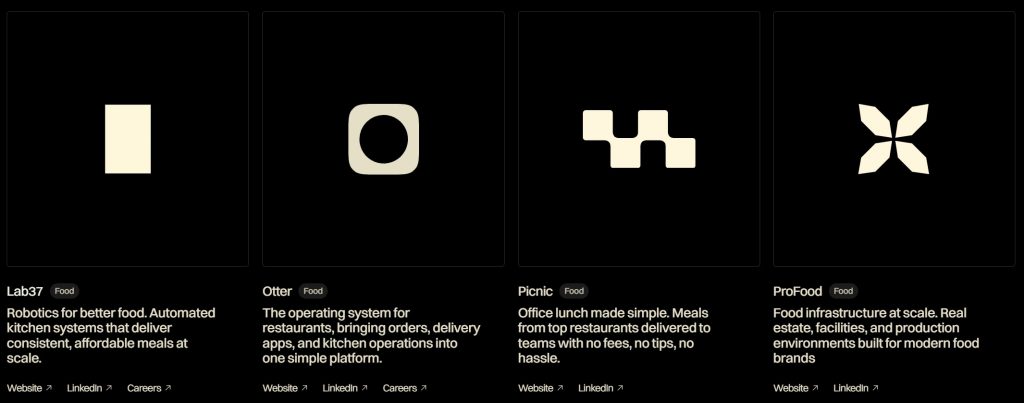
The company aims to create a platform for specialized industrial robots — not humanoid designs — focusing on practical applications across multiple industries.
What This Means for Malaysia
For Malaysia, Atoms’ focus on industrial robots could be relevant as the country automates its manufacturing and logistics sectors. The expertise gained from autonomous vehicle technology could also benefit Malaysia’s own autonomous driving initiatives.
—
Our Take
Kalanick’s entry into robotics follows a pattern of tech founders moving from software to physical AI. While his track record with Uber was controversial, his experience scaling operations could translate well to robotics.
For Malaysia, the growth of the global robotics industry creates opportunities — whether through partnerships, local manufacturing, or adapting these technologies for Southeast Asian markets.