


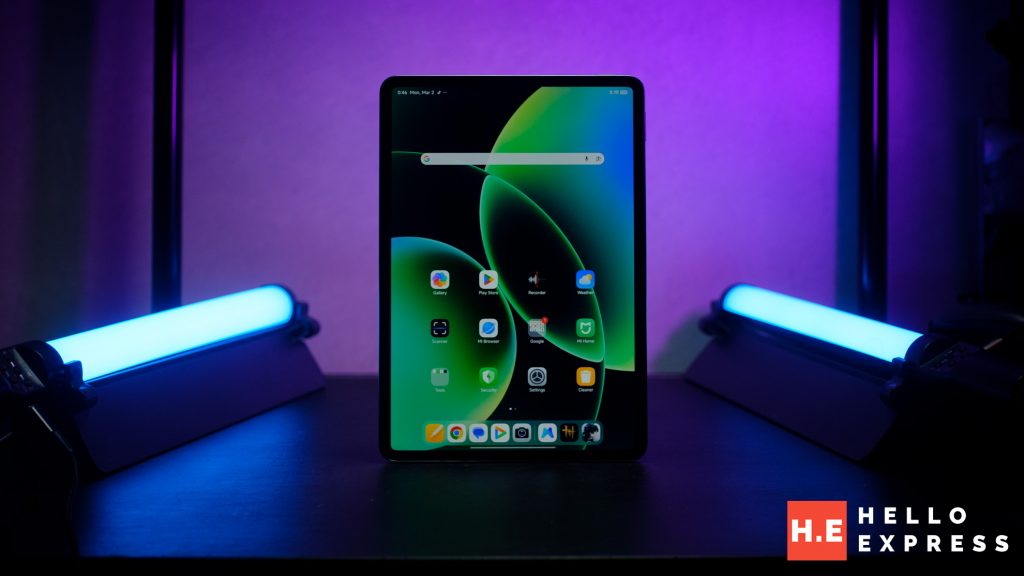
In the fiercely competitive tablet market, striking the perfect balance between portability, power, and multimedia prowess is no easy feat. Enter the Xiaomi Pad 8. Positioned as a versatile companion for both productivity and entertainment, this latest offering from Xiaomi brings a lot to the table—from a 3.2K 144Hz display to the new Snapdragon® 8s Gen 4 chipset. But does it deliver on its promises in everyday use? Our editorial team put it through its paces to find out.


Xiaomi Pad 8 Overview
Build & Design: Featherweight Craftsmanship
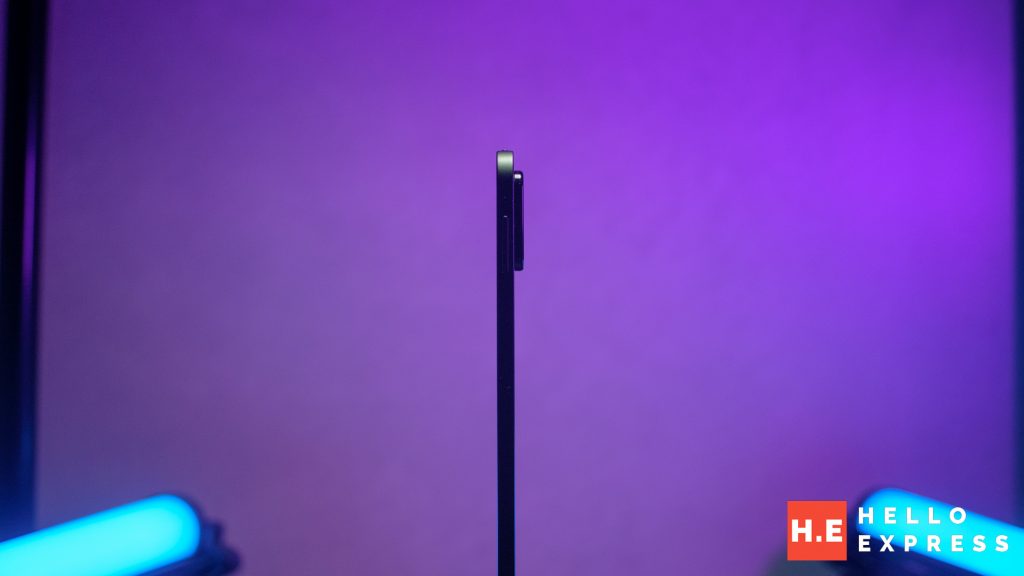
The Xiaomi Pad 8 is a masterclass in modern tablet design. Boasting an ultra-slim profile of just 5.75mm in thickness, it claims the title of one of Xiaomi’s thinnest LCD tablets globally. Tipping the scales at approximately 485g, it offers a significantly lighter and more streamlined user experience compared to its predecessors.
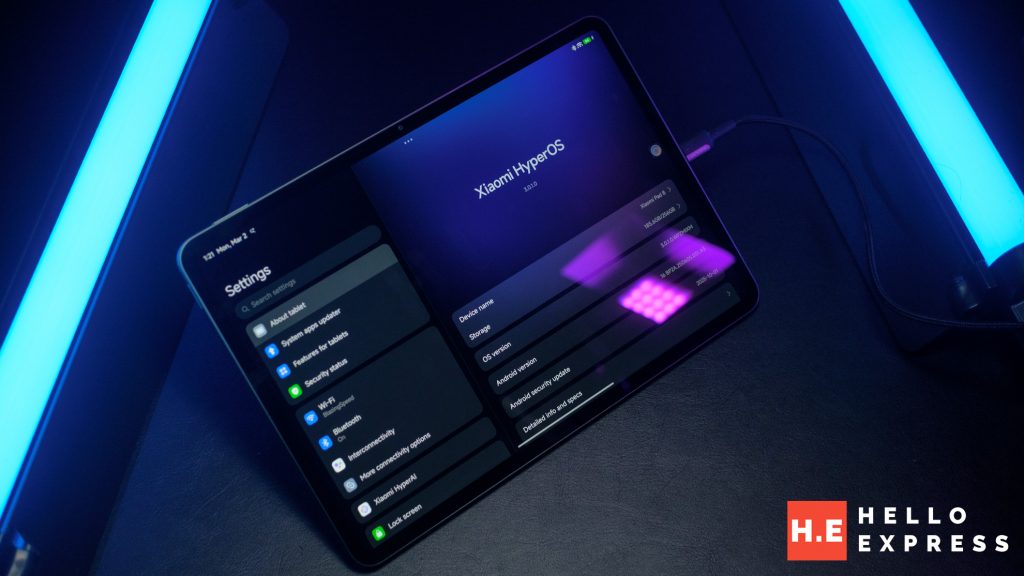
Holding it highlights its true ergonomic triumph: it feels remarkably light, making it the perfect companion for long hours of reading your favorite ebooks without experiencing wrist fatigue.
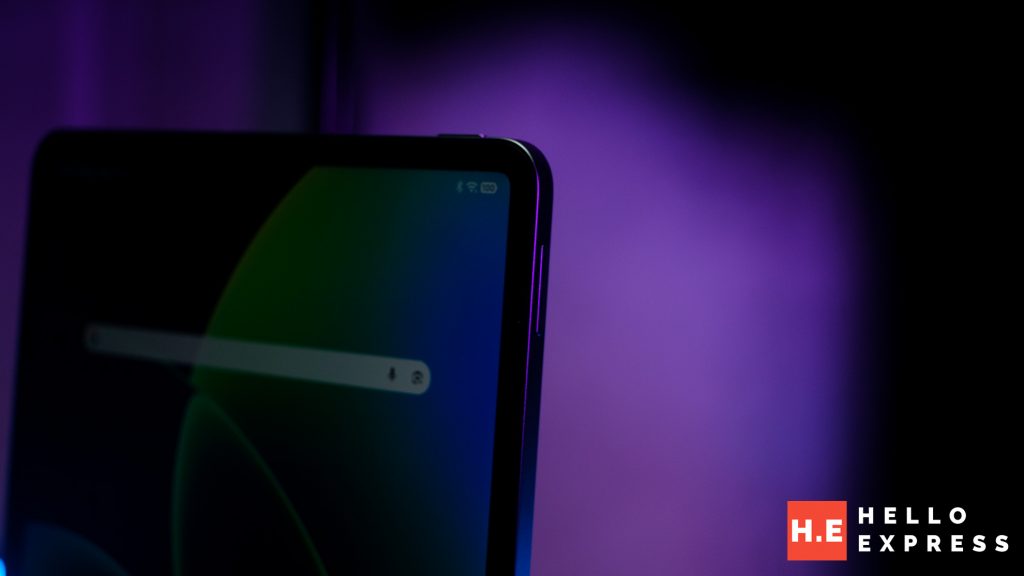
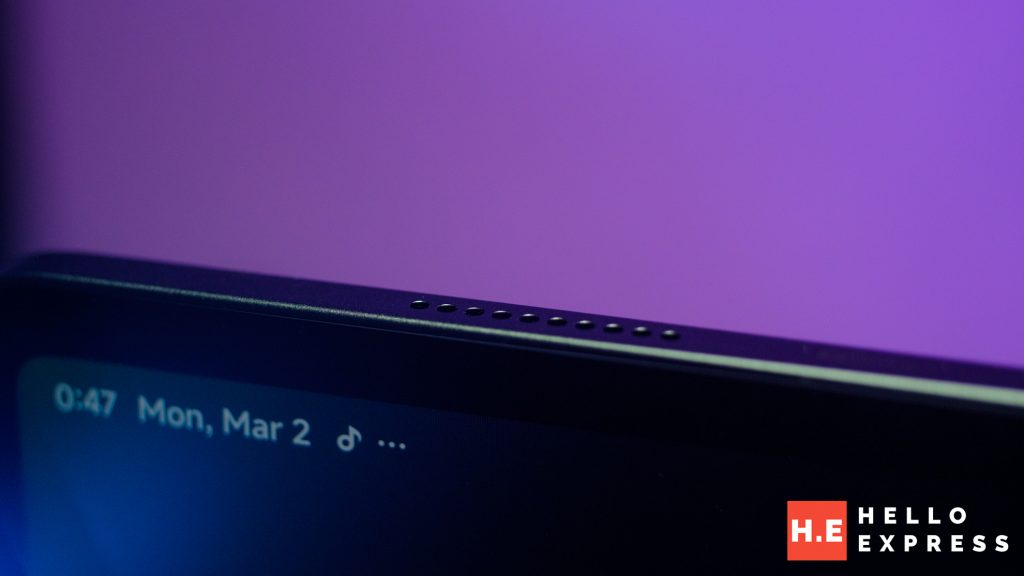
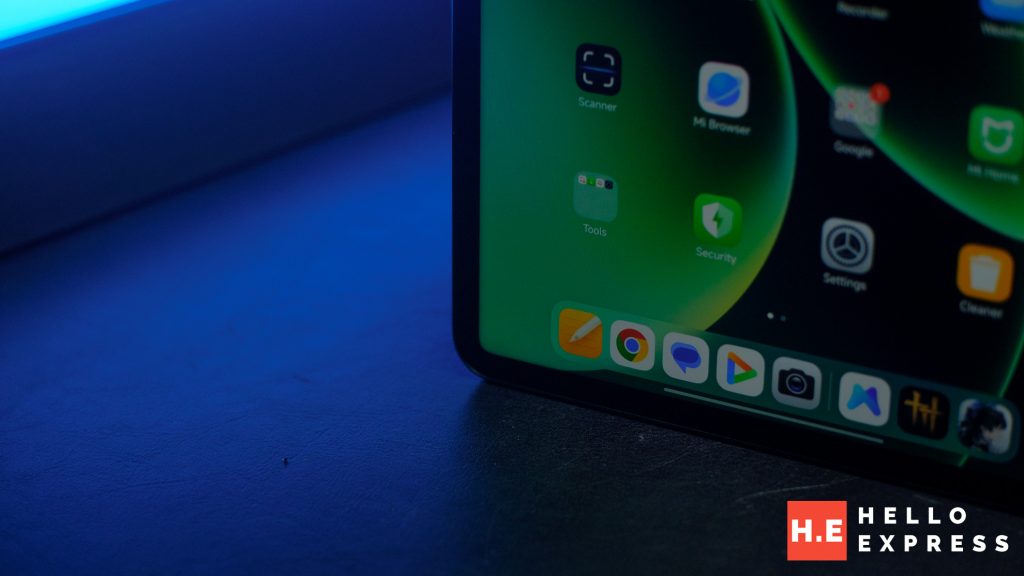
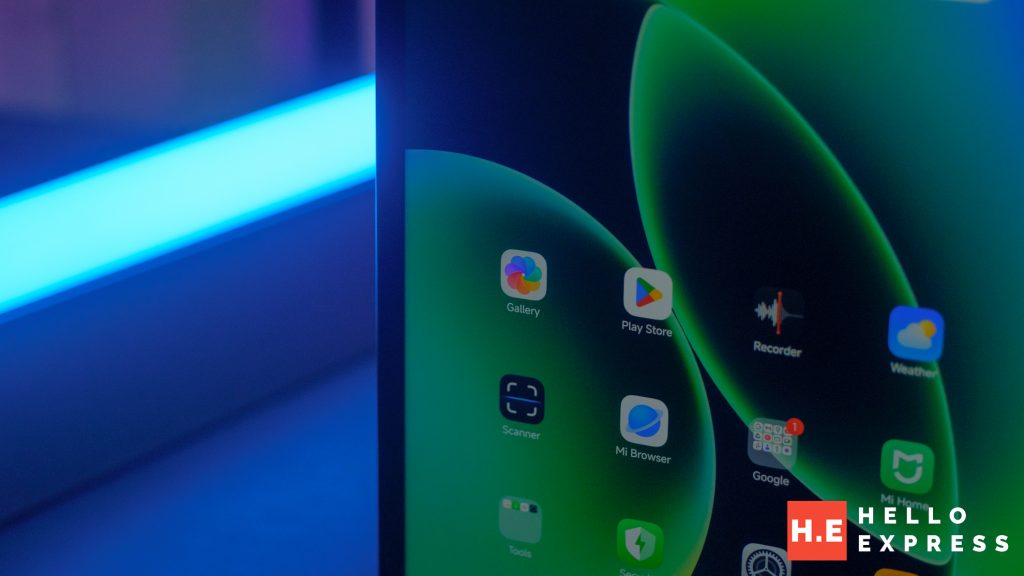
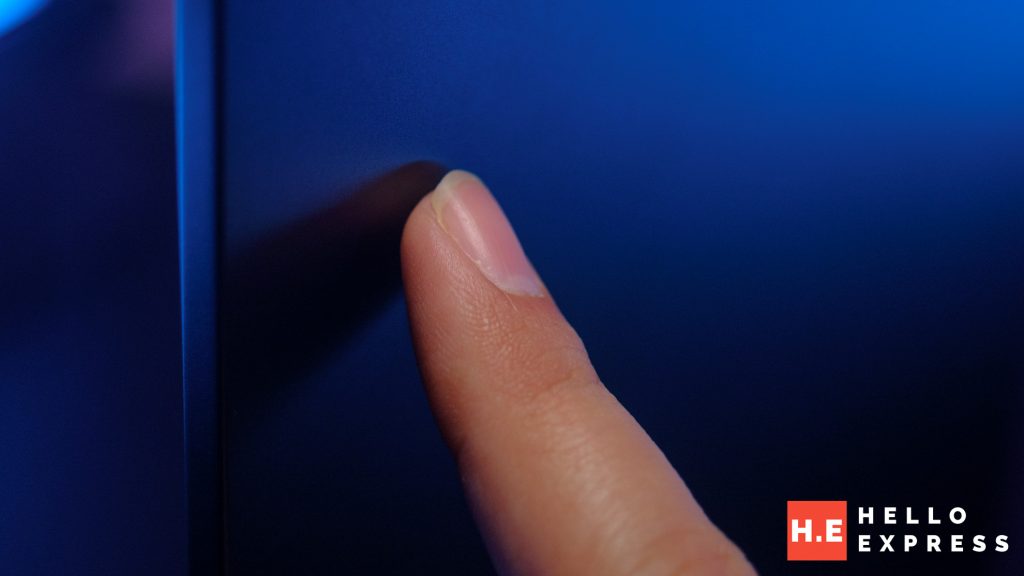
The device features a sleek, all-metal unibody design that beautifully marries lightweight construction with rigid durability, resulting in a refined hand-feel and elevated craftsmanship. Furthermore, the tactile anti-fingerprint coating provides excellent feedback to the touch—a godsend for the sweaty, humid weather we experience here in Malaysia.
Display: A B5-Sized Cinema in Your Hands
When it comes to the screen, the Xiaomi Pad 8 packs a 3.2K, 11.2-inch display (measured diagonally, though the actual viewable area is slightly less due to its elegantly curved corners). While it sits on the smaller side of modern premium tablets, its footprint is roughly the size of a B5 booklet. This makes it incredibly portable and perfect for carrying around all day.
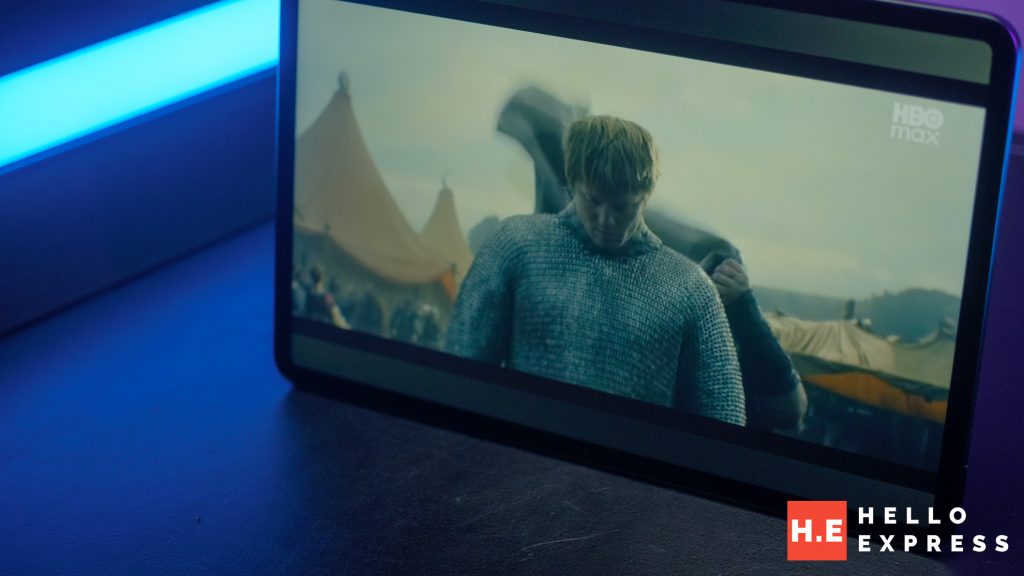
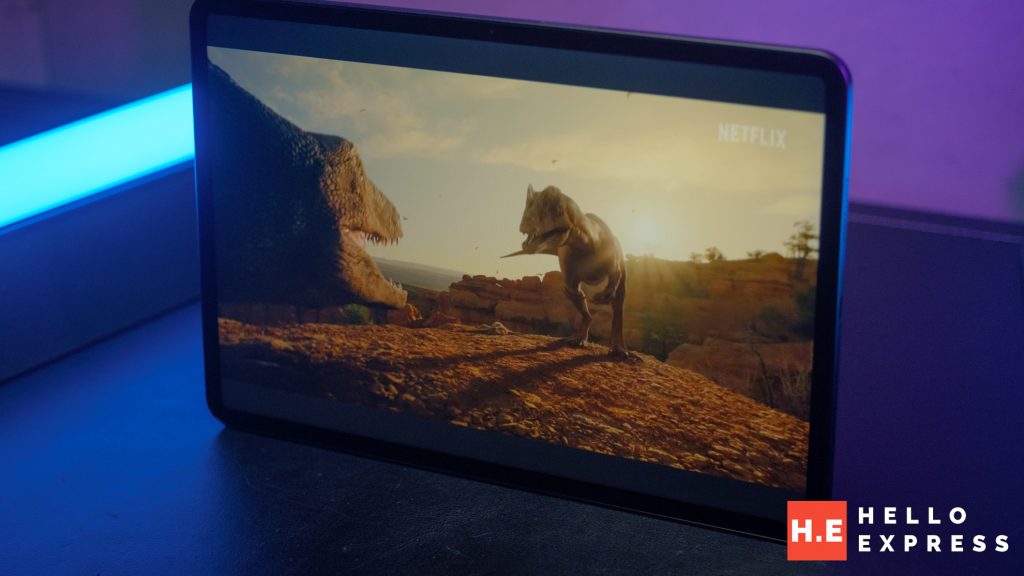
Don’t let the compact size fool you; packing a 3.2K resolution into an 11.2-inch panel means you get an incredibly dense pixel count. It is an absolute machine for binge-watching shows. If you’ve been catching up on A Knight of the Seven Kingdoms, you’ll appreciate this panel—Ser Duncan looks pretty mighty, with every detail rendered sharply. The Adaptive HDR and Dolby Vision support elevate the cinematic experience even further, backed by Xiaomi’s consistently excellent color tuning.
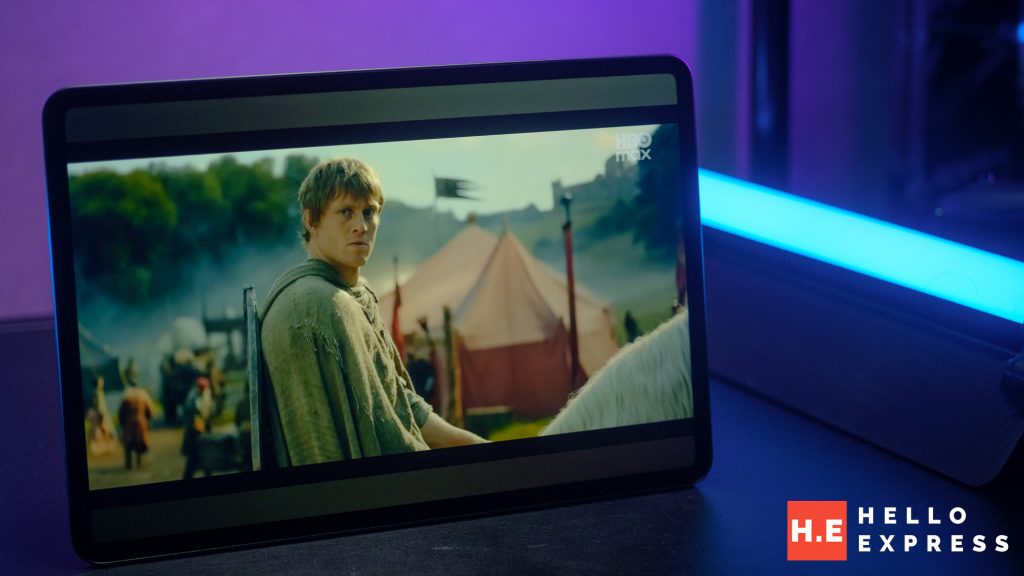
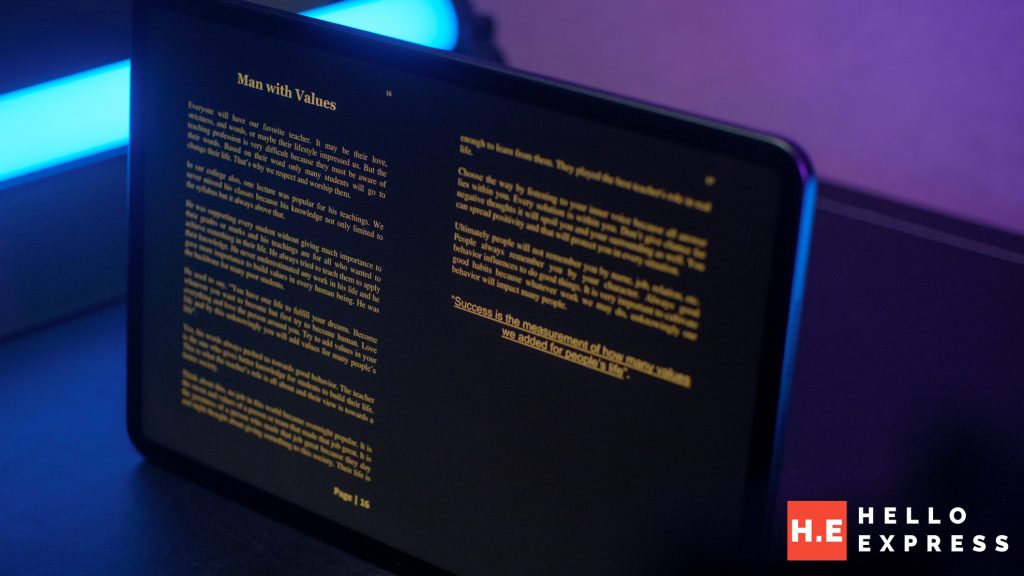
The display also supports a maximum refresh rate of 144Hz (variable depending on the app interface and game settings). While many associate high refresh rates purely with gaming, it is a revelation for reading; flipping through ebook pages feels incredibly natural and fluid.
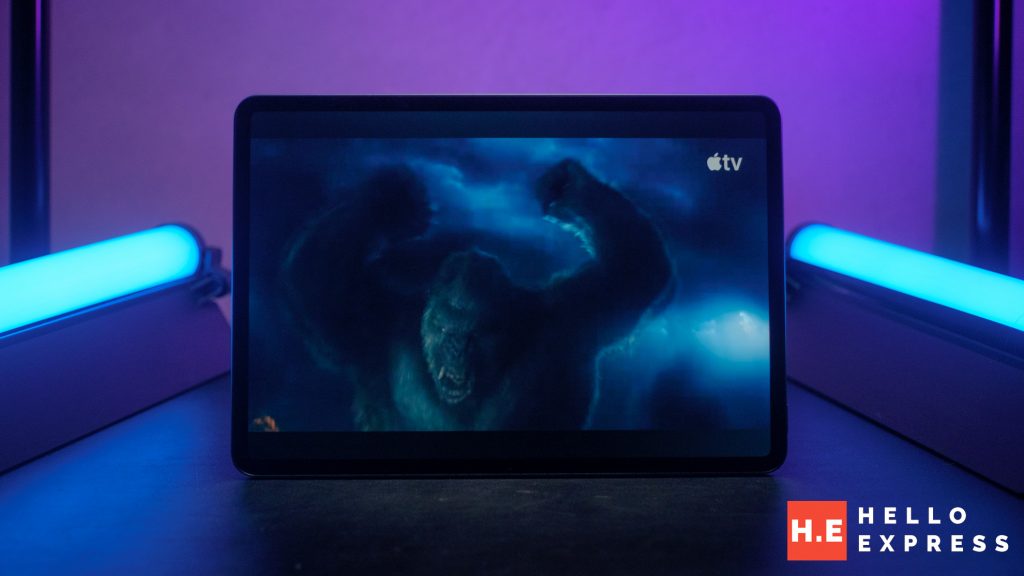
This high refresh rate, combined with a consistent display output, is remarkably gentle on the eyes. It’s no surprise that the tablet has earned TÜV Rheinland Low Blue Light (Hardware Solution), Flicker-Free, and Circadian Friendly certifications, ensuring your late-night reading sessions won’t ruin your sleep cycle.
Audio: Quad Speakers with Dolby Atmos
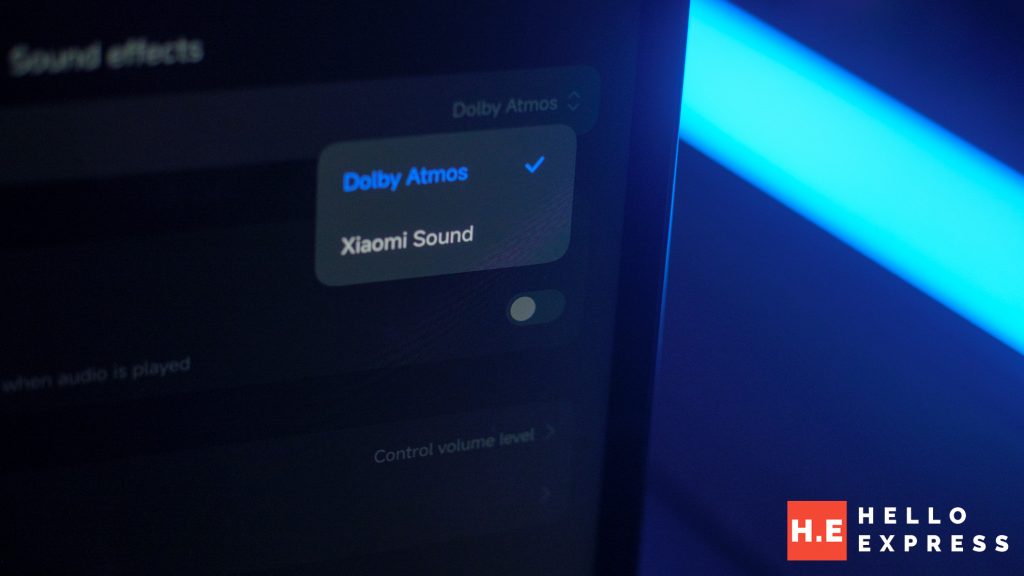
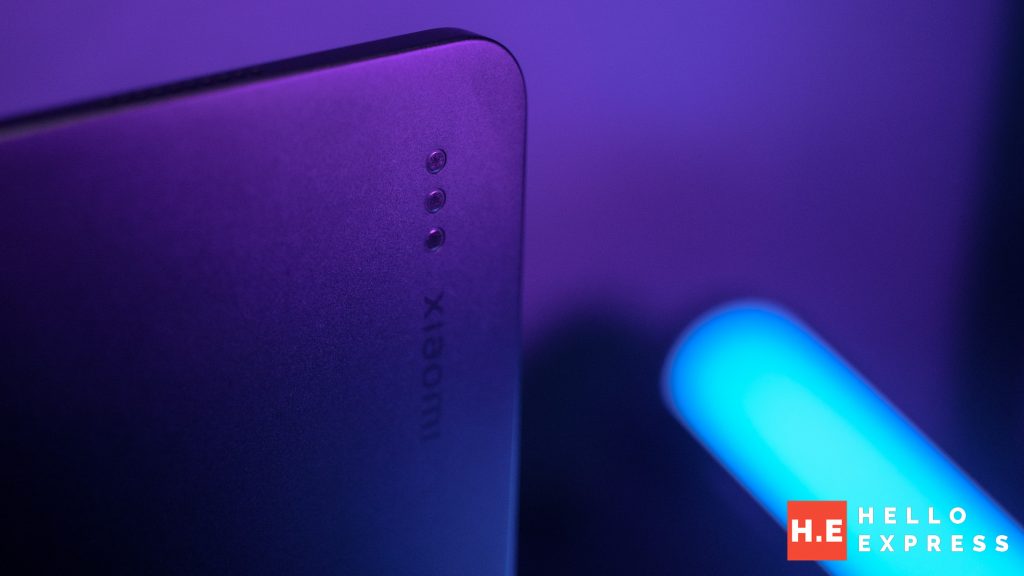
To complement the stellar display, the Xiaomi Pad 8 features a quad-speaker setup designed to provide rich, immersive sound for both work and play. It comes with Dolby Atmos audio certification, which is a fantastic addition for movie buffs.
Xiaomi claims to have reworked the speaker chambers to improve bass performance. In practice? The good news is that you can distinctly tell the difference when toggling between Xiaomi’s custom sound profile and Dolby Atmos. The not-so-good news is that the overall improvement in bass depth isn’t a massive leap from previous generations. It sounds great, but don’t expect it to replace your dedicated Bluetooth speaker.
Accessories: The Missing Keyboard Cover
While all the glossy commercial images showcase the Xiaomi Pad 8 flanked by a sleek keyboard case and a stylus, our review unit unfortunately did not include these accessories, so we can’t speak to their tactile feel or typing experience.
However, Xiaomi’s official documentation heavily references “WPS Office PC compatibility.” We are incredibly curious to see what this entails once the accessory ecosystem is fully tested—could this be the feature that truly bridges the gap between an Android tablet and a full PC workflow?
Xiaomi Pad 8 Performance: Snapdragon 8s Gen 4 Put to the Test
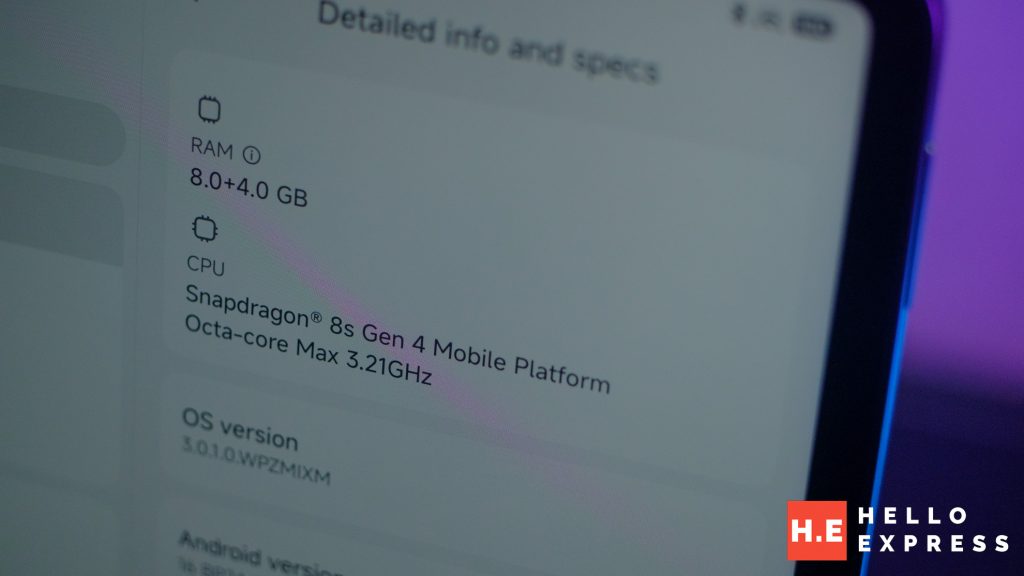
Under the hood, the Xiaomi Pad 8 is powered by the Snapdragon® 8s Gen 4 Mobile Platform. Utilizing an octa-core architecture (1+3 performance cores paired with 2+2 efficiency cores) and the Adreno 825 GPU, it promises serious horsepower. Our unit came equipped with a healthy 8GB of LPDDR5X RAM and 256GB of UFS 4.1 storage, which is excellent for rapid app loading and multitasking.
In real-world gaming scenarios, the tablet offers a mixed but generally positive experience:
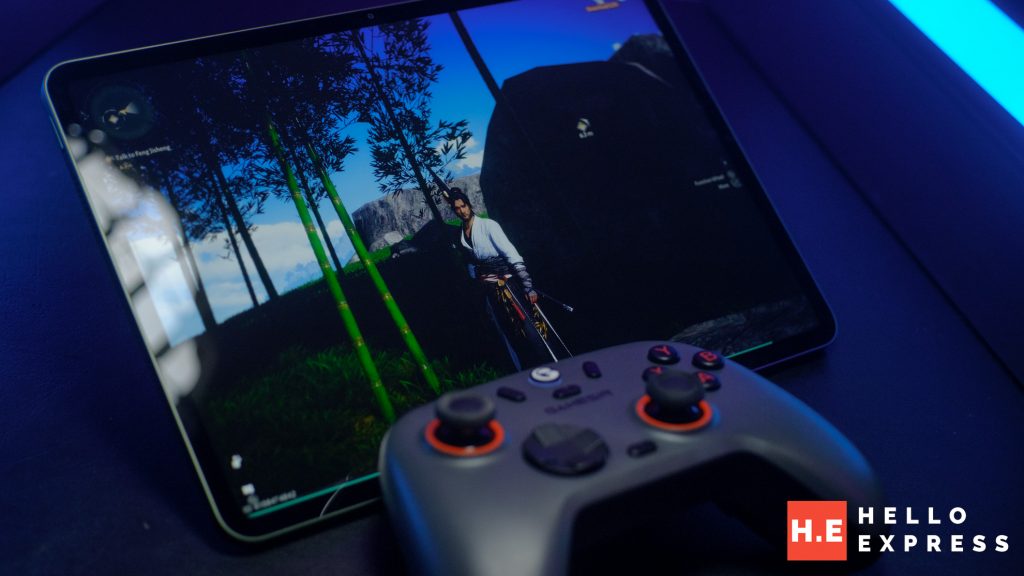
- Genshin Impact: Runs smoothly at High settings locking in a stable 30 fps.
- Where Winds Meet: Delivers very good performance and a fluid experience on Quality graphics with the High framerate setting toggled on.
- Wuthering Waves: This is where the tablet struggles. Even on Balanced settings, we experienced noticeable frame drops here and there, indicating the game might need further optimization for this specific SoC.
Cooling: Feeling the Heat
Surprisingly, Xiaomi’s marketing materials have been relatively quiet regarding the tablet’s cooling system—a stark contrast to their usual deep dives into vapor chambers and thermal dissipation. This omission might explain our real-world findings: the tablet does get noticeably warm during intense gaming sessions. While it doesn’t overheat to the point of throttling to a halt, you will definitely feel the heat radiating through that thin metal chassis.
Xiaomi Pad 8 Battery & Charging: Bright Screens Drain Fast
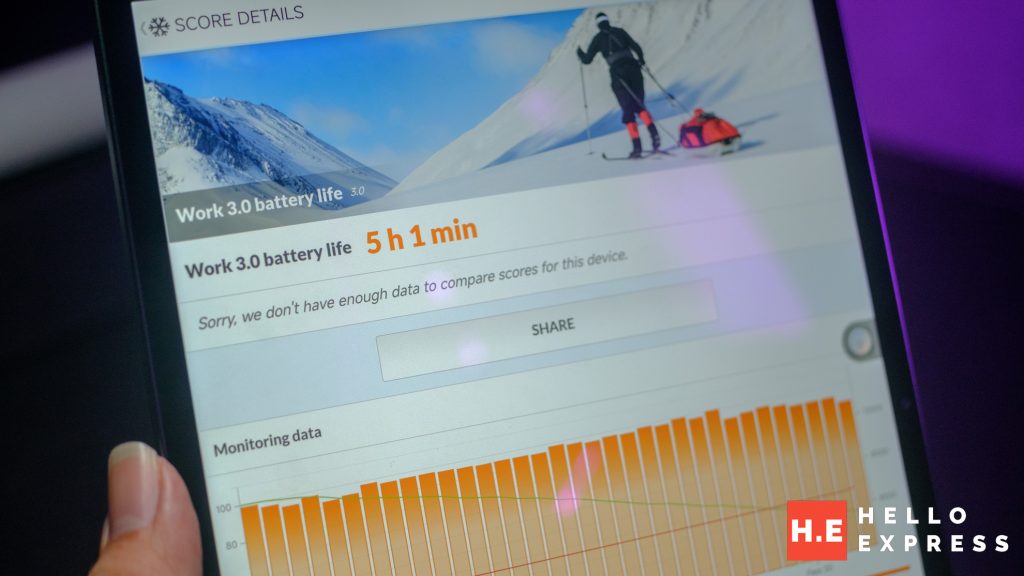
The Xiaomi Pad 8 is equipped with a typical battery capacity of 9,200mAh (9,000mAh rated capacity). Despite the large cell, our PCMark battery rundown test yielded only about 5 hours of screen-on time. This lower-than-expected result is almost certainly due to the incredibly bright, pixel-dense 3.2K screen drawing significant power.
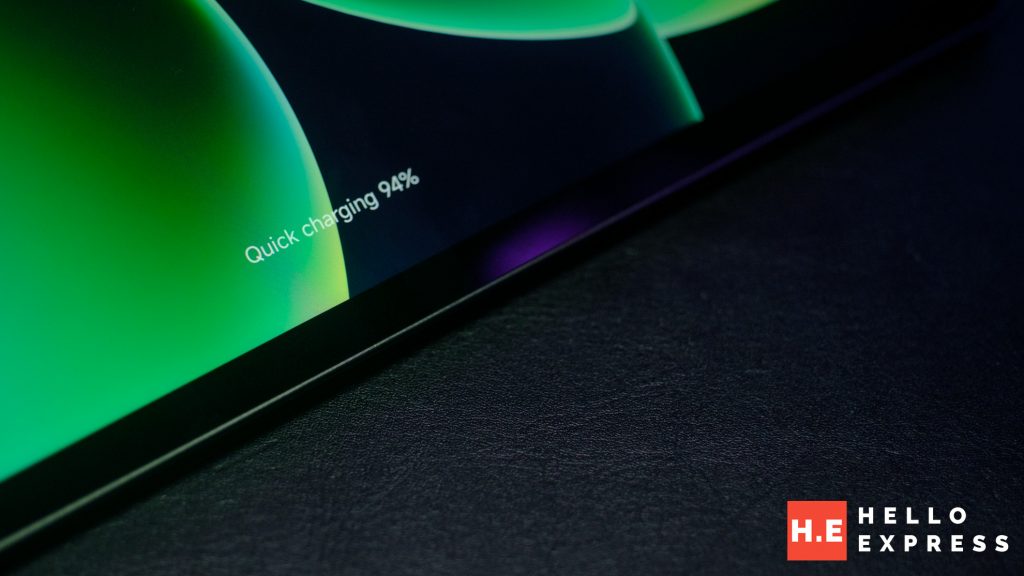
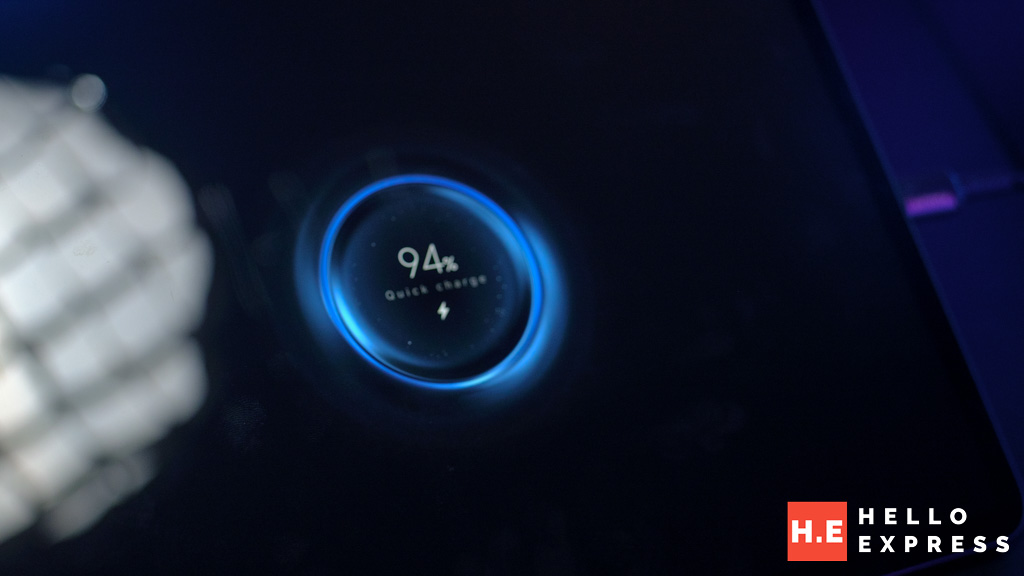
Our biggest gripe, however, lies with the 45W HyperCharge capability. In our testing, it took a full hour to charge the tablet from 0% to 50%. For a device bearing the “HyperCharge” moniker in 2026, we expected a much snappier top-up time.
Xiaomi Pad 8 AI Features & Software: The HyperAI Era
Xiaomi is pushing hard into artificial intelligence, and the Pad 8 incorporates system-level intelligence via Xiaomi HyperAI. This brings enhanced interconnectivity across devices, aiming to seamlessly boost user productivity.
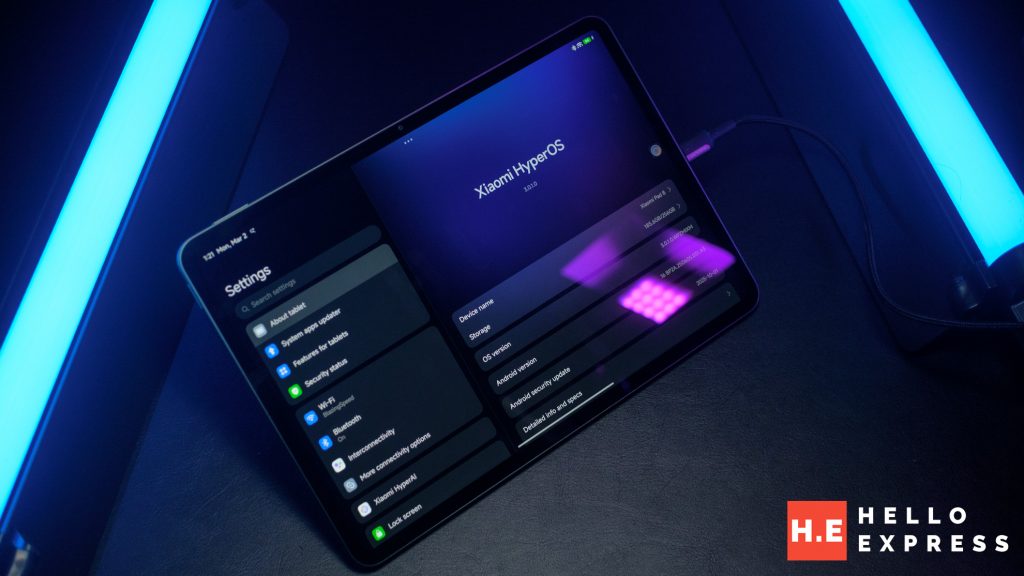
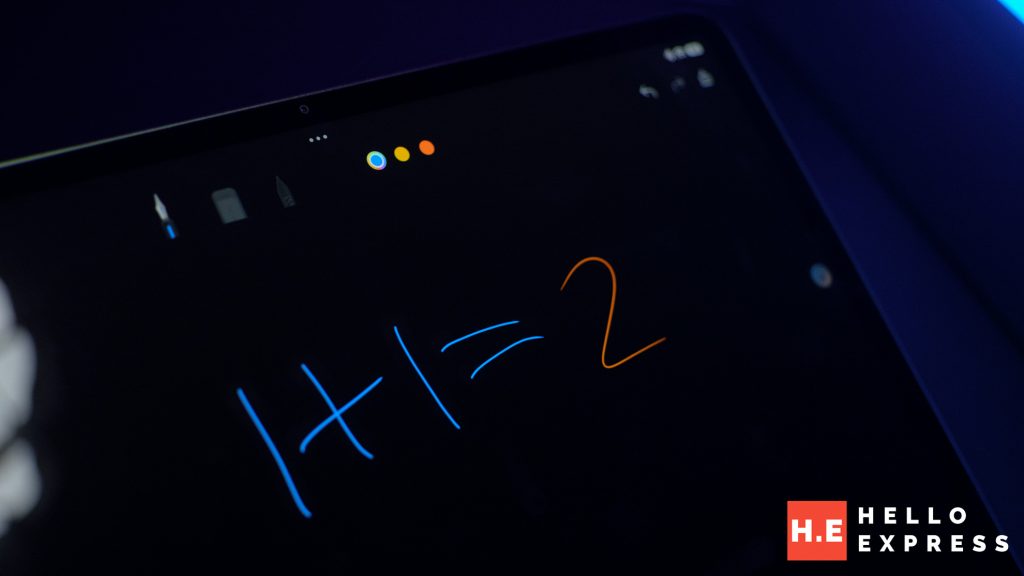
One neat inclusion is the AI Calculator (available on select models), which supports complex coefficient balancing for equations—though students should note it does not currently generate chemical symbols. The software experience is also slated for major upgrades: a highly anticipated PC-Level Browser is rolling out via OTA in certain regions at the end of February 2026, with the aforementioned WPS Office PC following in March 2026.
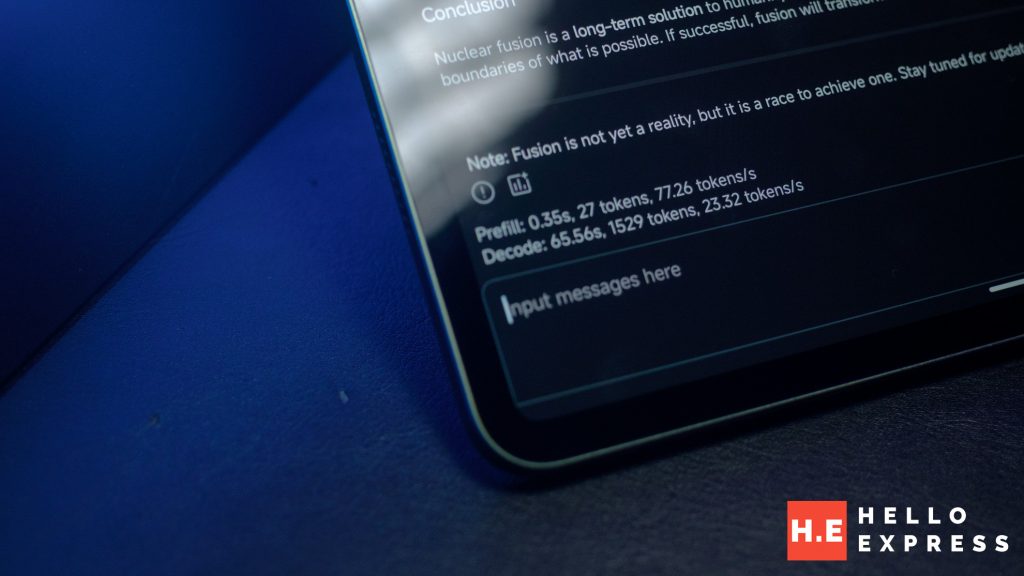
For the tech enthusiasts, we ran a localized LLM test on the tablet using MNN Chat with the Qwen 3 1.7B model. The Snapdragon 8s Gen 4 handled it admirably, pushing out a respectable 22.41 tokens per second, proving this tablet has the NPU chops for on-device AI tasks.
Xiaomi Pad 8 Conclusion
The Xiaomi Pad 8 is a beautifully crafted piece of hardware that shines where it matters most for media consumption. The good points are undeniable: the gorgeous, eye-friendly 3.2K 144Hz display, the featherweight B5-sized portability, and a premium metal build that feels fantastic in the hand. It is an absolute joy for reading, watching movies, and light-to-medium gaming. The addition of HyperAI and upcoming PC-level software updates also show great promise for future productivity.
However, there are drawbacks to consider. The battery life takes a hit due to that bright, high-resolution screen, and the 45W charging speed feels a bit sluggish by modern standards. Furthermore, heavy gamers might be deterred by the noticeable warmth during intense sessions and the frame drops in highly demanding titles like Wuthering Waves.


If you are looking for a highly portable, visually stunning tablet for binge-watching, reading, and everyday productivity, the Xiaomi Pad 8 is a brilliant, featherweight companion. However, hardcore gamers and those needing multi-day battery life might need to look slightly further up the premium tablet tier. Therefore, we award the Xiaomi Pad 8 with our silver award.
If you want to know why the Android Tablet could be a viable replacement for admin based laptop, check out our dedicated article here:
Also if you want to find a good e-reader on this tablet, and speak Chinese in the same time, check out our dedicated article for We Read here:
Help support us!
If you are interested in the Xiaomi Pad 8, we would really appreciate if you purchase them via the links below. The affiliate links won’t cost you any extra, but it will be a great help to keep the lights on here at HelloExpress.
- Lazada: https://s.lazada.com.my/s.D5eUh
- Shopee: https://s.shopee.com.my/6AfyQicgZT