
Huawei’s Game-Changing Battery: An In-Depth Look at the High-Silicon Technology in the Watch GT 6 Pro

Table of Contents
The wearables market has long been a battleground of features, but one factor has always set the leaders apart: battery life. With the launch of the Huawei Watch GT 6 Pro, Huawei is not just competing—it’s raising the bar entirely. The secret behind its extraordinary endurance isn’t just a bigger battery, but a fundamental shift in technology: the high-silicon battery.

The Technology That Changes Everything
For years, the gold standard for rechargeable devices, from smartphones to smartwatches, has been the lithium-ion battery with a graphite anode. In this setup, lithium ions are stored within the layered structure of graphite. While effective, this technology is reaching its peak in terms of energy density, with a theoretical capacity of about 372 mAh per gram.
Huawei’s innovation with the Watch GT 6 Pro is to embrace a new anode material: silicon. Silicon can form an alloy with lithium, a process called lithiation, which allows it to store nearly ten times more lithium ions by weight than graphite. This means a high-silicon battery can hold significantly more power in the same physical space, a crucial advantage for sleek, compact devices.
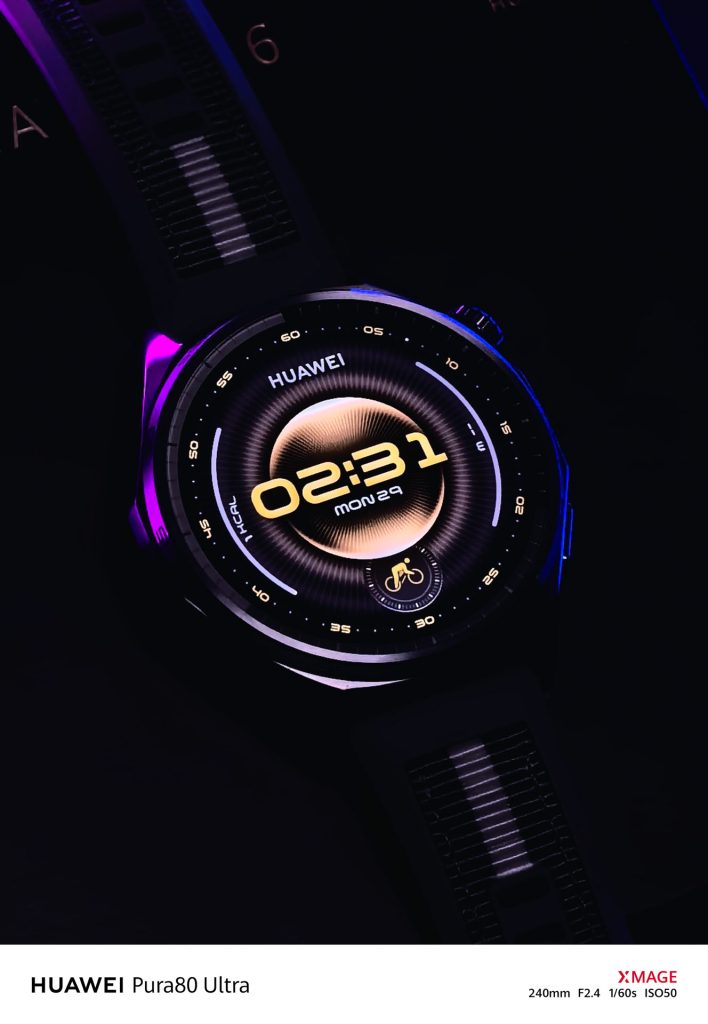
This is why Huawei was able to equip the Watch GT 6 Pro with a massive 867mAh battery capacity. This is a significant leap for a smartwatch and is the direct result of leveraging silicon’s superior energy density.
Overcoming the Silicon Challenge: Huawei’s Solution
The path to a viable silicon battery is fraught with a major challenge: volume expansion. When silicon absorbs lithium ions during charging, it swells by up to 300%. This swelling can cause the material to crack and break apart over time, severely degrading the battery’s lifespan.
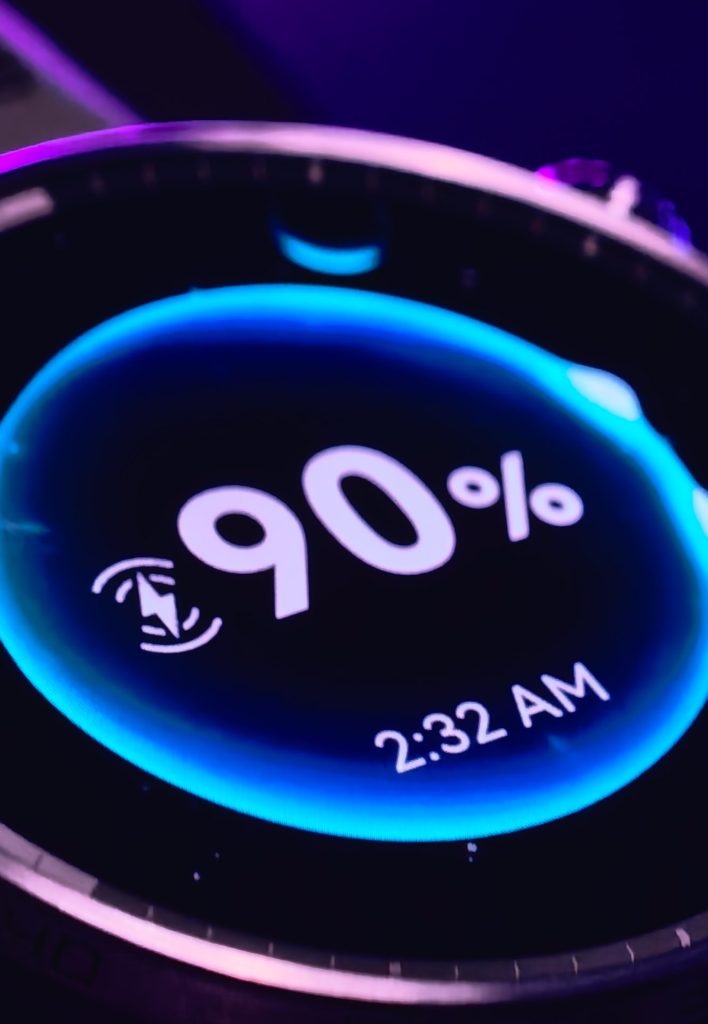
Huawei’s response is the “high-silicon laminated special-shaped battery.” The name itself hints at the sophisticated engineering at play:
- High-Silicon: The battery uses a high concentration of silicon in the anode to maximize energy density.
- Laminated: This suggests a layered or composite structure, likely combining silicon with a more stable material like carbon. This composite approach helps to manage the stress from expansion, acting as a scaffold to maintain the anode’s structural integrity and electrical conductivity.
- Special-Shaped: This refers to a non-traditional battery form factor that is optimized to fit the unique internal design of the Watch GT 6 Pro, ensuring that every millimeter of space is used efficiently.
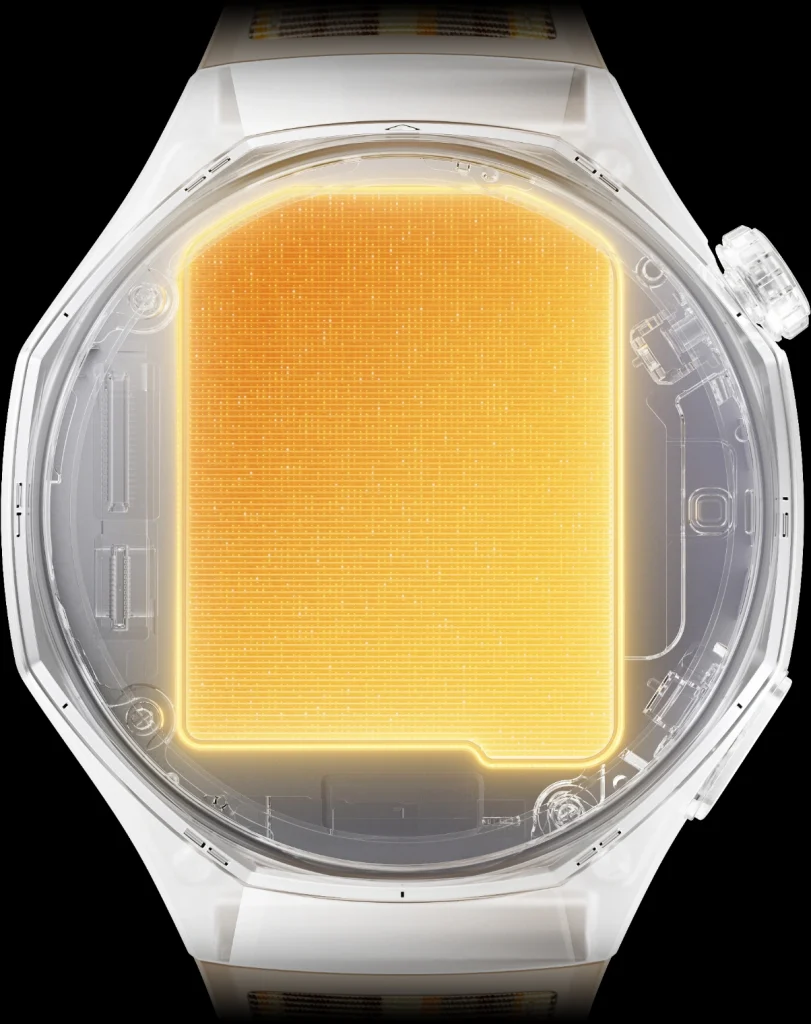
This meticulous design allows Huawei to harness silicon’s incredible capacity while mitigating its inherent instability, resulting in a battery that not only holds more charge but also maintains its performance over a long period.
The Result: Unmatched Performance
The outcome of this technological leap is a new benchmark for smartwatch battery life. The Huawei Watch GT 6 Pro’s 867mAh battery delivers an astounding 21 days of typical use on a single charge. This performance level is a clear differentiator in a market where many competitors struggle to last more than a few days. For users, this means less time tethered to a charger and more time enjoying the watch’s features, from activity tracking to smart functions.
In an industry constantly seeking the next big leap, Huawei’s adoption of high-silicon battery technology in the Watch GT 6 Pro is more than just an upgrade. It’s a statement that the future of wearables is not just about processing power or display quality, but about the very energy source that powers them.